The Vanishing Grandeur: Demolition of a Highland Park Icon at 4307 Armstrong Parkway
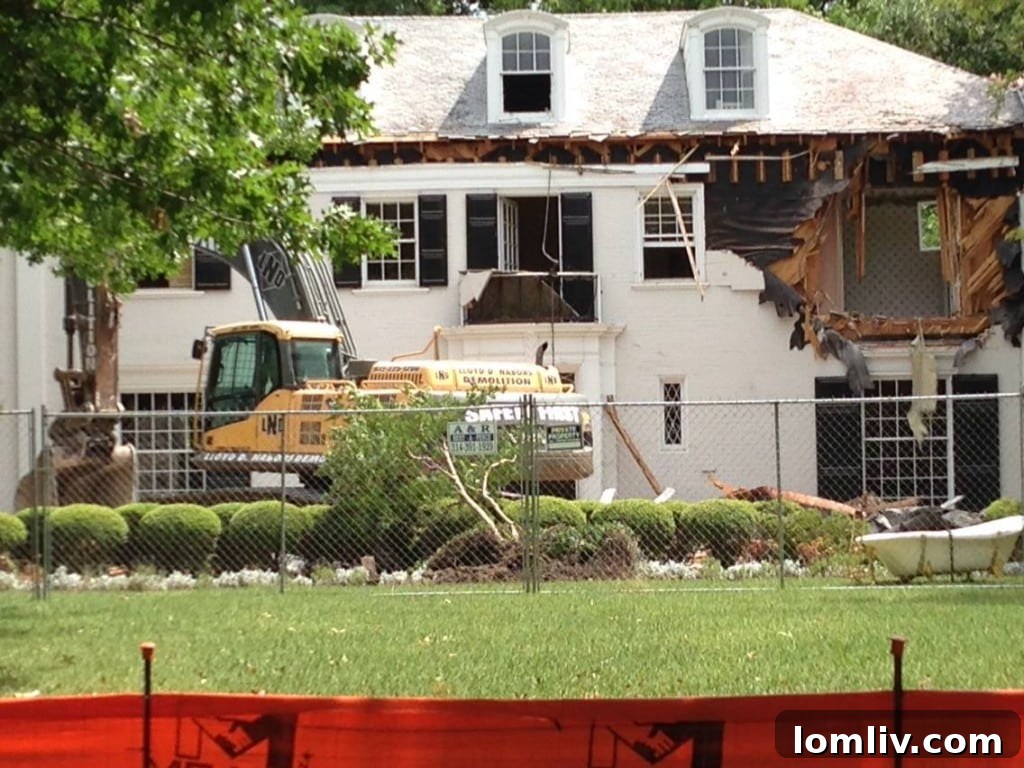
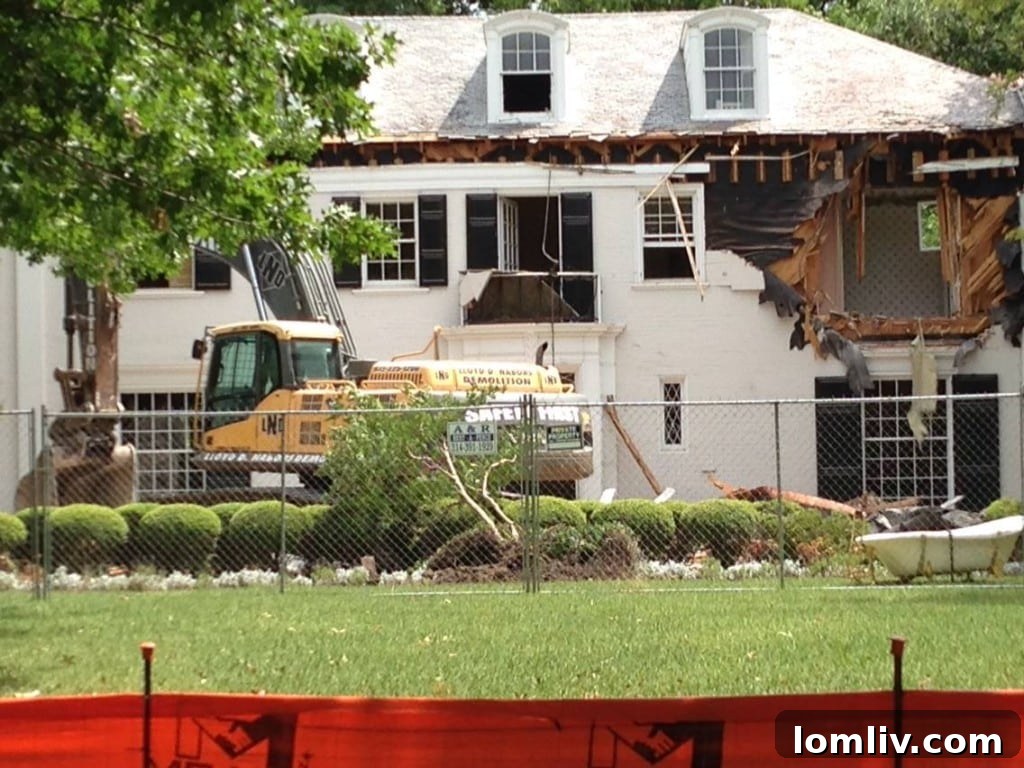
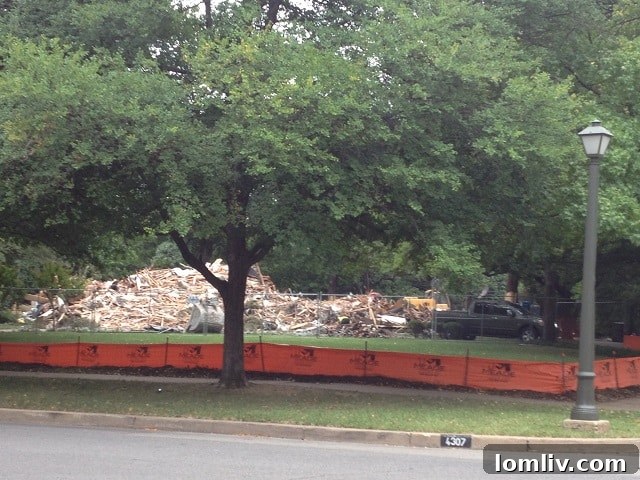
In the exclusive enclave of Highland Park, where history often intertwines with contemporary luxury, a significant chapter recently closed with the swift demolition of 4307 Armstrong Parkway. Whispers of its impending fate turned into stark reality as word circulated on Monday, detailing the property’s entry into “crunch munch mode.” By late Tuesday afternoon, what was once a majestic neoclassical mansion had been reduced to a colossal pile of white-speckled rubble, a striking and somewhat somber sight for anyone passing by. This event marks not just the end of a physical structure but also the conclusion of an era for one of Dallas’s most celebrated addresses.
A Glimpse into the Past: The Neoclassical Beauty of 4307 Armstrong
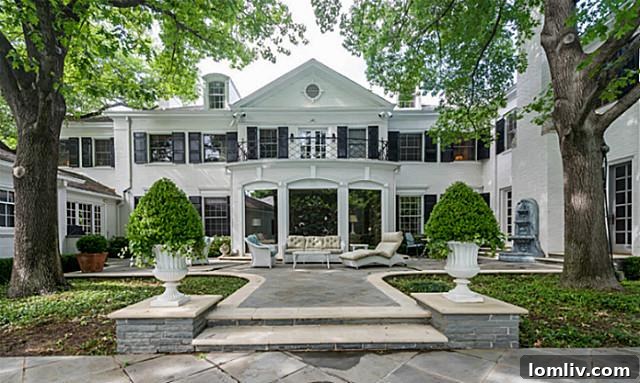
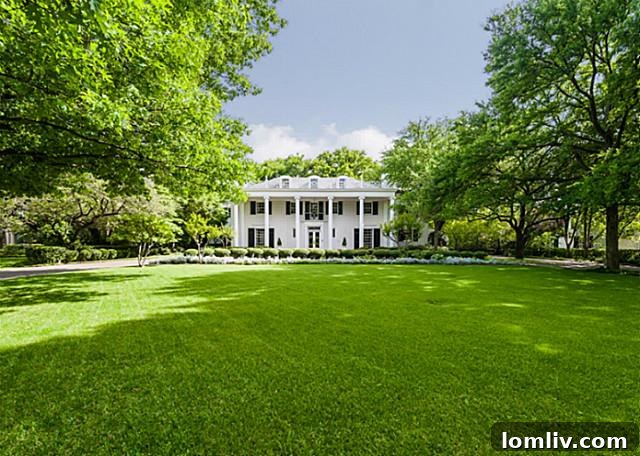
Positioned at the prominent southeast corner of Armstrong Parkway and Douglas, 4307 Armstrong was more than just a house; it was a beacon of timeless elegance and architectural splendor. Built in 1937, this “magical white neoclassical beauty” stood as one of the grand old dames of Armstrong, captivating onlookers with its imposing facade and classic design. The property was formerly owned by J.P. Morgan Securities brokerDon Donnallyand his wife,Carol, a name synonymous with prestige in Dallas circles. Their ownership further cemented the mansion’s status as a residence of significant social and historical importance.
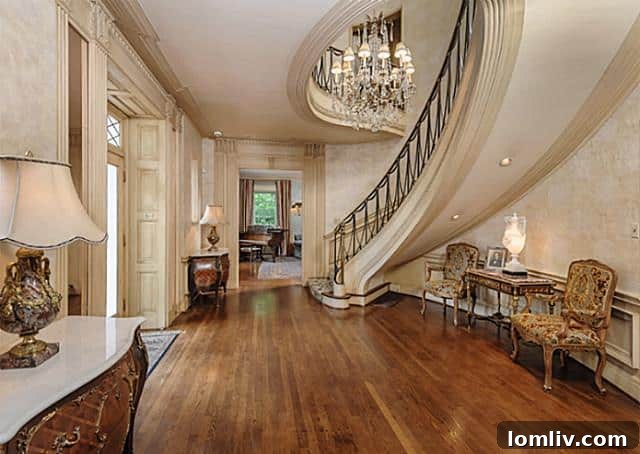
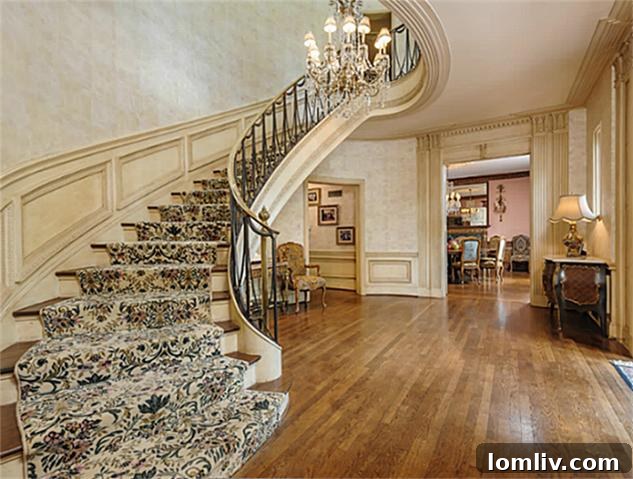
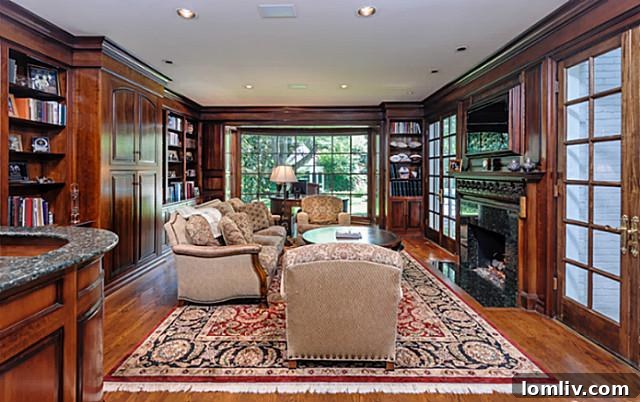
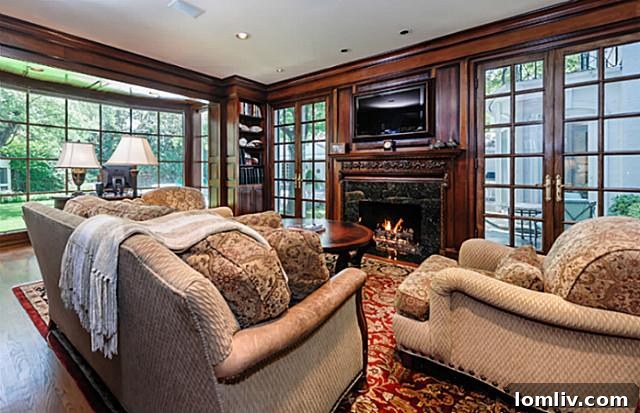
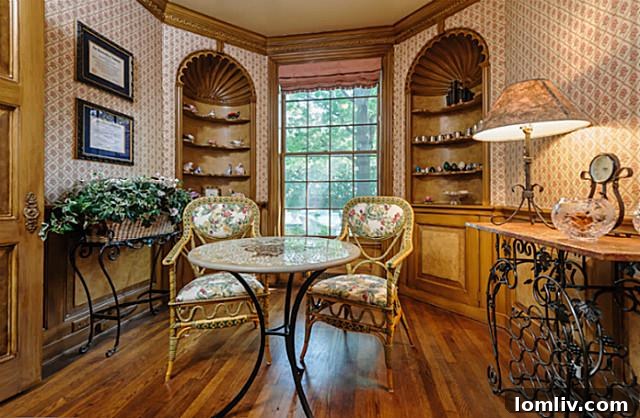
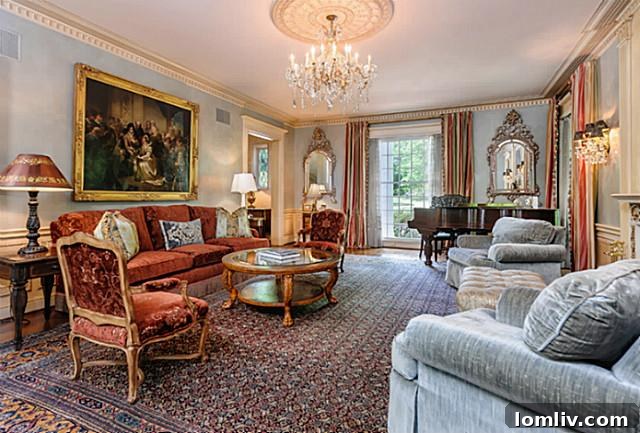
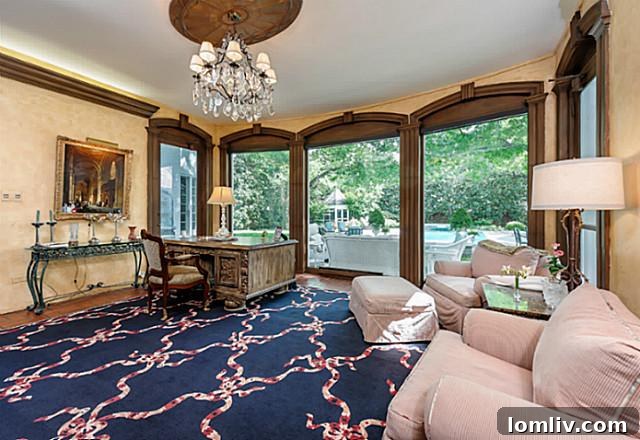
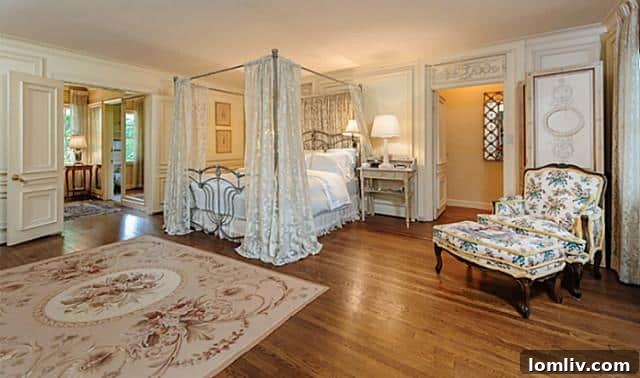
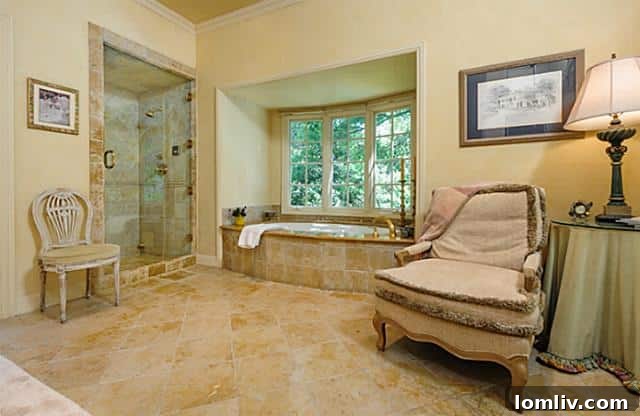
The home itself was a testament to sophisticated living, boasting an expansive 7,687 square feet spread across three stories. It featured a classic center hall floorplan, a hallmark of neoclassical design, which immediately ushered guests into an atmosphere of refined grandeur. A magnificent cascading oval stairway served as a dramatic focal point, leading to four immense bedrooms and six full, two half baths, each exuding luxury and comfort. Beyond the essential living spaces, the mansion offered a suite of bespoke amenities designed for both lavish entertaining and intimate family life. A rich mahogany library, complete with a discreet wine closet and bar, provided a haven for quiet contemplation or lively gatherings. The thoughtfully remodeled kitchen seamlessly blended modern functionality with classic aesthetics, while a spacious family room and game room offered versatile areas for recreation.
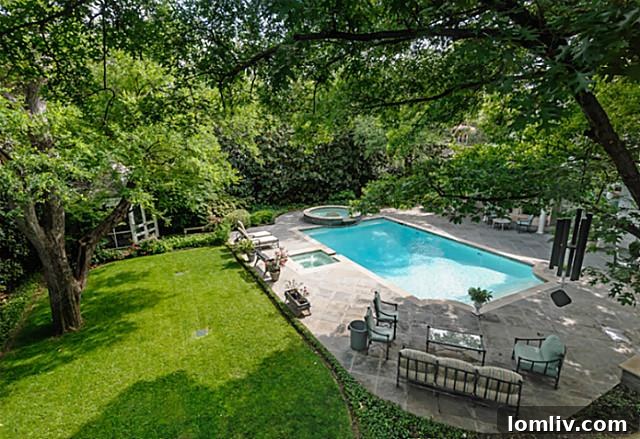
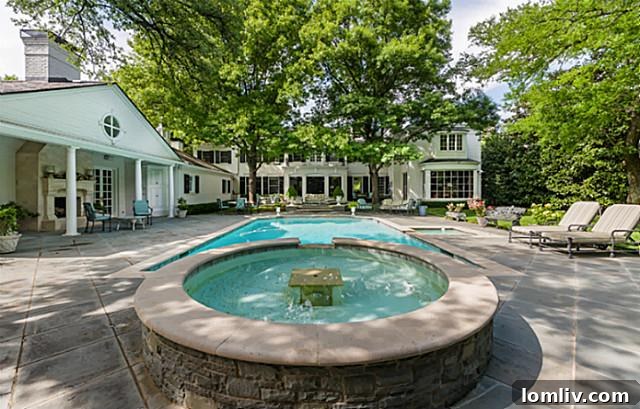
The property’s allure extended beyond its interior. A private cabana, an outdoor fireplace, and an expansive living area created an idyllic setting for al fresco enjoyment. The presence of a sparkling pool and spa transformed the backyard into a private oasis, perfect for relaxation or elegant poolside soirees. Practical considerations were also met with a three-car garage and a separate guest house, ensuring privacy and comfort for visitors. This was a home that didn’t just house its occupants; it hosted history, welcoming Dallas dignitaries and embodying the graceful essence of “Southern Living.” Indeed, if those walls could talk, the tales they would tell would undoubtedly be captivating narratives of Dallas’s elite society and memorable occasions, perhaps even a few “mint julep” infused anecdotes.
The Priceless Parcel: Highland Park’s Desirable Landscape
While the architectural marvel of the mansion was undeniable, a significant portion of the property’s immense value lay in its generous land. Spanning an impressive 0.82 acres, this lot is widely regarded as one of the most exquisitely desirable parcels in Highland Park. The extensive grounds were meticulously landscaped, featuring magnificent magnolias, mature trees, and verdant expanses that provided both beauty and a sense of secluded tranquility. Adding to its charm were a picturesque gazebo and a functional greenhouse, hinting at a lifestyle that embraced both leisure and cultivation.
In a community like Highland Park, where land is a finite and increasingly precious commodity, such a sizable lot holds exceptional appeal. This exclusivity often dictates that the underlying value of the land supersedes the value of any existing structure, no matter how grand or historic. Developers and discerning buyers are frequently drawn to these large parcels, seeing them as blank canvases upon which to build new, bespoke estates tailored to contemporary desires and standards of luxury. This trend, while contributing to modernization, also sparks a recurring debate about the preservation of architectural heritage versus the pursuit of new development opportunities.
A Journey on the Market: The Property’s Sales Trajectory
The journey of 4307 Armstrong Parkway through the volatile luxury real estate market offers a fascinating insight into its perceived value and the dynamics of high-end transactions. Initially introduced to the market approximately a year prior to its sale, the property commanded an ambitious asking price of $5,995,000. Recognizing market realities, the price was subsequently adjusted to $5,595,000, signaling a strategic move to attract potential buyers. The mansion ultimately found new owners in February, selling for a significant sum of $5,357,500.
The buyers, a California couple named Bryce and Leigh Williams, represented a common demographic of luxury real estate purchasers: those seeking prime locations and significant investments, often relocating from other high-value markets. The transaction involved prominent figures in Dallas real estate. Molly Malone of Dave Perry-Miller successfully acted as the selling agent, expertly navigating the intricacies of the deal. Erin Mathews of Allie Beth Allman brought the eager buyers to the table, facilitating the acquisition of this coveted Highland Park gem. Interestingly, records also reveal that the home had previously been listed at an even more substantial figure, a whopping $7,989,000, with David Nichols of Allie Beth Allman, highlighting the fluctuating perceptions of its market worth over time and the intense competition for such properties.
The Swift End: From Grandeur to Rubble
The actual demolition unfolded with a breathtaking swiftness that underscored the ephemeral nature of even the most enduring structures. What began with the first “chipping away” on Monday escalated rapidly. By Tuesday afternoon, the stately white mansion, which had graced Armstrong Parkway for nearly nine decades, was transformed into nothing more than a stark, fragmented pile of rubble. The process was efficient, clinical, and irreversible. By Wednesday, the expectation was that the entire lot would be cleared, preparing the site for its next incarnation. The sight served as a powerful, albeit silent, reminder of progress and change within Highland Park, a community that is constantly evolving and reimagining its landscape.
An Enduring Legacy: The Soil Beneath
Amidst the dust and debris of demolition, there remains a powerful, unchanging constant: the earth itself. As the saying goes, “the dirt lasts forever!” This sentiment offers a poignant reflection on the enduring nature of land compared to the transient existence of human-made structures. Like the indelible memory of a loved one, the soil beneath 4307 Armstrong Parkway persists, silent and unyielding. It doesn’t whimper or fade; instead, it patiently awaits its next chapter, ready to embrace new foundations, new dreams, and perhaps, another round of “mint juleps” in a yet-to-be-built abode.
The demolition of 4307 Armstrong Parkway is more than just a real estate transaction; it’s a narrative woven into the fabric of Highland Park’s continuing evolution. It highlights the dynamic interplay between historical preservation, the relentless demand for modern luxury, and the enduring value of prime real estate. While the physical structure is gone, the prestige of the location and the stories embedded in the land itself will undoubtedly shape whatever grand vision emerges next on this iconic parcel.