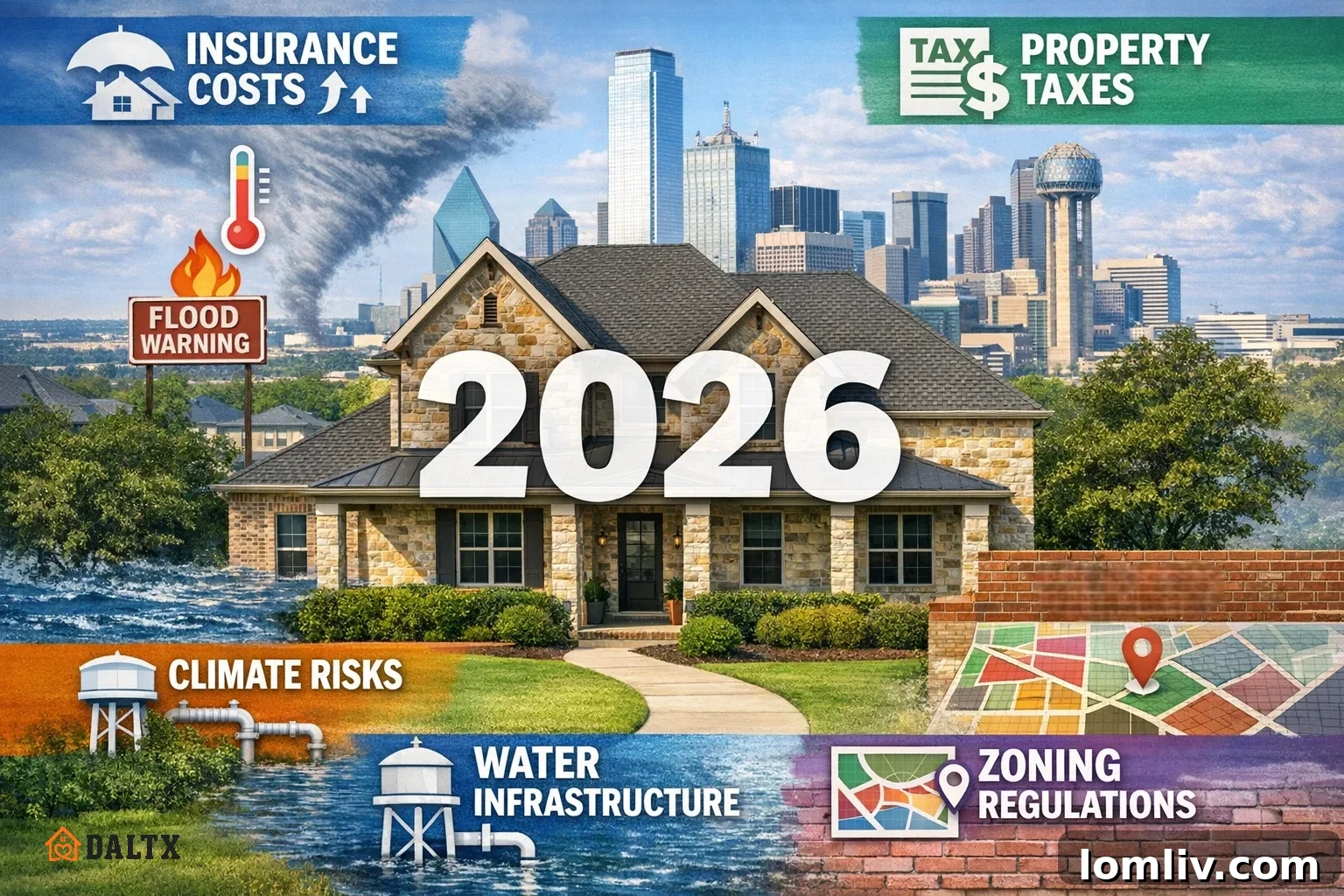
The landscape of homeownership is undergoing a profound transformation. As we look towards 2026, prospective buyers face a market vastly different from just a few years ago. While traditional concerns like mortgage rates, desirable neighborhoods, and cosmetic appeal remain important, a new set of critical factors now dictate the true financial impact and long-term value of a property. These often-overlooked elements—ranging from escalating insurance costs driven by climate change to the implications of aging infrastructure and dynamic local zoning policies—are becoming the deciding forces in what a home will truly cost you and what its worth will be a half-decade from now.
The hidden risks of climate exposure directly influence insurance premiums, potentially making certain properties prohibitively expensive to cover. Local tax structures and the ever-growing demand for robust infrastructure directly impact monthly payments and future assessments. Moreover, local zoning decisions have the power to reshape entire neighborhoods, altering their character and property values almost overnight. A house might appear flawless during a showing, but its underlying infrastructure and the broader community’s resilience are now just as critical for a secure investment. Issues like deteriorating water lines, evolving climate risk maps, ambitious urban development plans, and impending policy changes all carry significant, long-term financial consequences. Savvy buyers understand this shift and are moving beyond superficial appeal to ask the truly hard questions. Before you finalize an offer this year, it’s essential to meticulously consider these four practical realities, which could ultimately determine whether your home purchase remains a secure asset and a sound long-term investment.
Climate Risk: The New Frontier in Property Valuation
For decades, discussions about climate risk in real estate were largely relegated to academic circles or niche environmental concerns. Buyers understandably prioritized tangible factors like location, school districts, and square footage, while environmental exposure seemed a distant, abstract concept. However, this perception is rapidly evolving. The integration of advanced climate data into real estate valuations is no longer theoretical; it’s actively reshaping home values and influencing buyer decisions across the nation.
A recent and sobering CNBC report casts a stark light on the impending financial implications, projecting that by 2055, climate change could erode nearly $1.47 trillion from the total value of U.S. homes. Crucially, this isn’t an issue confined to vulnerable beachfront properties. The analysis suggests that a staggering 84 percent of homes nationwide are expected to experience some degree of value decline as climate risks become more prominent and quantifiable. This systemic shift is already manifesting. Properties situated in high wildfire-risk regions, coastal flood zones, and areas increasingly prone to extreme heat or severe weather events are witnessing dramatic spikes in insurance premiums. In some of the most affected markets, insurers have even begun to withdraw coverage entirely, forcing homeowners into significantly more expensive, limited, or government-backed insurance options.
For today’s buyers, this means climate exposure is no longer just an environmental talking point; it’s a critical financial metric. Two seemingly identical homes, located mere miles apart, can carry wildly different long-term ownership costs based on their specific flood history, proximity to fire hazards, and susceptibility to increasingly frequent and intense storms. Before even contemplating an offer, a comprehensive assessment of climate risk is paramount. This includes not only meticulously checking official flood maps but also proactively securing firm and stable insurance quotes. If premiums are exceptionally high, coverage is severely restricted, or future insurability appears uncertain, these should serve as major warning signs. A home with expensive, unstable, or difficult-to-obtain insurance coverage can become a significant liability, severely impacting its resale value and marketability down the road. Future-proofing your investment requires acknowledging and addressing these evolving climate realities head-on.
Aging Water Infrastructure: A Hidden Hazard Below Ground
Beneath the streets of many older cities and established suburbs lies a critical, yet often unseen, challenge: aging drinking water infrastructure. Across the United States, a significant portion of the water distribution system was constructed decades ago, with many pipes now approaching or exceeding their original intended lifespan. This vast, interconnected network, a testament to mid-20th-century engineering, is increasingly showing its age. Experts consistently warn that deteriorating pipes, insufficient and inconsistent funding for routine maintenance and necessary upgrades, and the persistent presence of old lead service lines continue to pose substantial risks to public health and property values.
Lead contamination, a legacy issue from past construction practices, remains a serious concern, particularly in older neighborhoods built before lead pipes were phased out. The process of replacing these lead service lines is not only immensely expensive but also often involves a shared financial responsibility, with a portion of the cost falling directly on homeowners. Beyond lead, breaks in aging water mains are becoming more frequent, leading to disruptive service interruptions, emergency repairs that can affect entire blocks, and potential property damage from unexpected flooding. These infrastructure failures can significantly impact daily life and incur unforeseen costs for residents.
Recent local reporting, such as efforts highlighted in Nashville, illustrates how municipal water services are actively grappling with the task of identifying and replacing remaining lead water lines. This ongoing endeavor serves as a poignant example of how cities across the nation are confronting infrastructure challenges inherited from generations past. While these large-scale replacement programs are vital, they often take years, if not decades, to complete. In areas where upgrades are in progress or still distant, homeowners may explore immediate protective measures, such as professional water filter installation, to safeguard their household’s health. Similar proactive steps are being considered and implemented in other cities as replacement programs slowly move forward.
Before committing to a purchase, prospective buyers must conduct thorough due diligence regarding a property’s water infrastructure. This includes reviewing the city’s annual water quality report, which provides insights into local water sources and potential contaminants. Crucially, inquire about the age and material of the neighborhood’s main water lines. More specifically, confirm whether the property has a lead service line connecting to the main, and if so, whether its replacement is scheduled or has already occurred. The reliability and safety of water infrastructure directly affect not only the health and well-being of residents but also the long-term value and desirability of the property itself. Overlooking this critical aspect could lead to significant future expenses and health concerns.
Older Homes vs. New Builds: Navigating a Tight Market Landscape
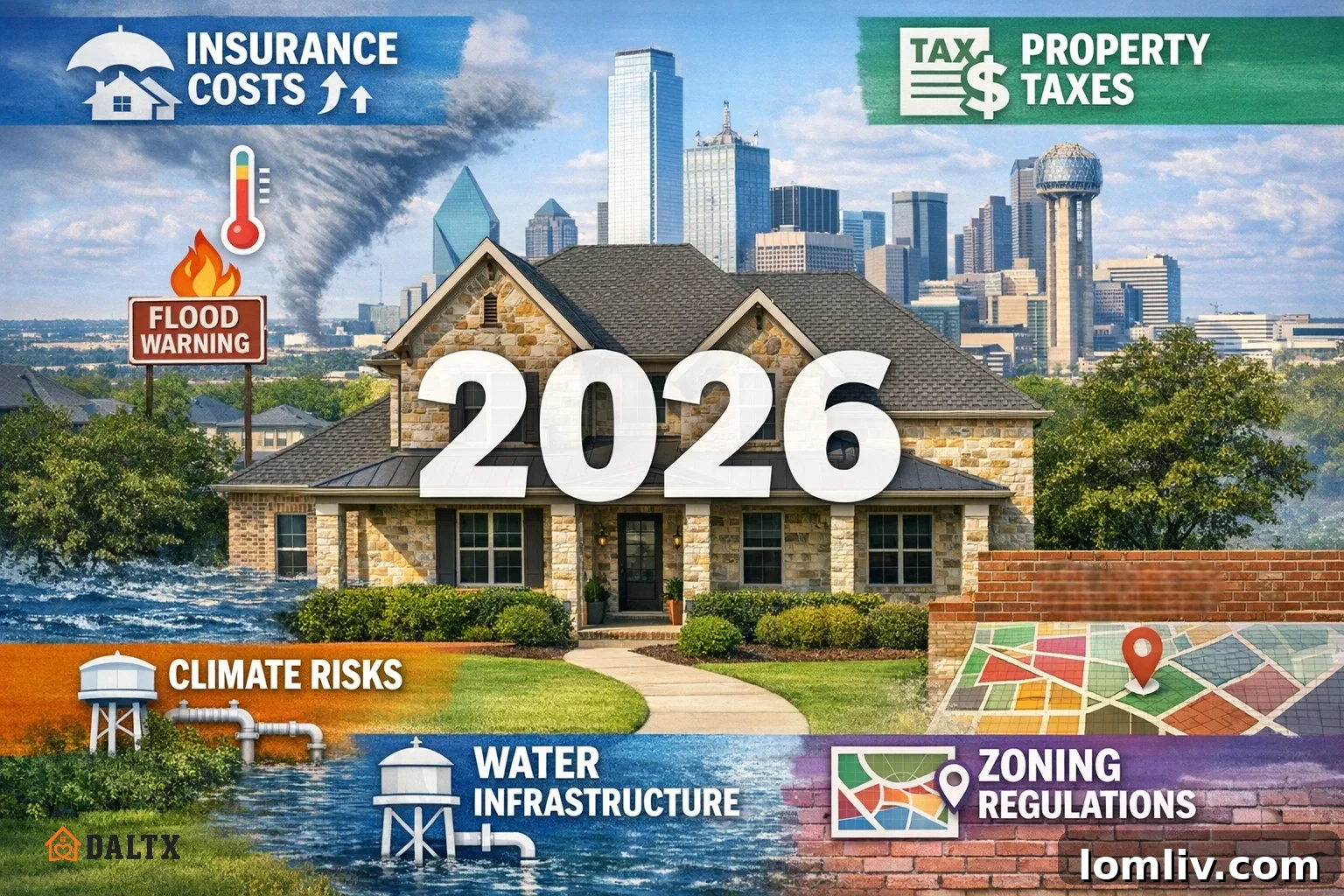
The current housing market is characterized by a persistent and widespread shortage of inventory, a challenge exacerbated by builders struggling to keep pace with escalating buyer demand. As reported by National Mortgage Professional, the rate of new residential construction simply isn’t robust enough to alleviate the supply crunch. Compounding this issue are ongoing affordability pressures—including elevated mortgage rates, high material costs, and labor shortages—which are sidelining a significant portion of potential buyers. Consequently, many shoppers are increasingly turning their attention towards older homes, often not out of preference, but out of sheer necessity and limited alternatives.
Market data clearly indicates that existing homes, particularly those built several decades ago, now constitute a growing share of transactional activity. Inventory within the new construction segment remains critically limited, primarily due to the confluence of higher construction costs, rising land prices, and the aforementioned elevated mortgage rates. These factors have collectively pushed the price point of many newly built homes out of reach for a substantial segment of the household population. Older homes, in contrast, frequently offer an appealing set of characteristics: they are typically situated in established neighborhoods with mature trees, larger lot sizes, and often more central locations that newer developments struggle to match. They may also possess unique architectural character and a sense of history that modern homes often lack.
However, the allure of an older home comes with its own set of potential drawbacks. These properties are often equipped with aging systems—ranging from outdated electrical wiring and plumbing to less efficient HVAC units—that may require significant, and often costly, upgrades or replacements in the near future. There’s also the potential for deferred maintenance or hidden issues like asbestos, lead paint, or foundational problems that a thorough inspection might uncover. On the other hand, new builds offer distinct advantages such as modern layouts, energy efficiency, brand-new systems, and often come with builder warranties, providing peace of mind. But they can also mean smaller lots, less mature landscaping, and locations in rapidly developing areas that may lack established community amenities.
The critical takeaway for today’s low-inventory market is that the age of a home alone should not be the sole determinant in your buying decision. A comprehensive and meticulous home inspection is more crucial than ever, as is a realistic budgeting process that accounts for potential upgrades, repairs, and ongoing maintenance. Understanding the trade-offs between character and condition, and between new construction efficiency and established community charm, will be key to making an informed and financially sound purchase.
Zoning Changes and Future Development: Reshaping Neighborhoods and Investments
The pervasive housing shortage across the United States is prompting policymakers to critically re-evaluate and, in many cases, dismantle long-standing zoning regulations that have historically restricted development. This shift is particularly evident in states experiencing rapid population growth. As highlighted by HousingWire, Texas serves as a prime example of this transformative trend. Similar to other regions in the fast-growing Southeast, the state has undergone an extraordinary population surge, intensifying pressure on its housing supply and driving up affordability concerns.
U.S. Census data reveals that between 2023 and 2024, Texas recorded the highest absolute population growth in the entire country, adding hundreds of thousands of new residents. This rapid expansion has created an urgent need for more housing units, pushing local and state lawmakers to explore innovative zoning reforms aimed at increasing density. These reforms are multifaceted, often including measures that permit the construction of duplexes, triplexes, and even small apartment buildings in areas traditionally reserved exclusively for single-family homes. Other changes involve reducing minimum lot sizes, allowing accessory dwelling units (ADUs) like backyard cottages, and embracing mixed-use developments. The overarching goal is to unlock additional housing supply within existing urban footprints, rather than relying solely on large-scale suburban sprawl.
However, these zoning changes are far from mere bureaucratic adjustments; they carry tangible financial and lifestyle implications for homeowners. On one hand, increased density can often drive up property values, as land becomes more valuable for development, and can also attract more amenities, businesses, and public transportation options to a neighborhood. On the other hand, such changes can dramatically alter the character and feel of a street or community almost overnight, leading to increased traffic, noise, parking challenges, and a potential loss of green space. For existing homeowners, this could mean waking up one day to a four-story apartment complex being constructed next door, fundamentally changing their immediate environment and potentially impacting their privacy and views.
Therefore, it is absolutely vital for prospective buyers to avoid entering a purchase blindly. Before making any commitment, conduct thorough research into local government planning documents. Pull the city’s master plan, review any pending zoning proposals, and investigate recent rezonings in the area. Attend local planning commission meetings or consult with municipal planning departments to understand the future development trajectory of your chosen neighborhood. Understanding these potential changes is not just about avoiding unpleasant surprises; it’s about protecting your investment and ensuring the long-term liveability and desirability of your new home.
FAQs
What is the biggest challenge in real estate right now?
The overarching and most significant challenge in the current real estate market is affordability. This is a multi-faceted issue encompassing more than just high home prices; it also includes rapidly escalating insurance premiums, rising property taxes, and elevated borrowing costs due to higher interest rates. In many regions, the combined weight of these expenses has risen at a rate significantly faster than average household incomes. This widening gap severely limits access for first-time buyers and places considerable financial strain on existing homeowners struggling to maintain their budgets.
What does rezoning mean for homeowners?
Rezoning refers to a formal, legal shift in how a specific piece of land or an entire district is classified by local government authorities. Zoning regulations dictate the permissible uses and types of structures that can be built on a property—for instance, whether it can host only single-family homes, or if it can also accommodate duplexes, apartments, or commercial establishments. When an area is rezoned, the legal uses and development potential of the properties within that zone change, which can have profound implications for property values, neighborhood density, and the overall character of the community.
How old is most US water infrastructure?
A significant portion of the United States’ drinking water infrastructure, particularly its vast network of underground pipes, was constructed during the late 19th and mid-20th centuries. This means that many pipes still in active operation today are between 50 and 100 years old. In some of the nation’s oldest cities, certain sections of the water system are even older, predating modern construction materials and engineering standards. This advanced age contributes to issues like pipe breaks, corrosion, and concerns about water quality.
Ultimately, making an intelligent home purchase in 2026 demands far more than a superficial assessment of layout and location. The decision extends into a complex web of external factors that, while easy to overlook, carry substantial and enduring consequences over time. A home’s long-term value, its security, and its ongoing costs are now inextricably linked to elements like regional climate resilience, the health of local infrastructure, and the evolving landscape of urban planning and regulations. Properties do not exist in isolation; they are deeply embedded within their environmental, social, and political contexts.
Proactive and comprehensive due diligence is no longer merely an advisable step but an absolute necessity. The most robust and secure purchases are those made by buyers who diligently examine the full context of a property, scrutinizing beyond the alluring listing details to understand the broader forces at play. Careful research today serves as the most effective safeguard against unpleasant and costly surprises tomorrow. In this intricate and dynamic market, thorough investigation is not simply an additional task; it is the foundational pillar upon which a solid and enduring real estate investment is built.