

In the first quarter, new developments accounted for roughly 73% of residential sales in Dubai, driven by a limited supply of ready-to-move-in homes in established neighborhoods. As a result, many buyers turned to pre-construction, or “off-plan,” options to access the market more affordably and flexibly.
In Dubai, “off-plan” refers to properties purchased before construction is complete. Buyers commit based on plans, renderings, and project timetables rather than a finished home. While this approach can feel unfamiliar to international buyers, it has become a central part of Dubai’s real estate landscape because it lowers the initial barriers to entry.
Off-plan purchases are particularly attractive for first-time investors. Instead of providing a large lump sum for a finished property, buyers often pay a small booking fee and then make staged payments during construction. These payment schedules can stretch over months or years, making ownership attainable for those who prefer a more gradual outlay. The First-Time Home Buyer Program in Dubai has reinforced this trend, helping more than 2,000 residents purchase their first homes within six months and generating over AED 3.25 billion in residential sales.
Lower Upfront Costs and Easier Entry
One of the main hurdles for new buyers is the immediate cash required for move-in ready homes, including down payments, agency fees, and registration costs. Dubai Land Department (DLD) registration fees are typically 4% of the property value, so buyers should budget accordingly unless a developer promotion covers them.
By contrast, off-plan purchases often require booking amounts around 5% to 10%, followed by staged payments. Some developers offer extended plans spanning several years, while others use ratios such as 60/40, where a larger portion is paid closer to handover. These options do not remove the overall cost of buying but change the timing of payments, which can be critical for buyers who cannot or prefer not to commit large sums immediately.
Developers may also include incentives like waived or subsidized DLD fees, post-handover payment arrangements, or launch pricing. Buyers should still read the Sale and Purchase Agreement carefully, but these incentives help explain why off-plan units often feel more accessible than older resale properties.
Potential for Capital Growth Before Handover
Many first-time investors focus on long-term appreciation. Buying early in a project can secure launch pricing before construction advances and before the wider community develops. If the developer, project, and location are solid, that early entry can create the potential for price appreciation by the time the property is handed over.
However, appreciation is not guaranteed. Dubai’s market is cyclical, and an influx of new supply—especially in areas with many similar apartment units—can pressure prices. The structured payment schedule can help buyers manage finances and build equity without the immediate burden of a full mortgage, making the process less stressful for new investors.
Stronger Buyer Protection Through Escrow Rules
Concerns about project completion and proper use of buyer funds are common with off-plan purchases. Dubai’s escrow regulations address these issues by requiring developers to open a separate escrow account for each project with an approved financial institution. Buyer payments go into that account and are allocated for construction-related costs under DLD and RERA oversight.
This escrow framework provides greater transparency than markets where developer funds are not project-specific. It reduces—but does not eliminate—risk. Buyers can also use Dubai REST and other DLD tools to check project details such as completion percentages, photos, escrow status, and upcoming payments, giving first-time investors clearer visibility into a project’s progress.
Newer Buildings, Better Features, and Fewer Early Repairs
New developments typically include modern features that appeal to renters and buyers: smart-home systems, updated fitness facilities, coworking spaces, enhanced security, upgraded lobbies, and community amenities. Older properties in desirable neighborhoods can remain good investments but often need renovation to match the appeal of new inventory.
New builds also usually come with builder warranties, which reduce the risk of immediate maintenance costs. Buyers should review warranty terms in the purchase contract to understand coverage and reporting procedures. For first-time investors, newer homes can be simpler to rent, manage, and maintain in the early years.
Residency and Visa Benefits
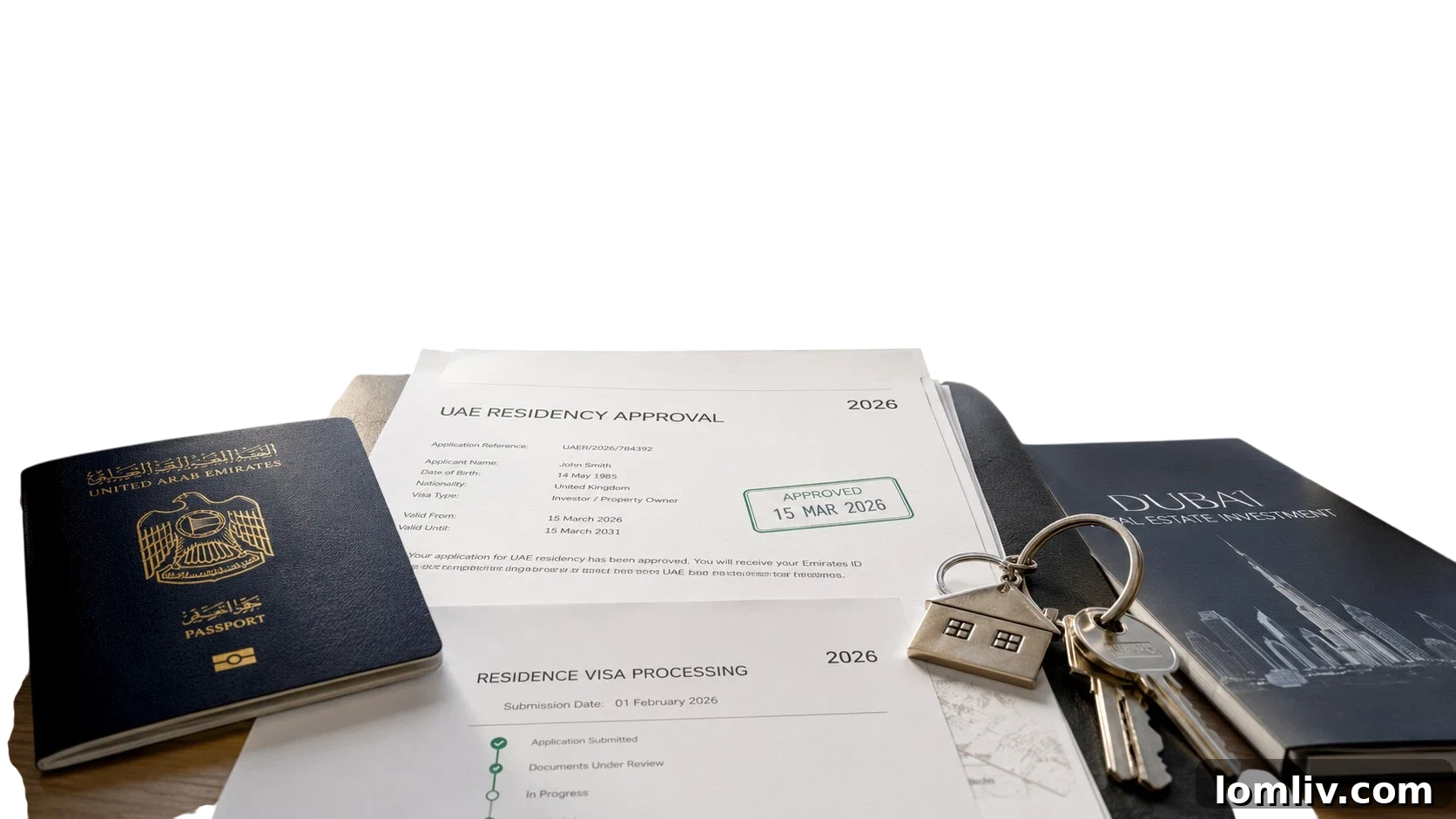
Through programs like Taskeen, eligible property owners can obtain a residency visa simply by owning qualifying real estate, making off-plan purchases attractive for those seeking a long-term base or business presence in the UAE. This benefit is distinct from the 10-year Golden Visa, which the DLD ties to higher property values (typically AED 2 million or more). Buyers should verify current visa requirements before committing.
Top Neighborhoods for First-Time Off-Plan Buyers
Jumeirah Village Circle (JVC) is often the top choice for value-minded investors, offering abundant apartments, good road access, and strong rental demand from young professionals and families. For rental yield-focused buyers, JVC is a common starting point.
Dubai South attracts attention for its long-term infrastructure plans, including the expansion of Al Maktoum International Airport and development around Expo City. The area offers growth potential but requires patience as infrastructure and demand evolve.
Arjan and Majan are alternatives for buyers seeking lower entry points in developing communities. These neighborhoods are still maturing, which can appeal to investors who want to enter before prices reflect planned improvements.
For a premium option, Dubai Creek Harbour provides waterfront living, master planning, and lifestyle amenities, though it typically commands a higher budget. Buyers able to meet the entry point may find this area suited for long-term holds.
A Smart Entry Point, If Buyers Do Their Homework
Off-plan investments offer clear advantages—lower initial costs, flexible payment plans, modern amenities, developer promotions, and escrow protections—but they also carry risks such as construction delays, local oversupply, limited resale liquidity before handover, and differences between marketing materials and finished product.
Success depends on informed decisions: verify the developer’s track record, review escrow and project documentation, understand payment schedules, assess comparable completed projects nearby, and gauge rental demand after handover. When approached with due diligence, off-plan property can be an effective way for first-time investors to enter Dubai’s dynamic real estate market, allowing them to start smaller, pay over time, and position themselves for future growth.