Unseen Forces: Why Minor Operational Lapses Escalate into Major Real Estate Challenges
In the dynamic realm of real estate, the perceived value and performance of a property are often judged by immediately visible attributes such as pristine curb appeal, robust occupancy rates, consistent rent growth, positive leasing momentum, and high resident satisfaction. These outward indicators are undoubtedly crucial. However, beneath this visible facade lies a complex web of operational factors that silently but profoundly influence these results. The efficiency with which a repair request is handled, the unequivocal clarity of a vendor assignment, and the unwavering consistency of follow-through are all foundational elements that collectively shape a property’s performance trajectory over the long term. Neglecting these seemingly minor, ‘behind-the-scenes’ aspects can gradually erode the value and reputation of even the most promising assets.
For a diverse array of stakeholders – including property owners, real estate brokers, astute investors, and diligent property managers – operations transcend mere internal administrative concerns. They are directly interwoven with critical business outcomes, profoundly influencing tenant retention rates, dictating ongoing maintenance costs, shaping the property’s market reputation, and ultimately determining its long-term asset value. A property that might present a strong financial profile on paper can still significantly underperform if recurring issues are addressed inconsistently, or if operational teams lack clear, real-time visibility into pressing tasks and forthcoming needs. This foundational disconnect between perceived and actual operational health underscores the imperative for robust, systematic approaches to property management.
Recognizing these critical linkages, a growing number of forward-thinking property teams are increasingly adopting sophisticated work order management systems. These technological solutions are designed to inject much-needed structure and discipline into the everyday rhythm of property maintenance activity. By centralizing all maintenance requests within a single, unified platform, teams gain the ability to set priorities with greater ease and precision, communication channels become remarkably clearer and more streamlined, and the risk of minor issues morphing into costly, disruptive, and time-consuming problems is substantially mitigated. This proactive shift transforms property operations from a reactive scramble into a strategic, well-orchestrated process that safeguards asset value and enhances stakeholder confidence.
Elevating Resident Satisfaction: The Power of Responsive Maintenance
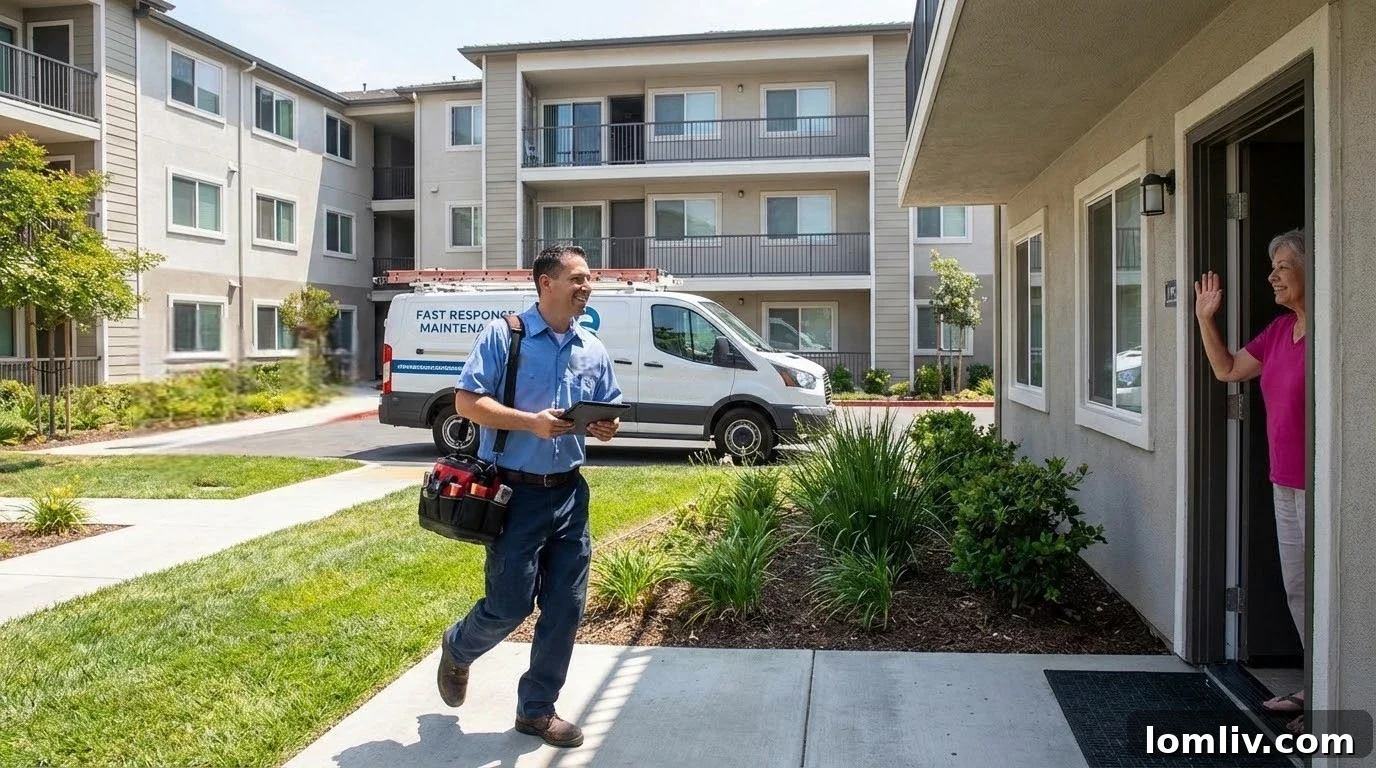
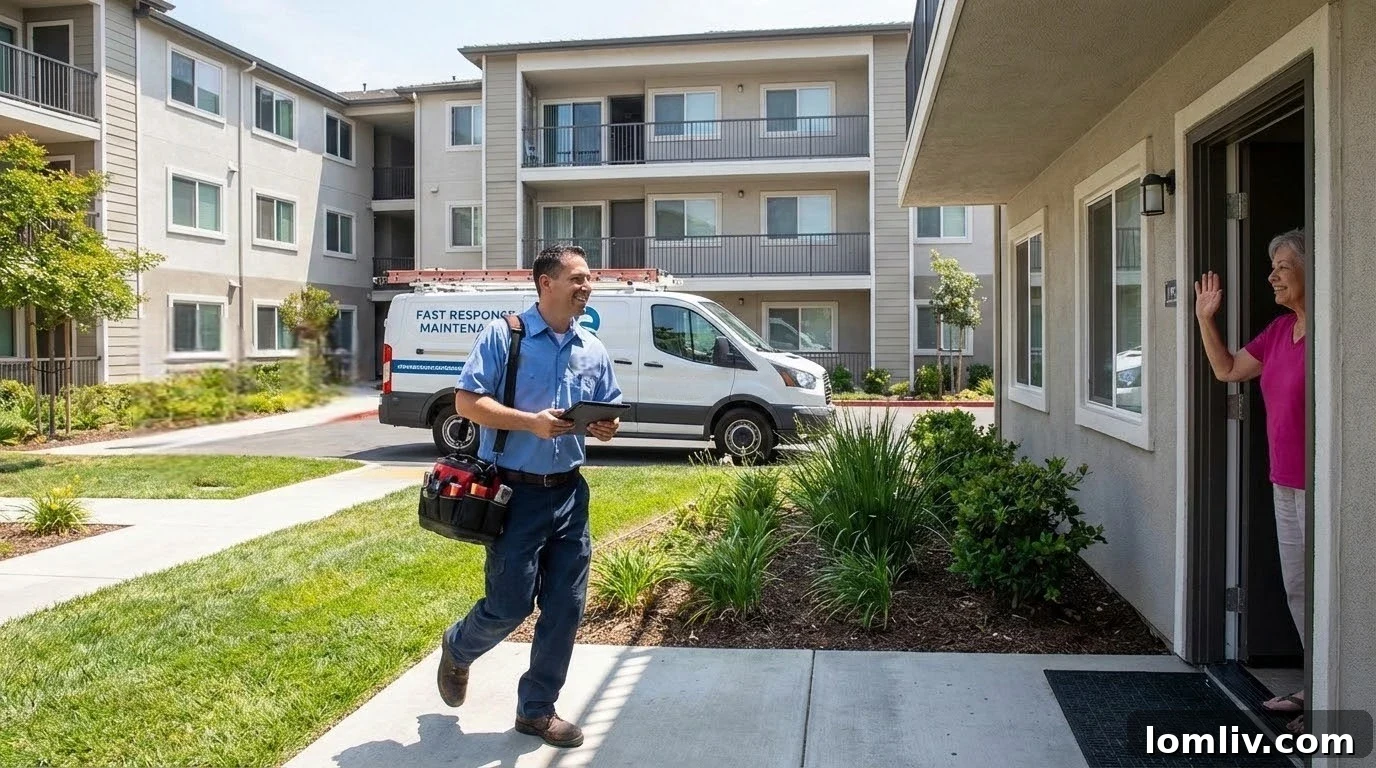
While residents may not directly scrutinize the intricate operational systems governing their living spaces, they are acutely aware of the tangible outcomes these systems produce. Consider the scenario of a leaking faucet, a malfunctioning entry gate, or a sudden air conditioning failure. When such issues are addressed and resolved with remarkable speed and professionalism, residents’ confidence in the property management team flourishes, fostering a sense of security and reliability. Conversely, when updates are vague or delayed, or when maintenance requests seemingly vanish into a chaotic mess of scattered messages and forgotten emails, frustration quickly mounts, eroding trust and creating a negative living experience.
This dynamic is far from trivial; resident perception directly influences several critical business metrics for property owners and managers. It plays a significant role in lease renewal rates, impacts valuable resident referrals, and contributes fundamentally to the overall stability and positive reputation of the community. In today’s intensely competitive rental markets, prospective and current tenants alike meticulously compare not only pricing structures and the array of amenities offered but also the consistent reliability and speed with which a property responds when issues inevitably arise. Consequently, fast, efficient, and impeccably organized service transcends a mere operational detail; it becomes an integral and compelling component of the property’s unique value proposition, setting it apart from competitors.
For these compelling reasons, the cultivation of robust operational discipline must be strategically reframed not as a mere maintenance function or an administrative chore, but as an indispensable business strategy. The implementation of clear, intuitive request intake procedures, combined with accurate and timely scheduling, and the consistent, timely completion of all tasks, collectively contribute to creating a superior day-to-day experience for every individual residing within the property. This holistic approach to operational excellence ensures that tenant satisfaction is not an afterthought but a central pillar of the property’s long-term success, directly impacting its financial health and market standing.
Clarity Breeds Confidence: How Improved Visibility Drives Smarter Decisions
A persistent and pervasive challenge in property operations often stems from a fundamental lack of a comprehensive, overarching picture of ongoing activities. A property manager, for instance, might be fully aware of the problems reported on a given day, yet still grapple with a complete understanding of overdue tasks, recurring systemic issues, the real-time capacity of their technical staff, or critical vendor bottlenecks impacting multiple properties or even an entire portfolio. In the absence of such holistic visibility, decision-making inevitably becomes reactive, characterized by crisis management rather than proactive strategic planning.
The implementation of a more organized, centralized operational system fundamentally transforms this landscape. Such a system empowers teams to precisely track the status of all open maintenance requests, meticulously monitor completion times, and accurately identify recurring patterns or specific areas where delays most frequently occur. Crucially, it also meticulously constructs a reliable, auditable record of every action taken: what was done, exactly when it was done, who performed the work, and what resources (parts, labor, external vendors) were required. Over time, this rich repository of operational data evolves into an invaluable source of deep, actionable insights, transcending anecdotal observations.
Rather than relying on fallible memory, fragmented informal updates, or educated guesses, property managers can systematically review historical patterns, analyze performance metrics, and leverage data-driven insights to make far smarter, more informed decisions. These critical decisions span a wide array of areas, including optimized staffing levels, strategic contractor relationship management, the implementation of proactive preventive maintenance schedules, and more accurate, data-backed budgeting for operational expenditures and capital improvements. This is particularly vital in the real estate sector, where profit margins can swiftly diminish when maintenance problems compound or become chronic.
Furthermore, enhanced visibility provides leadership with a clearer, more objective basis for comparing the operational performance of different properties within a portfolio, pinpointing specific service gaps, and strategically allocating resources. It enables them to identify precisely where operational improvements will yield the greatest financial return and the most significant positive impact on resident experience. While better information cannot eliminate every challenge inherent in property management, it dramatically reduces guesswork, empowers teams to respond with significantly more confidence, and fosters a consistency that benefits all stakeholders from day one, laying the groundwork for sustained operational excellence and superior asset performance.
Scaling Success: The Indispensable Role of Consistency Across Growing Portfolios
What proves effective for managing a single, small property or a limited number of units often fails spectacularly when a real estate portfolio begins to expand significantly. A handful of units might, for a time, be managed through informal text messages, hastily jotted handwritten notes, or rudimentary spreadsheet trackers. However, the moment an organization begins to manage more properties, serve a larger resident base, and oversee an increasing number of maintenance technicians and external vendors, these informal, ad-hoc systems inevitably break down, giving rise to confusion, inefficiency, and a precipitous decline in service quality.
Sustained growth in real estate portfolios absolutely necessitates the establishment of robust, repeatable processes. Operational teams require consistent, standardized methods for logging incoming maintenance requests, accurately classifying their urgency, assigning clear lines of responsibility for each task, and ensuring the proper close-out of every job. This level of standardization is paramount; it drastically reduces the probability of missed tasks, prevents critical issues from falling through the cracks, and most importantly, helps to guarantee that the quality of service delivery remains uniformly high and does not vary dramatically or unpredictably from one property to another within the portfolio. Such consistency is a hallmark of professional, scalable property management.
Beyond maintaining service quality, this operational consistency also significantly supports smoother and more efficient onboarding processes for new team members. When processes are clearly defined, documented, and universally applied, new hires can adapt to their roles much faster, contributing productively sooner and reducing the learning curve. For ownership groups and investors, uniform reporting and consistent operational standards across all assets instill greater confidence, allowing for more accurate performance benchmarking and strategic decision-making. In a business environment where disciplined operations directly impact both the critical metric of resident satisfaction and the long-term preservation of valuable assets, consistency is not merely a preference—it is a formidable competitive advantage that underpins lasting success and profitability.
Streamlining External Partnerships: Simplified Vendor Coordination with Integrated Systems
Property management teams frequently rely on a diverse ecosystem of outside vendors and specialized contractors for a wide range of essential services, including but not limited to plumbing repairs, electrical system maintenance, meticulous landscaping, comprehensive security services, critical roofing repairs, and various other specialty trade tasks. Efficiently coordinating these numerous external partners can present a significant operational hurdle, especially when crucial information is incomplete, fragmented, or scattered across multiple disparate communication channels—from emails and phone calls to text messages and informal notes. This fragmentation often leads to costly miscommunication, resulting in unnecessary delays, redundant vendor visits, and avoidable expenditures that directly impact the property’s bottom line.
The implementation of a centralized, integrated process for vendor management fundamentally addresses these challenges. Such a system ensures that external vendors receive comprehensive and accurate details from the very outset of a service request. This includes precise location information, a detailed description of the issue at hand, a clear indication of urgency, specific access instructions for the property, and explicit scheduling expectations. By providing all necessary information proactively, the likelihood of errors, misunderstandings, and follow-up queries is dramatically reduced, accelerating service delivery.
Concurrently, internal property teams gain a vastly improved and more efficient method for monitoring the progress of all pending jobs, tracking the vendor’s timeline, and definitively confirming whether the work was completed to the required standards and specifications. This transparency fosters greater accountability for both internal staff and external partners. It’s precisely in this area that modern technology becomes an especially invaluable asset. Advanced work order and vendor management platforms are engineered to streamline the entire lifecycle of requests, from initial task assignments and real-time status tracking to automated notifications and digital invoicing. This technological integration empowers both internal property teams and external vendors to maintain perfect alignment and seamless communication without needing to rely on fragmented, error-prone, or manual communication methods, thereby optimizing efficiency, reducing costs, and enhancing overall service quality.
The Long-Term Advantage: How Preventive Thinking Safeguards and Enhances Asset Value
While many real estate professionals often direct their primary focus towards highly visible capital improvements, such as major renovations or aesthetic upgrades, the less glamorous but equally critical discipline of everyday property maintenance plays an absolutely paramount role in diligently protecting and enhancing long-term asset value. The insidious truth is that small, seemingly insignificant unresolved issues—a persistent drip, a minor crack, a flickering light—can, over time, accelerate wear and tear on critical building components, create unforeseen safety hazards for residents and staff, and ultimately escalate into far more extensive, complex, and expensive repairs down the line. A reactive approach, constantly responding to crises as they emerge, invariably proves to be significantly more costly and disruptive than a well-planned, proactive maintenance strategy.
An organized and strategically implemented operating approach makes it considerably easier for property teams to identify and track repeat problems, systematically schedule routine service and inspections, and meticulously document the ongoing health and performance of critical building components and systems. This proactive shift means that instead of property managers and maintenance teams being perpetually trapped in a cycle of rushing from one urgent, unplanned task to another, they can strategically allocate more time and resources towards preventing disruptions before they ever have the chance to negatively impact residents’ quality of life or strain tight operational budgets. This transition from ‘firefighting’ to ‘fire prevention’ is a hallmark of sophisticated property management.
This fundamental shift in mindset and methodology holds immense significance because strong, consistent property performance is inextricably linked to operational stability. Buildings that are consistently and meticulously maintained tend to preserve their market appeal more effectively, foster greater tenant confidence and loyalty, and crucially, avoid the operational chaos and unexpected financial burdens that can severely undermine long-term investment returns. By embracing preventive thinking and leveraging structured systems, property owners and managers not only protect their assets from degradation but actively position them for sustained value appreciation and competitive advantage in the real estate market.
Foundations of Excellence: How Strong Operations Silently Fortify Real Estate Performance
In the intricate and often demanding world of property management, the most profoundly valuable improvements are not always the dramatic, highly visible transformations. More often than not, they emerge from quieter, systemic changes that subtly but effectively reduce friction in daily operations, dramatically improve accountability across all levels, and empower teams to respond to challenges with newfound confidence and efficiency. A meticulously organized and strategically managed maintenance program stands as a prime example of such a transformative, yet often understated, change.
When maintenance requests are made effortlessly traceable and resolvable, the benefits ripple throughout the entire property ecosystem. Residents feel genuinely supported and valued, knowing their concerns are addressed promptly and effectively. Operational teams work with significantly greater efficiency and less stress, free from the burden of chaotic, informal systems. Simultaneously, property owners and investors gain unparalleled, transparent insight into the real-time operational health and performance of their assets, enabling data-driven strategic planning. Over time, these seemingly incremental benefits accumulate into substantial, measurable advantages: stronger tenant retention rates, significantly fewer unpleasant surprises and costly emergencies, and robust, enduring protection of property value.
For real estate businesses committed to achieving and sustaining lasting performance, the establishment of a rigorous operational structure is far from being a mere back-office detail or an administrative overhead. Instead, it is an indispensable, foundational pillar that underpins and actively supports a sterling reputation in the market, drives unparalleled operational efficiency, and creates the essential conditions for sustainable, profitable growth. Investing in superior operations is not just about fixing things; it’s about building a resilient, high-performing real estate enterprise that stands the test of time and market fluctuations.