The real estate market is constantly evolving, with some areas experiencing a natural cooling period rather than a slowdown. This shift, often described as a return to normalcy, hasn’t halted the construction of new homes, particularly those in the luxury segment. Having recently toured several newly built properties listed above the $1 million mark, I’ve been consistently surprised by what’s often missing. My observations aren’t about extravagant features like mink toilet seats or diamond-studded coffee makers; instead, they focus on more fundamental, yet overlooked, elements that should be standard in high-end residences.
This article compiles an unofficial list of relatively inexpensive features and design considerations that should be inherently present in newly constructed homes exceeding $1 million. These are the details that truly define luxury, comfort, and intelligent design.
The Undeniable Appeal of Recessed Motorized Shades in Luxury Homes
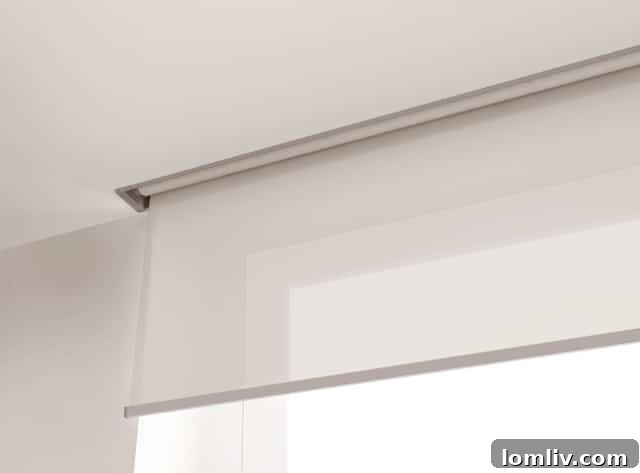
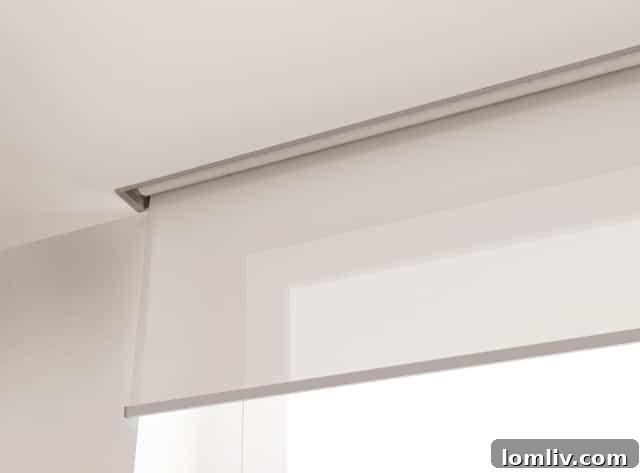
Even at a fraction of the $1 million price point, many homeowners are already embracing the convenience of motorized shades. The seamless integration of these systems begins with thoughtful construction. In my own 1960s-built residence, the original builder wisely incorporated ceiling recesses, allowing shades to retract completely for an uninterrupted ceiling line. This foresight, originally aimed at minimizing light bleed and darkening rooms, especially bedrooms, made my recent renovation simple: extending electrical wiring to these pre-existing recesses was a minor undertaking when walls were open.
For a new luxury home, builders should recognize that the inclusion of recessed electrical outlets within window frame recesses is a minimal cost with significant appeal. If the builder isn’t installing motorized shades as standard, providing the infrastructure for future installation is a small investment that adds immense value. Discerning buyers in this price range expect such meticulous attention to detail, appreciating the potential for smart home integration, enhanced privacy, energy efficiency, and a pristine aesthetic that exposed hardware simply cannot match.

Smart Toilets: The Future of Bathroom Luxury and Hygiene
Japan has gifted the world many innovations, from iconic cultural phenomena like Godzilla to practical technologies such as the Walkman. More recently, they’ve revolutionized personal hygiene with sophisticated smart toilets, exemplified by brands like Toto Neorest. These advanced fixtures elevate the bidet experience to Bidet 2.0, offering a discreet wand that extends to provide a gentle, warm, oscillating, or pulsating water cleanse for both front and rear, followed by a warm-air dry. The experience is completed with a post-cleanse deodorizer, all controlled via a sophisticated remote. For those seeking ultimate indulgence, even a $1,470 chrome remote control stand is available.
While full Neorest units can range from $5,000 to $13,000, and thus may not be a standard expectation, the more accessible Washlet toilet seats offer comparable bidet functions for $500 to $1,200. These smart seats can be easily retrofitted onto conventional toilets. What should absolutely be standard in a luxury new-build is an electrical outlet conveniently positioned near the toilet. This tiny, inexpensive addition allows future homeowners the flexibility to install a Washlet or a full smart toilet without costly electrical work. Moreover, in a tech-driven world, this outlet provides a convenient charging point for mobile devices, even if a smart toilet isn’t installed immediately.
Essential Bathroom Functionality: The Humble Shampoo Niche
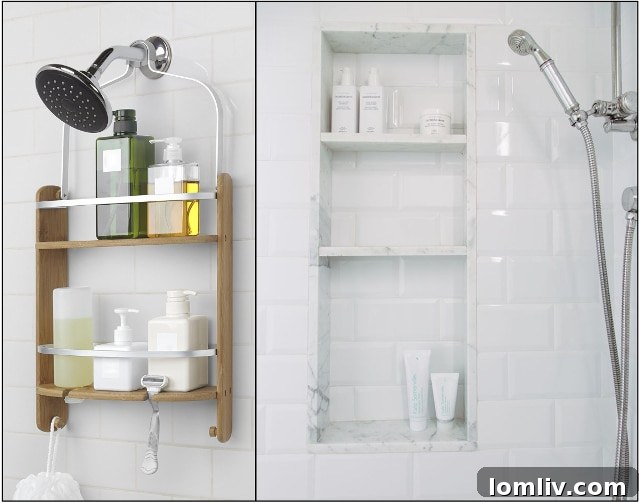
It’s astonishing that in high-value new construction, a basic feature like a shampoo niche in a shower or bathtub is often overlooked. This isn’t merely a minor oversight; it’s a fundamental flaw that indicates a lack of attention to practical living. Just two weeks ago, I encountered a newly built home priced over $1 million where none of its three bathrooms offered a designated space for shampoo, conditioner, or soap, leaving homeowners with the floor as their only option. This glaring omission forces buyers to consider improvised solutions like cheap shower caddies, detracting significantly from the luxury experience. A well-designed shampoo niche, integrated seamlessly into the shower wall, is a minimal expense during construction but provides invaluable convenience and contributes to a clean, uncluttered aesthetic that resonates with luxury buyers.

Optimizing Bathroom Illumination: Beyond Ceiling Spotlights
Effective bathroom lighting extends far beyond simple ceiling spotlights. While these can provide ambient light, they often cast harsh, unflattering shadows, particularly over the face. For daily grooming, applying makeup, or simply ensuring a flattering reflection, multi-directional lighting is paramount. The goal should be to minimize shadows and provide an even glow, much like professional studio lighting. Relying solely on overhead fixtures creates the inverse effect of holding a flashlight under your chin, accentuating undesirable shadows and diminishing visibility.
In a home priced over $1 million, it’s reasonable to expect builders to incorporate a combination of lighting sources. This includes eye-level sconces flanking mirrors, or elegant pendant lights, which provide crucial front-facing illumination. These additions are not just about aesthetics; they significantly enhance functionality and the overall user experience. A “clean” or minimalist design should never come at the expense of usability, especially in a private space like a bathroom where personal care is a primary function.

The Luxury of Clean Water: In-Home Purification Systems
In an era where health and wellness are paramount, the expectation of clean, great-tasting water directly from the tap in a luxury home is increasingly standard. Despite widespread environmental concerns about single-use plastics, many still resort to bottled water due to unpleasant tap water taste or odor. The simple, effective solution for high-end residences is a built-in water purification system in the kitchen.
For a relatively modest investment of a few hundred dollars, a reverse osmosis (RO) system can be discreetly installed under the kitchen sink, with a dedicated faucet elegantly placed on the counter. This provides a continuous supply of purified water, eliminating the need for bulky Brita pitchers or an endless stream of plastic bottles. Builders often omit this essential feature, at best offering to drill a hole for a future faucet. In a $1 million+ home, shouldn’t buyers expect this level of convenience and quality from day one? Providing instant access to purified water enhances daily living, promotes health, and aligns perfectly with the premium lifestyle luxury homes are meant to offer.
Intelligent Space Allocation: Maximizing Expansive Living Areas
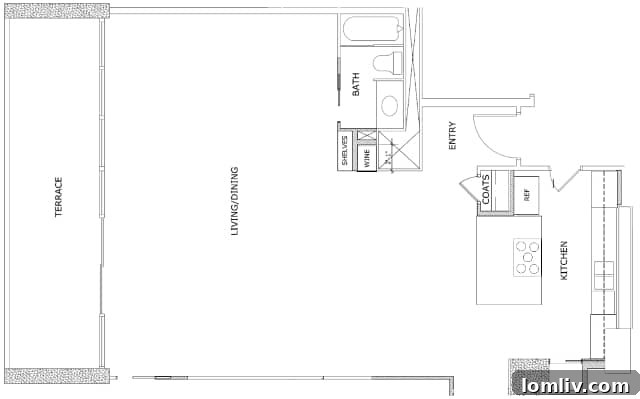
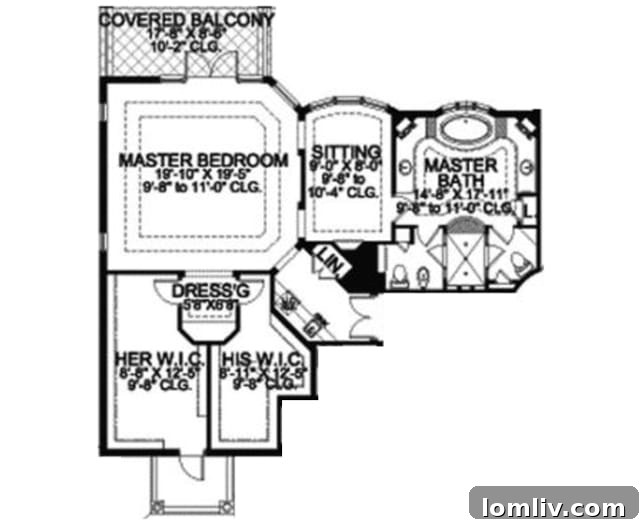
The expectation with a $1 million-plus home is generous square footage. Yet, it’s surprising how often these grand residences can feel constrained or poorly utilized due to inefficient space allocation. Common culprits include oversized master suites that consume disproportionate square footage compared to communal living areas, walk-in closets that could house small boutiques, or elaborate hallways and entryways designed more for dramatic effect than practical utility. This misallocation ultimately diminishes the perceived spaciousness and functionality of the home.
Many architectural plans, perhaps influenced by outdated design principles or simply a lack of critical thinking, seem to neglect the fundamental question: Where do occupants spend the majority of their time? In today’s world, with the rise of remote work and a greater emphasis on family time, expansive, multi-functional living, dining, and kitchen areas are paramount. For instance, my own 1,900 square-foot home dedicates well over half its space to a combined living/dining/office/kitchen area, reflecting actual usage patterns. While master bedrooms and their accompanying amenities are important, an obsession with creating a 2,400 square-foot master suite, as boasted by one recently toured home, often comes at the expense of vital common areas or other bedrooms. Intelligent design dictates prioritizing the spaces where life truly happens, ensuring comfort, flow, and genuine spaciousness.
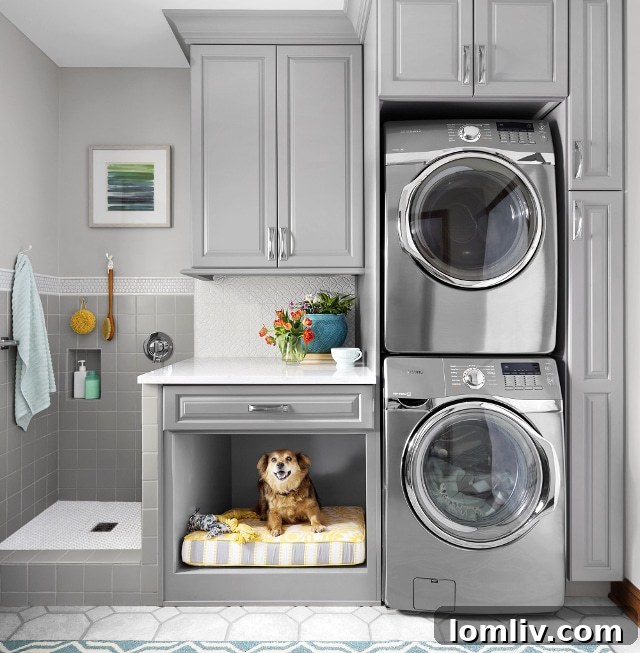
The Practicality of a Bedroom-Level Laundry Room
This point should be self-evident for any modern home, let alone a luxury residence. It defies logic when a multi-story home, with all bedrooms located on an upper floor, positions the laundry room inconveniently on the ground floor, often tucked away near the garage. Such a design necessitates carrying heavy baskets of laundry up and down stairs, adding unnecessary effort to a routine chore. Furthermore, the absence of a laundry chute, sometimes due to its potential placement in the middle of a master bedroom, further highlights a fundamental design flaw.
In luxury homes, where convenience and ease of living are paramount, a laundry room on the same level as the bedrooms is a non-negotiable feature. This sensible placement minimizes physical strain, streamlines household tasks, and reflects a builder’s understanding of contemporary lifestyle needs. It’s a simple yet profoundly impactful design choice that enhances daily comfort and the overall livability of a home.
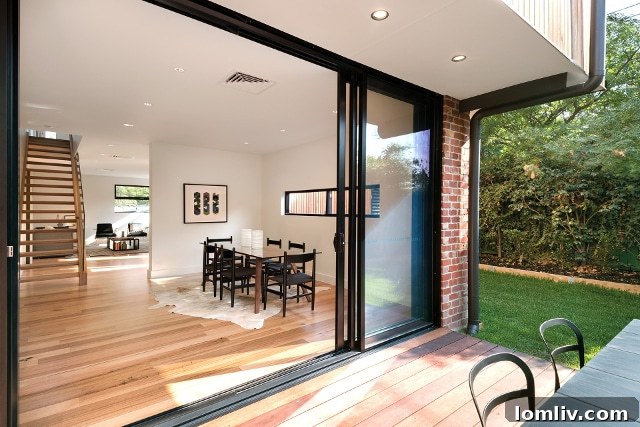
The Imperative of Properly Installed Windows
Regardless of a home’s price point, impeccable workmanship should be a given. This principle becomes even more critical in million-dollar-plus properties. I recently inspected another newly built, single-family luxury home featuring an impressive wall of stacked windows opening to the yard—a truly wonderful design concept. However, this aesthetic appeal was marred by improper installation. A clear sag in the middle of the window frame was visibly apparent, suggesting either a trim malfunction or a more serious structural issue. Poor workmanship, particularly in critical structural elements like windows, is unacceptable.
Properly installed windows are vital for several reasons: they ensure structural integrity, prevent energy loss, enhance sound insulation, and maintain the aesthetic quality of the home. Any visible defect or compromise in installation quality in a luxury home is a glaring red flag, indicating a lack of attention to detail and potentially compromising the long-term value and comfort of the residence. Buyers of high-end properties deserve and should demand flawless execution in every aspect of construction.
A Call to Builders: Embrace the Efficiency of Flats
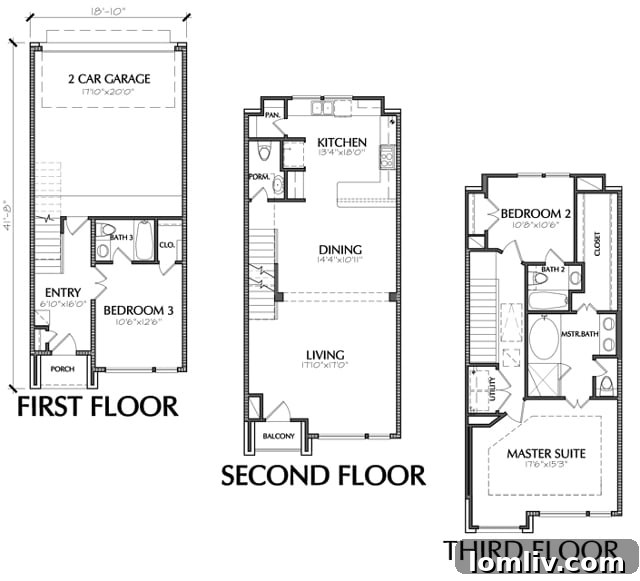
The housing market, particularly in urban and suburban developments, often defaults to the ubiquitous three-story townhouse. These typically feature a ground-floor garage and guest bedroom, a middle level dedicated to living, dining, and kitchen areas, and additional bedrooms on the top floor, all connected by space-consuming staircases. While high-rises effectively offer single-level living in the sky, and ranch homes provide it on the ground, the townhouse model frequently sacrifices usable square footage for vertical circulation. A 2,000 square-foot single-story flat, for example, might feel significantly more spacious and functional than a 2,400 square-foot townhouse that loses space to multiple staircases.
I’ve often challenged townhouse builders on why they don’t construct more flats. The two-car width of a typical townhouse can rarely replicate the open, generous feel of a single-floor layout. Examples like Vallera at 3818 Holland, the Alix at 4107 Bowser, or the newly built 3923 Cole Avenue in Oak Lawn demonstrate the superior efficiency and comfort of single-level residential units above ground-floor parking. Their floorplans feel more expansive and intuitive precisely because they eliminate internal staircases.
While some first-time homebuyers might view stairs as a symbol of homeownership, this perspective is limiting and far from universal. Many demographics, including empty nesters, young families, and those seeking long-term accessibility, highly value single-level living. Dallas, like many growing cities, is being saturated with homogenous, randomly styled quad- and quint-plex townhouses on what were once single-family plots. Builders have an opportunity to diversify their offerings, inject visual interest into neighborhoods with varied architectural forms, and cater to buyers who prioritize horizontal living over vertical climbs. The end result is the same salable square footage, but with enhanced appeal and broader market reach. Sticking to the same blueprint is simply a missed opportunity.
The ultimate takeaway from this discussion is clear: while all the items listed above should undeniably be present in any new-build home costing more than $1 million, they are also highly desirable and, in many cases, easily achievable in more moderately priced constructions. The most expensive of these suggestions typically costs no more than a few hundred dollars to implement during the initial building phase, yet they contribute significantly to a home’s functionality, comfort, and perceived luxury.

Remember: High-rises, HOAs, and renovation are my areas of focus. I also hold a deep appreciation for modern and historical architecture, always balancing these against the principles of the YIMBY movement. My writing has been recognized by the National Association of Real Estate Editors, earning three Bronze (2016, 2017, 2018) and two Silver (2016, 2017) awards in 2016, 2017, and 2018. If you have a compelling story or even a marriage proposal, feel free to reach out via email at [email protected]. You’re welcome to search for me on Facebook and Twitter, though you may find me elusive!