Welcome to “Upon Closer Inspection,” a weekly series brought to you by the meticulous experts at Green Scene Home Inspections, exclusively for Daltxrealestate.com readers. Our mission is to empower prospective homeowners with crucial insights into the intricate world of property inspection. Join us as we reveal what our seasoned inspectors uncover, ensuring you make informed decisions on your home-buying journey.
When embarking on the exciting yet complex journey of purchasing a new home, certain elements demand paramount attention. We refer to these as the “Big 5”: the roof, plumbing systems, electrical infrastructure, HVAC (heating, ventilation, and air conditioning), and the foundation. These critical components are the lifeblood of any property, and overlooking potential issues within them can lead to significant, often costly, repairs down the line. A thorough assessment of each of these areas is not just a recommendation; it’s an absolute necessity for peace of mind and financial security.
This week, our dedicated inspectors are taking you high above the Dallas-Fort Worth metropolitan area, offering an insider’s view of some of the most common, yet frequently missed, roofing issues. From minor wear and tear to critical installation flaws, understanding these problems can be the difference between a smooth transition into your new home and an unwelcome cascade of expenses.
Uncovering the Unseen: Why Ground-Level Views Fall Short
The roof, often considered merely a protective shield, is a complex system requiring expert evaluation. Inspector Brian, one of our most experienced team members, consistently emphasizes the critical importance of having a professional roof inspection for any home you intend to purchase. While many potential buyers might feel confident with a quick visual scan from the ground, the reality is that the most significant problems are frequently out of sight.
At Green Scene Home Inspections, safety is our top priority. Our inspectors adhere strictly to industry regulations regarding what constitutes a safe roof to physically traverse. This means that steeply pitched roofs, unusually high structures, or those exhibiting visible signs of instability often cannot be safely walked upon. In such challenging scenarios, modern technology offers an invaluable solution: drone inspections. A high-definition drone can navigate treacherous angles and soaring heights, capturing detailed imagery of every shingle, flashing, vent, and chimney. This state-of-the-art approach allows our inspectors to identify granular loss, missing or damaged shingles, compromised flashing, clogged gutters, and early indicators of water intrusion that are simply impossible to detect from the ground. Investing in this level of detail ensures no potential issue goes unnoticed, protecting your investment and preventing future headaches.
The Perils of Poor Craftsmanship: When Roofing Falls Short
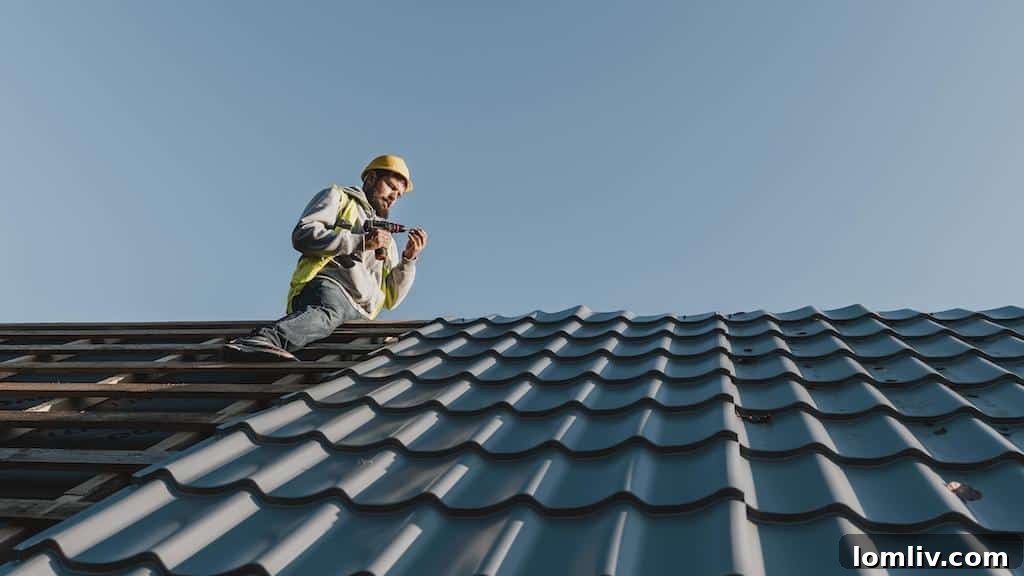
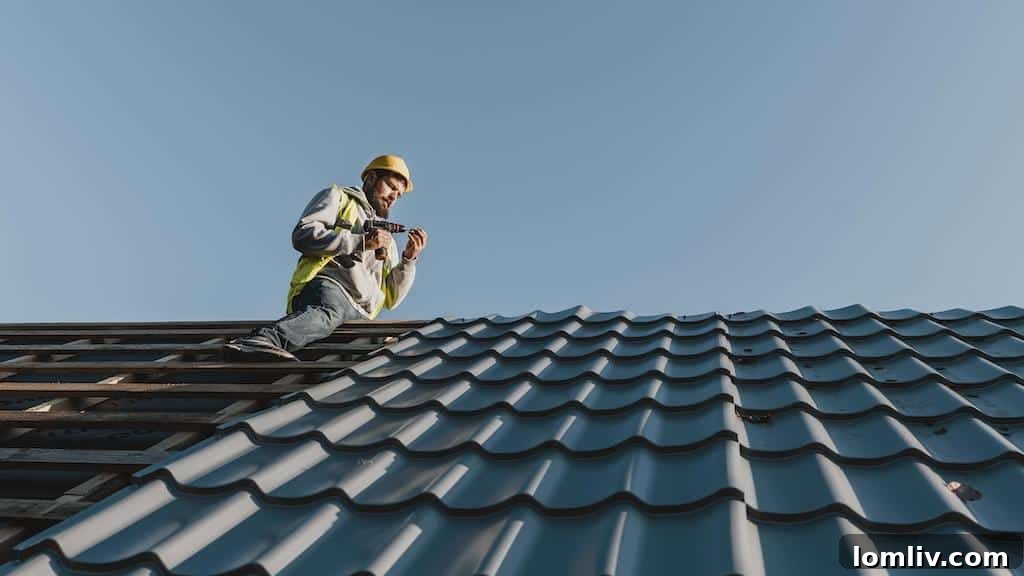
One of the most concerning discoveries our inspectors often make is substandard or outright incompetent roof installation. What might appear as a minor aesthetic flaw can quickly escalate into a catastrophic failure, leading to water damage, mold growth, and structural compromise. The example captured in the video below serves as a stark reminder of why professional oversight during installation, or a thorough inspection afterward, is non-negotiable.
When roofing materials, such as metal panels or shingles, “didn’t quite reach” or are improperly overlapped, it creates direct pathways for water penetration. This isn’t just a minor leak; it’s a fundamental breach in the home’s protective envelope. Consequences range from immediate interior damage, like stained ceilings and walls, to long-term issues such as rotting sheathing, compromised attic insulation, and even electrical hazards if wiring is exposed to moisture. A poorly installed roof dramatically shortens its lifespan, necessitating premature and expensive replacements. This scenario is a classic “shake my head” (SMH) moment for our inspectors, highlighting a profound lack of attention to detail and professional standards.
Critical Flashing: The Gateway to Water Intrusion
Proper installation of roofing materials extends far beyond just laying shingles or panels. Every penetration point on a roof—from vent stacks and chimneys to skylights and dormers—requires meticulous attention to detail, particularly concerning flashing. Flashing, typically made of metal, serves as a waterproof barrier, directing water away from vulnerable areas. When flashing is improperly installed or entirely absent, it transforms these essential elements into direct conduits for water into your home.
Consider the example of a vent stack. For proper water diversion, the flashing surrounding a vent stack should be integrated underneath the uphill shingles and over the downhill shingles, creating a shingle-over-flashing-over-shingle layered effect. This design ensures that water flows seamlessly over the flashing and onto the roofing surface below, preventing it from seeping into the roof deck. The homeowner’s “solution” depicted in our next video illustrates a common, yet utterly ineffective, attempt at a fix. Such DIY approaches, born out of a lack of understanding or an attempt to cut corners, can lead to severe water damage, structural rot, and extensive mold growth, causing our inspectors to quite literally smack their heads in disbelief.
A Recurring Nightmare: Same Day, Different Roof
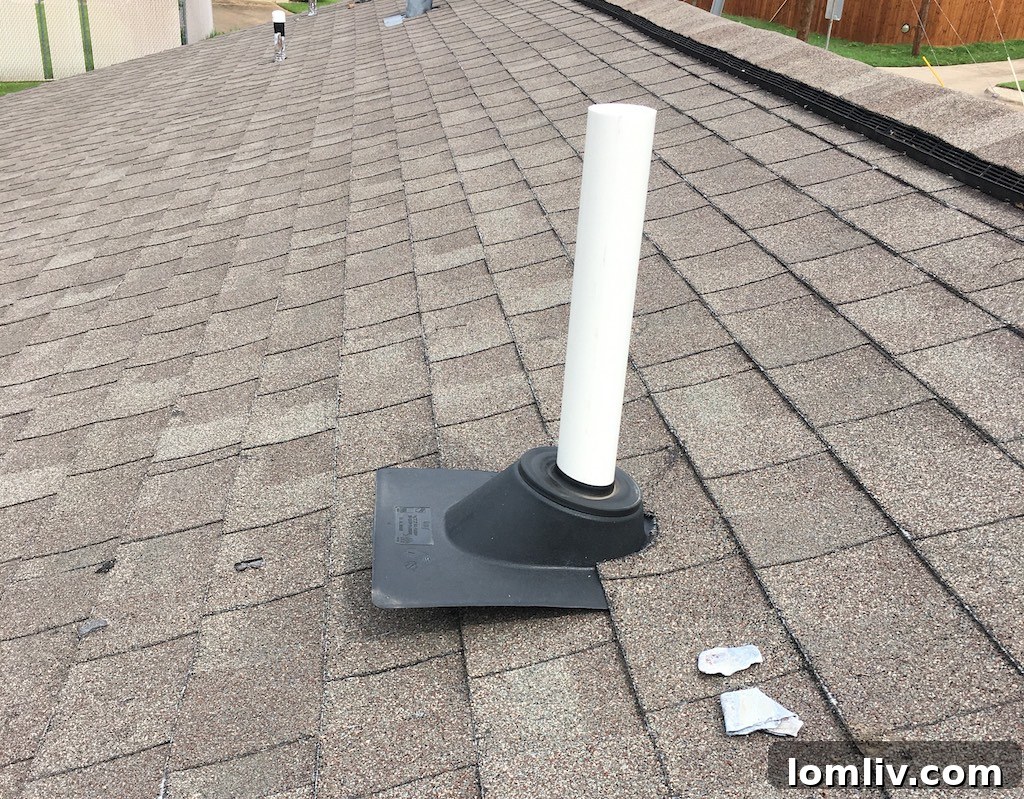
In a testament to the prevalence of improper roofing practices, the very same inspector from the previous video encountered yet another glaring example of a poorly installed vent stack on a different property later that day. His wry comment, “They must have run out of bricks,” perfectly encapsulates the shocking lack of proper materials and technique evident in such installations. This isn’t an isolated incident; it’s a widespread problem that underscores the vital role of a meticulous home inspection.
These recurring issues highlight a significant distinction between various types of property evaluations. While a roofer might focus primarily on shingle integrity and potential repair opportunities, and an insurance adjuster on damage claims following a storm, neither typically provides the comprehensive, unbiased assessment offered by a professional home inspector. A home inspector’s purview extends to every element on the roof: vent stacks, chimneys, rain gutters, flashing around all penetrations (including skylights and dormers), fascia, soffits, and the overall condition of the roofing material itself—looking for signs of age, granule loss, missing shingles, storm damage, and even tree-related wear.
Our goal is to provide you with a complete, holistic view of the roof area, identifying not only existing problems but also potential vulnerabilities that could lead to future expenses. This thorough approach empowers you as a homebuyer, giving you the necessary leverage for negotiations or the confidence to proceed with your purchase.
Beyond the Shingles: What a Comprehensive Roof Inspection Covers
A truly thorough roof inspection involves more than just identifying glaring errors like missing shingles or visibly botched flashing. Our Green Scene inspectors delve into numerous details that collectively determine the roof’s overall health and longevity. We assess the general condition and age of the roofing material, noting signs of wear such as curling, blistering, cracking, or excessive granule loss on asphalt shingles. For other materials like tile or metal, we look for cracks, rust, loose fasteners, or warping.
Furthermore, we meticulously inspect all roof penetrations and protrusions. This includes not only vent stacks and chimneys but also skylights, attic fans, satellite dishes, and any other elements that break the roof’s surface. Each of these points is a potential entry for water if not properly sealed and flashed. We check the integrity of chimney caps, flashing, and mortar joints, as well as the functionality and attachment of rain gutters and downspouts, ensuring they direct water away from the foundation efficiently. The condition of fascia and soffits, crucial for protecting the eaves and providing attic ventilation, is also carefully examined for signs of rot, pest entry, or water damage. Our comprehensive approach ensures that you receive a detailed report covering every aspect of your prospective home’s most vital protective layer.
Protect Your Investment: The Green Scene Advantage
In the complex landscape of real estate, a home inspection is your ultimate safeguard. While a roofer might offer an opinion tailored to potential repair work, and an insurance adjuster focuses solely on verifiable damage for claims, a certified home inspector from Green Scene Home Inspections provides an unbiased, comprehensive evaluation designed purely for your benefit as a homebuyer. We are not selling repairs; we are selling clarity, transparency, and peace of mind.
Our detailed reports don’t just point out problems; they explain their implications and offer insights into potential resolutions. Understanding the condition of your roof, as part of the “Big 5,” can significantly impact your negotiation power and future budget. Don’t let hidden roofing issues turn your dream home into a financial nightmare. Trust the experts at Green Scene Home Inspections to provide the meticulous attention to detail you deserve.
Ready to see what our inspectors see? Schedule your comprehensive home inspection with Green Scene Home Inspections today and ensure your investment is sound, from the foundation to the highest point of the roof. Visit our series page for more insights.