West Dallas, a vibrant and rapidly developing urban core, recently faced a significant setback in one of its most ambitious projects, the Sylvan|Thirty mixed-use development. A fire incident at the Lofts at Sylvan|Thirty, reportedly sparked by a welding torch, caused considerable damage to a still under-construction, unoccupied portion of the building. This unfortunate event marks the second such fire for the prominent Sylvan|Thirty development, prompting renewed focus on construction site safety and the broader implications for urban revitalization initiatives in West Dallas.
Sylvan|Thirty: A Pillar of West Dallas Urban Revitalization
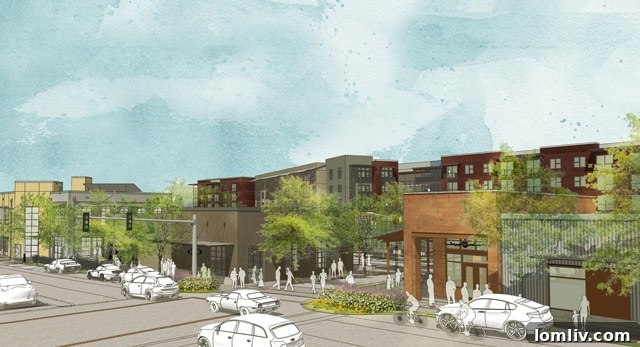
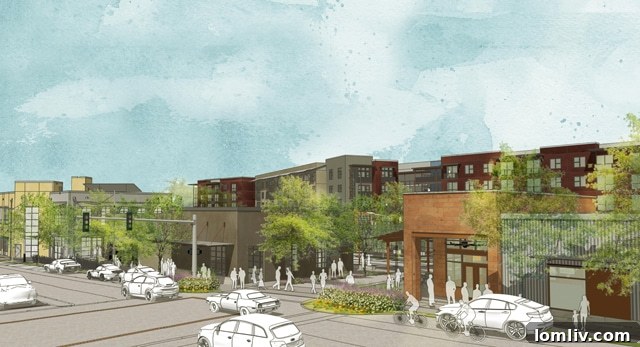
The Sylvan|Thirty project, strategically located at the intersection of Sylvan and Fort Worth avenues, represents a substantial investment in West Dallas’s evolving urban landscape. Valued at an estimated $50 million, this comprehensive mixed-use development aims to transform the area by integrating modern residential lofts, diverse retail spaces, and vibrant community areas. Its overarching vision is to establish a dynamic hub where residents can live, work, and socialize, thereby contributing significantly to the economic and cultural resurgence of West Dallas. Such developments are crucial for fostering sustainable urban growth, offering convenient access to amenities, and cultivating a strong sense of community within a previously underdeveloped locale.
The residential component, known as the Lofts at Sylvan|Thirty, offers contemporary living spaces designed to attract a diverse demographic seeking an urban lifestyle. Complementing these lofts are ground-floor retail establishments, including the already operational Cox Farms Market, which serves as a vital amenity for both residents and the surrounding neighborhood. This synergistic blend of residential and commercial elements is a defining characteristic of successful mixed-use planning. However, it also means that construction progress, particularly for new phases, often operates under intense public and stakeholder scrutiny, making incidents like these particularly impactful.
The Recent Fire Incident: A Four-Alarm Blaze at the Lofts
The most recent fire, which rapidly escalated into a four-alarm blaze according to detailed reports from DallasNews.com, originated in an unoccupied section of the loft development. Cooper Smith Koch, a spokesperson for Sylvan|Thirty, provided a prompt update, confirming that the fire was successfully extinguished by Dallas Fire-Rescue teams within approximately half an hour. This swift and decisive response was crucial in preventing a more extensive spread of destruction across the sprawling complex.
The immediate cause of the fire was identified as a welding torch, a commonly used tool in construction that inherently carries significant risks if not handled with the most stringent safety protocols. Fires ignited by “hot work” activities such as welding, cutting, or brazing are unfortunately recurrent issues on construction sites, underscoring the critical need for continuous vigilance, adherence to proper hot work permit systems, and the deployment of dedicated fire watch personnel. Despite the rapid containment, the incident resulted in a complex combination of fire, smoke, and water damage to the still-under-construction building. Direct fire damage compromises structural integrity and material composition, while smoke damage can deeply permeate porous surfaces, necessitating extensive and costly cleanup. Furthermore, the immense volume of water used by firefighters, while essential for extinguishment, often causes significant secondary damage to electrical systems, insulation, and interior finishes, further complicating and extending recovery efforts.
Assessing the Impact: Safety and Continuity Amidst the Incident
In the aftermath of the incident, Cooper Smith Koch provided reassuring updates to the public via Facebook. He stated, “Fire was extinguished within about half an hour. No one was injured. No residents, who live on the far north end of the lofts, were affected.” This news was met with considerable relief, emphasizing the paramount importance of human safety in such emergencies. The absence of injuries among construction workers or first responders highlights the effectiveness of implemented evacuation procedures and the professional, coordinated efforts of the Dallas Fire-Rescue teams.
Moreover, Koch affirmed that the incident had minimal impact on the operational aspects of the broader development. “Cox Farms Market remained open and construction continued on the other areas,” he noted. This continuity of business for the popular market and the ongoing construction activities in unaffected zones are a testament to the strategic phasing of the Sylvan|Thirty project and the efficient isolation of the damaged area. For residents already living in the completed sections of the lofts, and for the local community that relies on Cox Farms Market for their daily needs, this rapid recovery and assurance of normalcy are vital for maintaining confidence in the development and its long-term viability.
A Recurring Challenge: The Second Fire at Sylvan|Thirty
Disturbingly, this is not the first instance of a fire plaguing the Sylvan|Thirty development. A previous, equally severe incident occurred just months prior, in March of the same year, when a separate two-story building within the project was completely gutted by flames. That earlier fire devastated a retail area that was intended to house a yoga studio and a restaurant, which were key components of the mixed-use vision. Details of this initial catastrophic event were widely reported by prominent local news outlets, including The Dallas Morning News.
The occurrence of two significant fires within a relatively short timeframe at the same high-profile development raises serious and immediate questions about construction site safety protocols, fire prevention measures, and overall risk management strategies. While accidents can, unfortunately, happen on any large-scale project, repeated incidents of this magnitude necessitate a thorough and urgent re-evaluation of all safety procedures, equipment handling protocols, and comprehensive worker training. For a flagship project like Sylvan|Thirty, such repeated setbacks carry implications far beyond immediate repair costs, potentially affecting investor confidence, project timelines, insurance premiums, and the overall reputation of the development within the community and the wider real estate market.
Prioritizing Construction Site Safety: Essential Measures
Construction sites are inherently complex and high-risk environments, with fire being one of the most destructive and potentially life-threatening hazards. Sources of ignition range widely, from electrical malfunctions and spontaneously combustible materials to specific hot work activities like welding and cutting. Implementing robust fire prevention and comprehensive safety plans is therefore not merely a regulatory requirement but an absolute necessity for all developers and contractors involved in such large-scale projects.
Key Fire Safety Measures on Construction Sites Include:
- Rigorous Hot Work Permits: Establishing strict procedures for welding, cutting, grinding, and other heat-producing activities, mandating permits, designated safe zones, and the continuous presence of trained fire watch personnel.
- Secure Storage of Combustibles: Ensuring proper, secure, and separated storage of flammable liquids, gases, paints, and other combustible materials, keeping them well away from potential ignition sources.
- Electrical System Safety: Implementing regular inspection, maintenance, and adherence to codes for all temporary electrical systems, cables, and equipment to prevent shorts, overloads, and faulty wiring.
- Effective Waste Management: Establishing a proactive system for the timely and systematic removal of construction debris, packaging materials, and other potential fuels that could feed a fire.
- Clear Access for Emergency Services: Maintaining unobstructed pathways and access points for fire trucks and emergency personnel, ensuring proper placement and accessibility of standpipes and hydrants throughout the site.
- Comprehensive Worker Training: Providing thorough and recurrent fire safety training for all personnel, covering emergency evacuation procedures, the proper use of fire extinguishers, and general fire awareness.
- Early Fire Detection and Suppression: Strategically installing temporary fire alarms, smoke detectors, and ensuring readily accessible fire extinguishers are available at multiple points across the site.
- Frequent Safety Audits: Conducting regular, unannounced safety audits and inspections to proactively identify and mitigate potential hazards before they can escalate into incidents.
The incidents at Sylvan|Thirty serve as a stark reminder that even meticulously planned developments require an unwavering commitment to safety throughout every phase of their construction. Adherence to stringent building codes, industry best practices, and continuous vigilance is not just a regulatory obligation but a fundamental responsibility to protect lives, safeguard property, and preserve the broader community vision that projects like Sylvan|Thirty embody.
The Road Ahead for Sylvan|Thirty and the Future of West Dallas
Despite these considerable challenges, the Sylvan|Thirty development undeniably remains a critical component of West Dallas’s ongoing revitalization strategy. The swift response to the latest fire and the continued operation of existing businesses within the complex demonstrate a commendable level of resilience. However, these repeated incidents will undoubtedly necessitate a deeper, more comprehensive review of existing safety protocols and risk management strategies. Developers and project managers will need to collaborate closely with local authorities, fire marshals, and insurance providers to not only efficiently repair the damage but also implement significantly enhanced preventative measures to fully restore confidence among all stakeholders.
For West Dallas, the Sylvan|Thirty project symbolizes progress, modernity, and a promising future. Ensuring the timely and, most importantly, safe completion of the remaining phases of this ambitious project is paramount for the community’s ongoing growth and for attracting further vital investment into the area. The invaluable lessons learned from these fire incidents, however challenging and costly they may be, can ultimately lead to the adoption of stronger, safer construction practices not just at Sylvan|Thirty, but potentially across the entire construction industry, reinforcing the collective commitment to building not just structures, but also resilient, secure, and thriving communities.
The journey of urban development often includes unforeseen obstacles and learning curves. The Sylvan|Thirty project, with its innovative blend of modern living and essential services, stands as a testament to the ambitious vision for West Dallas. Overcoming these significant challenges with unwavering transparency, dramatically improved safety measures, and sustained dedication will be absolutely key to its ultimate success and its lasting, positive legacy in the dynamic and evolving landscape of Dallas.