When considering home modifications to support aging in place or to increase overall accessibility, a walk-in tub often emerges as a prominent solution. It promises enhanced safety, comfort, and independence for those with mobility challenges. However, a crucial question for many homeowners is whether this significant investment will truly add tangible value to their property. Is it a smart financial decision, or a specialized upgrade with limited appeal? This comprehensive guide delves into how a walk-in tub can affect the value and attractiveness of your home, helping you make an informed decision.
It’s perfectly natural for homeowners undertaking improvement projects to ponder whether specific additions, such as a walk-in bathtub, will resonate with future buyers and potentially increase demand. You’re certainly not alone in this inquiry! As the population ages globally and awareness of universal design and home accessibility grows, more people are seeking ways to invest in their homes to enhance their long-term value and functionality. This leads us to the core question: does installing a walk-in tub genuinely improve the monetary worth of your house, and how does it influence its overall market appeal?
What Exactly Is a Walk-In Tub?
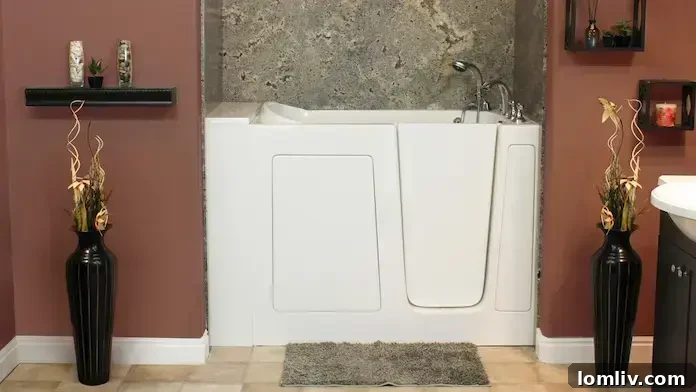
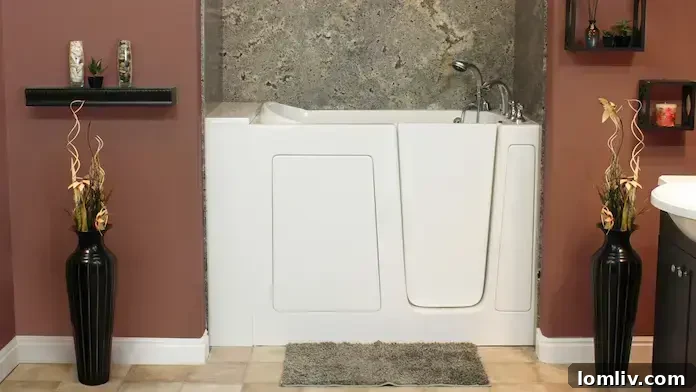
A walk-in tub is a specially designed bathtub engineered for ease and safety of access. Unlike conventional bathtubs, which require stepping over a high threshold, a walk-in tub features a watertight door on its side. This door allows individuals to simply walk into the tub, sit down, and then fill it with water. Once bathing is complete, the water drains, and the bather can exit with minimal effort. These tubs are meticulously crafted with features such as low entry thresholds, integrated seating, and grab bars, making them an ideal bathroom solution for individuals with disabilities, the elderly, or anyone with limited mobility who prioritizes safety and convenience in their daily bathing routine.
Does a Walk-In Tub Truly Add Value to Your Home?
This is indeed the “million-dollar question” for many homeowners. What tangible benefits can you expect from installing a walk-in bathtub, particularly in terms of property value? The short answer is nuanced: while walk-in tubs represent a specialized home modification that can be highly attractive to a specific segment of buyers, they don’t universally guarantee an increase in your home’s monetary value across all markets. Their value proposition is largely dependent on the needs and demographics of potential buyers. For those specifically seeking a home equipped for aging in place or supporting individuals with limited mobility, a walk-in tub can be a significant asset, adding considerable perceived and functional value. However, for a broader market, its impact on resale value might be more neutral or, in some cases, even require explanation.
Who Benefits Most from a Walk-In Tub?
Walk-in tubs are an exceptional feature that caters specifically to certain demographics, offering substantial benefits and peace of mind. These groups include:
- Seniors or Aging Homeowners: For individuals committed to remaining in their homes as they age, a walk-in tub provides a safe, independent, and dignified bathing option, significantly reducing the risk of slips and falls that are common with traditional tubs.
- Individuals with Limited Mobility: Those facing challenges due to injury, illness, or chronic conditions find walk-in tubs invaluable. The low entry, integrated seat, and accessibility features provide essential support, transforming what might otherwise be a difficult or dangerous task into a comfortable and secure experience.
- Caregivers: Family members or professional caregivers assisting individuals with special needs or mobility issues greatly benefit from the ease and safety a walk-in tub offers. It reduces the physical strain of helping someone in and out of a standard tub and provides a more controlled and secure environment for bathing.
For these specific groups, a walk-in tub represents a huge advantage. It ensures enhanced safety, convenience, and independence within the home, making the property significantly more appealing to this targeted segment of the real estate market.
Resale Value Considerations: A Strategic Investment
When evaluating the impact of a walk-in tub on your home’s resale value, it’s crucial to consider your potential buyer pool. The value added by such a modification is highly contingent on the target market. If your home is located in an area with a high percentage of elderly residents, a community designed for seniors, or if you anticipate attracting buyers who are specifically looking for homes with existing aging-in-place features, then a walk-in tub can be a significant selling point. These buyers are often willing to pay a premium for modifications that address their current or future accessibility needs.
On the other hand, for young families, first-time homebuyers, or individuals who prioritize modern aesthetics or have no immediate accessibility concerns, a walk-in tub may not add the same perceived value. In some cases, it might even be viewed as a specialized fixture that could require removal or renovation to suit their preferences, potentially limiting its broad appeal. Therefore, understanding your local real estate market and the typical demographic of homebuyers in your area is paramount to assessing the walk-in tub’s potential impact on your property’s value.
Understanding the Costs of Installing a Walk-In Tub
To accurately determine whether a walk-in tub will truly add value to your home, you must factor in the comprehensive installation costs. These specialized tubs typically range in price from $2,500 for basic models to over $10,000 for luxury versions equipped with advanced features like hydrotherapy jets, chromotherapy lighting, and rapid-drain technology. Beyond the unit itself, installation services can be considerably more complex and time-consuming than for a conventional bathtub. Installation costs can add another $2,000 to $5,000 or more, depending on your bathroom’s existing plumbing and electrical setup. You might encounter additional expenses for:
- Plumbing Modifications: Ensuring adequate water pressure and drainage.
- Electrical Upgrades: Especially for tubs with heaters or therapeutic features.
- Bathroom Layout Adjustments: If the walk-in tub requires more space or a different configuration.
- Reinforcement: Ensuring the floor can support the tub’s weight when full.
- Permits: Depending on local building codes.
This represents a significant investment, making a careful cost-benefit analysis essential. While the financial return might vary, the increased home safety, comfort, and independence can offer invaluable personal security and quality of life.
Walk-In Tubs vs. Traditional Tubs: A Focus on Safety and Comfort
Traditional bathtubs, while common in many households, present significant accessibility challenges and safety hazards for the elderly or individuals with mobility impairments. The high lip of a standard tub is a major fall risk, and slippery surfaces further exacerbate the danger. Walk-in tubs, in stark contrast, are designed with an unwavering focus on safety and comfort. They incorporate a host of features engineered to minimize risks and enhance the bathing experience:
- Low-Threshold Entry: Eliminates the need to step over a high barrier.
- Integrated Seating: Allows for comfortable and stable bathing in a seated position.
- Built-in Handrails: Provide crucial support for entering, exiting, and maneuvering within the tub.
- Anti-Slip Flooring: Prevents accidental slips and falls.
- Thermostatic Mixing Valves: Prevent scalding by maintaining a consistent water temperature.
- Hydrotherapy Jets: Offer therapeutic massage, easing muscle aches and promoting relaxation.
While some market segments may not prioritize these specialized features, for the targeted demographic concerned with long-term safety and independence, a home equipped with a walk-in tub immediately stands out as a thoughtful and accommodating property.
Aging in Place and Enhanced Home Appeal
The concept of “aging in place”—the desire to remain in one’s home and community as one grows older—is rapidly gaining prominence, particularly among the baby boomer generation. As this demographic increasingly seeks homes that can comfortably accommodate their evolving needs, properties retrofitted with features like a walk-in tub become significantly more appealing. Investing in a walk-in tub positions your home as forward-thinking and supportive of long-term independent living. Buyers who are planning for their future, or those with immediate accessibility requirements, are often willing to invest more in a home that already includes these critical features. It’s not just about a bathroom fixture; it’s about offering peace of mind, independence, and a higher quality of life, which translates into a strong selling point for a growing segment of the population.
Unmatched Safety and Accessibility Features
The primary advantage of a walk-in bathtub lies in its superior safety and accessibility compared to conventional bathing solutions. For the elderly or individuals with disabilities, the act of bathing can be fraught with danger, with slips and falls being a leading cause of injury. A walk-in tub mitigates these risks through a combination of thoughtfully designed features:
- Low Entry Threshold: Allows for effortless entry and exit, eliminating the high step-over common in traditional tubs.
- Integrated Handrails and Grab Bars: Provide stable support points for balance and mobility within the bathroom.
- Non-Slip Surfaces: Often applied to both the tub floor and the bathroom floor immediately surrounding it, drastically reducing the risk of falls.
- Comfortable Seating: A built-in seat ensures stability and comfort throughout the bathing experience.
- Anti-Scald Technology: Thermostatic mixing valves prevent water from reaching dangerous temperatures, protecting sensitive skin.
- Wider Doors: Some models offer wider doors to accommodate wheelchair users or those with larger mobility aids.
These combined attributes significantly enhance your home’s appeal to prospective customers who prioritize a secure and independent lifestyle, transforming the bathroom into a safe haven rather than a hazard zone.
Energy Efficiency and Maintenance Considerations
When deciding to install a walk-in bathtub, it’s important to consider both its potential for energy efficiency and the ongoing maintenance requirements. Many modern walk-in tubs are designed with features that can contribute to water and energy conservation. For example, some models incorporate insulated walls to help retain water temperature, reducing the need for continuous hot water top-ups during a bath. Inline heaters can also maintain a consistent temperature, making the bathing experience more comfortable and potentially more efficient than frequently refilling a cooling tub. Furthermore, quick-drain systems, while not directly energy-efficient, reduce the waiting time for the tub to empty, improving the overall user experience.
However, proper maintenance is crucial to ensure these tubs operate effectively and efficiently over time. Regular cleaning of jets and seals is necessary, especially for hydrotherapy models, to prevent mildew and ensure proper functioning. The watertight door seal, a critical component, requires periodic inspection and cleaning to maintain its integrity and prevent leaks. While these maintenance tasks are generally straightforward, they are essential for prolonging the life of the tub and ensuring its continued performance and efficiency. Proper ventilation in the bathroom is also important to manage humidity levels, particularly with the longer soaking times often associated with walk-in tubs.
Conclusion
So, does a walk-in tub add value to your home? The answer is not a simple yes or no, but rather a strategic “it can, under the right circumstances.” A walk-in bathtub undeniably offers exceptional safety, convenience, and independence, making it a perfect fit for a specific target audience—individuals of a certain age, those with physical restrictions, or anyone planning for future accessibility needs. If your property is situated in an area with a significant elderly population, if you are actively planning for your own long-term independent living, or if you reside in a multi-generational household, installing a walk-in tub could be a highly impactful investment, enhancing both functional utility and market appeal to a growing demographic.
However, if your primary target audience consists of young families or buyers with no mobility concerns, the return on investment may not be as straightforward or as promising. In such cases, the cost of installation might outweigh the perceived value added. Ultimately, the decision to install a walk-in tub should be based on a balanced consideration of your personal needs, your local real estate market, and your long-term goals for your home. When strategically chosen and installed, a walk-in tub is more than just a bathroom fixture; it’s an investment in comfort, safety, and a future-proof living space.