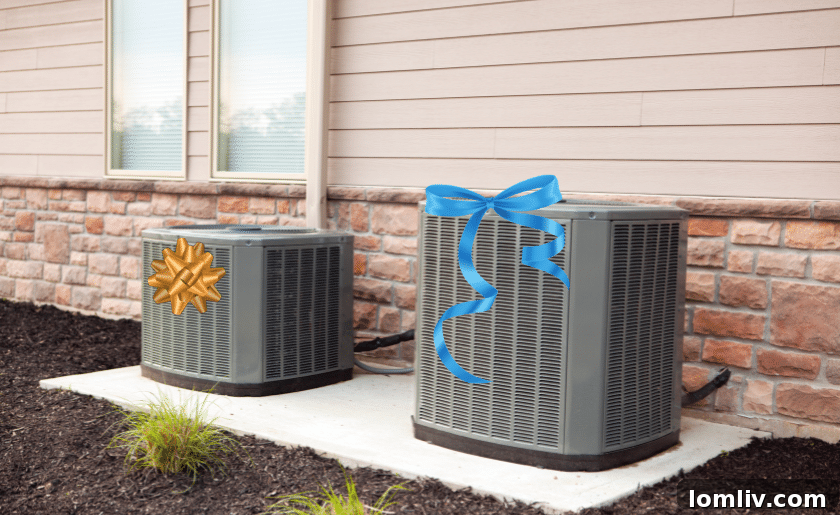
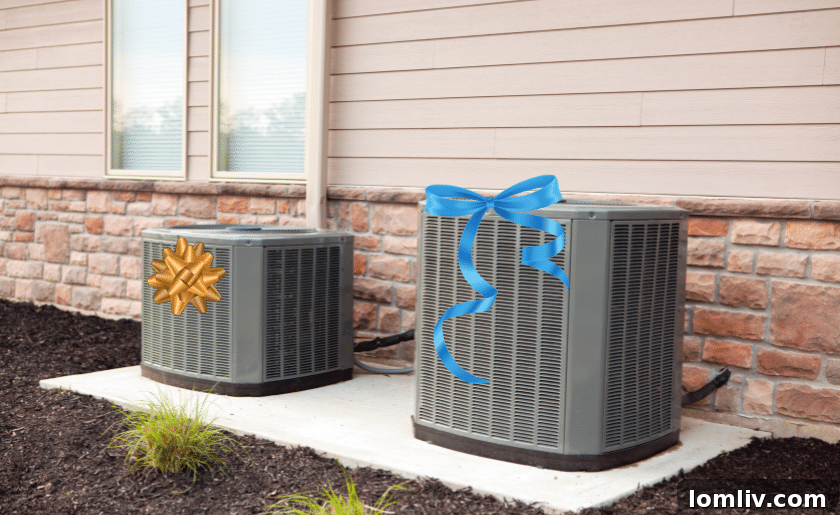
In the scorching climate of North Texas, an efficient and reliable air conditioning system isn’t just a luxury; it’s an absolute necessity. While the thought of a broken AC after Labor Day might seem like a seasonal misfortune, the relentless heat often means AC malfunctions can quickly escalate into catastrophic events, regardless of the calendar. Faced with record-breaking temperatures, HVAC companies are constantly overwhelmed with service calls, frequently delivering the dreaded verdict: “replace” rather than “repair.” For many homeowners, especially those who have just endured a grueling summer, the prospect of purchasing a new AC system so close to fall feels like an unfair financial burden. This article aims to equip you with essential knowledge about your AC system, helping you understand its critical role, potential issues, and how to maintain it for optimal performance and longevity.
When you’re embarking on the exciting journey of purchasing a new home, one of the top hopes is always that it will come equipped with newer, well-maintained AC units. However, as experienced home inspectors, we can confirm that the HVAC system is frequently an area where numerous deficiencies are uncovered, unless the property is genuinely brand new. And even then, newly constructed homes are not immune to problems – as you’ll discover shortly. My intention here is not to cause alarm, but rather to empower homeowners with the awareness that every AC unit operates on a lifecycle, and you are always somewhere on the spectrum of an impending AC purchase. Understanding this fundamental truth allows for proactive planning and budgeting. The average life expectancy of a modern AC unit typically ranges between 15 to 20 years. Do you know the exact age of your AC system? Knowing this crucial detail is the first step toward informed homeownership and responsible maintenance.
Thorough AC inspections provide invaluable insights into common problems we encounter, setting realistic expectations for homebuyers regarding the condition of the systems in the homes they are considering. Let’s explore some real-world examples of AC issues and their implications.
Persistent AC Leaks: A Sign of Neglect and Potential Damage
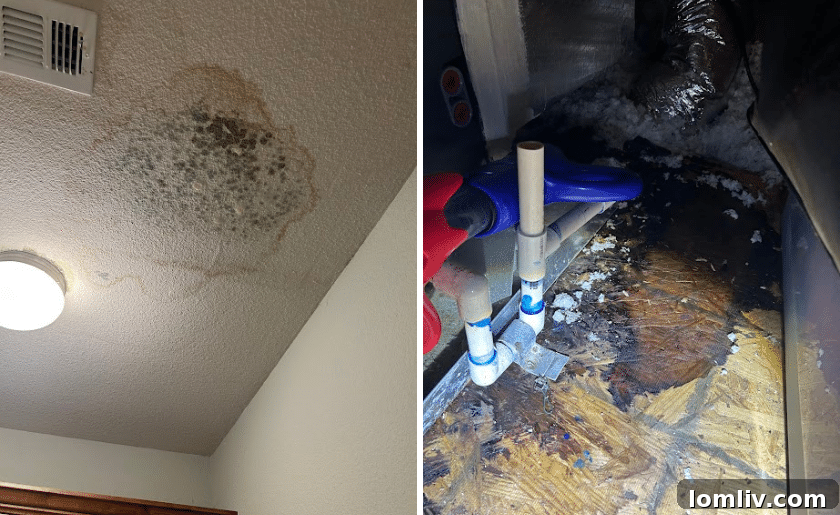
One of the most common and often overlooked problems is an AC leak. We frequently encounter scenarios where potential buyers notice suspicious water stains on ceilings or attic floors and inquire about them. Sellers might casually dismiss these stains, claiming they resulted from a past AC leak that has since been “fixed.” However, a meticulous home inspector will always delve deeper. In one instance, despite the seller’s assurances, our inspector found the AC unit actively leaking in the attic. The root cause was clogged primary and secondary condensate lines – a clear indication of prolonged neglect. When these lines become obstructed, the condensation from the AC unit has nowhere to drain, causing the pan to overflow onto the attic floor and seep into the ceiling below.
While an active leak doesn’t inherently signify the immediate demise of the AC unit itself, it is a glaring red flag regarding the property’s overall maintenance. If previous owners have failed to address a persistent water leak that has caused visible damage to the attic and ceiling, it strongly suggests a broader pattern of neglecting regular maintenance for the entire HVAC system. Unaddressed water leaks can lead to significant issues beyond simple cosmetic damage, including mold growth, structural compromise of wooden beams, and even electrical hazards if wiring is exposed to moisture. The cost of remediating water damage and mold can far exceed the simple repair of a clogged condensate line, underscoring the critical importance of regular, proactive AC maintenance. Homeowners should routinely check their condensate lines, ensuring they are clear and free of blockages, to prevent such damaging and costly occurrences.
New Construction Oversight: Why Even Brand New Homes Need Inspections
A common misconception among homebuyers is that new construction homes are flawless and therefore don’t require an independent home inspection. This couldn’t be further from the truth. Builders, like anyone else, can make mistakes, and these oversights can lead to significant comfort and efficiency issues for homeowners. A classic example we’ve encountered involves fundamental errors in ductwork installation. Imagine a brand new room, ostensibly ready for occupancy, that has a return air vent but inexplicably lacks a supply vent. This means that while old, stale air is being drawn out of the room, no conditioned air – whether heated or cooled – is being blown back in. The consequences are immediate and frustrating: the room will never properly heat or cool, creating an uncomfortable and often unusable space.
The HVAC system is far more intricate than just the visible outdoor unit; it encompasses the entire network of ductwork and vents that are meticulously designed to distribute conditioned air throughout your home. An oversight like a missing supply vent in a new build can lead to energy inefficiency, higher utility bills, and chronic discomfort for the occupants. Other frequent new construction HVAC issues include improperly sealed ductwork causing air leaks, incorrect sizing of units for the home’s square footage, and even poorly chosen locations for thermostats, which can misread temperatures. An independent home inspector provides an unbiased assessment, ensuring that all components of the HVAC system, including the crucial ductwork and ventilation, are installed correctly and functioning as intended. This crucial step protects your investment and ensures that your new home truly delivers the comfort and efficiency you expect.
Pancake Air Conditioner Leaks: Specialized Units, Unique Challenges
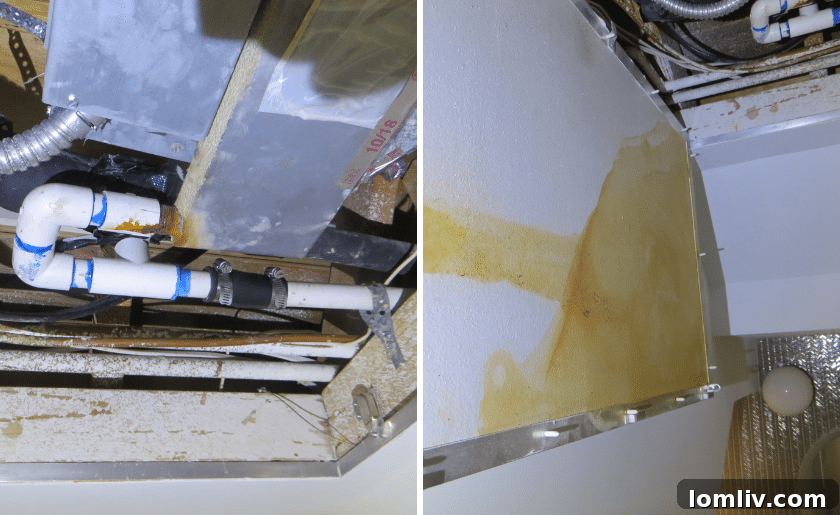
The “pancake” air conditioner, so named for its distinctly flat and compact design, is a specialized unit frequently found in homes where space is at a premium, such as condominiums, townhomes, or properties with limited attic access. Its low-profile nature allows it to be discreetly installed within a ceiling void or a wall cavity, with the compressor unit typically located on the roof. While these units offer an ingenious solution for spatial constraints, they come with their own set of potential problems. We’ve often observed pancake AC units that have developed significant leaks and consequently suffered from considerable rust damage. The images from one inspection clearly illustrate a unit severely compromised by prolonged moisture exposure.
Similar to standard AC leaks, a leak in a pancake unit is often a tell-tale sign of neglected maintenance. Given their concealed installation, issues can go unnoticed for longer periods, allowing damage to accumulate. Rust damage, in particular, is a serious concern. It can compromise the structural integrity of the unit, lead to refrigerant leaks – which are harmful to the environment and expensive to repair – and degrade the unit’s overall efficiency. The prolonged nature of such leaks suggests a lack of regular inspection and upkeep, which is particularly vital for these specialized systems. Due to their unique design and often harder-to-reach locations, pancake AC units require technicians who are familiar with their specific installation and maintenance requirements. Homeowners with these systems should ensure they receive regular, specialized professional servicing to prevent serious issues from developing and to extend their operational lifespan.
Ductwork Dilemmas: Flexible vs. Rigid Ducts and Proper Installation
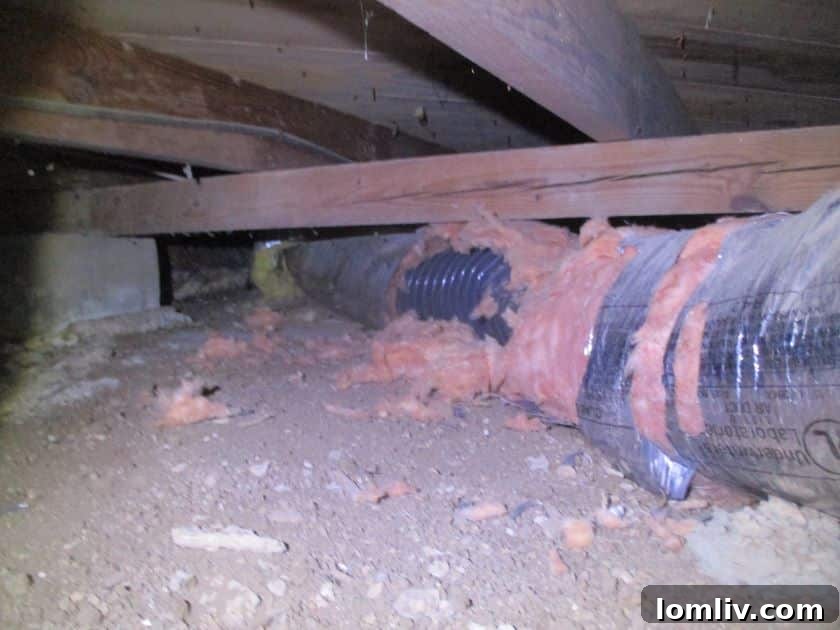
The ductwork is the circulatory system of your home’s HVAC, responsible for delivering conditioned air efficiently to every room. The choice between flexible and rigid ducts, and critically, their installation, significantly impacts your system’s performance and longevity. The image above depicts flexible ductwork in a state of deterioration, primarily because it has been improperly installed in an environment unsuited for it, specifically a crawlspace. While flexible ducts often bear the brunt of criticism for AC problems, it’s crucial to understand that the issue often lies not with the material itself, but with faulty installation practices. When installed correctly, flexible ductwork is a perfectly viable, efficient, and often more cost-effective option than rigid ducts for indoor applications.
However, flexible ducts are inherently more vulnerable to damage if not installed with care. In a crawlspace, they are exposed to moisture, pests, and potential physical damage, which can lead to kinks, tears, and a breakdown of the insulating material. These issues result in significant air leaks, allowing conditioned air to escape and unconditioned air (and moisture) to infiltrate your system. This not only dramatically increases your energy bills but also compromises indoor air quality. Rigid ducts, typically made of sheet metal, offer greater durability and resistance to damage in challenging environments like crawlspaces, though they are more labor-intensive and costly to install. Regardless of the type, proper ductwork installation involves ensuring airtight connections, correct sizing, appropriate insulation, and avoiding sharp bends or excessive length that restrict airflow. When problems with ductwork are identified during a comprehensive home inspection, it’s imperative to engage a reputable air conditioning company. Always vet potential HVAC professionals by checking their licensing, certifications, and customer reviews to ensure they possess the expertise to correctly diagnose and repair or replace your ductwork, guaranteeing optimal system performance and energy efficiency.
Proactive AC Maintenance: Your Key to Longevity and Savings
Given the sheer importance of a functioning HVAC system in the demanding climate of North Texas, and the substantial costs associated with repairs and replacements, proactive maintenance is not just recommended, it’s essential. Understanding the intricacies of your system, how to maintain it effectively, and what common issues can arise will empower you to extend its life, prevent costly breakdowns, and ensure consistent comfort for your home. Simple yet critical maintenance tasks can make a world of difference. Regularly changing your air filters, typically every 1-3 months depending on usage and household conditions, significantly improves airflow, reduces strain on your unit, and enhances indoor air quality. Annual professional tune-ups, performed by certified HVAC technicians, are invaluable. During these comprehensive check-ups, technicians can inspect refrigerant levels, clean condenser and evaporator coils, lubricate moving parts, and identify potential issues before they escalate into major problems. They will also verify electrical connections, inspect the thermostat, and ensure the condensate drain is clear.
Beyond professional service, homeowners can also take steps to protect their investment. Keeping the outdoor condenser unit clean and free of debris, such as leaves, grass clippings, and bushes, ensures proper heat dissipation. Monitoring your system for unusual noises, strange odors, or reduced cooling capacity can provide early warnings of developing problems. Addressing these signs promptly can prevent minor issues from becoming catastrophic failures. Investing a little time and money into preventative maintenance now will undoubtedly save you significant expense and discomfort down the line. By understanding the average lifespan of an AC unit and being proactive with its care, you’ll be better prepared to plan for eventual replacement and ensure your home remains a cool sanctuary, even during the most brutal North Texas summers.
Ultimately, your HVAC system is one of the most vital components of your North Texas home, integral to comfort, health, and property value. Repairs and replacements are substantial investments, which is why knowledge and proactive care are your most powerful tools. The more you understand about your specific system, including its operational mechanisms, maintenance requirements, and potential vulnerabilities, the better equipped you will be to safeguard its performance. By prioritizing regular inspections, adhering to a consistent maintenance schedule, and engaging reputable professionals for any necessary work, you can significantly extend the lifespan of your unit and defer the expense of a new AC system. Don’t wait for a breakdown to consider your AC’s health; embrace proactive homeownership, and enjoy the peace of mind that comes with a reliable, efficient cooling system, year after year.