Don’t Skip the Inspection: Essential Reasons Why Every New Construction Home Needs a Professional Home Inspection
The allure of a brand-new home is captivating: the fresh scent of paint, gleaming new fixtures, and the promise of a move-in ready sanctuary free from the typical issues associated with older properties. As new home construction continues to claim an increasing share of the competitive housing market, many prospective buyers find themselves asking a crucial question: “Is a home inspection really necessary for a brand-new house?” The widespread misconception is that new homes, built to contemporary codes and standards, are inherently perfect and immune to defects. However, this assumption can lead to significant and unforeseen expenses down the line.
We’ve previously addressed this vital inquiry, but its enduring relevance necessitates a deeper dive, particularly for first-time homebuyers and existing homeowners approaching critical warranty deadlines. The unequivocal answer is a resounding “yes” – a professional new construction home inspection is not merely recommended; it is an absolutely essential investment. Such an inspection can not only prevent thousands of dollars in unexpected repairs but also provide invaluable peace of mind. Furthermore, if you’ve already purchased a new construction home, it’s crucial to remember that your one-year new home warranty period may be drawing to a close, making a timely Builder’s Warranty Inspection an urgent consideration. But what exactly can an inspector uncover in a seemingly flawless new home? Let’s explore the compelling reasons.
Uncovering Hidden Construction Mistakes and Structural Flaws in New Builds
Despite the best intentions of builders and adherence to strict building codes, human error is an unavoidable reality in any complex process, and modern construction’s rapid pace can often lead to overlooked details. Construction mistakes are among the most significant reasons why new homes greatly benefit from professional inspections. These aren’t always immediately obvious errors; frequently, they are subtle issues that can escalate into major problems over time, compromising your home’s safety, structural integrity, and long-term value.
For instance, common issues can manifest in a home’s foundation or framing, such as improper shimming, inadequate bracing, or incorrectly secured components. The Facebook video below, while illustrating an older 2005 home requiring substantial repairs due to a simple shim placement error, perfectly encapsulates how preventable mistakes can lead to major future costs. Similar, often more complex, defects can easily occur in brand-new builds. Such issues might remain concealed once the drywall is installed, but they can result in sagging floors, extensive wall cracks, misaligned doors, and incredibly expensive structural repairs years down the line. This highlights precisely why comprehensive phase inspections are paramount during the construction process.
Phase inspections constitute a series of specialized assessments conducted at various critical junctures throughout the home construction process. These typically include:
- Pre-Pour Foundation Inspection: Before any concrete is poured, an inspector thoroughly examines the foundation forms, verifies the correct placement and spacing of rebar, and ensures the proper installation of vapor barriers. This step is crucial for guaranteeing the home’s structural integrity from its very base.
- Pre-Drywall Inspection (Rough-in Inspection): Often considered the most critical phase, this inspection occurs before the interior walls are sealed with drywall. The inspector meticulously checks the framing, electrical wiring, plumbing systems, and HVAC ductwork for compliance and proper installation. Issues identified at this stage – such as missing fire blocks, improperly secured pipes, or incorrectly wired circuits – are relatively easy and inexpensive to correct. Once the drywall is up, these concealed problems become vastly more challenging and costly to rectify.
- Final Inspection: This comprehensive assessment is performed just prior to closing. A certified inspector reviews all accessible components of the completed home, from the roof and exterior to the foundation and interior systems, confirming that everything is operational, complete, and meets industry standards and codes.
By detecting and addressing deficiencies at each construction phase, these specialized inspections serve as an indispensable quality control measure. They ensure your new home is constructed not only efficiently but also correctly and safely from the initial groundbreaking. Skipping these vital steps is akin to purchasing a vehicle without a proper test drive or mechanical check – you simply cannot know what hidden issues might be lurking beneath the surface until it’s too late and far more expensive.
Preventing Problems Stemming from Negligence and Oversight in New Builds
Even in the absence of deliberate malice, simple oversights or moments of negligence during a fast-paced construction project can lead to considerable frustration and expense for new homeowners. These issues often arise from tight schedules, the sheer volume of work, or miscommunication among various specialized subcontractors. A professional home inspector provides an invaluable service as an unbiased third party, diligently catching these seemingly minor details before they escalate into dangerous, costly, or functionally debilitating problems.
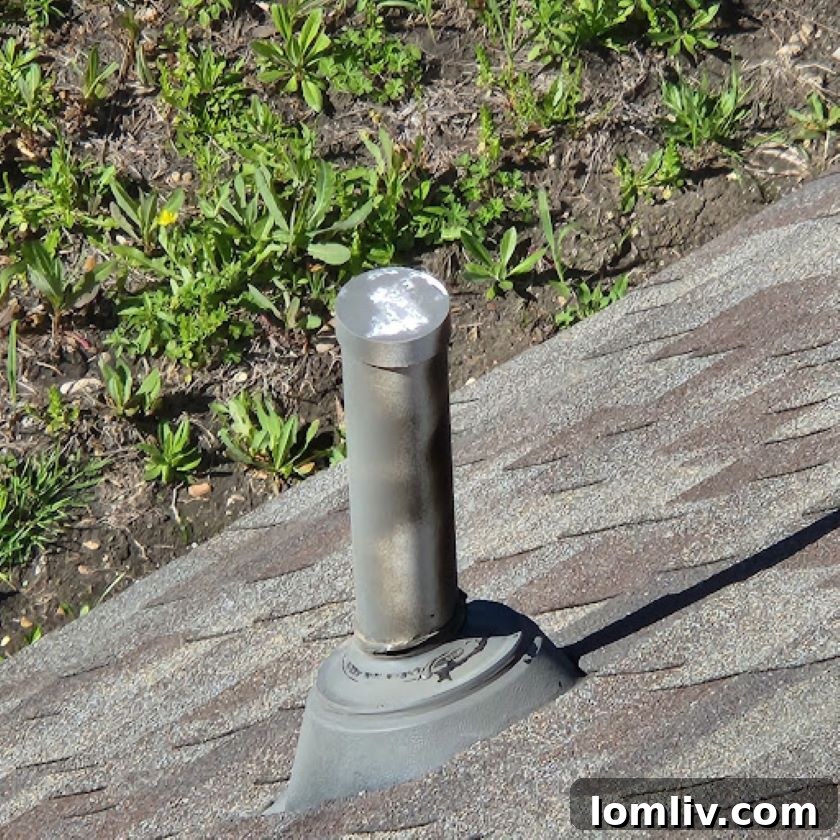
Consider the illustrative example depicted in the image above: a plumbing vent that has been improperly capped. This vent plays a vital role in your home’s plumbing system, allowing air into sinks and drains to facilitate proper water flow and, critically, enabling hazardous sewer gases to escape safely to the exterior. A cap that completely obstructs this vent prevents the plumbing system from functioning correctly, resulting in slow drains, gurgling noises, and unpleasant odors. More alarmingly, it can lead to a dangerous accumulation of flammable sewer gas within the home, posing a severe health hazard and even a risk of explosion.
In a new construction scenario, such a cap was likely placed temporarily by plumbers during initial drain testing and inadvertently left in place after the tests were concluded. This is a classic case of an oversight due to human error. An experienced inspector would immediately identify this critical flaw and recommend its replacement with a proper, vented cap designed to ensure adequate airflow while preventing pests and debris from entering the plumbing system. Beyond this specific example, other frequent oversights in new construction include:
- Missing or Incorrectly Installed Insulation: This leads directly to compromised energy efficiency, resulting in higher utility bills and uncomfortable indoor temperatures.
- Faulty Electrical Connections: Issues like loose wiring, ungrounded outlets, or the absence of crucial ground fault circuit interrupters (GFCIs) in wet areas pose serious risks of electrocution or electrical fires.
- HVAC System Deficiencies: Disconnected or improperly sealed ductwork, incorrect thermostat wiring, or filters clogged with construction debris can severely impair heating and cooling performance.
- Improper Drainage: Inadequate grading around the foundation can cause rainwater to pool against the structure, potentially leading to water penetration into the basement, crawl space, or even compromising the foundation itself.
- Appliance Malfunctions: Even brand-new appliances can have installation errors or subtle factory defects that are overlooked during initial builder checks, impacting their functionality and lifespan.
These seemingly minor oversights can collectively have profound long-term impacts on your home’s overall functionality, safety, energy efficiency, and operational costs. A professional new construction inspection provides a crucial layer of protection, ensuring that every component is not only present but also correctly installed, fully functional, and compliant with safety standards from day one.
Addressing Environmental and External Factors: Even Mother Nature Plays a Role
While construction teams diligently strive for perfection, the building process itself leaves a new home vulnerable to external elements and unforeseen circumstances. These often include the impacts of “Mother Nature” and other environmental factors. A home under construction is an exposed entity, susceptible to wind, rain, sun, and even local wildlife before it is fully sealed and protected. Such environmental exposures can cause damage that is easily missed during a builder’s final walk-through but is readily identified by a meticulous home inspector.
@greenscenehome Even brand new homes have problems we find during home inspections, like this outdoor outlet that has been shorted by a burned wire. #newconstructionhome #homeinspectionfinds #dfwhomeinspector #dallasrealestate #fortworthrealestate #greenscenehome #askahomeinspector #critters #homeinspection ♬ original sound – Green Scene Home Inspections
Sometimes, damage occurs through no direct fault of the builders but simply due to natural elements or unexpected animal intrusions. As vividly demonstrated in the TikTok example provided by Green Scene Home Inspections, a critter likely chewed through the electrical conduit leading to an outdoor light, causing the associated electrical outlet to short-circuit on a brand-new house. While this might not be a catastrophic structural failure, identifying such an issue early prevents the homeowner from future frustration of a non-functional light or outlet, and more critically, mitigates potential electrical hazards.
Beyond critter-related damage, a new construction inspection is adept at identifying other environmental factors that could impact your home:
- Water Intrusion: Improperly installed flashing around windows, doors, or roof penetrations can lead to insidious water leaks during heavy rainfall. Over time, these leaks cause wood rot, mold growth, and compromise structural components, often remaining undetected until significant damage has occurred.
- Wind Damage: Strong winds during the construction phase can dislodge roof shingles, shift vents, or damage exterior siding before the home is fully weatherproofed. An inspection identifies these vulnerabilities before they manifest as leaks or structural instability.
- Sun Exposure and Material Degradation: Building materials left exposed to harsh sunlight for extended periods during construction can degrade prematurely, affecting their longevity, performance, and aesthetic appeal.
- Pest Infestation: During various stages of construction, open walls and accessible spaces can become inviting entry points for rodents, insects, or even termites if appropriate pest control measures aren’t maintained. An inspector can detect early signs of infestation before the home is fully sealed.
- Drainage and Erosion Issues: The final grading around a new home is paramount for diverting rainwater away from the foundation. Natural rainfall patterns can quickly expose deficiencies in grading, leading to water pooling against the foundation and potential erosion, which can compromise stability.
A comprehensive new construction inspection extends beyond merely searching for builder mistakes; it proactively assesses how the home has weathered its initial exposure to the environment and verifies that it is adequately protected against future challenges from Mother Nature. This forward-thinking approach is crucial in preventing minor environmental incidents from evolving into significant, costly problems after you’ve moved in.
Why Time is a Critical Factor in New Home Inspections: Vacancy and Warranty Expiry
The element of time plays a uniquely significant role in underscoring the necessity for new construction home inspections in two distinct, yet equally important, scenarios. Firstly, when a newly built home remains vacant for an extended period before its first owners take occupancy. Secondly, and arguably most crucially, when homeowners have resided in their new property for nearly a year, and their builder’s warranty is approaching its expiration date.
View this post on InstagramA post shared by Green Scene Home Inspections (@greenscenehome)
Scenario 1: The Vacant New Home Inspection
It is not uncommon for a newly constructed home to remain unoccupied for weeks or even several months before its first owners take possession. During this period of vacancy, the house is still susceptible to the elements and potential issues that can arise from disuse or neglect. As compellingly highlighted in the Instagram Reel above (which describes a critical issue of flashing pulling away from bricks on a roof), an unoccupied home can develop problems that go completely unnoticed without regular monitoring. An inspector performing a pre-closing inspection on a vacant new home would not only identify such exterior vulnerabilities, like compromised flashing that can lead to significant water intrusion, but also meticulously check the interior for any signs of water damage, insidious mold growth, or pest entry that might have occurred while the property was empty.
A vacant new construction home can be particularly susceptible to:
- Mold and Mildew Growth: Without consistent proper ventilation and climate control, especially in humid climates, mold and mildew can rapidly develop within walls, attics, crawl spaces, and other concealed areas.
- Pest Infestation: An empty house presents an inviting target for rodents, insects, and other pests seeking shelter and warmth. These creatures can cause substantial damage to wiring, insulation, and even structural components.
- System Degradation from Disuse: HVAC systems, plumbing, and electrical components are generally designed for regular operation. Prolonged periods of disuse can sometimes lead to issues, such as dry P-traps causing noxious sewer gas odors or stagnant water in pipes promoting bacterial growth.
- Weather-Related Damage: As demonstrated by the flashing example, even a fully completed new home can suffer weather-related damage if it is not immediately occupied and regularly monitored.
- Vandalism or Theft: Although less common, vacant properties are inherently more vulnerable to security breaches that could result in damage to the home’s systems or finishes.
An inspection conducted specifically before you take possession ensures that any problems that may have developed during the vacancy period are identified, documented, and rectified by the builder before you inherit them, safeguarding your investment from day one.
Scenario 2: The Critical 11-Month Builder’s Warranty Inspection
Perhaps the most compelling and financially advantageous argument for a new construction inspection arises at the crucial 11-month mark of home ownership. The vast majority of new homes come with a builder’s warranty, which typically covers various components and systems for a period of one year. This specialized Builder’s Warranty Inspection, frequently referred to as an 11-month inspection, represents your final and most strategic opportunity to have an impartial, professional third party thoroughly evaluate the home’s condition while the builder is still contractually obligated to address any covered defects at no additional cost to you.
After nearly a full year of occupancy, your home has experienced a complete cycle of seasons, its systems have been rigorously used, and the initial natural settling or any latent defects have likely begun to manifest. An inspector performing this crucial 11-month assessment will meticulously examine every detail, from the structural foundation to the roof, actively looking for:
- Settling Issues: Minor foundation cracks, cosmetic drywall cracks, doors or windows that have begun to stick, and subtle unevenness in flooring can all emerge as the house settles into its permanent footprint and as building materials contract and expand.
- Appliance and System Performance: This includes checking the long-term functionality and efficiency of your HVAC system, water heater, all plumbing fixtures, and electrical outlets, which might have shown subtle deficiencies or decreased performance during their first year of continuous operation.
- Roofing Integrity: Assessing how the roof system has weathered a full cycle of seasonal changes, looking for loose or damaged shingles, compromised flashing, or any early signs of leaks or water penetration.
- Exterior Conditions: Evaluating the condition of siding, exterior paint, caulking, and the final grading around the home for any signs of degradation, improper installation, or drainage issues that become apparent over time.
- Drainage Effectiveness: Observing how the property manages rainwater runoff after experiencing various weather events, ensuring water is effectively diverted away from the foundation.
- Latent Defects: These are critical issues that were inherent from the initial construction but only became apparent or problematic after a period of regular use and occupancy.
This 11-month inspection serves as an invaluable final audit. Any significant issues discovered that fall under the terms of the builder’s warranty can be formally submitted for repair, potentially saving homeowners many thousands of dollars in future expenses. Failing to conduct this essential inspection often means that homeowners will bear the full financial burden of repairs once the warranty expires, a potentially devastating surprise for those who initially believed their new home would remain entirely problem-free.
Protecting Your Investment: The Unquestionable Value of New Home Inspections
In conclusion, the question “Do I need a home inspection on a brand-new home?” is unequivocally answered with a resounding and emphatic “yes.” The widespread assumption that new construction inherently equates to perfection is a dangerous myth that can lead to significant financial and emotional distress for unsuspecting homeowners. From concealed construction mistakes and human oversight to the inevitable impacts of environmental factors and the subtle effects of time and use, virtually every new home can harbor issues that only a trained, impartial, and professional inspector is equipped to uncover.
Investing in a comprehensive new construction inspection – whether it involves a series of vigilant phase inspections during the building process, a thorough final inspection just before closing, or the critical 11-month builder’s warranty inspection – is not an additional expense; it is a vital safeguard for one of the most significant investments you will ever make. It provides unparalleled peace of mind, ensures the long-term safety and structural integrity of your home, and robustly protects your financial future by effectively leveraging your builder’s warranty and helping you avoid unexpected, costly repairs in the years to come.
Do not allow the pristine shine of a new home to blind you to potential imperfections or hidden problems. Take the proactive and responsible step to ensure that your dream home is not merely new, but also fundamentally sound, impeccably safe, and truly ready to provide comfort and security for years to come. A professional inspection is your ultimate assurance of quality.