Cesar Sayoc, The Pipe Bomb Suspect: Unraveling a Complex Web of Grievances and Political Polarization
The arrest of Cesar Sayoc in October 2018 sent shockwaves across the United States. Sayoc, a Florida resident, was charged with five federal crimes for allegedly mailing over a dozen improvised explosive devices to prominent Democratic politicians, media figures, and critics of then-President Donald Trump. The targets included former President Barack Obama, former Vice President Joe Biden, former Secretary of State Hillary Clinton, Representative Maxine Waters, Senator Kamala Harris, billionaire George Soros, and news organizations like CNN. The incidents created an atmosphere of fear and heightened political tensions, raising urgent questions about domestic terrorism and the roots of political extremism in America.
While the immediate focus was on the threats themselves and Sayoc’s apparent political motivations – his van famously covered in pro-Trump stickers and his social media echoing fervent support for the President – a deeper look into his past reveals a more intricate narrative. This narrative suggests a personal history deeply scarred by the 2008 Great Recession and its aftermath, specifically the foreclosure crisis that devastated millions of American families. What emerges is a perplexing paradox: a man whose personal economic grievances seemingly trace back to actions by financial institutions, some of which were later associated with prominent Republicans, yet whose anger was overwhelmingly directed at Democrats.
The Allegations Against Sayoc and His Public Persona
Cesar Sayoc’s alleged campaign of terror involved sending 13 pipe bombs, crudely constructed but potentially dangerous devices, through the U.S. postal service. The targets were carefully selected, all representing figures frequently vilified in conservative media and by President Trump himself. This deliberate choice fueled immediate speculation about a politically motivated act of domestic terrorism, aimed at silencing dissent and intimidating political opponents. Law enforcement agencies, including the FBI, launched an extensive investigation, ultimately tracking Sayoc through forensic evidence, including DNA found on some of the packages.
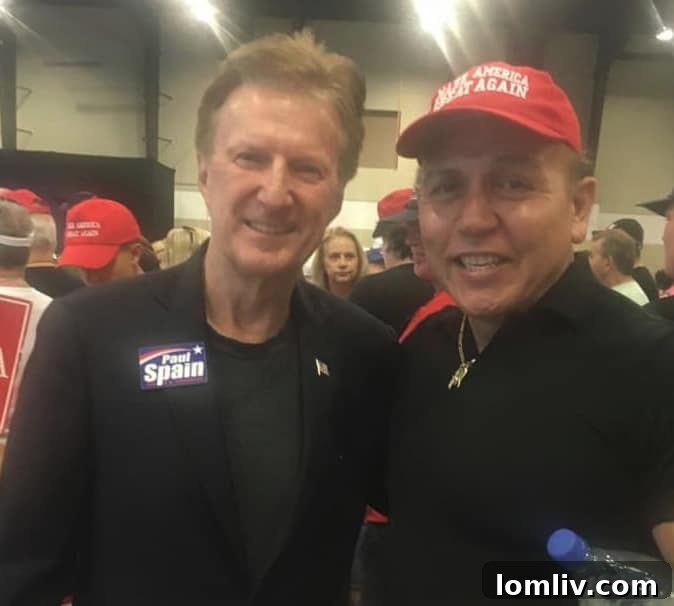
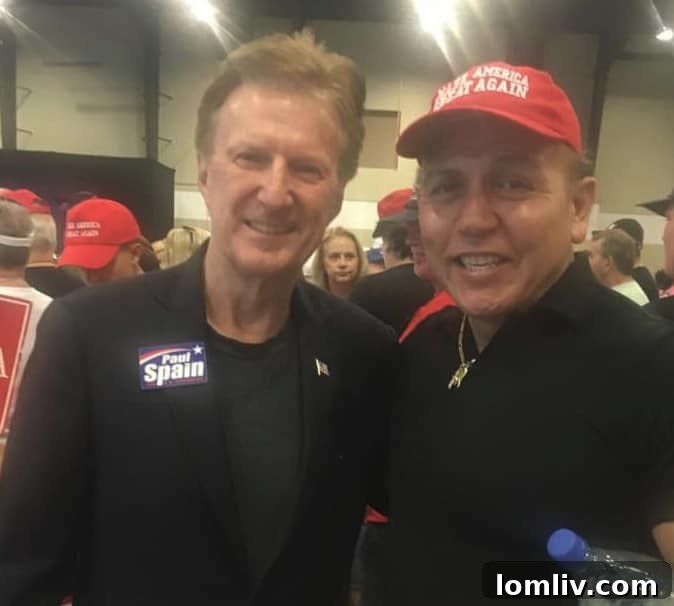
Sayoc’s public image, cultivated through his social media presence and the distinctive decor of his van, painted a picture of an ardent Trump supporter. His Facebook page often featured posts critical of Democrats, alongside images of him wearing a “Make America Great Again” (MAGA) hat. The white van he lived in, adorned with numerous pro-Trump and anti-Democrat decals, became an iconic symbol of the alleged bomber’s overt political leanings. This public persona strongly suggested that his actions were a direct consequence of the deeply polarized political landscape, a manifestation of the intense ideological divisions gripping the nation.
The Great Recession’s Lingering Shadow: Sayoc’s Foreclosure Experience
Beneath the surface of political fervor, Sayoc’s personal story reveals profound economic hardship. In 2009, his Florida home faced foreclosure, a fate shared by millions of Americans during the peak of the Great Recession. This traumatic event, which often leaves lasting psychological and financial scars, appears to be a pivotal point in his life. The bank that foreclosed on Sayoc’s property was IndyMac, a major player in the subprime mortgage market that collapsed spectacularly in 2008, becoming one of the largest bank failures in U.S. history.
Following its failure, IndyMac was acquired by a consortium of investors in 2009 and rebranded as OneWest Bank. This acquisition was a significant development, not only for the banking sector but also for understanding the complex backdrop of Sayoc’s grievances. Among the prominent investors who acquired IndyMac and later transformed it into OneWest Bank was none other than Steve Mnuchin, who would later serve as Treasury Secretary under President Donald Trump. Mnuchin played a crucial role, serving as OneWest’s chairman and CEO during a period marked by aggressive foreclosure practices. Other notable investors included hedge-fund manager John Paulson, former Goldman Sachs executive J. Christopher Flowers, Michael Dell of Dell Technologies, and ironically, George Soros – a prominent Democratic donor and, significantly, one of Sayoc’s alleged pipe bomb targets. The inclusion of Soros in the ownership group, juxtaposed with Sayoc’s subsequent targeting of him, highlights a bizarre and tragic irony that underscores the misdirection of Sayoc’s anger.
OneWest Bank and the Robo-Signing Scandal: A Deeper Connection
OneWest Bank, under Mnuchin’s leadership, became a significant entity in the post-recession banking landscape, particularly active in foreclosures. Its operations during this period were not without controversy. OneWest was a key player caught up in the infamous robo-signing scandal, a nationwide debacle that exposed systematic flaws and potentially illegal practices in the mortgage industry’s foreclosure process. The scandal involved banks and mortgage servicers unlawfully signing thousands of foreclosure documents without proper review, often by individuals who lacked personal knowledge of the facts being attested to.
Cesar Sayoc’s foreclosure paperwork was directly connected to this scandal. It was reportedly signed by Erica Johnson-Seck, a OneWest Bank lawyer who became a central figure in the robo-signing controversy. Johnson-Seck famously testified that she signed an astonishing volume of documents – more than 750 a week – on behalf of OneWest, often without thoroughly verifying the information. Her testimony, and the broader scandal, raised serious questions about the legality and ethics of many foreclosures carried out during that period, potentially including Sayoc’s. This direct link between Sayoc’s personal financial ruin and a bank embroiled in questionable practices, a bank with significant Republican figures among its leadership, adds a profound layer of complexity to his story.
The robo-signing scandal, often associated with the Mortgage Electronic Registration Systems (MERS), highlighted a systemic breakdown in accountability within the housing finance industry. It revealed how a drive for efficiency and profit led to shortcuts that often undermined homeowners’ legal rights. For individuals like Sayoc, whose homes were seized through these potentially flawed processes, the experience could have been profoundly alienating, fostering a deep sense of injustice and betrayal.
The Misdirection of Anger: Economic Grievances and Political Targets
The most telling, and perhaps tragic, aspect of Cesar Sayoc’s case is the apparent disconnect between the origin of his personal grievances and the targets of his alleged violence. His economic hardship stemmed from a foreclosure by a bank that was later co-owned and led by individuals who would become prominent figures in the Republican party, including a future Treasury Secretary. Yet, his anger was seemingly channeled exclusively towards Democrats. This phenomenon speaks volumes about the corrosive power of political polarization, where complex economic issues are often oversimplified and weaponized, leading to misdirected blame and heightened animosity.
The scars of the Great Recession run deep, affecting millions of Americans with lasting economic insecurity and a profound sense of injustice. For some, these experiences manifest as a search for scapegoats. In an environment of intense partisan rhetoric, where one political party is often portrayed as solely responsible for all societal ills, individuals vulnerable to such narratives can easily fall prey to conspiracy theories and extremist ideologies. Sayoc’s case serves as a stark reminder of how personal economic despair can be exploited and redirected into political violence, especially when fueled by a constant barrage of divisive messaging.
His adherence to the “Make America Great Again” slogan and his targeting of Democratic figures suggest an internal narrative where he attributed his misfortunes not to the specific actions of a particular bank or the systemic failures of the financial system, but to a broader, ill-defined “liberal establishment” or “deep state” that he perceived as undermining the country. This illustrates how easily economic pain can be politicized and how individuals, seeking answers and validation for their suffering, can align with narratives that offer simple, albeit often misleading, explanations and targets for their frustration.
Conclusion: A Complex Narrative of Economic Despair and Political Extremism
Cesar Sayoc’s story is a sobering reflection of the lasting impact of the Great Recession and the dangerous consequences of extreme political polarization. It weaves together threads of personal economic devastation, systemic financial misconduct, and the profound psychological effects of perceived injustice. His alleged actions represent a disturbing manifestation of anger and frustration, tragically misdirected from the complex economic roots of his suffering towards political figures who, in some cases, were not even directly connected to his personal plight, and in others, ironically shared a connection to the very institutions that impacted him.
The confluence of his foreclosure by a bank involved in the robo-signing scandal, its subsequent ownership by a group including future Republican leaders, and Sayoc’s ultimate targeting of prominent Democrats, presents a stark and “sad truth.” It underscores how economic grievances, when left unaddressed and fueled by inflammatory political rhetoric, can fester and lead to dangerous outcomes. Understanding Sayoc’s trajectory requires acknowledging the complex interplay of economic forces, individual trauma, and the powerful, sometimes destructive, narratives that shape political identity in a deeply divided nation. His case serves as a potent reminder of the need for empathy, nuanced discourse, and genuine efforts to address the underlying economic anxieties that continue to plague segments of society, lest personal despair be twisted into widespread hatred and violence.
The events surrounding Sayoc and the pipe bombs stand as a testament to the fragile state of civic discourse and the potential for real-world violence when economic desperation and political vitriol converge. It challenges us to look beyond simplistic explanations and delve into the intricate factors that can drive individuals to such desperate acts, always remembering that the roots of extremism often lie in a complex web of personal and societal grievances.

Note from the Author: My primary focus typically revolves around high-rises, HOAs, and property renovations, alongside an appreciation for modern and historical architecture balanced against the dynamic YIMBY movement. My dedication to comprehensive real estate journalism has been recognized by the National Association of Real Estate Editors, with three Bronze (2016, 2017, 2018) and two Silver (2016, 2017) awards in recent years. If you have an intriguing story to share, a perspective to offer, or even a marriage proposal to make, feel free to reach out via email at [email protected]. While you’re welcome to search for me on Facebook and Twitter, you might find that I maintain a rather elusive online presence on those platforms.