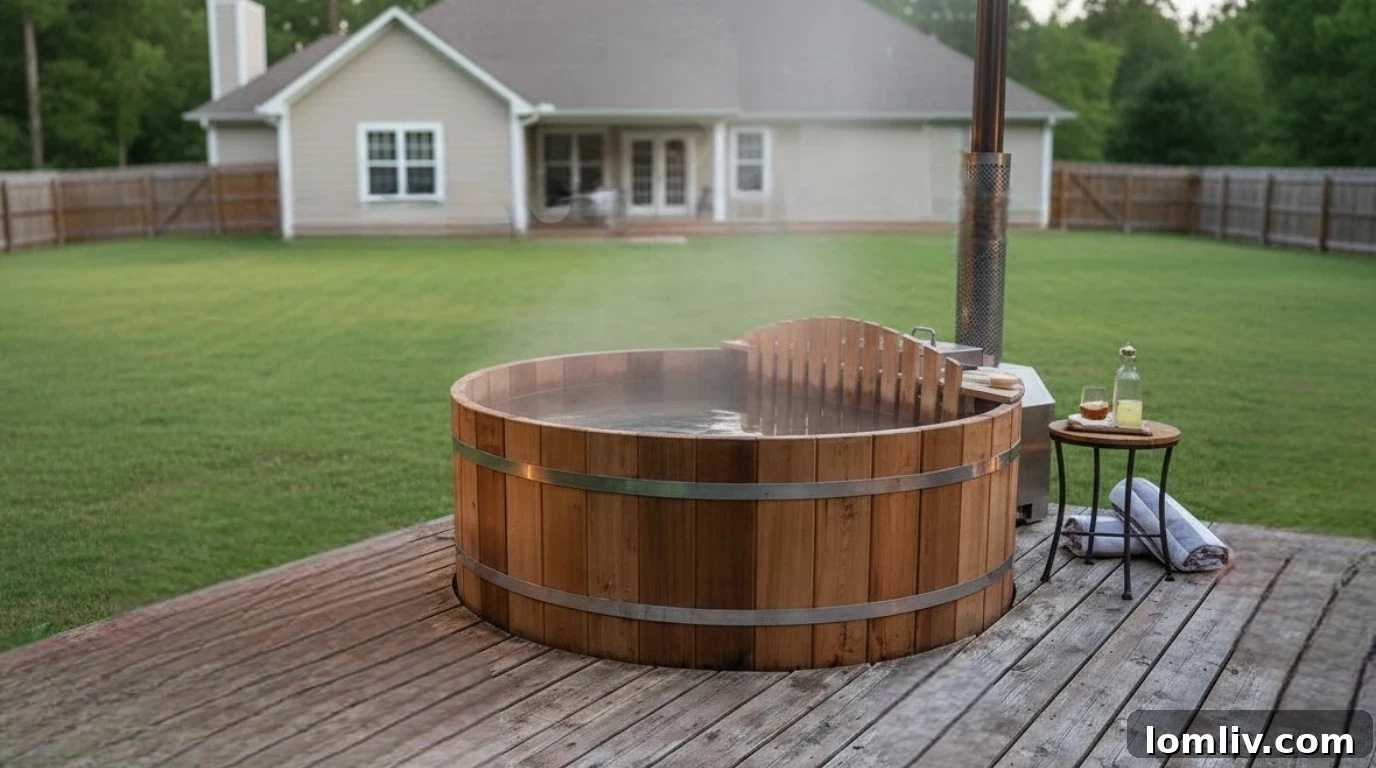
For many homeowners contemplating a significant outdoor enhancement, the question invariably arises: Will adding a hot tub genuinely boost my property’s resale value when it eventually comes time to sell? This is a perfectly valid concern, especially given the considerable upfront investment involved. The straightforward answer, however, is often far more nuanced and complex than a simple yes or no, diverging significantly from what some hot tub sales professionals might suggest.
Unlike some home improvements that offer an almost guaranteed return, a hot tub does not inherently or automatically increase a property’s value. While it certainly possesses the potential to enhance your home’s appeal and even command a higher selling price under the right circumstances, an ill-considered or poorly maintained setup can quickly deter prospective buyers. In today’s dynamic housing market, buyers are increasingly discerning. Sellers who overlook how an outdoor hot tub integrates into the overall property, or fail to present it optimally, risk receiving lukewarm or even negative reactions during critical showings.
To provide a comprehensive understanding, let’s delve into the multifaceted ways in which outdoor hot tubs influence home prices, examining the perspectives of both experienced real estate agents and potential homebuyers, and exploring the crucial factors that determine whether it becomes an asset or a liability.
How Buyers React at Showings: The Love-It-or-Hate-It Feature
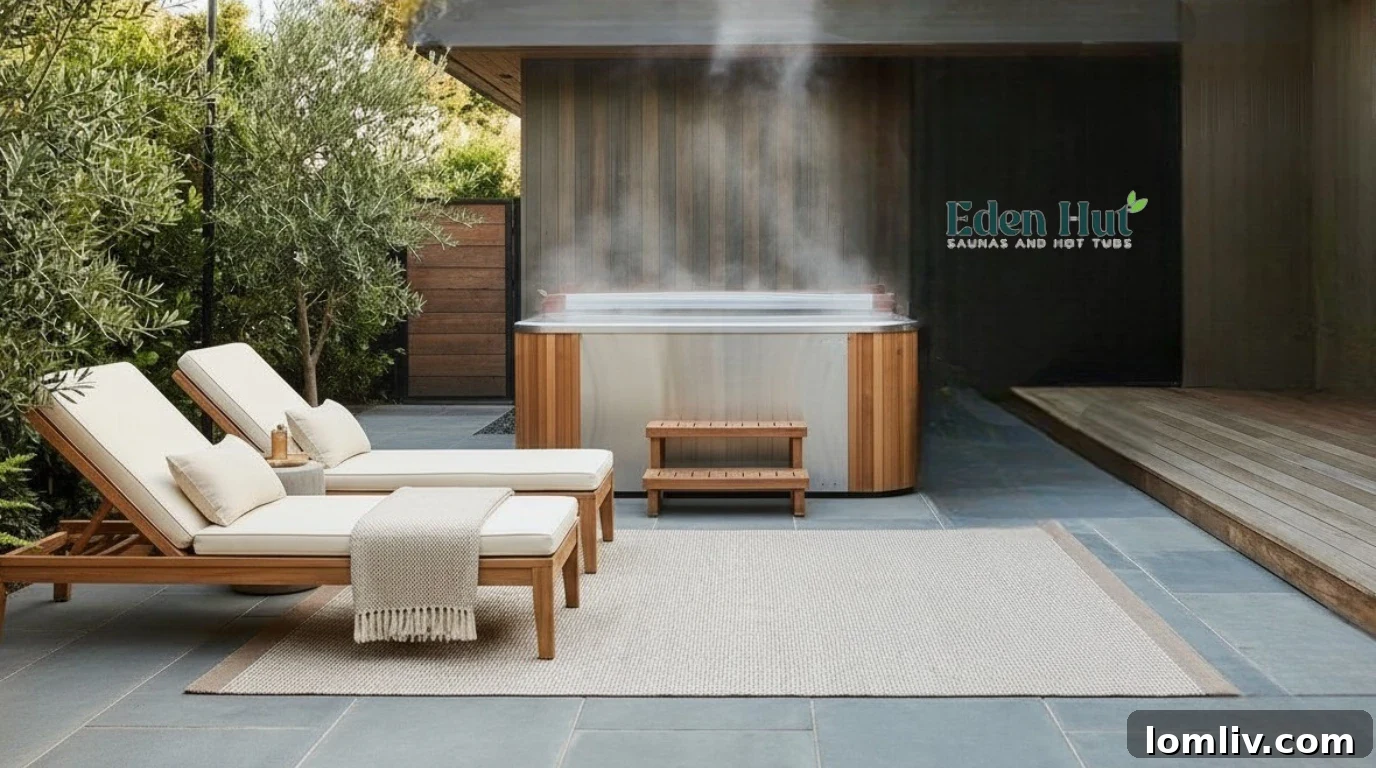
Real estate professionals frequently categorize hot tubs as a quintessential “love-it-or-hate-it” feature. For a specific segment of the market, a meticulously maintained hot tub, thoughtfully integrated into an aesthetically pleasing backyard, can be a monumental selling point. This often includes young families, couples in their thirties and forties, or anyone prioritizing a lifestyle centered around relaxation, entertainment, and wellness. To these buyers, a hot tub transcends mere amenity status; it represents a significant lifestyle upgrade. It conjures images of effortless outdoor entertaining, serene evenings spent unwinding beneath the stars, and a home that has been lovingly enjoyed and cared for, offering an immediate sense of luxurious escape.
Conversely, a substantial number of buyers view a hot tub as an immediate red flag. Their initial thought process often jumps directly to concerns about escalating electric bills, the demands of ongoing chemical maintenance, and potential repair costs. First-time homebuyers, often operating on tighter budgets, and older buyers who are actively downsizing, tend to be particularly sensitive to these perceived burdens. Confronted with an older, above-ground acrylic tub, they may instinctively begin calculating the financial and logistical costs of its removal, sometimes even before they’ve completed the showing, seeing it as an immediate chore rather than a perk.
Ultimately, whether a hot tub enhances or detracts from your home’s appeal hinges almost entirely on its presentation and seamless integration. A neglected, beat-up plastic tub, marred by a sagging, moldy cover and resting precariously on a cracked concrete slab, instantly becomes a liability. Such an eyesore can significantly diminish the perceived value of the entire outdoor space, overshadowing other positive features. In stark contrast, a sparkling clean, modern hot tub, artfully built into a custom-designed deck or surrounded by elegant landscaping, conveys an unmistakable sense of premium luxury. The identical model of hot tub can elicit vastly different reactions – either compelling a buyer to submit a strong offer or causing them to walk away – purely based on how naturally and attractively it complements the backyard environment and overall home aesthetic.
When a Hot Tub Actually Boosts Your Appraisal Value
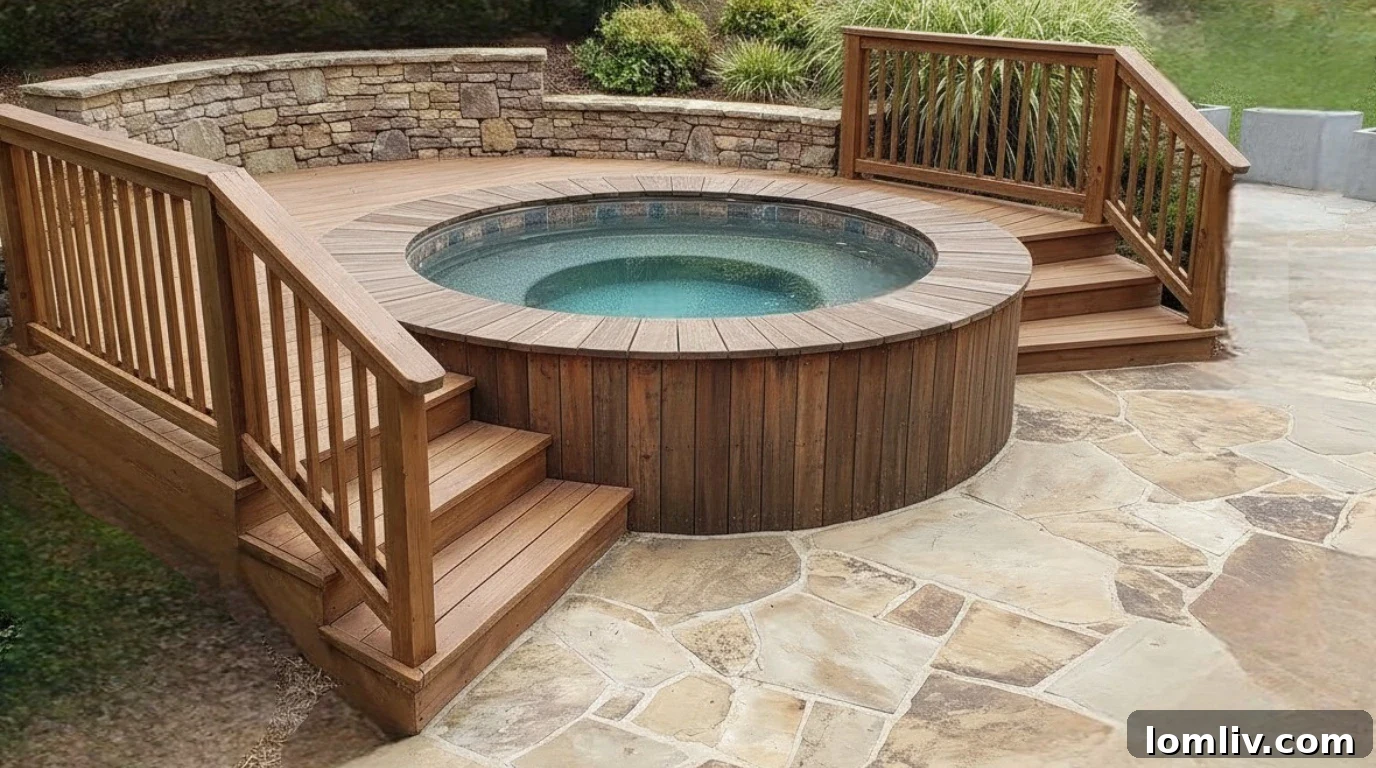
From the precise vantage point of an official home appraisal, the criteria governing a hot tub’s impact on property value are generally quite clear-cut. Professional appraisers typically classify portable, above-ground hot tubs as “personal property.” This crucial distinction means they frequently add little to no value to the official bank appraisal, much like a barbecue grill or patio furniture. Built-in hot tubs, however, are treated entirely differently. If a hot tub is permanently incorporated into the landscape design – perhaps as an integral component of an in-ground swimming pool area, surrounded by custom-built masonry, or seamlessly integrated into a permanent deck structure – an appraiser is far more inclined to consider it a “fixture” and factor its contribution into the overall home’s value.
The most significant boost to appraisal value occurs when the hot tub’s style and placement are in perfect harmony with both the home’s architectural character and its specific geographical location. Consider, for instance, a rustic mountain cabin featuring a sprawling stone patio and a charming, built-in wood-fired hot tub. This type of setup perfectly aligns with the outdoor-centric lifestyle that buyers specifically seek in such an area, making them genuinely willing to pay a premium for this added amenity. Contrast this appealing scenario with a typical suburban home where a standard plastic hot tub is simply placed on a basic concrete slab in the middle of a modest lawn. In this latter case, the hot tub generally adds very little, if any, discernible value to the property’s asking price, as it often appears as an incongruous addition rather than an integrated feature.
Hot tubs tend to contribute more substantial value in popular vacation destinations, rural retreats, or properties situated near major cities that offer a distinct “getaway” vibe. This is because they intrinsically match the desire for leisure and relaxation that buyers actively seek in these types of markets. Conversely, in dense urban environments where outdoor space is a luxury and often severely limited, buyers typically prioritize internal features such as ample closet space, meticulously updated kitchens, and highly functional layouts. In such contexts, backyard “extras” like hot tubs simply carry less weight in their purchasing decisions, often being viewed more as space-fillers than value-enhancers.
Consequently, real estate agents frequently advise sellers to drain and entirely remove older, cheap, or poorly maintained portable hot tubs before officially listing their home. The prospect of a buyer having to worry about the cost and hassle of hauling away an old, unsightly tub can significantly dampen their interest and enthusiasm, often more so than presenting an attractive, empty patio ever would.
Why the Style of the Tub Matters: Beyond Just Functionality
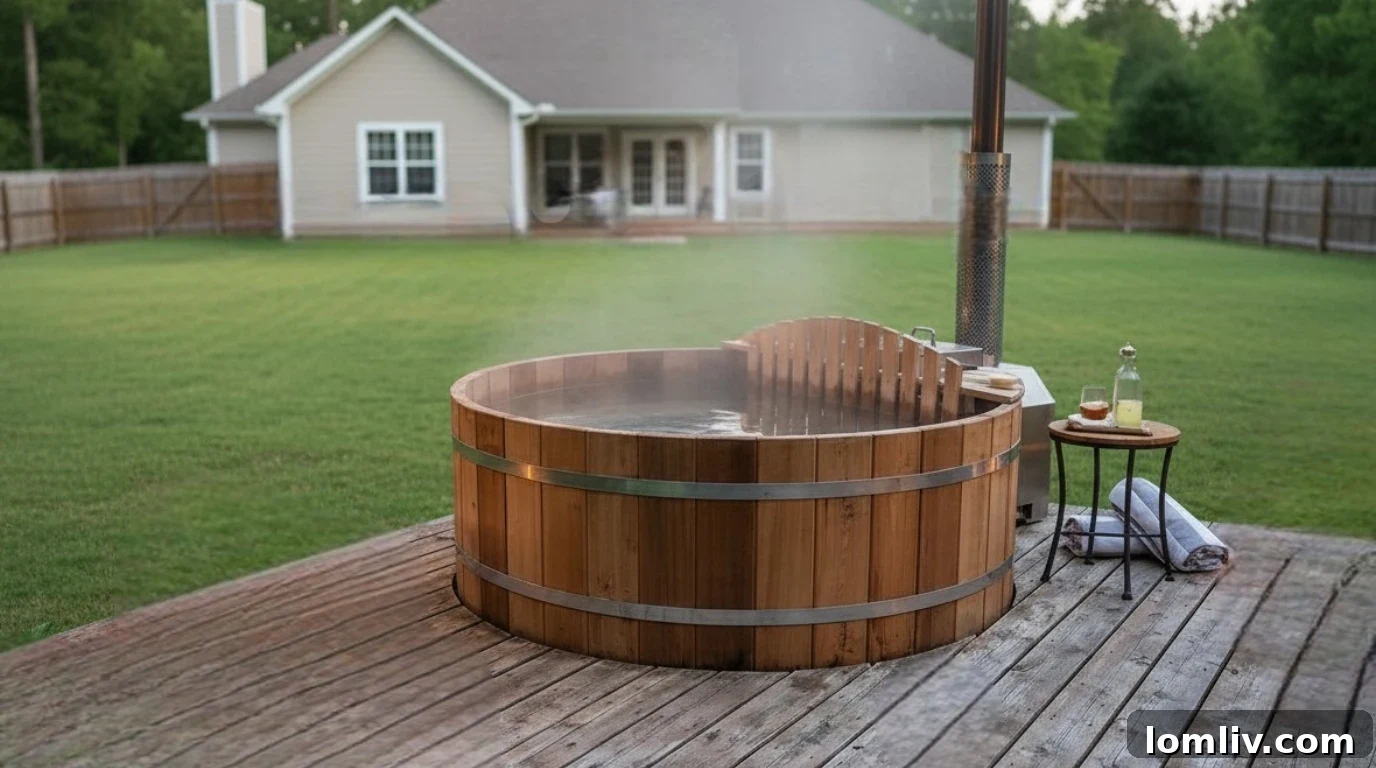
Buyer preferences, particularly in the realm of outdoor amenities, have undergone a noticeable shift in recent years, leaning strongly towards natural materials and sustainable aesthetics. This evolving taste means that a wood-fired cedar tub, for example, evokes a vastly different perception and emotional response compared to a standard, mass-produced acrylic model. This subtle yet significant difference can powerfully work in a seller’s favor, elevating the perceived value and appeal of their property.
A beautifully crafted cedar barrel tub, with its organic lines and warm tones, looks and feels like an intentional, harmonious component of the natural landscape, rather than a bulky, utilitarian appliance simply placed in the yard. Moreover, it skillfully bypasses one of the primary deterrents for energy-conscious buyers: the ongoing, often substantial electricity costs associated with traditional hot tubs. Wood-fired options also typically sidestep the need for a cluttered cabinet filled with harsh pool chemicals or the eyesore of a cracked, weather-beaten vinyl cover that degrades rapidly after just a few winters. Properly installed and aesthetically pleasing wood-fired hot tubs, such as the increasingly popular edenhut tubs found in many contemporary UK gardens, are not merely mentioned in the fine print. Instead, they are prominently photographed and proudly featured in property listings, serving as a key highlight rather than an apologetic disclosure.
Real estate agents specializing in charming cottage properties, picturesque countryside homes, and burgeoning vacation rental markets have been quick to observe and adapt to this pronounced shift in buyer sentiment. Where once many agents instinctively advised clients to remove acrylic tubs prior to listing, a growing number now actively recommend retaining well-maintained wood-fired tubs and even strategically staging the surrounding yard to emphasize their unique appeal and rustic charm. This reflects a broader trend of buyers valuing authenticity, natural integration, and lower long-term environmental impact in their outdoor living choices.
The Short-Term Rental Profit Angle: A Game Changer for Investors
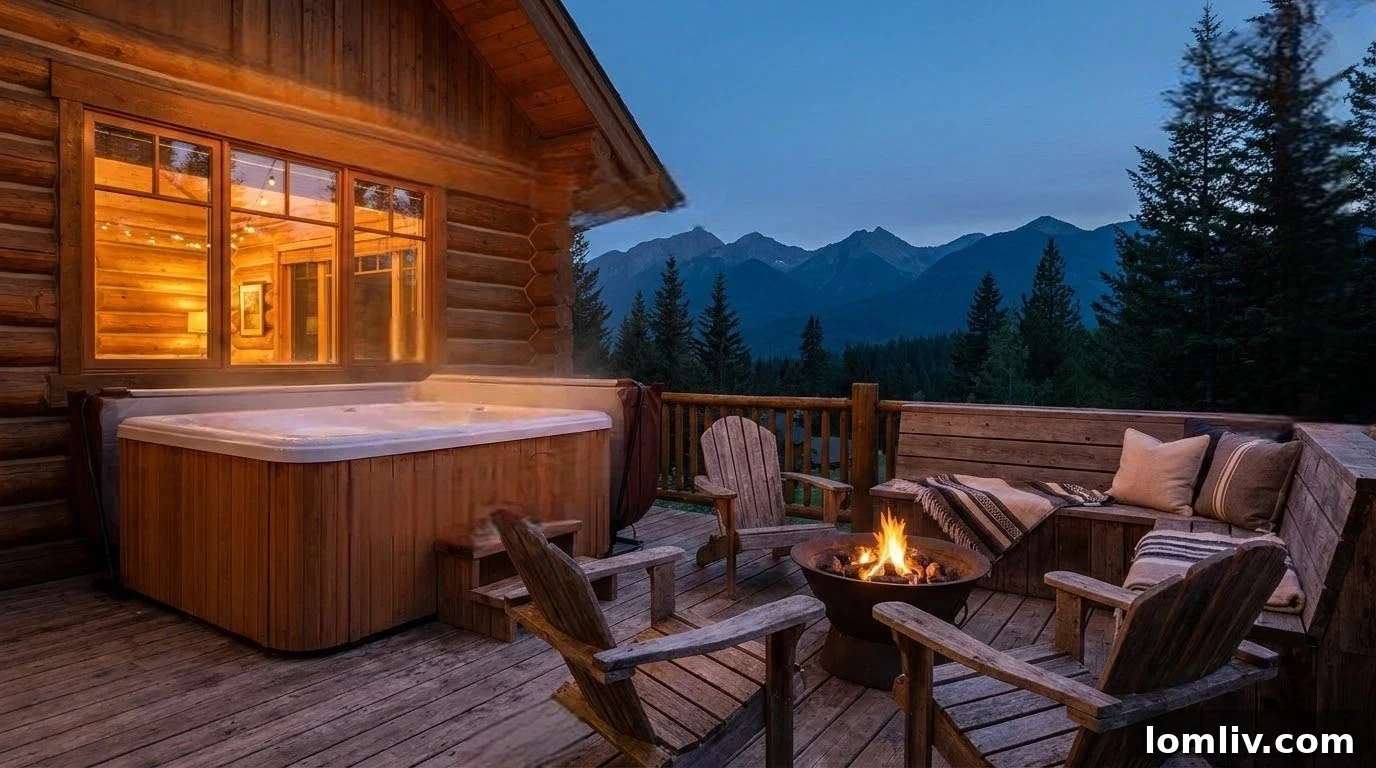
For properties with potential as short-term rentals, the presence of a hot tub, particularly a well-integrated and appealing one, can fundamentally alter the financial calculus. Homes equipped with desirable outdoor amenities, such as a private hot tub, consistently command significantly higher nightly rates on popular platforms like Airbnb and Vrbo. This strong correlation between amenities and increased revenue means that real estate investors and individuals seeking second homes or vacation properties actively seek out listings that already boast these attractive features, viewing them as immediate income generators rather than future investments.
Empirical data from the short-term rental market robustly supports this claim: a cabin or vacation home featuring a charming wood-fired hot tub, for example, can typically charge anywhere from twenty-five to forty percent more per night compared to an otherwise similar property lacking this amenity. Beyond just higher rates, these properties also tend to maintain stronger occupancy rates throughout the year, attracting a steady stream of guests eager for a relaxing and amenity-rich experience. This augmented income potential directly translates into a higher property valuation for savvy investors, who calculate their return on investment based on projected rental earnings. Even primary homebuyers, especially those with a forward-thinking mindset, may consider the future possibility of rental income and be willing to pay a greater upfront price for a home that offers this lucrative potential.
This trend is exceptionally pronounced in established vacation markets renowned for their natural beauty and tourist appeal, such as the Smoky Mountains, Lake Tahoe, Aspen, or the entire Pacific Northwest region. In these areas, a hot tub is often seen as a prerequisite for a desirable rental experience. Conversely, in standard suburban neighborhoods situated outside major metropolitan areas like Dallas or Houston, the Airbnb potential of a hot tub is significantly diminished. In these more conventional residential zones, the hot tub’s primary value proposition is almost exclusively tied to private family enjoyment and enhancing the personal backyard lifestyle, with minimal impact on investment-driven resale value.
Smart Moves to Protect Your Home Value Before Selling
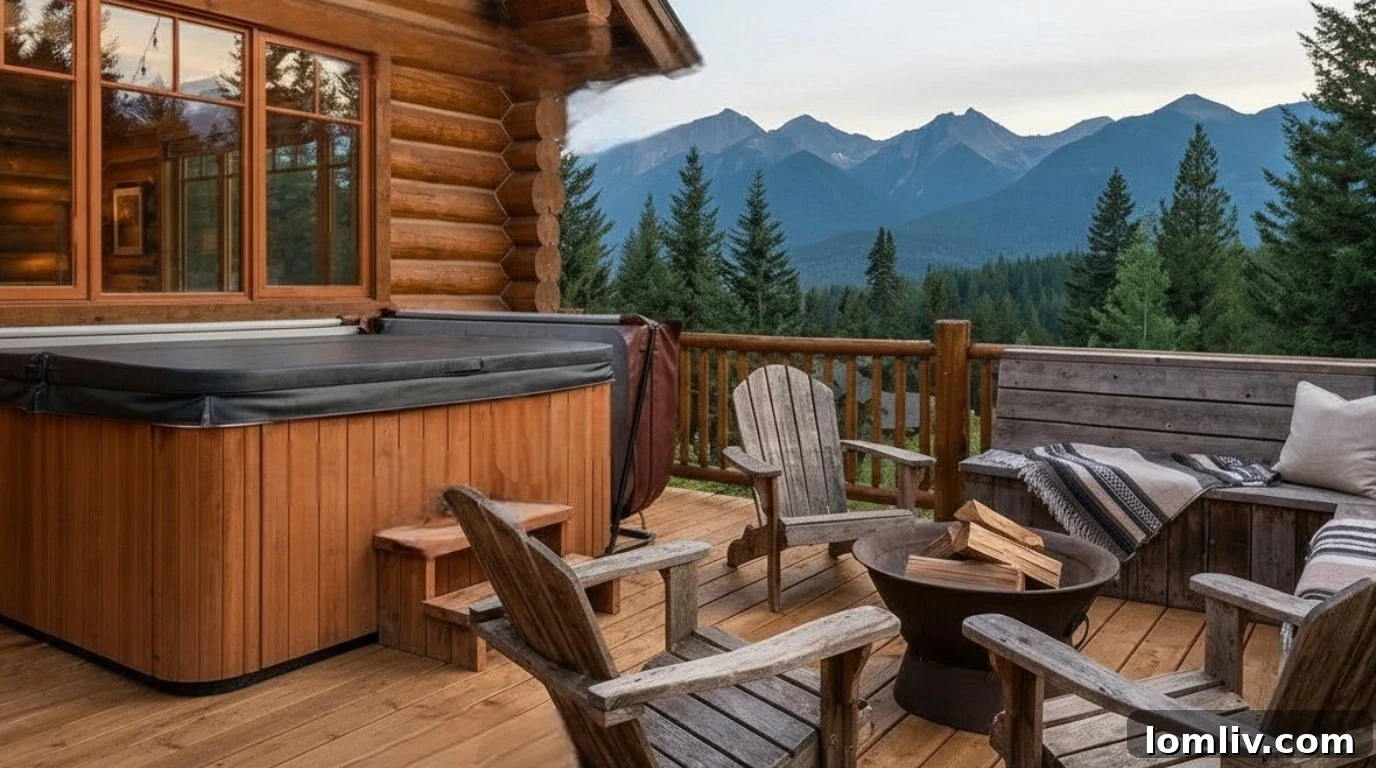
For homeowners actively preparing to list their property, taking proactive and practical steps to ensure any existing hot tub positively contributes to their home equity is paramount. In real estate, presentation is absolutely everything. This means consistently keeping the hot tub covered when it’s not in active use, protecting it from debris and maintaining its cleanliness. Equally important is the meticulous upkeep of the surrounding area: power washing the deck or patio, clearing away any leaves or grime, and ensuring the immediate vicinity is spotless. If the tub is deliberately left uncovered and running during a showing – perhaps to demonstrate its functionality and appeal – the water must be absolutely crystal clear and emit a clean, fresh scent. An empty, dirty, or stagnant hot tub can immediately create a negative impression, unfairly dragging down a buyer’s overall perception of the entire property and its maintenance level.
Buyers gain significant confidence and comfort when provided with transparent information about the hot tub. This includes its age, a detailed history of maintenance and repairs, and an estimate of the average monthly utility cost. A concise, one-page specification sheet placed prominently on the kitchen counter during an open house can preemptively answer many common questions, thereby alleviating potential concerns before buyers even voice them. If you own an older, above-ground acrylic tub that has surpassed the six-year mark, it’s often a wise investment to consider hiring a professional junk removal company to dispose of it. The typical cost for hot tub removal usually falls within the range of two hundred to five hundred dollars, a relatively minor expense when weighed against the potential negative impact on a sale.
Eliminating an old, unsightly hot tub that has become an obvious eyesore frequently leads to a better final sale price compared to attempting to offload the problem onto the next owner, who will likely factor in removal costs or be put off by the inconvenience. Wood-fired tubs, given their unique appeal and lower maintenance perception, generally operate under a different set of rules; they are typically kept and often effectively marketed as a distinct selling point, provided they are well-maintained and aesthetically pleasing.
The Bottom Line: A Strategic Investment, Not an Automatic Gain
In the dynamic real estate landscape of 2026 and beyond, outdoor hot tubs certainly possess the potential to boost home value, but this hinges entirely on a specific set of favorable conditions. For a hot tub to be considered an asset, it must be of the right style, appear immaculately clean, and feel like an organic, integrated component of the overall backyard design. The days when simply owning a hot tub automatically added value are largely over. Today’s discerning buyers are paying exceptionally close attention to long-term energy costs, ongoing maintenance requirements, and the amount of work a particular feature will demand after they close on the property.
Homeowners contemplating the installation of a new hot tub should strategically focus on creating a comprehensive and harmonious outdoor living space. A beautifully designed tub, complemented by comfortable seating areas, thoughtful lighting, and a clean, uncluttered layout, can significantly enhance property value in the right market. Conversely, an outdated plastic tub placed haphazardly on a neglected patio is far more likely to have the opposite effect, diminishing rather than elevating appeal.
Before making any major decisions or calling a listing agent, homeowners should take an honest and objective look at their backyard. Property value is a complex mosaic influenced by numerous factors, and outdoor amenities are just one crucial piece of that intricate puzzle. To gain truly precise and reliable insight into which upgrades will genuinely pay off in your specific neighborhood, the most effective course of action is to consult with a knowledgeable local real estate agent. They possess invaluable access to recent comparable sales data and an intimate understanding of local market trends, enabling them to provide you with a far clearer and more accurate answer than any general rule possibly could.