By Phil Crone
Executive Officer, Dallas Builders Association
In a time not so long ago, the journey to secure a residential building permit in Dallas was remarkably straightforward for members of the Dallas Builders Association. Builders could simply visit the City of Dallas’s Oak Cliff Municipal Center (OCMC), submit their applications, and often walk out with an approved permit within a matter of hours. The biggest challenge some faced might have been finding a parking spot, a task that occasionally took nearly as long as the permit approval process itself. This efficiency was a testament to a system that, for all its occasional quirks, largely functioned as a well-oiled machine, supporting rapid development and fostering a vibrant local construction industry.
While most days offered prompt service, there were exceptions. On particularly busy mornings, dedicated applicants would form lines in the early hours, hoping to secure same-day review and approval. The scene, with contentious applicants vying for prime positions in front of the somewhat antiquated “bomb shelter” building, increasingly highlighted the need for a modern, virtual component to streamline and de-stress the entire permitting experience. The vision was clear: to evolve beyond physical queues and into a more accessible digital future.
The Unfolding Saga of ProjectDocs: A Digital Transformation’s Rocky Start
The quest for a more efficient, digital permitting system began a couple of years prior. This ambitious initiative, centered around a system known as “ProjectDocs,” progressed with intermittent starts and stops. However, the arrival of the COVID-19 pandemic in early 2020 served as an unexpected and powerful catalyst, pushing the nascent digital system decisively into full, albeit unprepared, operation. Faced with county government mandates and the critical necessity of social distancing, the City of Dallas Building Inspections department, like countless other organizations, had to adapt with unprecedented speed in March.
As the residential construction industry bravely sprang back to life in late April and early May, it became painfully evident that the era of swift, predictable permitting had abruptly ended. The ease and speed once associated with obtaining permits had vanished, much like the large gatherings, festivals, and packed stadiums that were once hallmarks of pre-pandemic life. The transition to ProjectDocs, accelerated by the crisis, unveiled a myriad of complications that left builders, developers, and even city staff grappling with an unfamiliar and often frustrating new reality.
“The expectations for online permitting have never been met,” expressed Kelly Reynolds of Keen Homes, echoing a sentiment widely shared across the industry. “I recall when first introduced it took seven days or so and now it takes 30. I can’t see how anyone can feel this program is a success.” This stark increase in turnaround time, from an average of seven days to an agonizing thirty, underscored the significant regression in efficiency. What was intended as a modern upgrade had, for many, devolved into a bottleneck, jeopardizing project timelines and increasing operational costs. Dallas, once a beacon of efficiency in building permitting compared to its neighboring cities, where zoning, development, and utility connections often presented nightmarish processes, found its competitive edge severely blunted. While ProjectDocs is indeed utilized in various municipalities elsewhere, its specific implementation and deployment in Dallas exposed a unique set of challenges and systemic shortcomings.
ProjectDocs: Navigating the Perilous “Oregon Trail” of Permitting
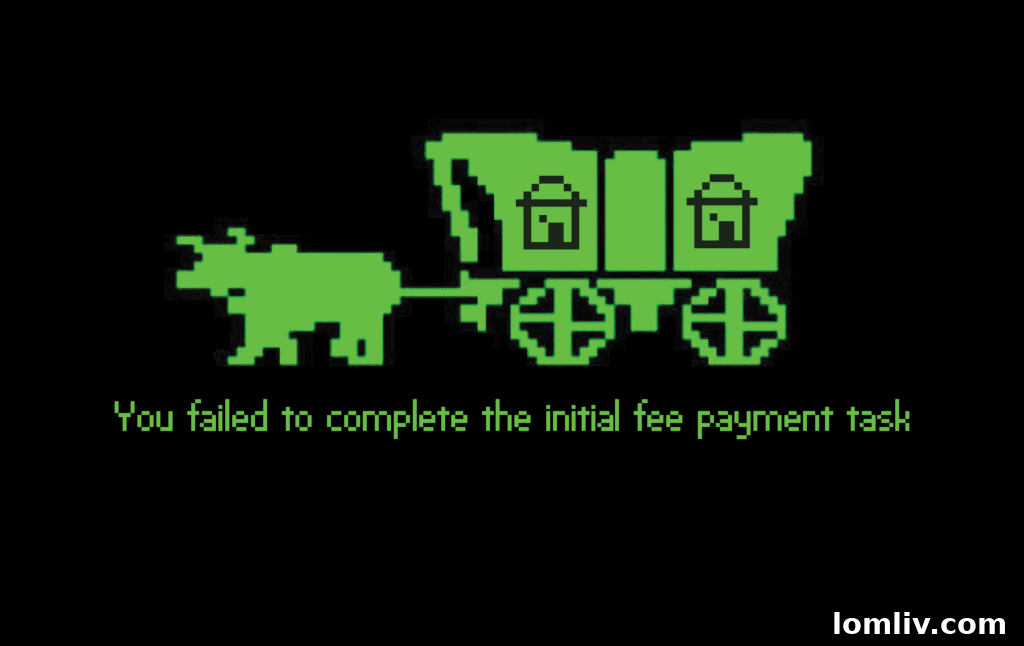
For individuals of a certain vintage, the current iteration of the ProjectDocs software evokes a distinct sense of nostalgia, yet also dread, conjuring vivid memories of “Oregon Trail.” This classic computer game, a staple of late ‘80s schoolrooms, offered both amusement and education, all contained within a humble five-inch floppy disk. The fundamental problem, of course, is that we are now well into the 2020s, and a system operating with the clunkiness of a decades-old game is causing tangible, severe economic damage. Thousands of dollars in interest carry are accumulating on stalled projects, and millions in much-needed new tax revenue for the city are being lost due to the persistent shortcomings and inefficiencies of ProjectDocs.
Much like the iconic little green wagon trudging precariously towards the promised land of the Willamette Valley, ProjectDocs applicants frequently encounter a daunting litany of perils and unforeseen obstacles on their protracted journey to permit approval. The digital path is strewn with technical tripwires and bureaucratic traps, each capable of derailing an application and forcing a restart.
Instead of the familiar dangers of snakebites, dysentery, and broken axles that plagued Oregon Trail pioneers, today’s builders and contractors face a different, yet equally frustrating, set of challenges. These include failing to describe work with the exact, mandated phrases; the tedious and error-prone requirement to upload PDFs page by page as separate files; grappling with stringent naming standards that often clash with strict character limits; meticulously ensuring plans are consistently in landscape orientation while supporting documents adhere to portrait; the critical need to purge specific layers from technical drawings; diligently clouding over all revisions and including comprehensive narratives to explain changes; or, a seemingly minor oversight, failing to include a scale bar on drawings. Any misstep in this intricate digital dance can leave applicants stranded, their progress erased, and force them to restart their entire application process, sending them back to the metaphorical “back of the line.”
Even after painstakingly navigating these preliminary hurdles, a final, often overlooked trap awaits. Think you’re finally done after successfully paying for the permit and receiving a confirmation screen? Not so fast! Many applicants discover, to their dismay, that if they fail to explicitly mark that final “task” as complete within the ProjectDocs interface, their entire application can remain in limbo. In a cruel twist of digital fate, failing to click that one last, seemingly innocuous button means you, too, are stranded, your hard-won progress nullified until the oversight is corrected.
Bureaucracy, But Significantly Slower: Exposing Systemic Inefficiencies
The exasperating permitting process is further complicated by systemic inefficiencies that often grind the system to a halt. It feels as if the “oxen pulling the system’s server” at City Hall habitually take an extended nap, particularly between 2 and 4 p.m., Tuesday through Thursday. This predictable slowdown, occurring during peak business hours, causes immense frustration, not only for applicants who see their work stall but also for city staff who are equally hampered by the sluggish performance. It points to deeper issues, potentially related to server capacity, network infrastructure, or inefficient resource allocation during critical operational windows.
Adding another layer of digital despair, the system enforces a strict 90-minute inactivity timer. If you fail to save your work within this period — you guessed it — all your progress vanishes, going the way of your social life this year. For complex residential projects requiring extensive detail and multiple document uploads, this arbitrary cutoff poses a significant hurdle, demanding applicants maintain constant vigilance and save frequently, often interrupting their thought process and adding unnecessary stress to an already taxing procedure. This design flaw suggests a system built without a deep understanding of user workflow or the practical realities of comprehensive application submissions.
Recognizing the profound and detrimental impact these issues have on the Dallas development landscape, the Dallas Builders Association (DBA) has proactively engaged in comprehensive dialogue with city staff. Our goal is to collaborate on initiatives aimed at making the ProjectDocs journey shorter, more predictable, and significantly less perilous for everyone involved. I am genuinely encouraged by the receptiveness shown by both dedicated city staff members and several council members who clearly understand and appreciate the ripple effect these permitting delays have on the economic vitality of Dallas and, more specifically, on the businesses tirelessly working to build and enhance our city. The stakes for rectifying these issues could not be higher, particularly as the ongoing impact of COVID-19 continues to accelerate the flight of residential construction to surrounding, often more permit-friendly, suburbs.
Forging a Path Forward: A Comprehensive, Visible Roadmap to Efficiency
The current state of Dallas’s online permitting system demands a clear and actionable path forward. This path must begin with the development and implementation of a comprehensive and visibly accessible roadmap. This roadmap needs to meticulously identify all the aforementioned “gotchas” – the precise technical requirements, the hidden steps, the specific naming conventions – in a manner that is universally understandable. It must cater to all applicants, regardless of their computer acumen, their prior experience with city processes, or the complexity of their project. This means providing clear, jargon-free instructions, visual aids, and easily digestible guides that demystify the process and allow applicants to anticipate and avoid common pitfalls before they even occur. This proactive approach would significantly reduce the learning curve and frustration.
Furthermore, a critical improvement lies in intelligently categorizing and separating permit applications. Simple, over-the-counter permits for trades, fences, minor repairs, demolition, and similar projects need to be clearly identified and processed separately from more complicated, multi-faceted new construction or major renovation permits. Streamlining the review process for these straightforward applications would not only expedite their approval, allowing smaller jobs to finish and new projects to start on time, but also free up valuable city staff resources. This reallocation of resources would enable dedicated attention to the more complex applications that genuinely require in-depth review, thereby improving efficiency across the board and reducing overall backlog.
Crucially, city staff must be equipped with the right tools, training, and support to work efficiently and effectively within the ProjectDocs system. OCMC is more than just a permit office; it serves as a vital gateway for economic development in our city. Necessary and strategic investments in productivity-enhancing tools – including faster servers, more intuitive software, robust network infrastructure, and regular system maintenance – will yield massive returns for the city in terms of accelerated development, increased tax revenue, and greater builder confidence. Correspondingly, staff need to be just as accessible, responsive, and helpful via email and phone as they once were when applicants stood directly across the counter. Enhanced customer service, coupled with robust technical support and clear communication channels, is paramount to rebuilding trust and fostering a collaborative environment.
While the challenges are significant and change will not happen overnight, meaning the trail will likely remain challenging for some time, I remain optimistic about our collective ability to effect meaningful improvements. Through continued collaboration between the Dallas Builders Association, city staff, and council members, we can start making tangible progress in the near future, transforming ProjectDocs from a source of frustration into a genuine enabler of Dallas’s growth and development.

Phil Crone is the Executive Officer of the Dallas Builders Association, the leading trade association and extensive network for builders and developers in the Dallas metropolitan area. Discover more about the invaluable work and advocacy of the DBA at dallasbuilders.com.