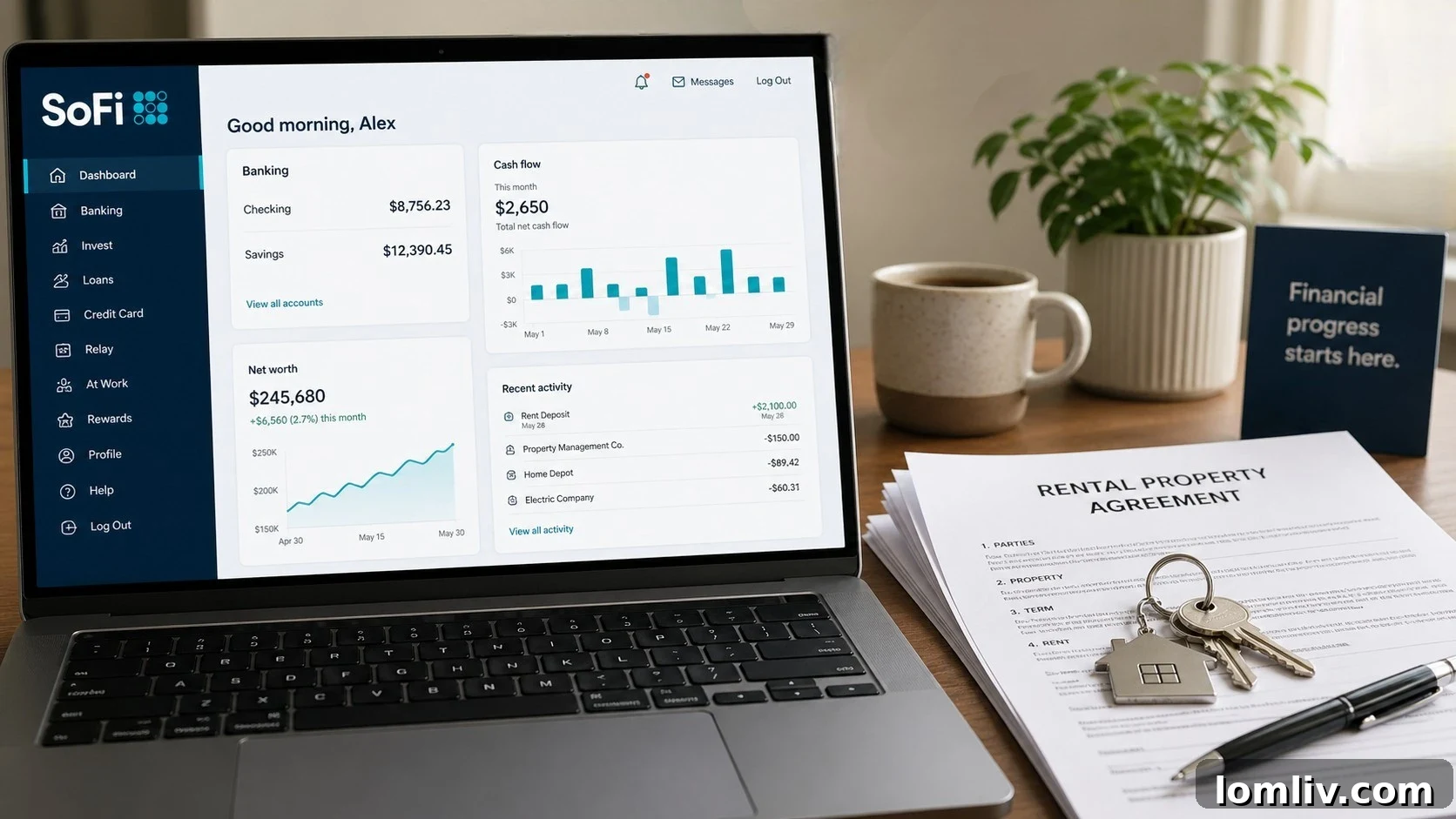
Real estate investing, at its core, isn’t just about finding the perfect property; it’s profoundly dependent on robust financial management. While the thrill of discovering a high-potential asset is undeniable, maintaining impeccably clean financial records is what truly protects and nurtures your profits. Many aspiring and even some new investors unfortunately overlook this critical step, only to encounter significant hurdles later when it comes to accurately tracking income, meticulously categorizing expenses, and understanding their true financial position.
At the heart of any well-structured real estate investment financial system lies a dedicated checking account. This might seem like a basic element, yet choosing the right account can dramatically simplify your daily transactions, streamline record-keeping, and provide an invaluable, crystal-clear overview of your investment finances. It serves as the central hub for all money flowing into and out of your real estate ventures, making it an indispensable tool for every serious investor.
Why Financial Organization Matters for Real Estate Investors

Managing real estate finances extends far beyond the simple acts of collecting rent and paying utility bills. As a real estate investor, you’re constantly juggling diverse income streams, contending with ongoing maintenance costs, planning for significant capital expenditures, and strategizing for future growth. Without a coherent and organized system, these various financial components can quickly devolve into a confusing tangle.
Consider rental income, for instance. It can originate from multiple tenants, across different properties, or even from various short-term rental platforms. Each payment, regardless of its source, needs to be recorded with unwavering accuracy. Without a clear, centralized system, it’s alarmingly easy to miss payments, incorrectly attribute funds, or, more critically, lose track of how each individual property or rental unit is performing financially. Organized finances aren’t just a matter of convenience; they are a prerequisite for seamless tax preparation. With all your financial data consolidated and categorized, tax season transforms from a period of dread into a manageable task. This significantly reduces stress, minimizes the time and effort required, and, perhaps most importantly, helps to mitigate the risk of costly tax mistakes or missed deductions that could erode your profits.
Beyond the realm of taxation, exemplary financial organization profoundly enhances your decision-making capabilities. When you possess an immediate and clear view of your income, expenses, and net returns for each asset, you gain the clarity needed to make informed strategic decisions. This visibility empowers you to objectively assess whether a specific property is worth retaining, warrants further investment for updates or renovations, or if it’s time to sell and reallocate capital. Good, reliable numbers are the bedrock of better, more profitable investment choices, driving long-term success and portfolio growth. Furthermore, proper financial separation between personal and business finances can offer a layer of legal protection, especially if your real estate ventures are structured as a formal business entity, preventing the “piercing of the corporate veil” in the event of legal challenges.
How a Checking Account Supports Your Investment Plan
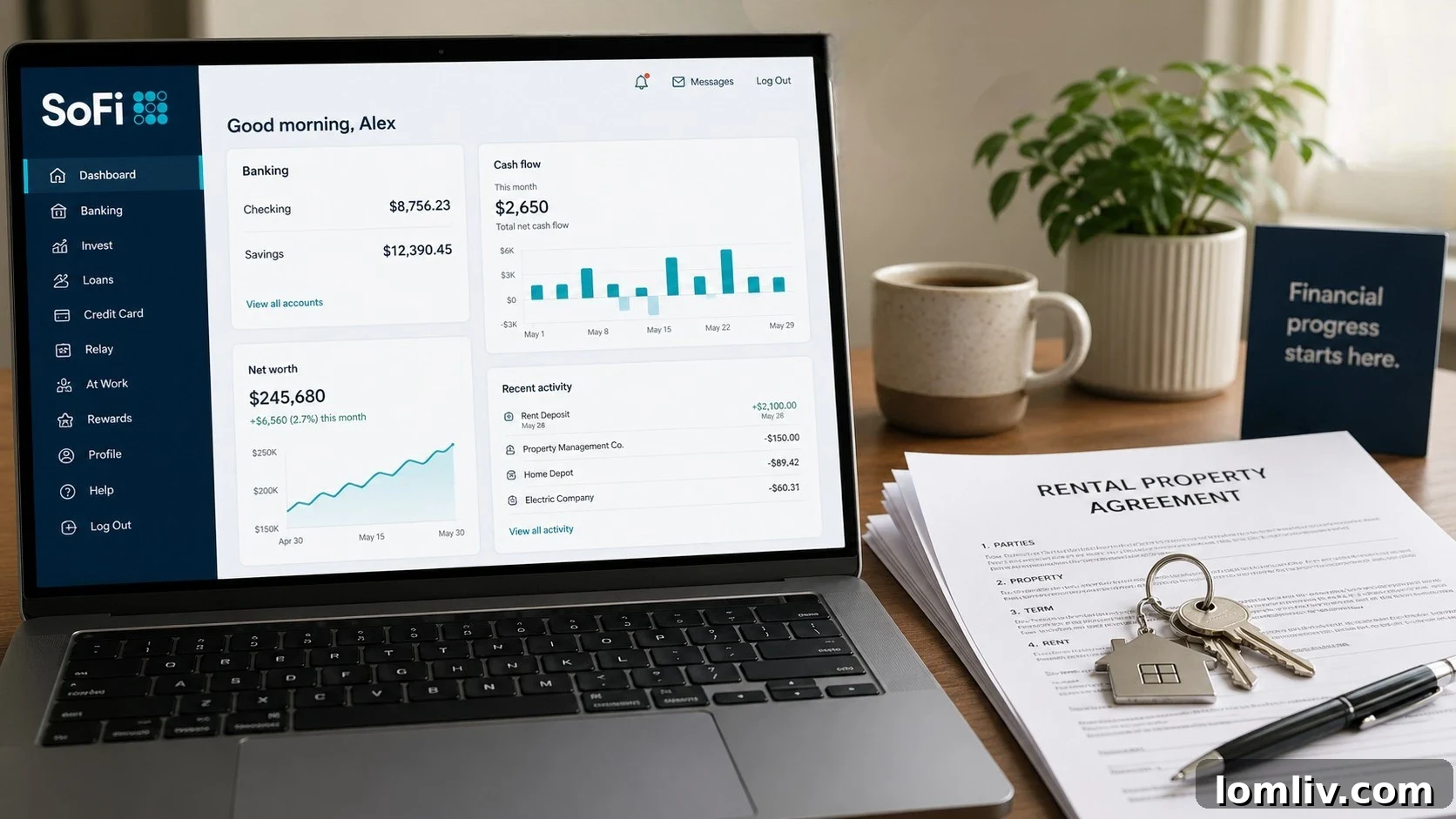
A dedicated checking account serves as the foundational anchor of your entire financial system for real estate investing. By channeling all your investment-related funds through a single, distinct account, you create a clear and auditable trail for every transaction. This singular point of entry and exit for your money allows you to monitor all financial activity with ease, eliminating the need to sift through multiple, disparate accounts or commingle personal and business funds – a common pitfall for many novice investors.
By strictly segregating rental income and all property-related expenses within one investment-specific account, you inherently simplify your record-keeping process. This systematic approach makes your financial records significantly easier to follow, understand, and audit. It provides real-time visibility into your cash flow, allowing you to accurately track how money moves in and out of your real estate business. This constant oversight is crucial for understanding the financial health of your portfolio. The importance of separating personal and investment finances cannot be overstated; it removes confusion, ensures the integrity of your business records, simplifies tax preparation, and offers essential legal protection for your personal assets.
Many new real estate investors are often looking for straightforward, accessible ways to initiate their ventures without unnecessary complexity or significant upfront capital outlays. This is precisely why options such as a free checking account with no credit check or initial deposit requirement can be particularly appealing during the early stages of an investment career. These types of accounts allow investors to establish a dedicated financial hub for their business activities efficiently, without locking up valuable extra cash upfront that could otherwise be allocated to property acquisition, initial repairs, or an emergency fund. They provide a low-barrier entry point to implementing sound financial practices from day one, fostering good habits that will serve an investor well as their portfolio expands and their operations become more sophisticated.
What to Look for in a Real Estate Investor Checking Account
Choosing the ideal checking account for your real estate investments requires more careful consideration than simply opening the first account you stumble upon. A few key features can make a substantial difference in how easily and effectively you manage your real estate finances over the long term. Selecting an account that aligns with the specific demands of property ownership and management can be a game-changer for your operational efficiency and profitability.
Here’s what every savvy real estate investor should prioritize when evaluating checking accounts:
- Low or No Monthly Fees: Protecting your hard-earned profits is paramount. Monthly maintenance fees, especially when managing multiple properties, can subtly erode your margins over time. Opt for an account that offers minimal or, ideally, no monthly fees, or provides clear pathways to waive them (e.g., maintaining a minimum balance or specific transaction volume). Every dollar saved on banking fees is a dollar that can be reinvested into your properties or kept as profit.
- Robust Online and Mobile Access: In today’s fast-paced world, an investor needs to be able to manage their finances anytime, anywhere. Strong digital banking platforms allow you to conveniently monitor transactions, transfer funds between accounts, pay bills, deposit checks, and stay informed about your financial activity from your smartphone or computer, whether you’re at a property site, traveling, or at your desk. Features like real-time alerts for transactions can be invaluable for security and monitoring.
- Flexible Transaction Limits and Capabilities: Real estate investing often involves significant and sometimes frequent financial movements. Ensure the account can handle large deposits from rental income or property sales, as well as substantial payments for property acquisitions, major repairs, or contractor services, without imposing restrictive limits or incurring excessive fees for larger transactions. The ability to handle ACH transfers, wire transfers, and electronic bill payments is also crucial.
- Seamless Accounting Software Integration: The ability to easily integrate your checking account with popular accounting software (like QuickBooks, Xero, or other property management platforms) is a major time-saver. This feature automates data entry, reduces the risk of manual errors, and simplifies the categorization of income and expenses. Such integration allows for efficient generation of financial reports, which are essential for performance analysis, tax preparation, and strategic planning.
- FDIC Insurance: Always confirm that your chosen bank is FDIC insured, protecting your deposits up to the legal limit, typically $250,000 per depositor, per insured bank, for each account ownership category. This provides essential peace of mind, safeguarding your investment capital.
- Responsive Customer Service: While digital tools are convenient, there will inevitably be times when you need to speak with a human. Evaluate the bank’s customer service reputation, looking for responsiveness, knowledgeable staff, and multiple channels for support (phone, chat, in-person).
Ultimately, an account that can effortlessly handle your daily financial activities, accommodate the unique demands of real estate, and integrate smoothly with your existing tools, all without accumulating unnecessary charges, will prove to be an invaluable asset that saves you both precious time and money in the long run.
How the Right Account Keeps You Organized
The strategic benefits of a well-chosen checking account extend far beyond mere convenience; it fundamentally shapes the way you manage your money on a day-to-day basis and influences the overall financial health of your real estate portfolio. It acts as a pivotal tool for fostering financial discipline and clarity.
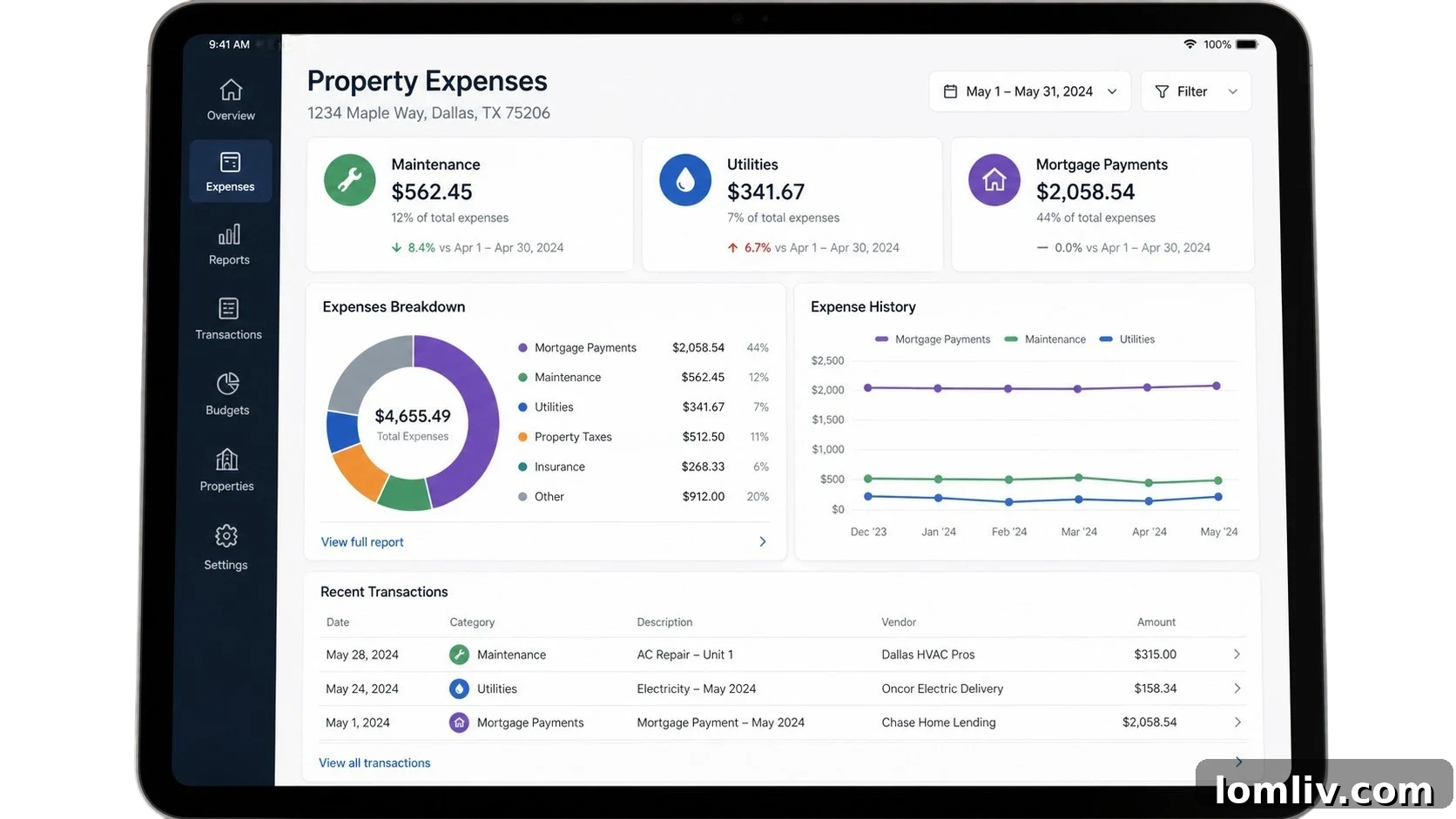
With the appropriate account setup, you gain the ability to meticulously categorize and track every expense, whether it’s routine maintenance, fluctuating utility costs, property taxes, insurance premiums, or consistent mortgage payments. This granular level of detail makes it incredibly easy to understand precisely where your money is going, helping you identify spending patterns, uncover potential inefficiencies, and even spot areas for cost reduction. This profound level of financial insight forms the bedrock for superior budgeting and allows you to proactively plan for future costs, ranging from anticipated capital expenditures like a roof replacement or HVAC system upgrade, to unforeseen challenges such as extended vacancies or emergency repairs.
Furthermore, channeling all your investment-related transactions through one organized system dramatically simplifies your bookkeeping efforts. Instead of struggling to sort through a scattered collection of paper receipts, various statements from different accounts, or disparate spreadsheets, you have a centralized, easily accessible repository for all your financial data. This consolidation saves an immense amount of time during monthly reviews, quarterly reconciliations, and annual tax preparations. It also significantly reduces the likelihood of errors, ensuring your financial records are consistently accurate and reliable. This systematic approach contributes to greater peace of mind and frees up valuable time that can be better spent on growth strategies or property improvements, rather than wrestling with disorganized finances.
Common Money Mistakes Real Estate Investors Make

Even seasoned real estate investors can find themselves struggling with maintaining pristine financial records if they lack the appropriate systems and discipline. The allure of quick profits can sometimes overshadow the critical importance of diligent money management, leading to common, yet avoidable, pitfalls that can undermine an investment’s success.
One of the most pervasive and damaging mistakes is the practice of mixing personal and business funds, often referred to as “commingling.” This creates a blurred line between your personal finances and your investment activities, leading to profound confusion, making accurate tracking nearly impossible, and complicating tax preparation significantly. Beyond the operational headaches, commingling can also expose your personal assets to business liabilities, particularly if your investment entity is challenged legally.
Another frequently encountered issue is the failure to consistently record expenses. Whether it’s small repair costs, marketing fees, or travel related to properties, neglecting to log every outgoing payment can result in incomplete financial data. This not only leads to a skewed understanding of your property’s true profitability but also means you could be missing out on valuable tax deductions, thereby overpaying on your taxes. Poor record-keeping directly translates into poor business decisions, as you’re operating without a full picture of your financial performance.
Some investors also unfortunately overlook or underestimate the cumulative impact of small banking fees. While a few dollars here and there might seem insignificant, these charges can add up substantially over months and years, especially across multiple properties or frequent transactions. Regularly reviewing bank statements for these subtle drains on your capital is crucial. Furthermore, many investors fall into the trap of using multiple bank accounts without a clear, logical structure, making their financial landscape fragmented and incredibly difficult to manage. This often leads to missed transactions, reconciliation nightmares, and an overall lack of clarity about their financial position.
Finally, a lack of an adequate emergency fund for each property or the portfolio as a whole is another critical misstep. Unexpected repairs, prolonged vacancies, or sudden market shifts can quickly drain resources if a dedicated reserve isn’t in place, potentially forcing investors into difficult financial decisions or even distress sales. Avoiding these common errors requires proactive planning, discipline, and the implementation of robust financial systems from the outset.
Tips for Setting Up Your Finances
Creating an effective financial system for your real estate investments doesn’t have to be overly complicated, but it absolutely demands consistency and a disciplined approach. Implementing sound financial habits from the very beginning will lay a strong foundation for sustainable growth and success.
Start with these essential steps to streamline your real estate financial management:
- Open a Dedicated Checking Account Early: This is arguably the most fundamental step. Establish a separate, distinct checking account specifically for your real estate investment activities as soon as you begin. This ensures your personal and investment finances remain completely separate from day one, preventing commingling issues, simplifying tax preparation, and providing a clear audit trail.
- Automate Rent Collection and Recurring Payments: Leverage technology to automate as much of your financial workflow as possible. Set up online payment portals for tenants to automatically deposit rent directly into your investment account. Similarly, automate recurring payments for mortgages, property taxes, insurance premiums, and utility bills. This saves considerable time, reduces the risk of missed payments or late fees, and ensures a consistent cash flow.
- Consider Separate Accounts for Different Properties as Your Portfolio Grows: While one dedicated account might suffice for a single property, as your portfolio expands to include multiple rental units or diverse investment properties, establishing separate checking accounts for each property can offer enhanced clarity. This allows you to easily track the individual profitability and performance of each asset, making it simpler to identify high-performing properties and address underperformers.
- Review Your Bank Statements Regularly and Reconcile: Make it a non-negotiable habit to review your bank statements frequently—at least monthly. Cross-reference all transactions against your internal records or accounting software. This practice helps you catch small discrepancies, identify potential errors, spot unauthorized transactions or fraud early, and ensure your books are always accurate. Regular reconciliation is a cornerstone of sound financial health.
- Implement Reliable Accounting Software: Invest in a good accounting or property management software (e.g., QuickBooks, Xero, Buildium, AppFolio). These tools are designed to categorize income and expenses, generate financial reports, track tenant information, and simplify tax preparation, providing an invaluable resource for efficient financial oversight.
- Build an Emergency Reserve Fund: Allocate a portion of your profits to a dedicated emergency fund for each property or your portfolio. This fund acts as a financial cushion for unexpected repairs, maintenance, or periods of vacancy, preventing these events from derailing your cash flow or forcing you into debt.
A simple, well-maintained system is almost always the easiest one to sustain. The overarching key to financial success in real estate investing is to keep your records clear, consistently update them, and regularly review your financial performance to make informed decisions.
Frequently Asked Questions
Do I need a business checking account?
Many investors ponder whether a formal business checking account is a strict requirement. While not always legally mandated for sole proprietors or very small operations, it is almost always the superior choice for maintaining organizational clarity, simplifying tax compliance, and strategically planning for future growth. A business account clearly demarcates your personal and investment finances, offering enhanced legal protection and a more professional image. If you operate as an LLC, S-Corp, or C-Corp, a business checking account is absolutely essential and often legally required to maintain the corporate veil.
Is one account enough for multiple properties?
For a beginner with one or two properties, a single dedicated investment checking account can certainly work effectively to track overall performance. However, as your portfolio expands to include several properties, or if your properties have significantly different performance profiles, establishing separate accounts for each property can dramatically simplify financial analysis. This allows for clear, individual performance tracking, making it easier to identify profitability per asset, manage specific property budgets, and allocate funds appropriately.
What are the most important account features?
The most crucial features to prioritize in a real estate investor checking account are low or no monthly fees, robust and reliable digital access (online and mobile banking), strong transaction tracking and reporting capabilities, and seamless integration with accounting software. Online checking accounts are often a highly practical and preferred choice for many investors due to their inherent flexibility, convenience, and typically lower fee structures, all without compromising on the essential tools and features required for effective financial management.
How do I choose between different banks for my real estate account?
When selecting a bank, consider its reputation, customer service availability, branch network (if you prefer in-person services), and the breadth of its business banking services. Some banks specialize in services for small businesses or real estate investors, which might offer more tailored features or better support. Compare their fee structures, online banking platforms, and how easily they integrate with your chosen accounting tools.
Should I also get a dedicated credit card for my real estate business?
Yes, acquiring a dedicated business credit card for your real estate investments is highly recommended. Similar to a checking account, it helps keep business expenses separate from personal ones, simplifies expense tracking, and can help build business credit. Look for cards with favorable rewards programs (e.g., cashback on business purchases) and clear spending limits.
Final Thoughts
Effective financial organization is not merely a desirable trait in real estate investing; it is an absolute necessity, and its foundation begins with the thoughtful selection of the right checking account. While this might initially appear to be a minor administrative decision, its impact on your ability to efficiently manage money, track performance, and ultimately achieve sustained profitability over time is profound. A meticulously structured and appropriately chosen checking account empowers you to accurately monitor income streams, gain rigorous control over expenses, and make critical investment decisions with greater confidence and clarity.
Investing the time and effort to set up a robust and organized financial system now will not only simplify the day-to-day management of your properties but will also serve as a crucial catalyst for long-term success and growth in your real estate investment journey. It’s an investment in your financial future, paving the way for a more streamlined, profitable, and less stressful investment experience.