Embarking on large-scale real estate projects, whether they involve sprawling commercial complexes, vibrant residential communities, or innovative mixed-use developments, represents a significant undertaking. These ambitious ventures demand meticulous planning, precise execution, and an unwavering commitment to financial prudence and long-term viability. Success hinges on a complex interplay of strategic decisions, robust project management, and effective collaboration across numerous stakeholders.
This comprehensive guide delves into the essential elements for effectively overseeing monumental real estate developments. We’ll explore critical considerations, share expert insights, and highlight best practices to help developers navigate challenges, optimize resource allocation, and ultimately realize projects that not only meet but exceed expectations, setting a solid foundation for enduring success while circumventing common pitfalls.
Key Factors for Successfully Managing Large-Scale Real Estate Developments
The journey to a successful large-scale real estate development begins long before the first shovel breaks ground. It starts with intensive planning and thorough market research, which are foundational to making informed decisions. For instance, an in-depth understanding of your target marketplace is paramount, as it directly influences site selection. The chosen location will profoundly impact the development’s appeal, considering factors such as market demand, accessibility to key infrastructure, and the overall socio-economic environment. Once these critical strategic elements are firmly established, the focus then shifts to the meticulous execution phase.
To navigate this intricate process effectively, developers must prioritize several core areas. Each aspect, from the initial design concepts to the final operational strategies, plays a vital role in shaping the project’s trajectory and ensuring its ultimate success. Here’s a detailed look at the fundamental areas requiring your utmost attention and expertise:
Construction Management and Execution Excellence
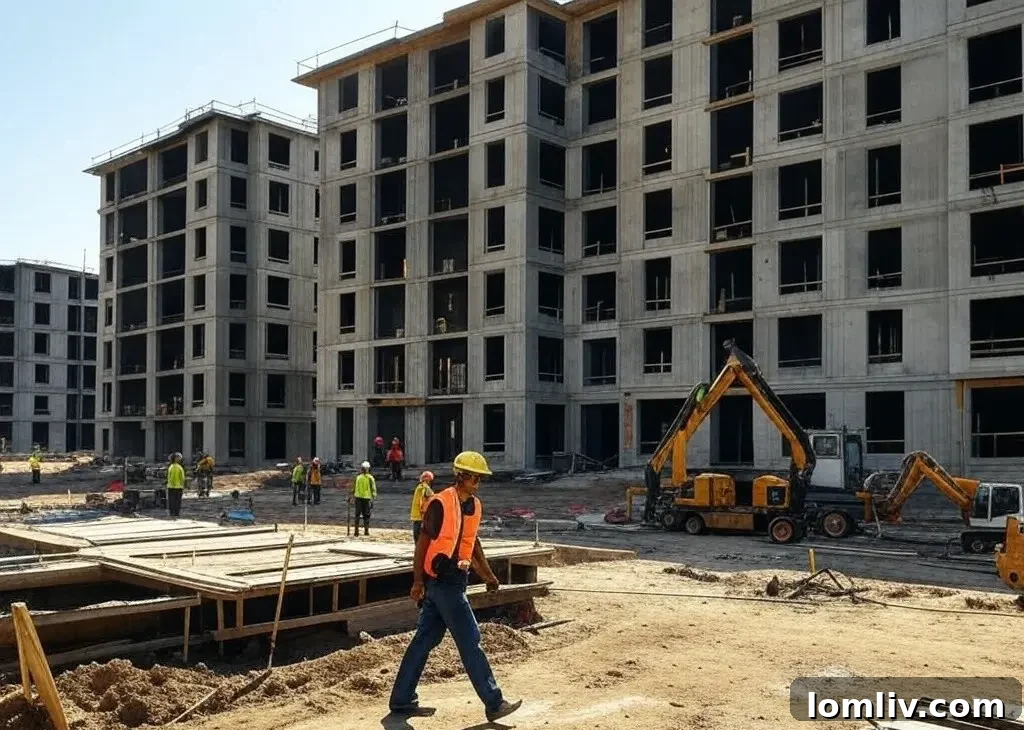
Effective construction management is the backbone of any large-scale real estate project, directly influencing its adherence to budget and schedule. This critical phase involves orchestrating a vast array of resources, from human capital to raw materials, ensuring they are acquired at competitive prices and delivered precisely when needed. Delays and cost overruns in construction can quickly derail a project, making efficient oversight indispensable.
A cornerstone of robust construction management is the judicious selection of contractors. It is imperative to engage partners with a demonstrated history of successful project delivery, sound financial health, and extensive experience in developments of a similar scale and complexity. Before any work commences, all contractual agreements must explicitly detail timelines, the complete scope of work, quality standards, and predefined penalties for non-compliance or delays. Furthermore, clear communication channels and regular progress meetings are vital to keep all parties aligned and to swiftly address any emerging issues.
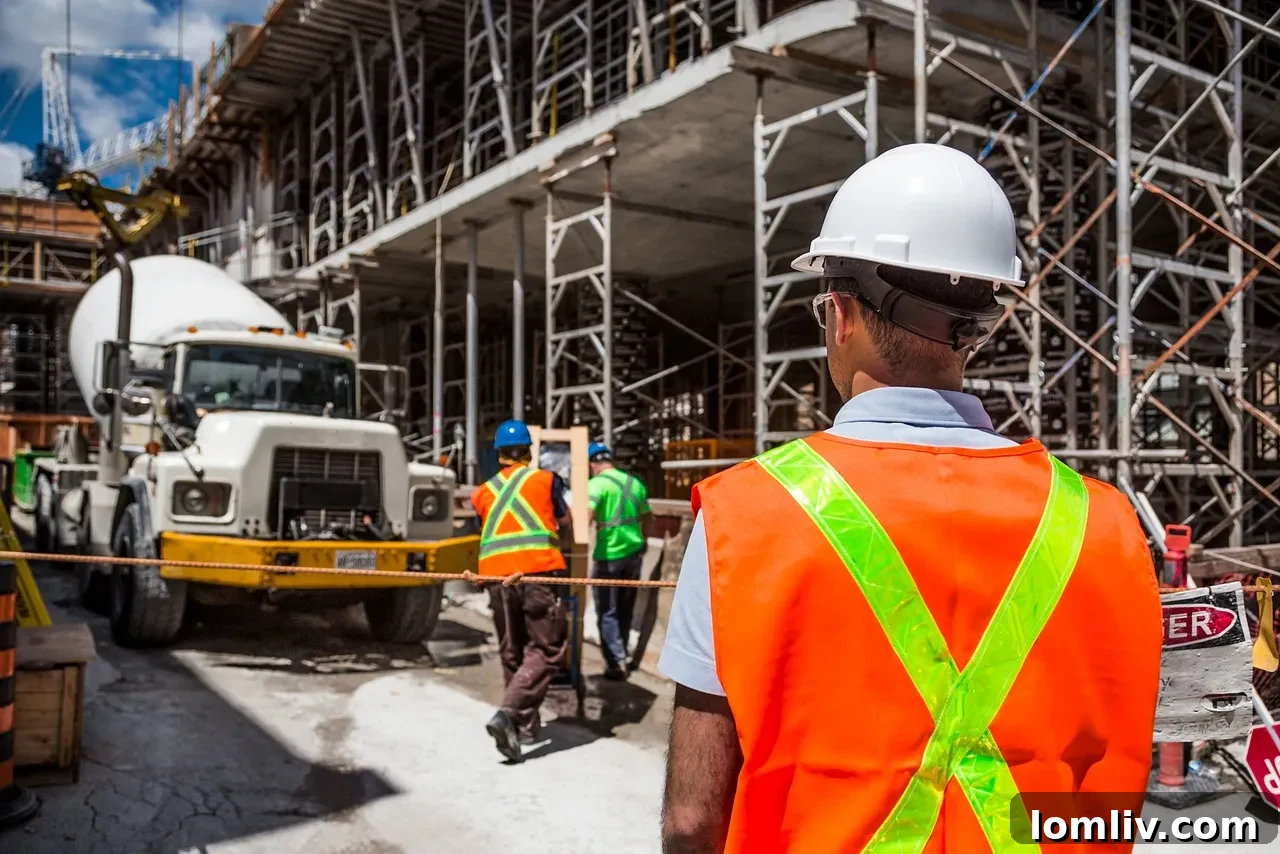
Beyond contractual agreements, prioritizing safety and compliance on-site is non-negotiable. This includes ensuring all personnel possess the necessary certifications and training for their roles. For instance, in large-scale real estate projects involving significant material handling, forklift certification for operators is a legal and practical requirement. Project managers, site supervisors, or safety officers bear the responsibility of verifying these credentials. Should workers lack the required certifications, it is critical to mandate their immediate training and certification prior to beginning their tasks, thereby mitigating risks and ensuring a safe, compliant work environment. Implementing rigorous safety protocols and conducting regular site audits are essential components of a proactive construction management strategy.
Regulatory Compliance and Legal Considerations
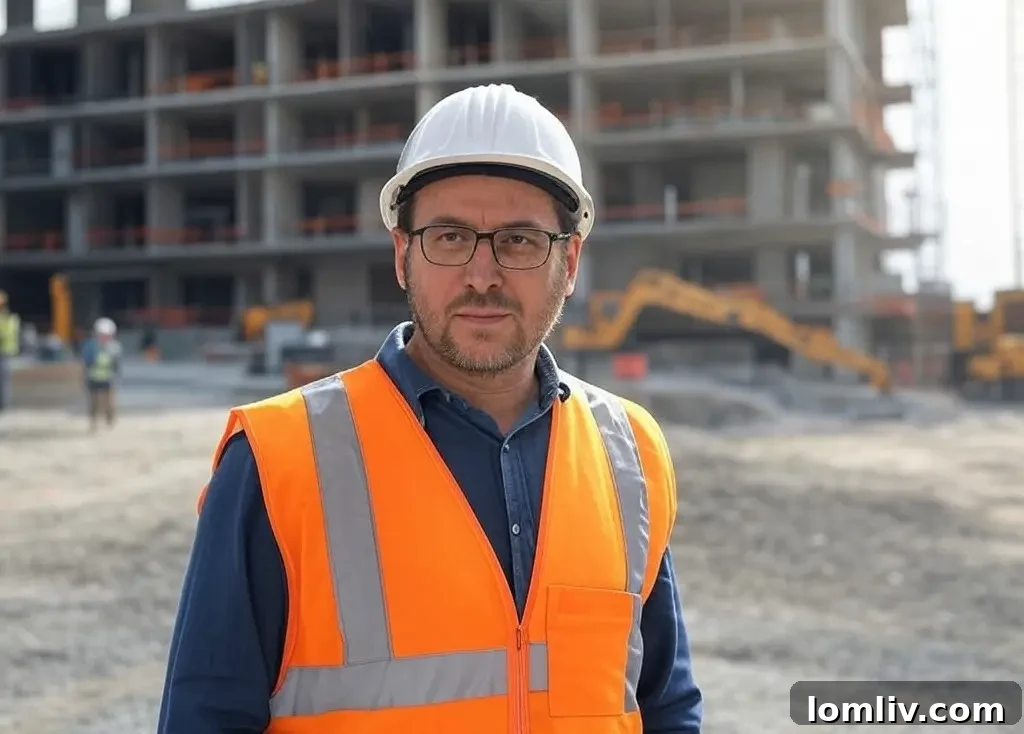
Navigating the complex labyrinth of regulatory compliance and legal considerations is a non-negotiable aspect of managing large-scale real estate developments. Failure to adhere to local, state, and federal laws can result in severe penalties, including substantial fines, legal injunctions, and even the complete cessation of your project. Early and continuous engagement with legal experts specializing in real estate law is crucial to mitigate these risks effectively.
Foremost among these considerations are zoning and land-use laws, which dictate the permissible uses for a specific property—whether it’s designated for residential, commercial, industrial, or mixed-use purposes. These regulations define what can and cannot be built, affecting everything from building height and density to parking requirements and aesthetic guidelines. If your proposed development does not align with existing zoning, obtaining a zone change or special use permits becomes a necessary and often lengthy process, requiring careful preparation and persuasive arguments to local planning authorities.
Beyond zoning, securing an extensive array of permits is essential for every stage of construction and eventual occupancy. This includes building permits for structural integrity, utility permits for water, electricity, and sewage connections, and ultimately, occupancy permits allowing the finished property to be used. While smaller projects might face fewer hurdles, large-scale developments typically necessitate a multitude of permits, each with its unique application requirements and review processes. Delays in obtaining any one of these permits can have a cascading effect, pushing back project timelines and escalating costs.
Environmental inspections and impact assessments are another critical component that cannot be overlooked. Developers must identify and address potential environmental concerns, such as the impact on local ecosystems, protected wildlife, or existing pollution levels. Should an environmental issue arise—for instance, the discovery of contaminated soil or a threat to a sensitive habitat—it may necessitate significant alterations to blueprints, the implementation of costly remediation strategies, or the development of specific mitigation plans. Proactive environmental due diligence not only ensures compliance but also demonstrates a commitment to sustainable development, often enhancing public perception and stakeholder support for the project.
Funding and Financial Management Strategies

A robust and meticulously structured financial plan is not just beneficial but absolutely indispensable for the successful execution of any large-scale real estate development. The initial step involves securing adequate funding, which can be sourced from a diverse range of avenues. These commonly include traditional bank loans, capital injections from private investors, grants or incentives from government programs, and investments from real estate investment trusts (REITs). To attract and secure the necessary capital, developers must present a compelling business case, underpinned by solid financial projections, comprehensive risk assessments, and a clear articulation of the expected return on investment. A detailed feasibility study and financial modeling are critical tools in this process, providing potential funders with confidence in the project’s viability.
Once initial funding is secured and construction commences, the paramount focus shifts to rigorous cost control and vigilant budget management. Even with the most exhaustive upfront planning, large-scale projects are inherently susceptible to various financial risks. Unforeseen market shifts, fluctuations in interest rates, unexpected construction delays, or changes in material costs can significantly impact the project’s financial health. Therefore, continuous monitoring of expenses against the budget, along with regular financial reporting, is crucial to identify and address discrepancies promptly.
To proactively mitigate these financial vulnerabilities, many experienced developers employ a multi-faceted approach. This often includes diversifying funding sources to reduce reliance on a single capital provider, negotiating fixed-price contracts with contractors and suppliers to lock in costs, and conducting comprehensive stress tests on financial models. These stress tests involve simulating various adverse scenarios to assess the project’s resilience and to develop contingency plans for potential financial curveballs. Furthermore, maintaining a healthy contingency fund is a best practice, providing a buffer against unforeseen expenditures and ensuring project continuity even when unexpected challenges arise. Effective cash flow management is also key, ensuring that funds are available precisely when needed, preventing costly delays or liquidity issues.
Design and Development Strategy for Enduring Value
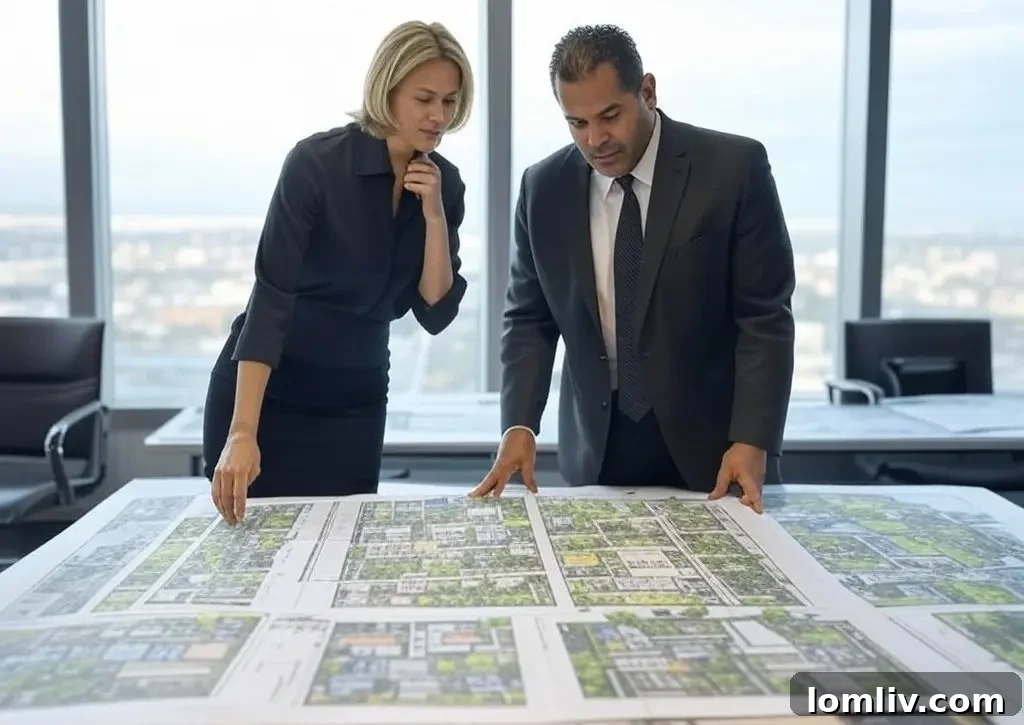
A well-conceived design and development strategy is fundamental to creating a real estate project that is not only highly functional and aesthetically appealing but also inherently sustainable and resilient for the long term. This strategy begins with master planning, a holistic approach that defines the overall layout, infrastructure, and overarching vision for the development. Master planning necessitates intensive collaboration among a diverse team of experts, including visionary architects, skilled engineers, and insightful urban planners, ensuring that every element—from traffic flow to green spaces—is integrated seamlessly.
Sustainability has emerged as a paramount concern in modern real estate development, driven by environmental consciousness and economic advantages. Incorporating efficient designs, utilizing environmentally friendly and locally sourced materials, and integrating renewable energy sources can yield substantial long-term operational savings while making a significant positive contribution to the environment. Technologies such as solar panels, advanced insulation, and rainwater harvesting systems not only reduce energy consumption and utility costs but also substantially boost the property’s market value and appeal to eco-conscious tenants and buyers. Pursuing green building certifications, like LEED or BREEAM, further validates a project’s environmental commitment and enhances its marketability.
Furthermore, the strategic integration of cutting-edge technology is transforming modern real estate projects. Smart building systems offer advanced features that enhance both efficiency and convenience for occupants. This includes intelligent security systems for enhanced safety, automated climate control systems that optimize energy usage, and smart lighting solutions that adapt to natural light and occupancy. These technological advancements not only create a superior living or working environment but also contribute to reduced operational expenses and improved overall building management. The goal is to design spaces that are future-proof, adaptable, and responsive to the evolving needs of their users, thereby ensuring enduring relevance and value in a dynamic market.
Coordination and Communication with Stakeholders

In the intricate landscape of large-scale real estate projects, maintaining open and effective communication with all stakeholders is absolutely paramount for success. Strong teamwork and transparent collaboration with investors, local authorities, regulatory bodies, and the surrounding community ensure that everyone’s expectations are aligned, potential conflicts are identified early, and decisions are made with collective understanding. Clear, consistent, and regular communication fosters an environment of trust and cooperation, which is essential for navigating the complexities inherent in multi-faceted developments and ensuring smooth project progression.
Engaging with the local community is particularly critical. Large real estate developments can have a profound impact on the neighborhoods they inhabit, affecting everything from traffic patterns and local infrastructure to the character of the community itself. Therefore, proactively addressing community concerns and engaging residents in a meaningful dialogue from the outset is vital. Holding public meetings, providing clear and frequent updates on project progress, and actively listening to feedback can significantly help in mitigating potential opposition and building widespread local support. Developers who demonstrate a commitment to being good neighbors, perhaps by offering tangible benefits such as improved infrastructure, creating new green spaces, or providing local job opportunities, are far more likely to gain municipal approval and community endorsement. This collaborative approach transforms potential adversaries into valuable allies, contributing to a project’s social license to operate and its long-term integration into the urban fabric.
Managing Risks and Having a Robust Backup Plan

Large-scale real estate developments are inherently complex undertakings, exposed to a myriad of risks that can threaten their successful completion. These risks can span various categories, including financial instabilities, unforeseen site-specific challenges (such as geological issues or environmental discoveries), and legal disputes or regulatory changes. The ability to identify potential risks early in the project lifecycle is crucial, as proactive recognition allows for the implementation of preventative measures, thereby minimizing the likelihood of costly delays and budget overruns.
To effectively manage these uncertainties, developers must formulate a robust risk management strategy coupled with a comprehensive crisis plan. This involves systematically categorizing and assessing potential risks—from market fluctuations and supply chain disruptions to labor shortages and sudden shifts in governmental regulations. For each identified risk, a mitigation strategy should be developed, outlining specific actions to either prevent the risk from materializing or lessen its impact if it does. For example, supply chain issues might be mitigated by diversifying suppliers or establishing buffer inventories, while labor shortages could be addressed through proactive recruitment campaigns or cross-training initiatives.
Furthermore, having a detailed backup plan—often referred to as a contingency plan—is essential. This plan outlines predefined responses to various adverse scenarios, ensuring that when unexpected problems arise, the project team can react swiftly and efficiently. Whether it’s a natural disaster halting construction, a critical material becoming unavailable, or a significant change in zoning laws, a well-prepared crisis plan enables rapid decision-making, minimizes disruption, and helps maintain project momentum. Regularly reviewing and updating these risk assessments and contingency plans throughout the project’s lifecycle ensures they remain relevant and effective against evolving challenges, thereby safeguarding the investment and securing the project’s future.
Sales, Leasing, and Operations Strategy for Post-Completion Success

Once the construction phase concludes and a large-scale real estate project is physically complete, the focus seamlessly shifts to the vital post-completion strategies: sales, leasing, and ongoing operations. A strong, well-executed marketing and sales plan is absolutely key to attracting the right buyers, securing desirable tenants, and engaging potential investors. This strategy must effectively highlight the unique selling propositions of your development, emphasizing its prime location, exceptional amenities, innovative design, and particularly, any integrated sustainability perks that offer long-term value and appeal. Leveraging digital marketing channels, professional brokers, and engaging property tours are crucial components of this outreach.
For projects aimed at leasing, offering competitive lease terms and flexible space options can significantly enhance attractiveness to prospective tenants. Understanding market demand and tailoring lease structures to meet the evolving needs of businesses or residents helps to maintain high occupancy rates and optimize rental income. This requires a deep understanding of market dynamics, competitive analysis, and a responsive approach to tenant inquiries and needs. Robust property management also plays a critical role here, ensuring tenant satisfaction and asset preservation.
Beyond initial sales and leasing, an efficient operations strategy is essential for the long-term success and value retention of the development. This includes establishing effective property management systems that cover maintenance, security, cleaning, and community management. A well-managed property not only retains its value but also enhances the living or working experience for its occupants, fostering a positive reputation. Proactive maintenance schedules, responsive facility management, and continuous optimization of building systems contribute to lower operational costs and increased tenant retention. Furthermore, ongoing analysis of market trends and tenant feedback allows for continuous adaptation and improvement, ensuring the property remains competitive and continues to generate robust returns over its lifecycle. The overall objective is to transform a completed structure into a thriving, self-sustaining asset that continues to deliver value for years to come.
Wrapping It Up: Mastering Large-Scale Real Estate Development
Successfully managing a large-scale real estate project is an intricate dance requiring precision, foresight, and adaptability across its entire lifecycle. From the initial meticulous site selection and comprehensive market analysis to the final stages of construction execution, every phase demands careful coordination to prevent costly setbacks and ensure the project’s long-term prosperity. Crucially, securing reliable funding sources and maintaining stringent budget controls are paramount to keeping the development financially stable and resilient against unforeseen economic shifts.
Beyond the financial and operational intricacies, a project’s true success often hinges on its ability to harmoniously align with the diverse interests of all involved parties. Developers must proactively engage and build consensus with investors, navigate complex regulatory frameworks alongside governmental bodies, and foster positive relationships with local communities to minimize conflicts and streamline approval processes. This collaborative approach is vital for building trust and securing the necessary social license to operate.
Furthermore, embracing forward-thinking development strategies, particularly through the integration of sustainability principles and cutting-edge technology, defines a project’s enduring value. Properties designed with energy efficiency, eco-friendly materials, and smart building systems are not only more appealing to modern consumers but also significantly enhance operational efficiency and reduce environmental impact. By creating developments that are competitive, resilient, and socially responsible, developers can confidently navigate the challenges of large-scale real estate and deliver projects that stand as benchmarks of innovation and long-term success.