Transforming Oak Lawn: A Collaborative Vision for a Landmark Dallas Development
For residents and stakeholders who seek a vivid demonstration of why the Oak Lawn Committee (OLC) remains an indispensable pillar for preserving and enhancing the neighborhood’s integrity and unique character, last night’s comprehensive meeting offered a compelling case study. It showcased the profound power of dedicated community engagement in shaping the future of prominent urban spaces and ensuring that new developments respectfully integrate into Dallas’s vibrant fabric.
Just last month, StreetLights Residential, a prominent Dallas-based developer renowned for its high-quality residential projects, unveiled their initial proposal for a pivotal site at the high-profile intersection of Oak Lawn and Lemmon Avenues, directly adjacent to the iconic and original Eatzi’s. At the time, the building’s preliminary design drew considerable concern, prompting observations that its aesthetic was “unfortunate” and an “unsuitable companion” to its distinguished surroundings. The initial conceptualization seemed to disregard the historical significance and unique architectural character of the Oak Lawn area. However, the landscape of this potential landmark project has since undergone a remarkable and encouraging transformation, demonstrating a responsiveness to community feedback that is often rare in urban development.
A New Vision Emerges: Learning from History, Building for the Future
Following our previous month’s detailed discussion with the Oak Lawn Committee, I had the invaluable opportunity to engage in a direct, candid conversation with Greg Coutant, the esteemed Director of Development for StreetLights Residential. During our meeting, I openly shared my detailed thoughts and pressing concerns regarding the initial architectural plans. Our discussion delved deeply into the rich history of the plot, particularly focusing on the beloved movie theater that once graced the site. To further illustrate the immense potential for design excellence rooted in historical context, I presented a carefully curated book, a century-spanning compendium of high-rise residential architectural design, transforming our meeting into a proactive “show-and-tell” session. Crucially, StreetLights Residential demonstrated an exemplary commitment to active listening and genuine receptiveness to constructive feedback, a quality essential for truly community-centric development.
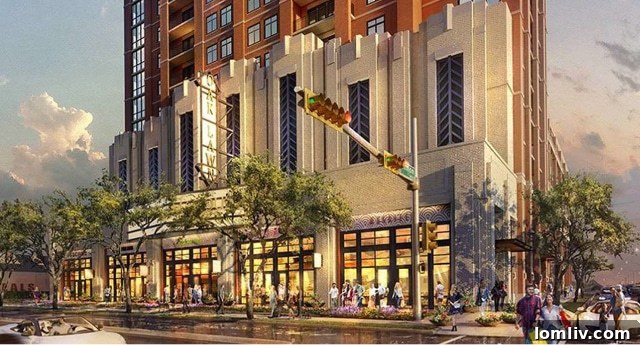
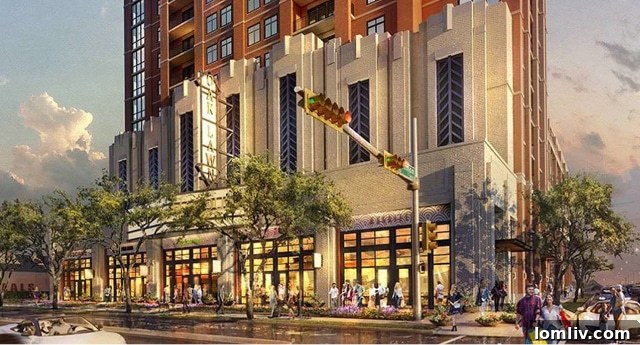
This dedication to community input profoundly influenced their revised approach. StreetLights Residential embarked on an exhaustive deep dive into the archives of the original movie theater, meticulously housed within the Dallas Public Library, seeking authentic inspiration from the 1931 architectural marvel. The outcome is a striking new façade for the Oak Lawn Avenue side of the development – a sophisticated, contemporary update that gracefully echoes the original theater’s grandeur, complete with a thoughtfully designed sign and marquee. This refined architectural choice not only establishes a powerful visual and historical connection to the revered Melrose Hotel but also initiates a vital process of healing for a parcel that has, for decades, represented a noticeable void and a metaphorical “wound” in the neighborhood’s fabric since the theater’s regrettable demolition in 1985. The sheer thoughtfulness and execution of the work accomplished thus far left a profoundly positive impression on both the committee and local observers, setting a new standard for historic preservation within modern Dallas urban planning.
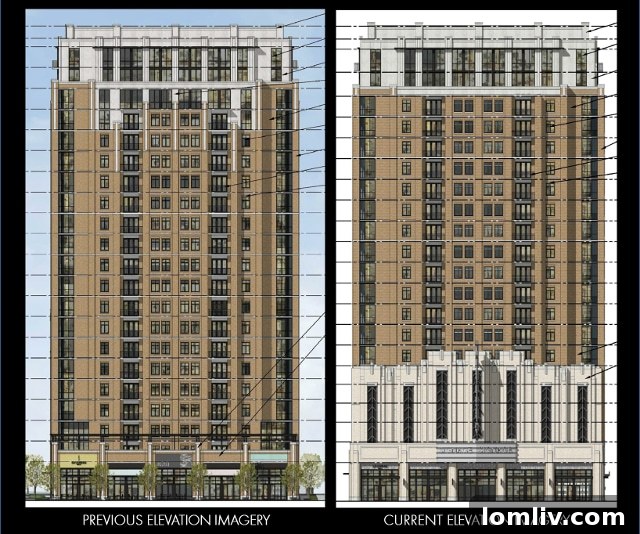
As the visual evidence clearly illustrates, the initial, rather uninspired “plain-Jane” streetscape that characterized the first seven floors in the original proposal has been entirely supplanted by this compelling new/old facade. This transformation not only enhances the building’s aesthetic but actively contributes to creating a new, vibrant destination within the Oak Lawn neighborhood, elevating the pedestrian experience significantly. A strategic consequence of this architectural redesign was the removal of residential units originally planned to face Oak Lawn Avenue on these specific redesigned floors. This pivotal adjustment allowed for a complete re-engineering of the internal parking structure, culminating in a significant 25-foot – equivalent to a two-story – reduction in the overall height of the parking podium. While this marks a commendable and substantial improvement, particularly in mitigating the visual impact of the garage structure, the seven-story podium, when viewed from certain angles, still presents a considerable “visual brick.” Further design ingenuity will be required to fully integrate it seamlessly into the urban tapestry and minimize its perceived bulk, an important aspect of sensitive urban development in Dallas.
The positive reception for the revised facade was remarkably unanimous among the committee members, many of whom voiced their explicit compliments on the notable design enhancements. This collective approval underscores the success of the collaborative design process and the developer’s willingness to adapt and refine their vision based on valuable community input. This iterative design approach serves as a model for future large-scale projects in established neighborhoods.
Navigating Remaining Challenges for Optimal Community Integration
Despite the significant strides made within a mere month, it is important to acknowledge that not all aspects of this ambitious Dallas development have been fully resolved. From a critical perspective, there remain four key areas that warrant continued attention and refinement to ensure the project achieves its full potential and maximum community benefit. These critical considerations include:
- **The Visual Impact of the Seven-Story Parking Podium:** As previously highlighted, while reduced, the visual bulk of the seven-story garage still requires further design ingenuity to soften its presence and integrate it more gracefully into the surrounding environment. Creative architectural solutions could help to break up its mass and make it less imposing from street level.
- **The Building’s Upper Skin and Architectural Cohesion:** The architectural treatment of the building’s exterior above the newly designed historic facade necessitates additional refinement. Ensuring a cohesive and aesthetically pleasing transition from the heritage-inspired lower levels to the contemporary upper structure is vital for the building’s overall architectural integrity and its harmonious contribution to the Oak Lawn skyline.
- **Parking Lot Entry Alignment and Urban Flow:** The orientation and design of the parking lot entry from the Eatzi’s side of the property need careful alignment with the existing road infrastructure and traffic patterns. Optimizing flow and minimizing disruption for both vehicular and pedestrian traffic is paramount for safety and efficiency in a busy urban corridor.
- **Comprehensive Traffic Flow Clarification:** A more detailed and transparent explanation of the proposed traffic management strategies for various service vehicles, including deliveries, moving vans, and general residential access, is crucial to address potential neighborhood concerns and ensure smooth operation without negatively impacting local streets.
Following the meeting, I again engaged with Mr. Coutant, extending my congratulations for the impressive new streetscape facade while also pointedly (a role I often embrace as an advocate for thoughtful urban planning) pressing him on these outstanding issues. He acknowledged that the facade redesign was fast-tracked due to its immediate impact and critical importance, assuring me that the remaining points of concern would be thoroughly reviewed and addressed in subsequent phases. I firmly believe that the overwhelmingly positive response to the new facade instills the necessary confidence and momentum for StreetLights Residential to thoughtfully advance solutions for the remainder of the building. Developing such a complex and significant project inherently requires time, and I am prepared to grant the development team the necessary space, provided that time is utilized judiciously and productively for the benefit of the community. Progress, thus far, has been exceptionally encouraging for this key Dallas real estate project.
On a related but distinct note, Mr. Coutant explicitly detailed StreetLights Residential’s intention to proactively downzone the adjacent Eatzi’s lot. This strategic measure aims to prevent any future resurrection of the development rights they are proposing to utilize on the primary corner parcel, ensuring clarity and mitigating future zoning complications in the area. This demonstrates a long-term vision for responsible urban development and land use within the Oak Lawn district.
The Debate on Height, Bulk, and Urban Density in Dallas
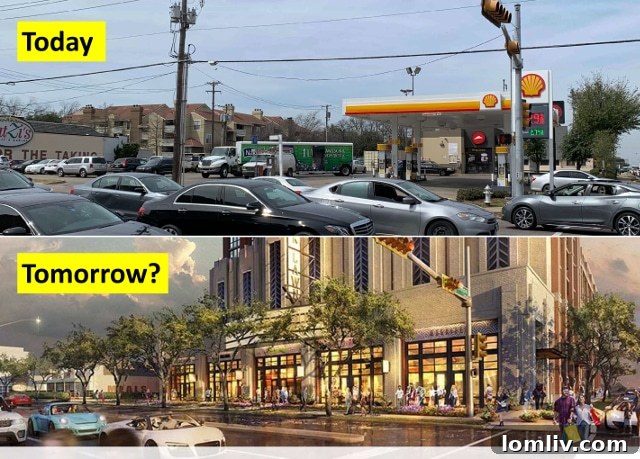
My stance on the overall 240-foot height of this ambitious residential project remains nuanced, primarily due to a confluence of deeply mixed feelings that reflect the complexities of urban planning in a rapidly developing city like Dallas. On one hand, the argument for increased density at this prominent location holds significant merit; the developers are effectively transferring density potential from the Eatzi’s lot, consolidating development at a key urban node which can promote walkability and reduce sprawl. On the other hand, this particular corner is undeniably a signature intersection, situated at the nexus of two exceedingly busy thoroughfares – Oak Lawn Avenue and Lemmon Avenue – making its visual impact paramount to the neighborhood’s aesthetic. A “third hand” perspective introduces a critical question for Dallas’s urban future: would this project, poised to be by far the tallest structure on the “north” side of Oak Lawn Avenue, establish an undesirable precedent for future developments in the immediate vicinity, potentially leading to a loss of the area’s distinctive character? Perhaps the core concern isn’t solely the absolute height, but rather the perceived bulk and massing of the structure, for which the seven-story podium bears primary responsibility. These are critical considerations for balancing intelligent urban growth with the preservation of cherished neighborhood character in Dallas.
Another pressing concern that required significant attention from the Oak Lawn Committee was the inevitable impact on local traffic patterns, a perpetual worry for any new urban development. Mr. Coutant adeptly highlighted that residential developments generally represent the least traffic-generating land use when compared to alternative options like office space, which could legally be constructed on this site “by right” according to existing zoning. OLC member Leland Burk, a respected voice with direct experience in commercial property, further underscored this point, drawing from his ownership of a medical office building in Preston Center. He convincingly argued that a medical office facility, characterized by its non-stop influx and efflux of patients and staff throughout the day, would undeniably impose a far greater burden on local traffic infrastructure than the proposed residential tower. Thus, from a traffic management perspective, a well-planned residential project truly embodies the “lightest touch” possible for this prime urban location, mitigating one of the most common anxieties associated with new construction in established areas.
The traffic study supporting StreetLights Residential’s proposal carried a distinct sense of déjà vu for committee members. It was meticulously conducted by Steve Stoner of Pacheco Koch, the very same esteemed firm and individual who had presented the comprehensive PD-15 traffic study results just the night before, lending a continuity of expertise, methodology, and credibility to the discussion, which was well-received by the committee.
Conclusion: A Promising Evolution for Oak Lawn’s Future
This meeting, solely dedicated to the StreetLights Residential project, underscored the substantial progress achieved. I am genuinely impressed with the significant strides made in refining this development and eagerly anticipate witnessing its continued evolution into a project that genuinely garners the support and admiration of the entire Oak Lawn neighborhood. This collaborative effort between developer and community sets a positive precedent for future urban growth in Dallas. As it currently stands, the stunning new facade design effectively brings a significant historical narrative full circle. The original theater streetscape, once tragically marred by a 1947 remodel and subsequently unceremoniously demolished, leaving the site largely derelict for 35 years, is now poised for a magnificent revival. This project exemplifies how thoughtful design, combined with sincere community engagement, can not only transform a physical space but also restore a vital piece of a neighborhood’s soul and heritage, setting a new benchmark for Dallas urban development and showcasing the potential when vision meets collaboration.
Expert Insights and Urban Perspectives
Remember: My primary focus areas encompass high-rise residential developments, Homeowners Associations (HOAs), and the intricate world of property renovation. However, my passion extends deeply to appreciating both modern and historical architecture, always viewed through the lens of balance against the dynamic YIMBY (Yes In My Backyard) movement, which advocates for greater urban density and accessible housing solutions in cities like Dallas.
My commitment to impactful real estate journalism has been consistently recognized by the National Association of Real Estate Editors. I was honored with three Bronze awards in 2016, 2017, and 2018, alongside two Silver awards in 2016 and 2017, highlighting the depth and breadth of my reporting across various real estate topics.
Do you have a compelling story to share, a groundbreaking real estate development to discuss, or perhaps even a unique marriage proposal related to Dallas’s vibrant landscape? Please feel free to reach out directly via email: [email protected]. While you’re welcome to search for me on Facebook and Twitter, please be advised that my online presence is kept intentionally low-key for professional reasons, allowing me to focus on in-depth reporting and analysis.