Understanding Real Estate Contract Assignment: A Comprehensive Guide
In the dynamic world of real estate, opportunities and strategies abound for acquiring and leveraging property interests. One such strategy, which often sparks debate and sometimes misunderstanding, is the assignment of a real estate contract. This practice allows an individual or entity, known as the “Assignor,” to transfer their rights and obligations under an existing purchase agreement to another party, the “Assignee.” Far from being universally understood or accepted, contract assignment is a legitimate and potent tool when executed correctly, especially within specific legal frameworks like those found in Texas.
What is Real Estate Contract Assignment?
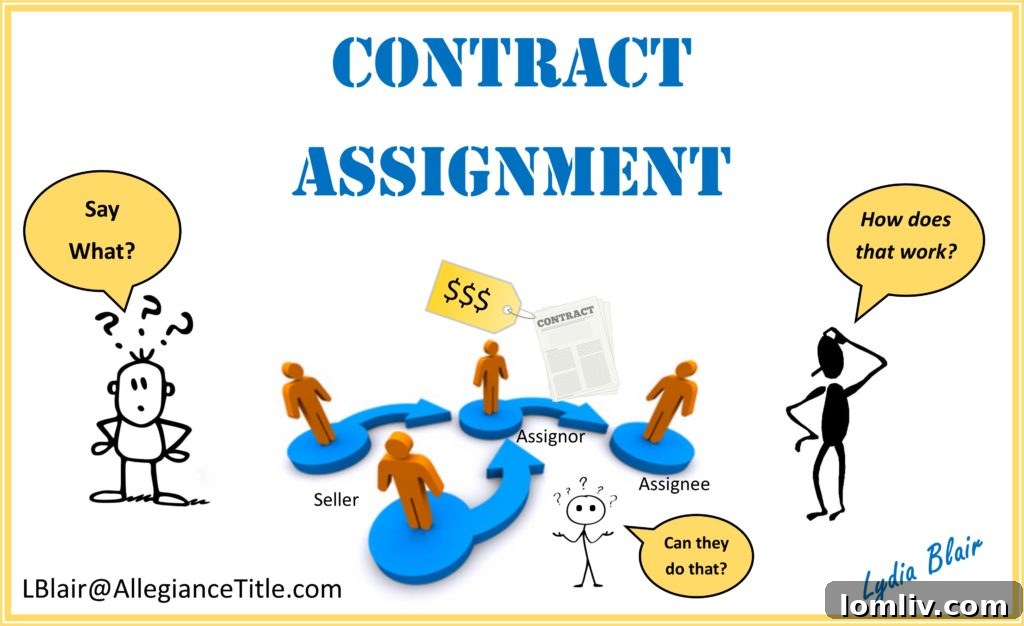
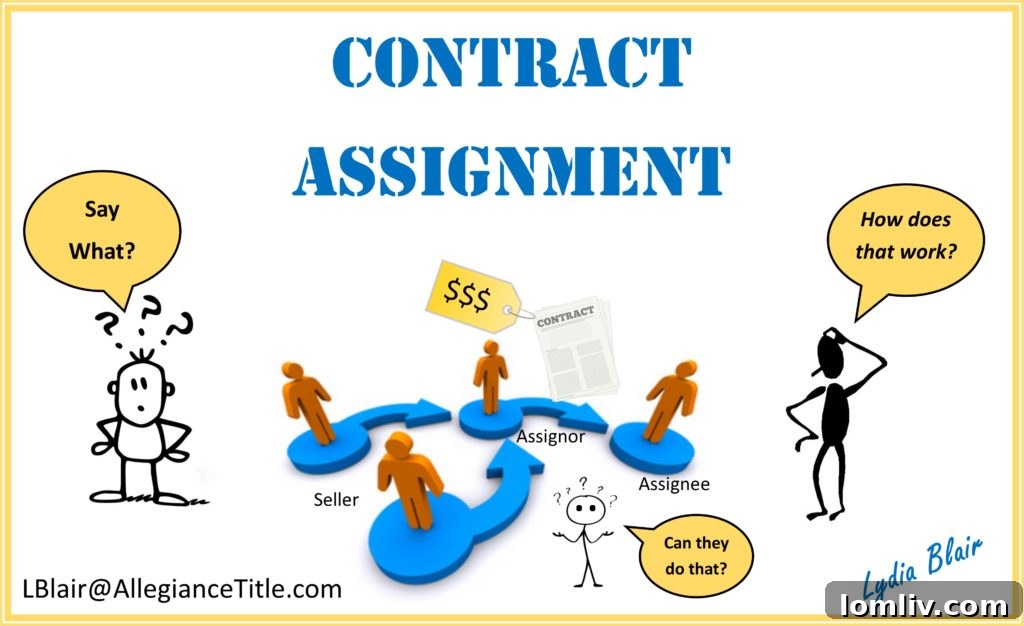
At its core, real estate contract assignment is the legal transfer of a buyer’s rights and responsibilities in a purchase agreement to a new buyer. It means that the original buyer (the Assignor) doesn’t actually close on the property themselves. Instead, they sell their contractual right to purchase the property to a different party (the Assignee) for an agreed-upon fee. This often occurs without the Assignor ever taking title or possession of the property, acting as a facilitator rather than the ultimate owner.
The Three Key Players
- The Seller: The original owner of the property who enters into a purchase agreement.
- The Assignor (Original Buyer/Wholesaler): The individual or entity who initially contracts to buy the property from the seller. They then assign their rights in that contract to a third party.
- The Assignee (New Buyer/End Buyer): The party who receives the contractual rights from the Assignor and ultimately closes the deal with the Seller, purchasing the property.
This process hinges on the purchase contract itself. The Assignor doesn’t sell the property; they sell the *contract* to buy the property. The Assignee then steps into the shoes of the original buyer, assuming all rights and obligations stipulated in the initial agreement with the Seller.
Legality and Contractual Clauses
The legality of assigning a real estate contract varies by jurisdiction. While some states have specific regulations or prohibitions, a common principle, particularly under Texas law, dictates that contracts are assignable unless explicitly stated otherwise within the contract itself. This means that if a purchase agreement doesn’t contain a specific clause prohibiting assignment, it is generally considered assignable by default.
“Non-Assignable” Clauses: A Critical Detail
Savvy sellers or their legal representatives might include a “non-assignable” or “anti-assignment” clause in the purchase agreement. Such a clause explicitly states that the buyer cannot transfer their rights or obligations to a third party without the seller’s prior written consent. If such a clause exists, attempting to assign the contract without consent would typically constitute a breach of contract by the Assignor. Therefore, a thorough review of the original purchase agreement is paramount before pursuing any assignment strategy.
The Wholesaler’s Role: Connecting Deals
The Assignor in a real estate contract assignment is often referred to as a “wholesaler.” Wholesaling is a legitimate and often misunderstood business model in real estate investing. Wholesalers specialize in finding undervalued or distressed properties, putting them under contract, and then quickly finding another buyer (the Assignee) to take over that contract for a profit. They effectively act as intermediaries, connecting motivated sellers with eager investors.
The Wholesaling Business Model Explained
- Finding Bargains: Wholesalers actively seek out properties that are not typically listed on the Multiple Listing Service (MLS). These often include foreclosures, properties in pre-foreclosure, probate properties, properties with deferred maintenance, or homes owned by highly motivated sellers who need a quick sale.
- Contracting with Motivated Sellers: The wholesaler negotiates a purchase price with the seller, often offering a cash deal and a quick closing, which can be very appealing to sellers facing financial distress or urgent relocation needs. They then put the property under contract, securing the right to purchase it at the agreed-upon price.
- Finding the Assignee: Simultaneously, or shortly after, the wholesaler markets the contractual rights to their network of investors, rehabbers, or other buyers looking for investment opportunities. The goal is to find an Assignee willing to pay a higher price than the wholesaler’s original contract price with the seller.
- Earning a Fee: The difference between the original contract price and the price the Assignee pays for the contract is the wholesaler’s profit, known as an assignment fee.
While some people may view this business model as “shady” because the wholesaler doesn’t actually purchase the home, it’s an essential function in certain segments of the market. Wholesalers provide a valuable service by efficiently moving properties that might otherwise sit on the market, benefiting both sellers who need quick exits and investors seeking off-market deals.
The Seller’s Perspective and Potential Discomfort
It’s not uncommon for sellers to feel a degree of surprise or even frustration when they discover that the person or entity they initially contracted with is not the ultimate buyer. This often comes to light during the closing process, where the assignment fee is disclosed on the closing statement. When a seller sees that their property is being acquired by an Assignee for a price higher than their original agreement with the Assignor, they might feel that they’ve missed out on potential profit.
This sentiment often stems from a misconception that the original purchaser should only enter into a contract if they genuinely intend to purchase the property for themselves. However, as long as the assignment is legally permissible and the terms of the original contract are upheld, the transaction remains valid. The key is transparency and clear communication, even if not always legally mandated. Some assignors opt to inform sellers upfront about their intention to assign the contract, which can help manage expectations and avoid potential friction.
Assignor’s Continuing Liabilities and Obligations
One of the most critical aspects of contract assignment, and a point often overlooked by novice wholesalers, is the Assignor’s continuing liability. While the Assignor transfers their *rights* to the Assignee, they do not automatically shed their *obligations* under the original purchase agreement. Unless there’s a specific release of liability or a novation agreement (where the seller explicitly agrees to release the Assignor and substitute the Assignee), the Assignor typically remains secondarily liable.
This means that if the Assignee fails to perform according to the terms of the contract (e.g., doesn’t close, defaults on payment, or fails to meet contingencies), the Assignor could still be held responsible by the seller. This is a significant risk that wholesalers must understand and manage. While the Assignor never takes title or possession of the property, their contractual responsibilities to the seller persist in many cases. Due to this potential liability, it is highly advisable for Assignors to consult with a real estate attorney to draft robust assignment agreements that clearly delineate responsibilities and potential recourse.
Advantages and Disadvantages of Assignment
Like any real estate strategy, contract assignment comes with its own set of benefits and drawbacks for all parties involved.
For the Assignor (Wholesaler):
- Minimal Capital Investment: Wholesalers typically only need earnest money deposits and marketing funds, significantly reducing the capital required compared to direct purchasing.
- Reduced Risk: Since they don’t take title, Assignors avoid the risks associated with property ownership, such as carrying costs, repairs, and market fluctuations.
- Quick Profits: Assignment deals can often close quickly, allowing wholesalers to generate revenue in a shorter timeframe.
- Volume Potential: The low capital and risk allow wholesalers to pursue multiple deals simultaneously.
For the Assignee (End Buyer):
- Access to Off-Market Deals: Assignees gain access to properties not typically available through traditional channels, often at below-market prices.
- Potential for High ROI: These deals can offer significant profit potential for investors looking to rehab and resell or hold as rentals.
- Efficiency: The legwork of finding and contracting with a motivated seller is already done by the Assignor.
For the Seller:
- Quick and Hassle-Free Sale: Often, wholesalers offer cash deals and quick closings, which can be ideal for sellers needing to liquidate a property rapidly without the need for extensive repairs or traditional listing processes.
Potential Disadvantages and Risks:
- For the Seller: The primary disadvantage is often the feeling of missing out on profit, as discussed earlier. There’s also a risk that the deal might fall through if the Assignee defaults, forcing the seller to restart the selling process or pursue the Assignor for breach.
- For the Assignor: The continuing liability is a major risk. Additionally, finding suitable Assignees can be challenging, and failure to do so can result in the Assignor having to either close on a property they don’t want or breach the original contract.
- For the Assignee: Due diligence periods can be shorter, requiring quick decision-making. There’s also the risk of paying an inflated assignment fee if the Assignor’s valuation is too high. Financing can also be an issue, as assigned contracts are often cash deals.
Best Practices and Ethical Considerations
While assignment of contract is a legal and viable strategy, conducting business with integrity and transparency is crucial for long-term success and reputation. Best practices include:
- Transparency: While not always legally required, openly communicating the intent to assign the contract to the seller can prevent misunderstandings and build trust.
- Clear Documentation: Ensure all agreements—the original purchase contract and the assignment agreement—are meticulously drafted, clear, and reviewed by legal counsel.
- Understanding Market Value: Both Assignors and Assignees should thoroughly understand the property’s true market value to ensure fair dealings.
- Professional Conduct: Maintain professionalism throughout the process, regardless of the unique dynamics of an assigned contract.
Conclusion: A Powerful Tool When Used Wisely
The assignment of a real estate contract, particularly in states like Texas where it’s generally permitted, serves as a powerful mechanism for facilitating property transactions. It underpins the wholesaling business model, enabling investors to profit without taking direct ownership, while simultaneously providing solutions for motivated sellers and opportunities for end buyers. However, its effective and ethical application demands a thorough understanding of its mechanics, the legal framework, and the associated risks and responsibilities. While the Assignor’s fee is disclosed at closing, and the Assignor never takes title or possession, their liabilities may linger. As with all real estate endeavors, engaging with qualified legal professionals is not just advisable, but essential, to navigate the nuances and ensure compliance.
The opinions expressed are of the individual author for informational purposes only and not for the purpose of providing legal advice. Contact an attorney to obtain advice for any particular issue or problem.
Lydia Blair (formerly Lydia Player) was a successful Realtor for 10 years before jumping to the title side of the business in 2015. Prior to selling real estate, she bought, remodeled and sold homes (before house flipping was an expression). She’s been through the real estate closing process countless times as either a buyer, a seller, a Realtor, and an Escrow Officer. As an Escrow Officer for Allegiance Title at Preston Center, she likes solving problems and cutting through red tape. The most fun part of her job is handing people keys or a check.