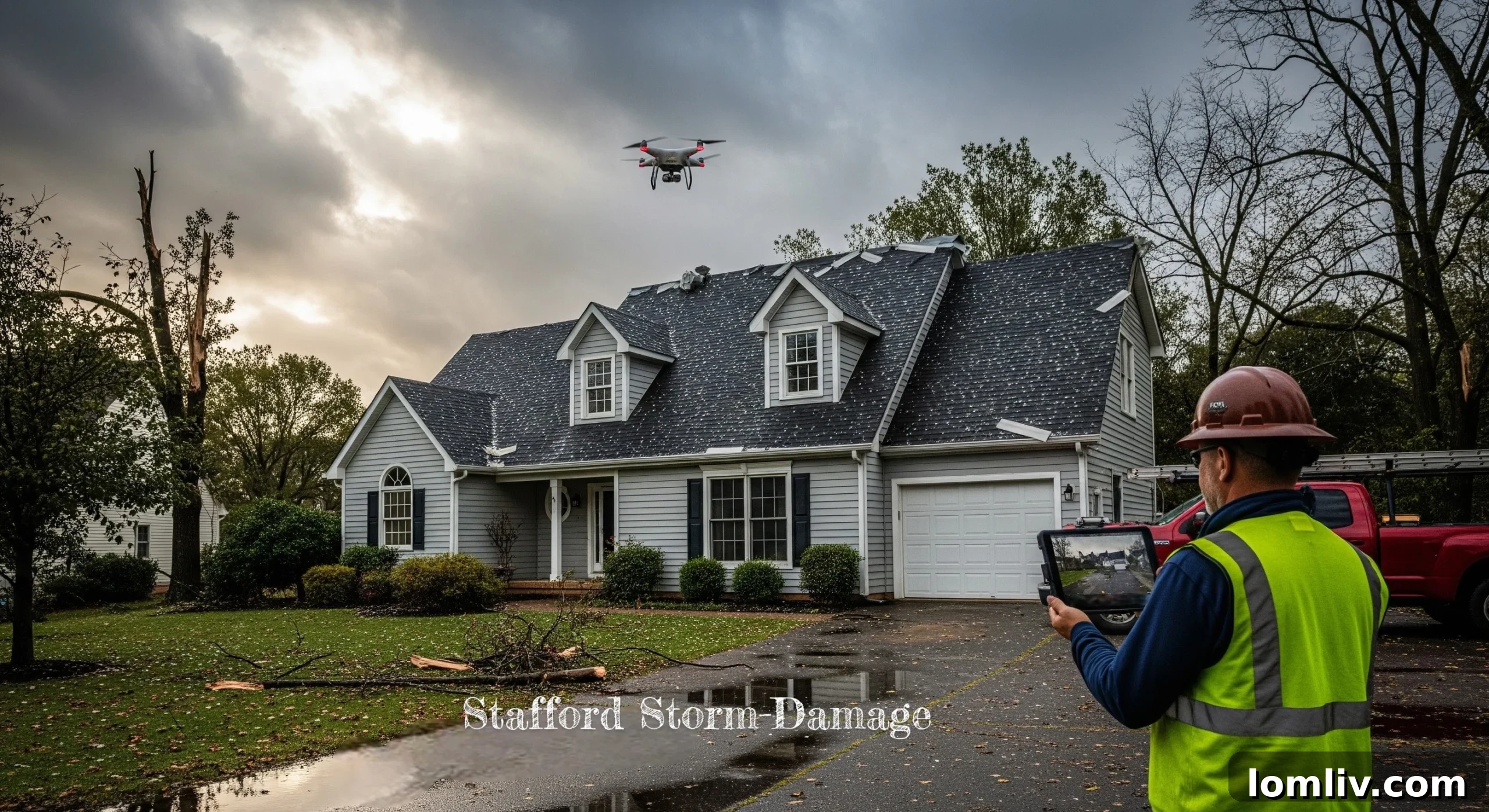
Nestled strategically in the vibrant southwest Houston metropolitan area, Stafford, Texas, presents a unique blend of residential tranquility and commercial dynamism. Primarily situated in Fort Bend County, with a segment extending into Harris County, this thriving city serves as a crucial nexus along major thoroughfares such as Interstate 69 (Southwest Freeway) and US 90 Alternate. This prime location, while facilitating bustling activity and connectivity, also places its diverse array of homes, apartments, and commercial structures at the forefront of the region’s often unpredictable weather patterns, necessitating robust and reliable roof protection.
When unexpected roofing issues arise – be it the alarming drip of a new leak, the stark sight of missing shingles post-storm, or visible damage after severe weather – most residents instinctively reach for their phones. The urgent search query, “roof repair near me,” is far from casual; it signals an immediate and critical need. Prompt action is paramount, as delaying repairs inevitably escalates minor problems into significant water intrusion, extensive interior damage, and far more costly remedial work down the line. Finding a trustworthy and efficient roofing contractor quickly transitions from a desire to an absolute necessity.
This comprehensive guide is meticulously crafted for Stafford homeowners and property managers. It delves into the specific concerns residents typically have, illuminates the profound impact of Houston-area storms on roofing systems, and outlines a clear, actionable pathway to navigate from initial stress to a successfully resolved roofing project. By understanding the local nuances, from common damage types to contractor selection and insurance complexities, you can safeguard your property and peace of mind.
Understanding Roofing in Stafford: Essentials for Southwest Houston Homes
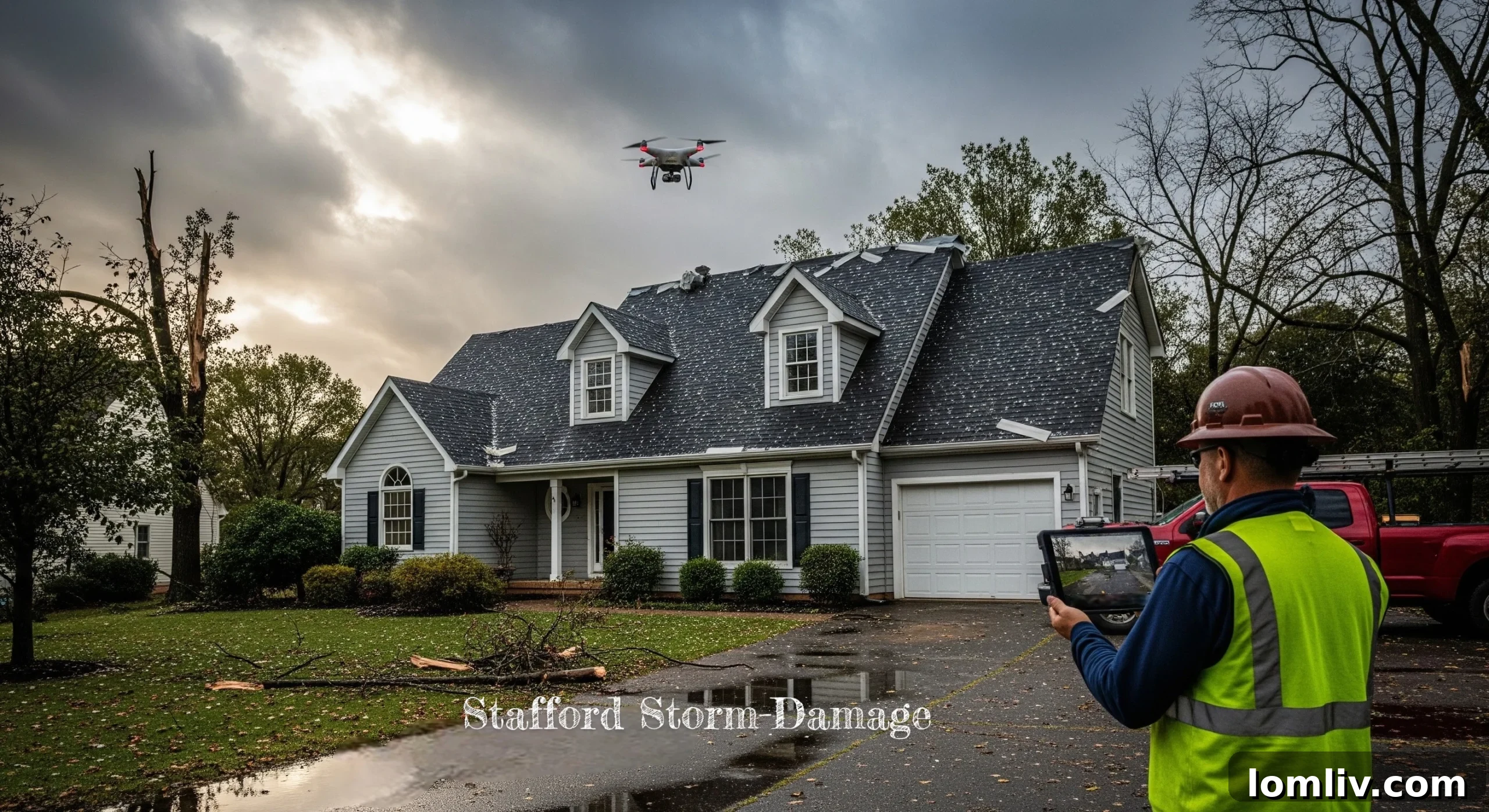
For those living in Stafford, Texas, the search for a local roofing contractor often boils down to a fundamental set of questions. Property owners need to understand the extent of potential damage, the urgency of repair, and whether a simple fix will suffice or if a full roof replacement is imminent. Furthermore, navigating the often-crowded post-storm contracting landscape in Texas demands vigilance to avoid potential scams. Knowing how to identify a reputable local roofer who prioritizes quality and transparency is crucial for any Stafford homeowner facing roofing challenges.
Stafford’s proximity to the Gulf Coast means that the annual Atlantic hurricane season, from June 1st through November 30th, is a critical period for property owners. Even when a named storm bypasses a direct hit, its outer bands can unleash torrents of rain and powerful winds across the greater Houston metropolitan area, significantly impacting roofing integrity. Beyond tropical systems, severe thunderstorms are a perennial threat. These storms frequently bring damaging straight-line winds, golf-ball-sized hail, and widespread flooding, causing considerable stress to residential and commercial roofs in Stafford and surrounding communities.
Therefore, a quick glance at your roof from the street may not reveal the full story. Subtler damage, such as granule loss, minor lifting, or weakened seals, can compromise your roof’s protective capabilities long before visible leaks or missing shingles appear. A proactive approach to roof assessment and maintenance is essential to withstand the relentless Texas weather, ensuring the longevity and structural integrity of your Stafford home.
Why Stafford Roofs Are Uniquely Vulnerable to Houston’s Storms
Southwest Houston storms are particularly detrimental to roofing systems because they assault properties from multiple directions simultaneously. This multi-faceted attack can lead to complex damage that often isn’t immediately apparent but significantly compromises a roof’s long-term resilience.
The sheer force of wind can lift shingles just enough to break the adhesive seal, even if they don’t completely blow off. This seemingly minor breach leaves the shingle vulnerable to subsequent wind gusts and allows water to seep underneath, potentially saturating the underlayment and decking. Meanwhile, hail, a frequent companion to severe Texas thunderstorms, can create impact bruises on shingles, dislodging protective granules that shield the asphalt layer from UV radiation. This granule loss accelerates the aging process of the shingles, making them brittle, less resistant to future weather events, and far more prone to leaks. Over time, these seemingly small impacts can weaken the entire roof system.
Heavy, sustained rainfall exploits the weakest points of a roofing system. These critical vulnerabilities often include flashing around chimneys, skylights, and valleys, the seals around pipe boots and vents, or any aged caulking around roof penetrations. Water can find its way through even the smallest gaps, leading to insidious leaks that may not manifest inside your home until considerable damage has already occurred. Furthermore, high winds often carry tree limbs and other flying debris, which can physically puncture the roof decking or crack fragile tiles, creating direct entry points for water. Consequently, storm-related roof issues in Stafford frequently begin as inconspicuous leaks that, if left unaddressed, rapidly escalate into more extensive and expensive interior damage. A roof may not fail catastrophically during the storm itself, but rather succumb to the accumulated stress the next time adverse weather conditions strike.
Immediate Steps for Storm Damage Roof Repair in Stafford, Texas
If you suspect your Stafford property has suffered storm damage, you’re likely navigating a challenging period of uncertainty. The key is to act promptly and strategically to prevent further deterioration and prepare effectively for a potential insurance claim. Following a clear, systematic approach can make all the difference in minimizing stress and maximizing your chances of a successful outcome.
Here are the precise steps to take immediately after a storm, designed to mitigate worsening damage and support your insurance claim process:
- Prioritize Safety Above All Else: Your personal safety is paramount. Never attempt to climb onto a roof if it is wet, excessively steep, or if you observe any visible sagging or structural compromise. A fall from a roof can result in severe injury or worse. For initial documentation, photographs taken safely from the ground are perfectly acceptable and provide valuable preliminary evidence.
- Document Everything Extensively: The Texas Department of Insurance (TDI) provides clear guidance on documentation for homeowners. Begin by systematically taking a multitude of photos and videos of all observable damage, both inside and outside your property. Create a detailed list of all damaged items, noting the date and time of discovery. Crucially, do not discard any damaged materials or items until your insurance company explicitly advises you to do so, as these may be required for adjuster inspection. Comprehensive documentation serves as undeniable proof for your claim.
- Implement Temporary Damage Prevention Measures: Taking proactive steps to prevent additional damage is essential and often covered by your insurance policy. This may involve securely tarping over compromised roof sections, covering any broken windows or openings, and removing standing water from flat roof areas or gutters to prevent overflow. Always retain all receipts for materials and labor associated with these temporary repairs, as these costs are frequently reimbursable under your insurance coverage.
- Schedule a Professional Roof Inspection: This is a non-negotiable step. While you may spot obvious damage, many critical issues, such as hail bruising on shingles, subtle shingle lifting, or hidden flashing failures, are notoriously difficult to detect without a professional, close-up assessment. A certified Stafford roofing contractor possesses the expertise and equipment to identify even the most elusive forms of storm damage, providing you with an accurate and comprehensive evaluation of your roof’s condition.
By following these steps, you not only protect your home from further harm but also build a strong foundation for a smooth and efficient insurance claim process, bringing you closer to effective roof repair or replacement.
What a Reputable Roofing Contractor Checks During a Stafford Roof Inspection
A truly reputable Stafford roofing contractor, deeply familiar with the unique challenges of the southwest Houston area, understands that a comprehensive inspection goes far beyond a cursory glance at the shingles. A thorough assessment involves a meticulous examination of the entire roofing system and its components to accurately diagnose both obvious and hidden damage. This detailed approach is what differentiates professional roofers from less scrupulous operators.
- Complete Roof Slope Walk or Drone Assessment: If it is safe to do so, the contractor will physically walk every slope of your roof, providing a direct, up-close view of its condition. For roofs that are exceptionally steep, excessively damaged, or otherwise unsafe for walking, modern contractors utilize drone technology to capture high-resolution imagery and video, ensuring no area is overlooked.
- Detailed Shingle Condition Analysis: This includes scrutinizing shingles for signs of creasing, which often indicates wind uplift; lifted or curling edges that compromise seals; significant granule loss, a key indicator of hail damage or advanced aging; and exposed nails, which are common entry points for water. The type and extent of shingle damage provide crucial clues about the storm’s impact.
- Thorough Flashing Examination: Flashing, which seals the transitions between roof planes and vertical surfaces, is critical for waterproofing. The inspection will meticulously check the integrity of flashing around valleys, chimneys, dormers, and where the roof meets walls. Cracked, bent, or improperly installed flashing is a very common source of leaks.
- Inspection of Pipe Boots, Vents, and Other Penetrations: Every object that penetrates the roof deck—such as plumbing vent pipes, exhaust vents, and skylights—requires a watertight seal. The contractor will examine the condition of rubber pipe boots, vent covers, and caulking around these penetrations for cracks, deterioration, or dislodgement.
- Assessment of Gutters and Downspouts: While not strictly part of the roof deck, a functional gutter system is vital for proper drainage. The inspection will check for dents, detachment, blockages, or improper alignment of gutters and downspouts. Damaged gutters can lead to water pooling, fascia rot, and even foundation issues.
- Attic Inspection: A critical, often overlooked step is inspecting the attic space. The contractor will look for signs of water stains on the underside of the roof decking, wet or compressed insulation, and proper ventilation. Attic checks can reveal leaks that haven’t yet reached interior ceilings and identify issues with inadequate airflow that can shorten roof life.
- Identification of Soft Spots: Walking the roof can reveal “soft spots” in the decking beneath the shingles. These indicate potential moisture damage, rot, or structural compromise in the roof’s substrate, which needs immediate attention.
This comprehensive approach is essential for identifying the full scope of damage and developing an accurate, effective repair plan. It is precisely this level of detail that distinguishes true professional roofers from those offering superficial, “drive-by” estimates.
What Sets Apart Good Stafford Roofers: Choosing Wisely
The aftermath of a major storm can unfortunately turn the roofing market into a chaotic environment, making it challenging for homeowners to discern genuinely reliable contractors from opportunistic ones. A significant contributing factor to this complexity is the absence of a statewide roofing contractor license administered by the Texas Department of Licensing and Regulation (TDLR). The Roofing Contractors Association of Texas (RCAT) explicitly states that the state does not administer licensure for roofing contractors, meaning virtually anyone can claim to be a “roofer” in Texas. This reality underscores the critical need for homeowners to apply a rigorous filtering process when selecting a contractor in Stafford.
However, this lack of statewide regulation does not leave homeowners entirely vulnerable. By knowing what to look for and what questions to ask, you can effectively identify a reputable and trustworthy Stafford roofing company. Good roofers, those committed to quality, transparency, and customer satisfaction, will typically demonstrate the following without hesitation:
- Proof of General Liability Insurance: This is non-negotiable. A legitimate contractor will carry sufficient general liability insurance to protect you against property damage and injuries that may occur during the roofing project. Always ask for an up-to-date certificate of insurance.
- Clear Explanation and Visual Documentation: They will thoroughly explain what damage they observed during the inspection and precisely what repairs or replacements they recommend. Crucially, they will provide photographic or video evidence to support their findings, ensuring you understand the scope of work.
- Detailed Written Scope of Work and Estimate: Avoid vague promises. A reputable roofer will furnish a comprehensive written proposal that clearly outlines the specific tasks, materials to be used (including brand and quality), timelines, and total cost. This document should be transparent and easy to understand.
- Emphasis on the Entire Roofing System: Beyond just shingles, a good contractor will discuss the integrity of your ventilation system, the condition of your flashing, and the state of your underlayment and decking. They understand that a roof is a system, and all components must work together for optimal performance.
- Transparent Communication on Scheduling and Cleanup: They will set clear expectations regarding project start dates, estimated completion times, and the contractor’s plan for site preparation and daily cleanup. A clean and organized worksite is a hallmark of professionalism.
- Honest Assessment: Repair vs. Replacement: A trustworthy roofer will not automatically push for a full replacement if a repair is truly sufficient and cost-effective. They will provide an honest assessment of your roof’s age, the extent of damage, and the long-term benefits of both options, allowing you to make an informed decision.
Be wary of any contractor who pressures you into signing a contract immediately, insists on a full upfront payment, offers deals that seem too good to be true, or uses scare tactics to exaggerate the damage. These are significant red flags that suggest you should look elsewhere. Selecting a Stafford roofer should be a carefully considered decision based on professionalism, transparency, and a proven track record.
Navigating Insurance Claims: The Texas Deductible Reality
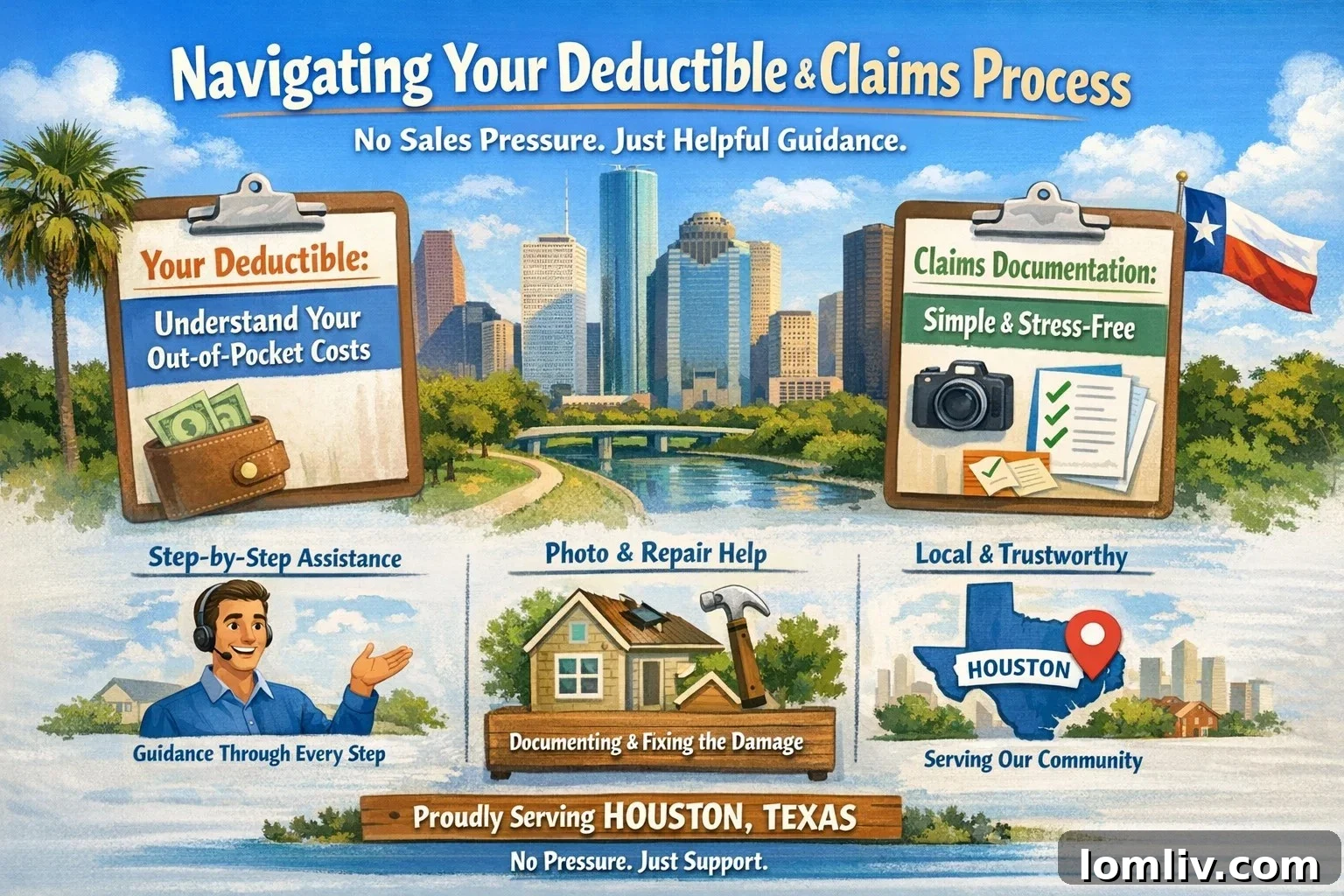
When storm damage necessitates an insurance claim for your Stafford roof, it’s imperative to understand the legal framework surrounding deductibles in Texas. This knowledge will empower you to protect yourself from contractor schemes and ensure a smooth, legitimate claims process. Texas law is quite clear on the issue of insurance deductibles:
State guidance explicitly outlines that it is illegal for a roofing contractor to offer to waive, rebate, or absorb a property policyholder’s deductible. This means any offer from a contractor to “cover your deductible” or provide a “free roof” by inflating the repair cost is not only unethical but also a violation of Texas Insurance Code Section 27.02. Furthermore, certain contracts tied to insurance settlements must include a notice clearly stating that the policyholder is legally obligated to pay their deductible, and insurers have the right to request proof that this payment was made. Engaging in such practices can lead to severe penalties for contractors and potential legal complications for homeowners.
Beyond the deductible, the state also provides valuable fraud-avoidance tips that every Stafford homeowner should heed during the insurance claims process. These include:
- Obtain Multiple Bids: Always solicit estimates from at least two or three different reputable roofing contractors. This allows you to compare pricing, scope of work, and proposed solutions, ensuring you receive a fair and competitive offer.
- Check References Thoroughly: Don’t just rely on online reviews. Ask contractors for references from past clients and follow up with those individuals to inquire about their experience, project satisfaction, and professionalism.
- Avoid Paying in Full Upfront: A legitimate contractor will typically require a reasonable down payment to cover initial material costs, but never the full amount before any work has commenced. Phased payments tied to project milestones are a safer approach.
- Never Sign Blank Contracts: Ensure all terms, conditions, costs, and scope of work are fully detailed and understood before signing any document. A blank space could be filled in later with terms you didn’t agree to.
- Understand Your Policy: Familiarize yourself with the specifics of your homeowner’s insurance policy, including your deductible amount, coverage limits, and whether it’s an Actual Cash Value (ACV) or Replacement Cost Value (RCV) policy, which significantly impacts your payout.
As a fundamental rule of thumb, remember that if a deal sounds too good to be true – particularly if it promises a “free” roof or offers to absorb your deductible – it almost certainly means the cost is being recouped elsewhere, potentially through inflated invoices or substandard materials, which could lead to significant problems down the road. Protecting yourself means staying informed and vigilant throughout the insurance claims and repair process.
Permits and Building Codes: A Critical Aspect of Stafford Roofing
While often perceived as mere bureaucratic hurdles, adherence to permits and building codes is an absolutely critical, non-negotiable aspect of any roofing project in Stafford. Overlooking these requirements can lead to serious consequences, including fines, denial of insurance claims, complications during a home sale, and, most importantly, compromised safety and structural integrity of your home.
The City of Stafford has proactively adopted comprehensive building codes to ensure the safety, health, and welfare of its residents. Specifically, Stafford has embraced the 2015 International Code Council (ICC) codes, which include the International Building Code, International Residential Code, and other specialized codes, alongside the 2017 National Electrical Code. These codes dictate everything from structural requirements and material specifications to ventilation standards, ensuring that all construction and repair work meets a minimum safety and quality threshold. Any roofing work that involves structural changes, significant repairs, or a full replacement will almost certainly require a permit to ensure compliance with these adopted standards.
The city efficiently manages its permitting and inspection processes through its Development Services Department. This department is responsible for issuing all necessary construction permits and conducting rigorous inspections to verify compliance with both the building codes and local city ordinances. For homeowners or contractors tracking projects, it’s vital to note Stafford’s specific guidelines:
- Inspection and Finalization: Permits are not officially finalized and closed until all required inspections, performed by city officials, have been completed and approved. This phased inspection process ensures quality at various stages of the project.
- Permit Validity: Permits issued by Stafford are typically valid for a period of up to 180 days. Crucially, a permit can expire if work does not commence within six months of issuance or if work halts for a continuous period longer than six months. Timely project execution is therefore essential.
- Online Submissions: Staying current with administrative procedures, the City of Stafford has transitioned to an online-only permit submission system. As of May 1, 2023, the Development Services Department no longer accepts permit submittals via email or hard copies. Applicants are now directed to use the MGO Connect portal for all new submissions, streamlining the application process.
Should you ever need to visit or contact the city office for Development Services, their physical location is listed at 2610 S Main Street Stafford TX 77477. A truly professional and ethical Stafford roofing contractor will not only be fully aware of these local codes and permitting requirements but will also proactively discuss them with you, handle the permit application process on your behalf, and ensure all work passes city inspections. Their willingness to discuss permits and inspections as a normal, integral part of the project is a strong indicator of their credibility and commitment to lawful, high-quality work.
Repair or Replace: Making the Right Roofing Decision in Stafford
Many Stafford homeowners facing roof damage desire a simple, definitive answer: repair or replace? However, the honest and most effective recommendation is rarely black and white. Instead, the optimal course of action hinges on a careful assessment of three primary factors, requiring a nuanced understanding of your roof’s condition and history.
- How Widespread is the Damage?: If the damage is highly localized, such as a single area of missing shingles after a wind gust, a small flashing failure around a vent, or an isolated puncture from falling debris, a targeted repair is often the most cost-effective and logical solution. Repairs make sense when the overall structural integrity and lifespan of the rest of the roof remain largely intact.
- How Old is the Roof?: The age of your roof is a critical determinant. An asphalt shingle roof typically has a lifespan of 20-25 years in the Texas climate, though this can be shortened by severe weather exposure and inadequate maintenance. If your roof is already nearing the end of its practical life—say, 15-20 years old—even minor, isolated damage might signal that it’s time for a full replacement. Repairing an old, fatigued roof often leads to a cycle of recurring problems, as other components are likely to fail soon thereafter.
- Is the Damage Concentrated or Scattered?: Damage that is concentrated in one specific area, like a single valley or a section beneath a tree, might be repairable. However, if the damage is widespread across multiple slopes, involves numerous hail hits across the entire surface, or if you’ve experienced repeated leaks in different areas over time, a full roof replacement becomes a far more sensible and economical long-term investment. Widespread damage indicates a systemic compromise of the roof’s protective capabilities.
Roof repairs typically make sense when the problem is isolated and the rest of the roofing system is in good condition, with plenty of life left. Examples include replacing a few wind-blown shingles, resealing a faulty pipe boot, or repairing a small section of damaged flashing. These are focused interventions designed to address specific, contained issues without overhauling the entire system.
Conversely, a full roof replacement becomes the more prudent and cost-effective choice when dealing with extensive hail damage across the entire roof surface, multiple and recurring leaks in various areas, or a roof that has reached or exceeded its expected lifespan for the demanding Stafford climate. A new roof offers a fresh start, ensuring consistent protection, improved energy efficiency (especially with modern materials and proper ventilation), and a renewed warranty for years to come. It eliminates the patchwork approach of perpetual repairs and adds significant value and curb appeal to your property.
A truly professional and ethical Stafford roofing contractor will always present you with clear evidence of the damage (often with photos or drone footage), explain the pros and cons of both repair and replacement options, and provide a transparent, detailed estimate for each scenario. Their goal should be to educate you, empowering you to make the most informed decision for your home and budget, rather than simply pushing the highest-ticket item.
Essential Knowledge for Every Stafford Homeowner Regarding Roofing
For any homeowner in Stafford looking for reliable roofing solutions, particularly in the aftermath of a storm or when considering an upgrade, having clear, practical information is invaluable. A truly exceptional local roofer won’t just offer a sales pitch; they will serve as an educational resource, providing guidance on key aspects of roofing maintenance, repair, and replacement in the specific context of Stafford, Texas.
Here’s what a reputable local roofer should be able to clearly communicate and help you understand:
- Emergency Steps Immediately After a Storm: They should provide concise, actionable advice on what homeowners must do directly following severe weather, focusing on safety, initial damage assessment, and temporary measures to prevent further issues.
- How to Accurately Spot Hail and Wind Damage: Beyond obvious signs, a good contractor will educate you on the subtle indicators of damage, such as granule loss, creased shingles, or compromised flashing, which might not be visible from the ground but are critical for an insurance claim.
- The Urgency of Scheduling an Inspection: They will explain why prompt professional inspection is crucial, not only for preventing further damage but also for meeting insurance claim deadlines and ensuring the full scope of damage is identified quickly.
- Navigating the Insurance Claims Process: A knowledgeable roofer will guide you through the intricacies of filing a claim, explaining the role of adjusters, the importance of detailed documentation, and what to expect at each stage.
- Strategies to Avoid Scams and Deductible Traps: They will openly discuss the pitfalls of unethical contractors, specifically addressing the illegal practice of waiving deductibles in Texas and offering advice on how to identify and avoid fraudulent schemes.
- Permit Requirements and Who Handles Them: They should clarify if your specific project requires a city permit in Stafford, explain the rationale behind these requirements, and confirm that their team will handle all necessary permit applications and inspections on your behalf.
- A Realistic Project Timeline: From the initial inspection to the completion of repairs or replacement, a transparent contractor will provide a clear, realistic timeline, including scheduling, material delivery, and estimated project duration.
- How to Choose a Local Company That Provides Ongoing Support: They will articulate what makes their company a reliable, long-term partner, emphasizing responsive customer service and a commitment to standing behind their work, ensuring you can reach them for any future needs.
Ultimately, the best local roofing companies in Stafford distinguish themselves by offering more than just a service; they provide clear, practical, and locally relevant guidance. This consultative approach builds trust and ensures homeowners are well-informed throughout what can often be a complex and stressful process.
A Trusted Local Roofing Option Serving Stafford
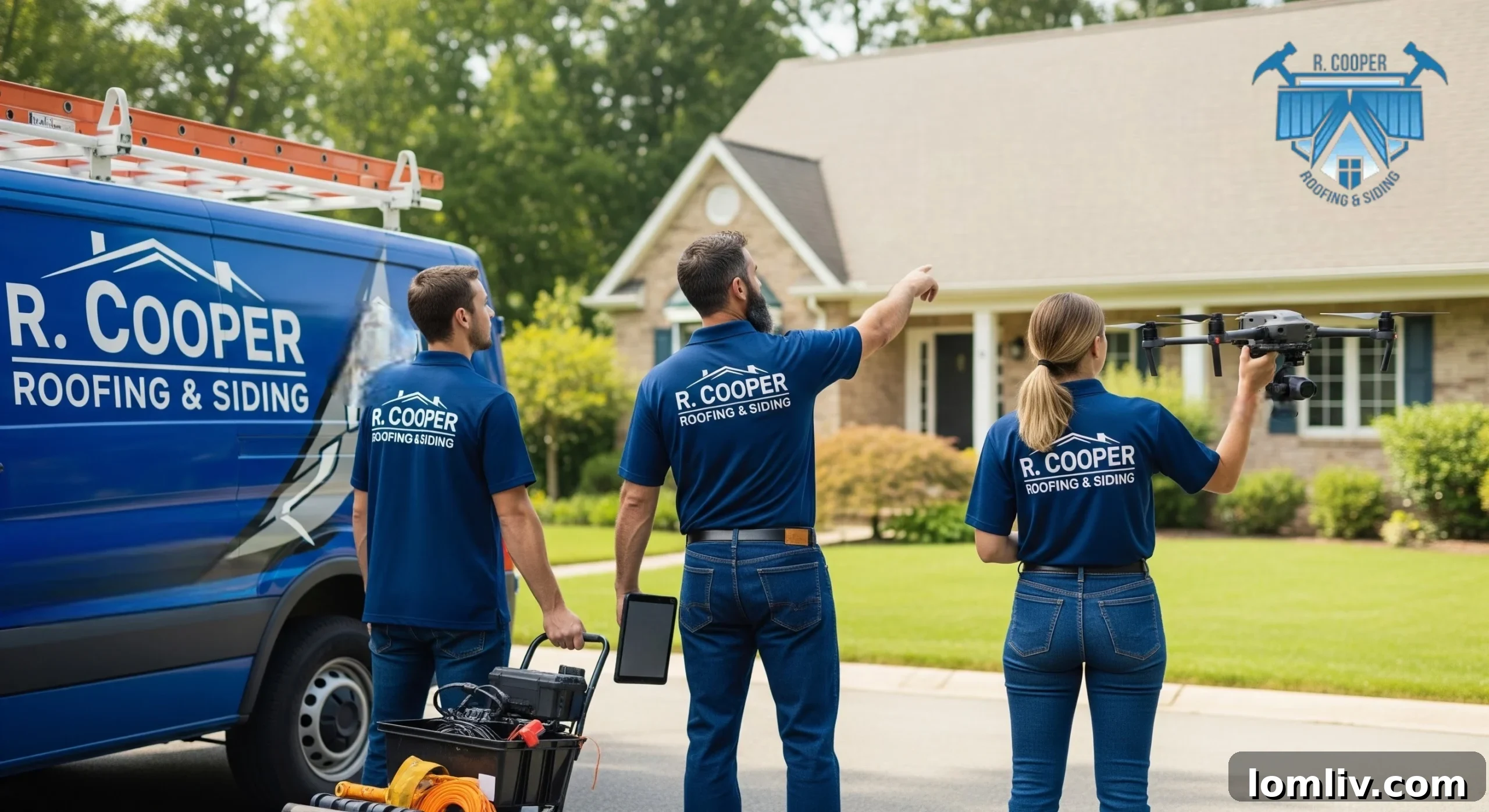
For Stafford residents seeking a local company with a strong focus on the southwest Houston area, R. Cooper Roofing & Siding highlights its dedicated service to Stafford, alongside neighboring communities such as Sugar Land and Missouri City. This company emphasizes its commitment to responsive 24/7 customer service, recognizing the urgency often associated with roofing emergencies. Their use of advanced drone footage for comprehensive roof assessments is particularly beneficial, especially for steep or hard-to-access roofs, providing highly accurate and detailed evaluations without putting personnel at unnecessary risk.
Roofing in Stafford is not a one-time, “set it and forget it” project. Given the continuous exposure to severe thunderstorm seasons, the persistent threat of hail, and the annual impacts of hurricane season, a strategic and proactive approach is essential. The most effective strategy involves swift and thorough documentation of any perceived damage, followed by securing a professional, in-depth roof inspection. Crucially, selecting a roofing contractor who can clearly explain the scope of work, adheres strictly to local building codes and permitting regulations, and maintains transparent communication throughout the project will protect your property in the long term.
By adopting this simple, smart, and informed approach to roof care and contractor selection, Stafford homeowners can effectively protect their most valuable asset, manage their budget wisely, and maintain their peace of mind against the challenges of Texas weather.