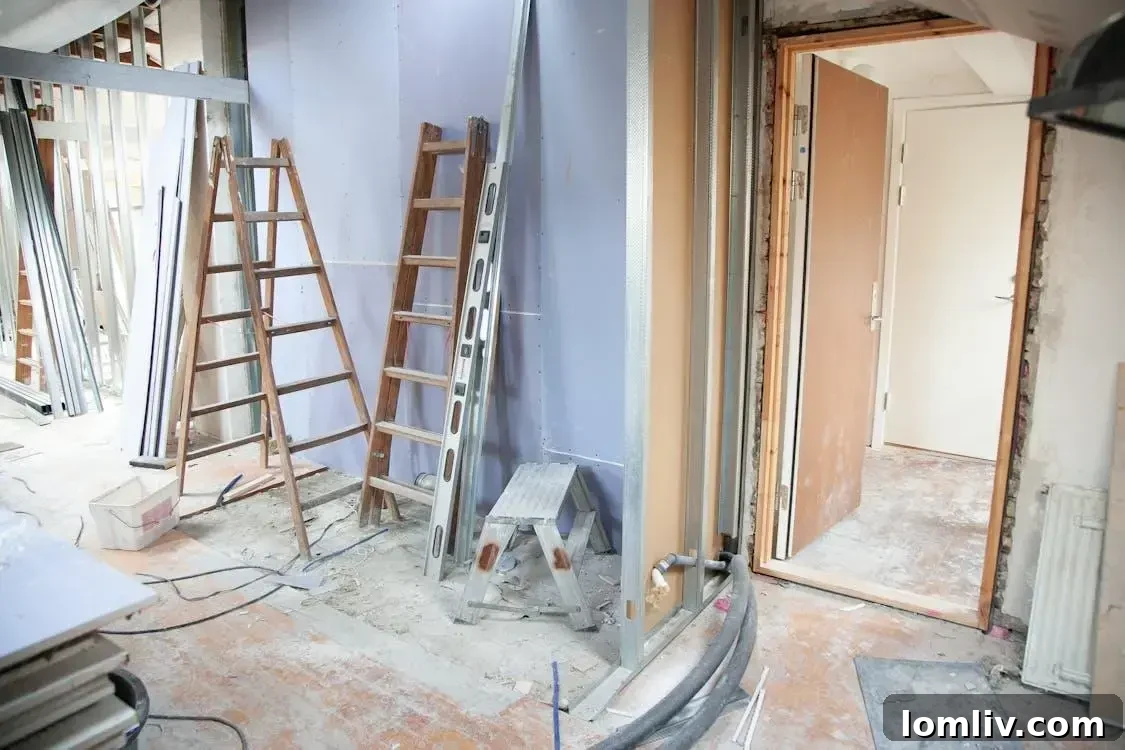
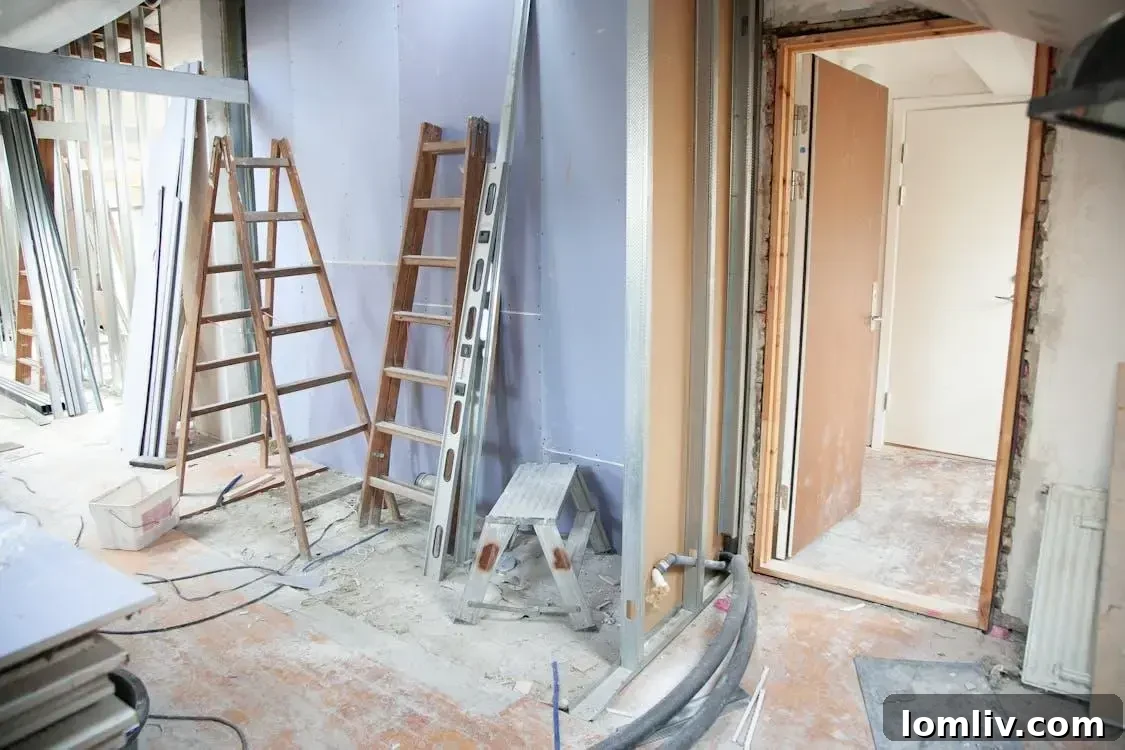
Home remodeling has seen a significant surge in popularity across Oklahoma, transforming how homeowners envision and interact with their living spaces. Driven by evolving tastes, a desire for enhanced comfort, improved functionality, and undeniable aesthetic appeal, residents are increasingly investing in their properties. A well-executed renovation project not only elevates the quality of daily life but also substantially boosts a home’s market value, making it a wise long-term investment.
Embarking on a home remodeling journey, however, is a multifaceted endeavor that demands careful planning, diligent budgeting, and access to the right resources. It’s a venture that, when approached strategically, yields rewarding results. In this comprehensive guide, we will delve into essential strategies for establishing a realistic renovation budget, offer invaluable advice on selecting the ideal contractor, and provide detailed insights into planning critical areas like bathroom and kitchen renovations. Understanding these fundamental aspects empowers homeowners to confidently navigate the remodeling process, ensuring they create a space that perfectly aligns with their vision and delivers lasting satisfaction.
With a solid grasp of these core principles, homeowners can approach their projects with assurance, transforming their residences into beautiful, highly functional environments that truly reflect their personal style and contribute significantly to both their enjoyment and their property’s overall worth. This article aims to be your trusted companion, guiding you through every crucial step of your Oklahoma home transformation.
Choosing the Right Contractor and Planning Your Timeline for a Seamless Remodel
One of the most pivotal decisions in any home remodeling project is selecting the right contractor. A skilled and reliable contractor is more than just a service provider; they are your project manager, your expert guide, and the executor of your vision. They bring specialized knowledge, skilled labor, and essential resources to the table, ensuring that your dream home becomes a tangible reality. Their expertise can significantly impact the project’s efficiency, quality, and ultimately, your satisfaction.
For homeowners in Tulsa, Oklahoma, who are contemplating a significant update, particularly for a bathroom remodel, finding a local contractor with specific experience in bathroom updates is paramount. Local experts, such as those specializing in bathroom remodeling in Tulsa, possess an intimate understanding of regional preferences, common layouts, popular materials, and prevailing design aesthetics. This local insight is invaluable, as it streamlines the design process and helps in selecting finishes that resonate with the local market. Moreover, working with a contractor who is well-versed in local building codes and permitting requirements can prevent costly delays and potential complications with inspections, ensuring your project adheres to all regulatory standards.
Identifying a reputable contractor requires a systematic approach. Begin by soliciting recommendations from friends, family, and colleagues who have recently undergone similar renovations. Supplement these personal referrals with thorough online research, paying close attention to customer reviews and ratings on platforms like Google, Yelp, and industry-specific sites. Once you have a shortlist, schedule interviews with at least three different candidates. During these meetings, be transparent about your budget, desired timeline, and any specific expectations or potential challenges you foresee. Crucially, request not only a written estimate but also a detailed breakdown of all anticipated expenses, including labor, materials, and any sub-contractor costs. Verify their licensing, insurance, and ask for references from past clients whom you can contact directly to inquire about their experience.
Beyond the contractor selection, establishing a realistic timeline is equally vital. Collaborate closely with your chosen contractor to map out a comprehensive project schedule, outlining each phase from initial demolition to final touches. This detailed timeline should include clear milestones for material procurement, structural changes, plumbing and electrical work, installation of fixtures, and finishing work. It’s also essential to discuss potential delays upfront. Unforeseen issues, such as weather conditions, material availability, or unexpected structural problems, can impact the schedule. Building in a buffer for these contingencies and maintaining open lines of communication with your contractor about progress and any deviations will help manage expectations and keep the project on track, minimizing disruptions to your daily life. For those in other regions, like Raleigh, who need a reliable contractor for any home improvement project, contacting a trusted Raleigh builder ensures similar expertise and precision in project management.
Setting a Realistic Budget and Prioritizing Your Home Renovation Projects
The foundation of any successful home renovation project is a meticulously planned and realistic budget. Before any demolition begins, it is imperative to conduct thorough research to understand the average costs associated with different types of renovations in your local area. This research should cover everything from material costs to labor rates, permit fees, and design services. Once you have a clear picture of potential expenses, you can then thoughtfully decide which parts of your house will receive the renovation attention.
Prioritizing projects is a strategic exercise that balances personal needs with potential return on investment (ROI). For maximizing both immediate value and future resale potential, renovations targeting kitchens and bathrooms are almost always at the top of the list. These areas are often considered the heart of the home and are frequently the deciding factors for potential buyers. However, don’t overlook other high-impact areas such as enhancing curb appeal, upgrading energy-efficient windows, or finishing a basement. A clear understanding of your priorities will guide your spending decisions and ensure your budget is allocated effectively to areas that matter most to you and your home’s value.
A crucial, yet often overlooked, component of any renovation budget is a contingency fund. It is highly recommended to set aside an additional 10 to 15% of your total budget specifically for unexpected expenses. This buffer is invaluable for covering unforeseen issues that inevitably arise during a remodeling project, such as discovering outdated wiring, plumbing problems behind walls, or structural concerns. Having this reserve mitigates stress and prevents project delays due to insufficient funds. Furthermore, consider temporary costs that may arise during extended projects. For instance, if your kitchen is out of commission for several weeks, you might incur additional dining-out expenses, or if a major part of your home is uninhabitable, temporary accommodation costs might be necessary. Factoring these practical considerations into your initial budget plan will ensure a smoother, less stressful renovation experience.
Planning for Functionality and Long-Term Use in Your Remodeled Space
A truly successful home remodel extends far beyond mere aesthetics; it must intrinsically combine visual appeal with robust practical utility. This involves a meticulous consideration of how each space will be used on a daily basis, ensuring that every design choice contributes to an enhanced living experience. In the kitchen, this means optimizing the workflow triangle, ensuring ample and smart storage solutions – from custom pantry designs to innovative cabinet organizers – sufficient countertop space for meal preparation, and thoughtful placement of appliances for maximum efficiency and accessibility. For bathrooms, functionality dictates intelligent layout, adequate ventilation, sufficient storage through well-designed vanities and medicine cabinets, and durable, water-resistant material choices.
Thinking about the long-term use of your space is a critical aspect of strategic remodeling. This forward-thinking approach can save significant time and money down the line. Consider future needs such as “aging in place” concepts, which integrate features like walk-in showers, grab bar reinforcements, and wider doorways to enhance accessibility and safety as residents age. If your family is growing or you anticipate changes, plan for adaptable spaces. This might involve creating rooms that can easily double in function, such as a guest bedroom that also serves as a home office, or a mudroom that efficiently handles storage for outdoor gear while acting as a transition zone from outside. Designing with flexibility in mind ensures your home can evolve with your life.
Beyond structural and layout considerations, proper lighting is a powerful element that profoundly enhances both the beauty and functionality of any room. Maximizing natural light through larger windows or strategically placed skylights can reduce energy costs and create a brighter, more inviting atmosphere. Complementing natural light with a layered approach to artificial lighting is key. This includes ambient lighting for overall illumination, task lighting (such as under-cabinet lights in kitchens or focused reading lights in living areas) for specific activities, and accent lighting to highlight architectural features or artwork. Smart lighting systems can further improve functionality, allowing for dimming, color changes, and scheduling to optimize energy use and mood. By planning with a long-term perspective—considering durability, adaptability, and energy efficiency—homeowners can create spaces that are not only beautiful today but also functional, sustainable, and enjoyable for many years to come.
Managing Your Expectations and Preparing for Temporary Disruptions During Remodeling
While the prospect of a newly remodeled home is undoubtedly exciting, it’s crucial for homeowners to approach the renovation process with realistic expectations regarding the temporary inconveniences it will entail. Remodeling is, by nature, a disruptive process, and you should be prepared for a certain degree of dust, noise, and general chaos. One of the most important things to do is to proactively adjust daily routines, especially if the renovation targets a main living area like the kitchen, a primary bathroom, or the living room. Understanding that your home will be a construction zone for a period can help in mentally preparing for these changes.
Effective communication and proactive problem-solving with your contractors are vital. Work with your contractor to establish temporary fixes or alternative arrangements. For instance, if your kitchen is being renovated, set up a temporary kitchenette in another part of the house with a microwave, toaster oven, and mini-fridge. If a bathroom is out of commission, plan for alternative bathing arrangements. Protecting personal belongings from dust and damage is also essential; consider covering furniture, sealing off renovation areas with plastic sheeting, and storing valuables in safe, dust-free locations. Furthermore, communicate with your neighbors about the expected noise and activity, offering apologies in advance for any inconvenience.
Flexibility is perhaps the most important trait for homeowners during a remodeling project. Despite meticulous planning, unexpected problems might arise—a structural issue discovered behind a wall, a material delivery delay, or an unforeseen plumbing challenge. Being prepared for minor delays, understanding that the project might extend slightly beyond the initial timeline, and having that contingency fund for extra costs will significantly reduce stress. Regular check-ins with your contractor, asking questions, and addressing concerns promptly can also prevent small issues from escalating. By accepting that the process will have its ups and downs and focusing on the ultimate goal of a beautiful, functional new space, homeowners can navigate the temporary disruptions with greater ease and patience, making the entire experience much more manageable and ultimately rewarding.
In conclusion, embarking on a house renovation project is a significant undertaking that requires careful planning, diligent budgeting, and the strategic hiring of the right professionals. Successfully transforming your living space hinges on a combination of factors, starting with setting realistic budgets that account for both anticipated and unexpected expenses. Equally crucial is the selection of good-quality materials that ensure durability and aesthetic appeal, alongside partnering with a reliable and experienced contractor. Leveraging the expertise of local professionals, particularly those familiar with regional styles and building codes, can further streamline the process and lead to optimal results, as seen with specialized bathroom remodeling services in Tulsa.
A thoughtfully executed remodel does more than just update appearances; it fundamentally enhances your home’s comfort, improves its functionality, and significantly increases its market value. These improvements contribute to years of enjoyment for you and your family, profoundly improving your quality of life within a space that is truly tailored to your needs and preferences. Start planning today to unlock the full potential of your home and create the living environment you’ve always dreamed of.