Ultimate Guide to Texas Landscape Survival: Nurturing Your Lawn and Trees Through Extreme Heat
Texas summers are legendary for their intensity, and it feels like each year brings new records for scorching temperatures. Even the most seasoned Texans and their landscapes struggle to cope with such relentless heat. As you observe the impact, highway medians appear scorched, trees may show signs of stress, and apart from resilient native plants like the trusty crepe myrtle, vibrant blooms are a rarity. This extreme weather often leaves homeowners asking a critical question: how can I protect my precious grass and established trees from succumbing to the heat? Artz Landscape Designs is here to provide invaluable insights, practical tips, and answers to frequently asked questions, empowering you to help your lawn and trees not just survive, but potentially thrive, through the remaining heatwave and prepare for a robust recovery.
Decoding Your Lawn: Is Your Grass Dead or Just Dormant?
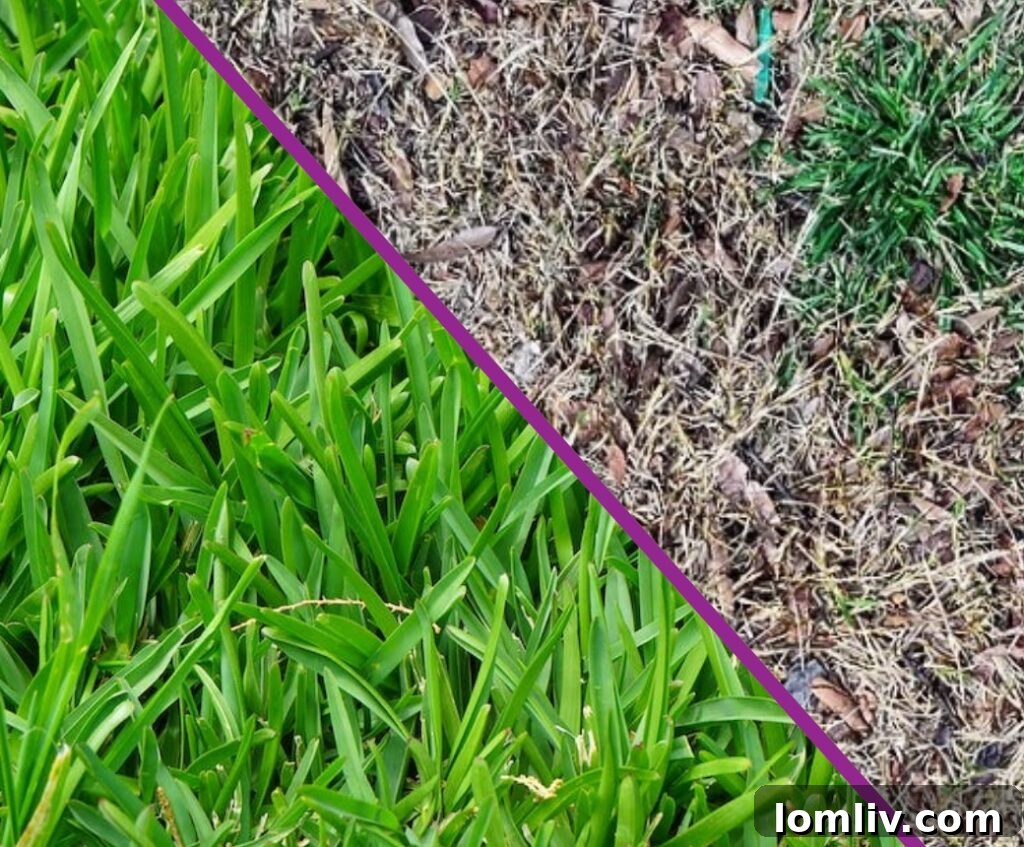
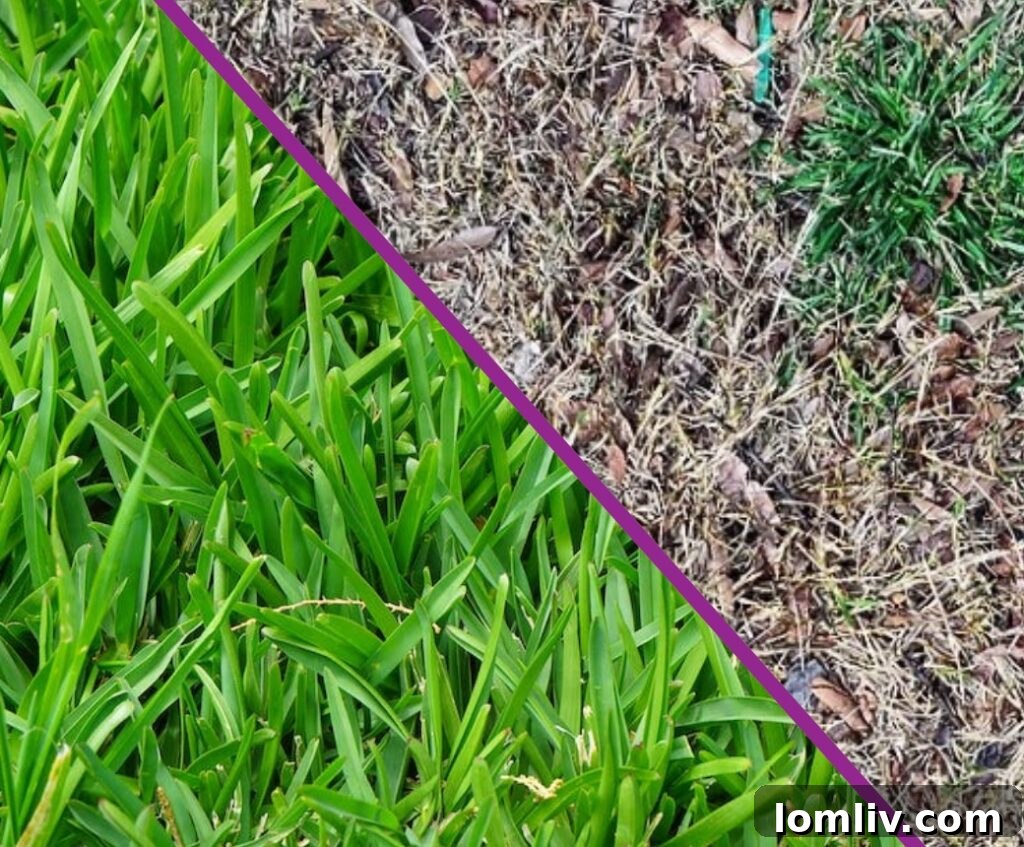
When your once-vibrant green lawn turns a shade of brownish-tan, the immediate fear is often that it’s irrevocably lost. However, the good news is: most likely, no! In many cases, your grass isn’t dead; it’s simply taking a strategic “nap” – entering a state known as dormancy. This is a natural survival mechanism that many warm-season grasses, common in Texas like St. Augustine, Bermuda, and Zoysia, employ when temperatures become excessively high or water resources are scarce. During dormancy, the grass conserves energy, redirecting resources to its root system, effectively riding out the most challenging conditions. Once temperatures begin their much-anticipated descent and more favorable conditions return, your dormant grass will often surprise you with its ability to green up again, often without needing full replacement.
Our growing season in Texas typically extends well into mid-November, leaving ample time for your grass to recover and regain its lush color. This extended period means you can still enjoy a verdant garden as autumn approaches. To aid in this recovery and prepare your lawn for its winter slumber, fertilizing during the late summer or early fall is highly recommended. Opt for a high-quality, slow-release, Nitrogen-rich fertilizer. Nitrogen is crucial for promoting vigorous new green growth. When applying fertilizer, it’s imperative to thoroughly water your grass that evening. This critical step ensures the granules dissolve properly, allowing nutrients to penetrate the soil and reach the roots, while also preventing the fertilizer from “burning” the grass blades. This strategic boost not only helps your lawn green up but also builds resilience, setting the stage for a healthier turf come spring.
When Brown Means Gone: Identifying Truly Dead Grass
While a brownish-tan hue often signals dormancy, there are definitive signs that indicate your grass has, unfortunately, crossed the threshold from resting to truly dead. If your lawn exhibits a dark brown or black coloration, feels crispy underfoot, or if the soil beneath the grass is visibly exposed in patches, these are strong indicators of irreversible damage. In such cases, the existing grass is most likely dead and will require replacement. Faced with the task of reseeding or re-sodding, diligent research is paramount. Understanding which grass variety will perform optimally on your specific property is crucial for long-term success. Factors such as the amount of shade specific areas receive, your native soil type, existing drainage patterns, and your tolerance for ongoing maintenance all play significant roles in this decision. For expert guidance in assessing your property and determining the best course of action for replacing grass or other plant material, the experienced team at Artz Landscape Designs is always ready to provide personalized recommendations.
The Art of Summer Mowing: Less is More for a Healthy Lawn
Contrary to popular belief, frequent mowing is not beneficial for your lawn during the intense summer months. In fact, a crucial adjustment to your mowing routine involves both frequency and blade height. You should actively avoid mowing too often and, perhaps most importantly, consider raising the deck of your mower. While short, tidy grass may appear aesthetically pleasing, it significantly increases the grass’s vulnerability to the summer sun, leading to burning and stress. Taller grass blades provide essential shade to the soil, helping to retain moisture and keep the roots cooler. Don’t be afraid to embrace a slightly “shabby” look during the dog days of summer; this strategy contributes significantly to your lawn’s health. We recommend discussing a 10-day mowing cycle with your lawn maintenance company. This adjusted schedule reduces stress on the grass, promotes stronger root development, and helps prevent unsightly ruts from forming in your lawn over time.
Continuing on the topic of mowing, it is equally important that you or your maintenance team diligently mulch or rake up any excessive grass clippings. While leaving short clippings on the lawn can act as a natural fertilizer, providing beneficial nutrients and conserving moisture, clippings longer than approximately one inch in length can pose a risk. When exposed to direct sunlight, these longer clippings can trap heat and moisture unevenly, potentially causing burn marks on your lawn and impeding healthy growth. Proper clipping management is a small but impactful detail in maintaining a vibrant summer lawn.
Mastering Summer Watering: Deep, Infrequent, and Strategic
When it comes to nurturing your lawn and garden through the summer heat, the method of watering is far more critical than the frequency. You might be surprised to learn that infrequent, deep soaking is tremendously superior to shallow, frequent watering. The goal is to drench the area thoroughly, almost to the point where the soil feels mushy underfoot, yet without causing excessive runoff. This deep watering strategy should typically be performed only twice a week. While we certainly advocate for water conservation and avoiding wasteful runoff into the streets, the primary objective here is to actively encourage the plant roots to “dive deep” into the soil in search of water between watering days. This practice builds a robust, resilient root system, making your plants far more drought-tolerant.
The philosophy behind deep, infrequent watering mirrors human development: much like us, plants tend to become weaker when everything is provided effortlessly, as opposed to working for it. If you water shallowly and frequently, the plant material has no incentive to develop an extensive root system; its roots remain close to the surface, shallow and weak. This superficial root structure makes plants highly vulnerable to heat stress and drought, as the topsoil quickly dries out. By forcing the root system to “exercise” and explore deeper soil layers for moisture, we promote the growth of strong, extensive roots that are much better equipped to find and extract water during prolonged dry spells, significantly enhancing the plant’s overall health and drought resistance.
It’s important to note that this method of deep, infrequent watering does not apply universally. Plants housed in raised planters or containers, for instance, have limited soil volume and therefore less capacity to retain moisture. Container gardening will necessitate more frequent watering, often daily, especially in extreme heat. Similarly, newly planted material, whether it be grass or other plants, requires more frequent attention. Their roots have not yet had the chance to “root in” and establish themselves beyond the immediate root ball, meaning they lack the extensive network needed to find and extract water from deeper soil layers. For these young plants, consistent moisture is critical for successful establishment.
Conquering Slopes: Effective Watering Strategies for Uneven Terrain
Properties featuring sharp inclines or slopes present a unique challenge for proper irrigation; water tends to run off quickly before it can be adequately absorbed by the soil. Fortunately, this runoff can be significantly minimized by strategic adjustments to your irrigation type and programming. Achieving a deep soak on a slope doesn’t have to mean fast application. For example, instead of running a grass zone or area for a continuous 20 minutes, consider breaking it into multiple, shorter cycles. You could program two 10-minute watering cycles within a single day (perhaps morning and evening), or even three 7-minute cycles spread throughout the day. Most modern irrigation controllers offer the capability to program multiple start times for individual zones, requiring only a little extra time and thought to optimize your watering schedule. These multiple cycles allow the soil sufficient time to absorb the water between each application, effectively preventing wasteful runoff and promoting deeper penetration.
Beyond programming, the type of sprinkler nozzles you utilize can make a substantial difference on sloped terrain. We strongly recommend using sprinkler nozzles designed with slower precipitation rates. Precipitation is typically measured in inches per hour. For context, a standard spray sprinkler nozzle often has an average precipitation rate of around 1.6 inches of water per hour – a rate that can overwhelm sloped areas. Consider replacing these standard spray nozzles with Matched Precipitation Rate (MPR) nozzles, which boast much slower precipitation rates, often in the neighborhood of 0.45 inches of water per hour. While MPR nozzles require significantly longer run times to deliver the same total volume of water as standard spray nozzles, this method is precisely what gives the soil on slopes the crucial time it needs to absorb water efficiently, rather than letting it cascade down the hill. For very steep slopes or planted beds, drip irrigation can be an even more effective solution, delivering water directly to the root zone with minimal waste.
Essential Watering Guidelines for a Resilient Landscape
-
Water Deep and Infrequently: As discussed, the cornerstone of summer watering is to encourage deep root growth. Break your watering cycles into multiple, shorter applications per day, especially on slopes, to ensure maximum absorption and prevent runoff. This trains your landscape to be more self-sufficient and drought-resistant.
-
Time Your Watering Wisely: Never water in the middle of the day, typically between 10 a.m. and 6 p.m. During these peak hours, evaporation rates are at their highest, leading to significant water loss before it can reach the root zone. The optimal times for watering are generally between 3 a.m. and 10 a.m. or between 6:30 p.m. and 11 p.m. Watering too late at night (past 11 p.m. or midnight) should also be avoided, as prolonged wet foliage and soil can create ideal conditions for fungal diseases to develop.
-
Avoid Overwatering: While the impulse might be to give thirsty plants more water, overwatering can be just as detrimental as underwatering. Signs of overwatering often include yellowing leaves (due to nutrient leaching from waterlogged soil), the appearance of mushrooms, or other visible fungal issues. Consistently saturated soil deprives roots of essential oxygen, leading to root rot and overall plant decline.
-
Test Your Water Source: If you draw water for irrigation from a water well, pond, or lake, it is highly advisable to have your water tested approximately every year. The pH levels and salinity content of these water sources can fluctuate, which can directly impact the health of your plants and soil. Regular testing allows you to identify potential issues and apply necessary supplements or amendments to maintain optimal growing conditions.
-
Regular System Checks: Proactively check your irrigation system regularly for any leaks, broken sprinkler heads, or clogged nozzles. Even a small leak can waste thousands of gallons of water over a season, and misdirected or clogged nozzles prevent water from reaching its intended target, leading to uneven watering and stressed plants. Addressing these issues promptly saves water and ensures efficient delivery.
-
Install a Rain Sensor: Embrace smart watering practices by installing a rain sensor on your irrigation system. This simple yet effective device automatically suspends watering cycles when it detects rainfall, preventing unnecessary irrigation during or immediately after a good soaking. Not only does this conserve water and save money, but it also ensures you’re not “that person” whose sprinklers are running while it’s actively raining outside. Furthermore, there’s nothing quite as beneficial for your lawn and garden as natural rainwater.
-
Account for Sun Exposure: When programming your irrigation controller, pay close attention to the distinct needs of shaded areas versus full-sun areas. Shady zones, receiving less direct sunlight, will naturally require significantly less water than areas exposed to full sun, where evaporation rates are much higher. Customizing watering times based on sun exposure is key to efficient water use and plant health.
Tree Talk: Understanding and Supporting Your Trees in Summer
Trees are remarkably resilient organisms, equipped with ingenious built-in mechanisms to help them endure extreme temperatures and environmental stress. While Artz Landscape Designs always recommends consulting a certified arborist for expert advice on your tree’s long-term health, don’t panic immediately if your tree appears a bit “sad” or stressed during a heatwave. A tree’s primary go-to survival mechanism in times of severe resource scarcity or extreme temperatures is to drop its leaves (or some of them). This process, known as abscission, is a deliberate strategy to conserve precious water by reducing transpiration, the process by which water vapor is released from leaves. If you observe leaves falling prematurely, it can often be a positive sign that the tree is intentionally conserving resources, and you can anticipate new growth flushing out in the next month or so as temperatures begin to moderate.
To assess the vitality of a stressed tree, you can perform a simple test. Take a clean, sterilized knife and carefully scrape a small patch of bark from a few small branches. If there is still green tissue (cambium) visible beneath the top layer, it indicates that the branch, and likely the tree, is still alive and has the potential for recovery. If no green is present, try gently snapping a few small, pencil-thin branches from various parts of the tree. Healthy, living branches should not snap easily; they should exhibit some flexibility when bent. This pliability is a good indicator that your tree will likely recover once conditions improve. Conversely, if there is no green under the bark and most small branches snap with very little effort, feeling dry and brittle, your tree may unfortunately be past the point of recovery and could require removal.
When it comes to fertilizing your trees, we highly emphasize that a certified arborist is best equipped to perform this specialized task, as they understand the specific needs and timing for optimal tree health. However, we do offer a general caution: avoid applying nitrogen-rich formulas in the late summer or early fall. Nitrogen encourages lush new vegetative growth, and if this new growth emerges too close to winter, it can be particularly tender and vulnerable to damage from an early frost. This unnecessary frost damage can cause significant stress to the tree, hindering its ability to prepare for winter dormancy. Arborists can provide deep root fertilization or suggest soil amendments tailored to the tree’s needs without promoting untimely new growth.
The Drip Zone Advantage: Watering Trees for Maximum Impact
In the landscape industry, we frequently refer to the critical root zone of a tree as the “drip zone.” This area extends significantly beyond the tree trunk. If you observe a tree in your yard, its essential feeder roots expand outward as far as the furthest edge of its canopy, sometimes even further. For instance, if your tree canopy has a 40-foot spread, it means the entire 40-foot diameter underneath the tree needs to receive adequate moisture. If you were to simply place a water hose at the base of that tree, the vast majority of its extensive drip zone would remain parched, and the tree would not receive the comprehensive hydration it needs to thrive, especially in extreme heat. The shallow roots at the base often require less water than the more critical feeder roots further out.
If your existing irrigation system does not adequately cover the entire drip zone, several effective solutions can significantly improve water coverage. Consider purchasing an oscillating sprinkler attachment for your garden hose, which can provide a wider, more even distribution of water across a larger area underneath the tree canopy. For larger trees, using soaker hoses laid in concentric circles within the drip line, or even dedicated drip irrigation lines, can deliver water slowly and directly to the active root zone, minimizing waste and ensuring deep penetration. For newly planted trees, specialized slow-release watering bags that wrap around the trunk can provide consistent, measured hydration as the roots establish. Whichever method you choose, allow the area to soak thoroughly and deeply. Additionally, make a conscious effort to avoid walking frequently underneath the tree’s drip zone while watering or when the soil is wet, as soil compaction can severely damage the delicate feeder roots, hindering the tree’s ability to absorb water and nutrients.

While these strategies offer crucial short-term solutions to protect your grass and trees during intense heatwaves, safeguarding your landscape is an ongoing commitment. Looking ahead, there are many additional proactive steps you can implement to help your lawn and garden not just endure, but truly thrive, regardless of the extreme conditions Mother Nature decides to send our way. This includes long-term planning, selecting drought-tolerant species, improving soil health, and optimizing irrigation systems. We encourage you to check back for future articles from Artz Landscape Designs, where we will delve deeper into additional actions you can take to protect your significant landscape investment for the long haul.
For personalized landscape solutions, expert advice, and professional services that ensure your outdoor spaces flourish even in the most challenging climates, reach out to Artz Landscape Designs. Contact us today at 972-366-0078, email [email protected], or visit our website at ArtzLandscape.com. Let us help you cultivate a resilient and beautiful landscape.