Dallas is a city experiencing phenomenal growth, a vibrant metropolis constantly reinventing its urban fabric. From the emergence of sophisticated new residential communities and sprawling commercial centers to the expansion of critical transportation arteries, construction projects are ceaselessly reshaping both the iconic skyline and the burgeoning suburbs. This relentless pace of development places immense pressure on project managers, city planners, and developers to deliver projects that are not only efficient and cost-effective but also environmentally sustainable and resilient. In response to this escalating demand for excellence, a transformative solution is rapidly gaining traction within the industry, mirroring its successful adoption in diverse sectors like agriculture and logistics: advanced satellite imagery and geospatial intelligence.
The application of satellite data in modern urban planning and construction goes far beyond merely offering a high-altitude “bird’s-eye view.” State-of-the-art satellite maps for visualization and in-depth analysis empower professionals with unparalleled capabilities. They can meticulously zoom into the finest details of any site, enabling precise observation of subtle land shifts, dynamic tracking of seasonal vegetation changes, and the early detection of environmental stressors such as erosion or water accumulation. This unprecedented level of real-time situational awareness and historical insight is pivotal, fostering superior decision-making at every crucial stage of a construction project. From the initial meticulous feasibility studies and comprehensive site assessments to the ongoing monitoring of construction progress and the long-term strategic management of assets, satellite technology provides a foundation for informed choices.

Revolutionizing Construction with Satellite Data: A New Era of Insights
The integration of satellite imagery into the construction industry is no longer a futuristic aspiration; it is a practical, indispensable tool actively shaping how projects are conceived, managed, and executed today. This advanced technology delivers highly detailed, near real-time insights into critical factors such as land topography, existing infrastructure, evolving land use patterns, and vital environmental conditions that profoundly influence the trajectory of any construction endeavor. High-resolution images, meticulously captured by a constellation of advanced satellites orbiting Earth, provide an expansive and granular view of terrain features, changes in land classification, the distribution of water bodies, vegetative health, and even nuanced soil conditions. This powerful visual data empowers construction teams to effectively visualize conditions over extended periods, precisely monitor project progress without needing constant physical presence on site, and proactively identify potential issues well before they escalate into costly problems. By providing a comprehensive digital twin of the site, satellite data significantly reduces the need for extensive, time-consuming, and often hazardous on-the-ground inspections.
Throughout the intricate lifecycle of a construction project, satellite imagery adeptly fills critical information gaps that traditional methods often leave unaddressed. It offers almost instantaneous updates regarding weather-related disruptions, which can be crucial for rescheduling and resource allocation. It provides robust validation for materials planning by allowing teams to assess site accessibility and storage requirements accurately. Furthermore, it serves as an exceptionally powerful tool in ensuring rigorous regulatory compliance, especially in environmentally sensitive regions. As burgeoning urban centers like Dallas continue their outward expansion into ecologically complex and sometimes fragile zones, the strategic importance of this rich, verifiable data becomes increasingly paramount for responsible and sustainable development.
Why Satellite Imagery is Indispensable for Dallas Construction Projects
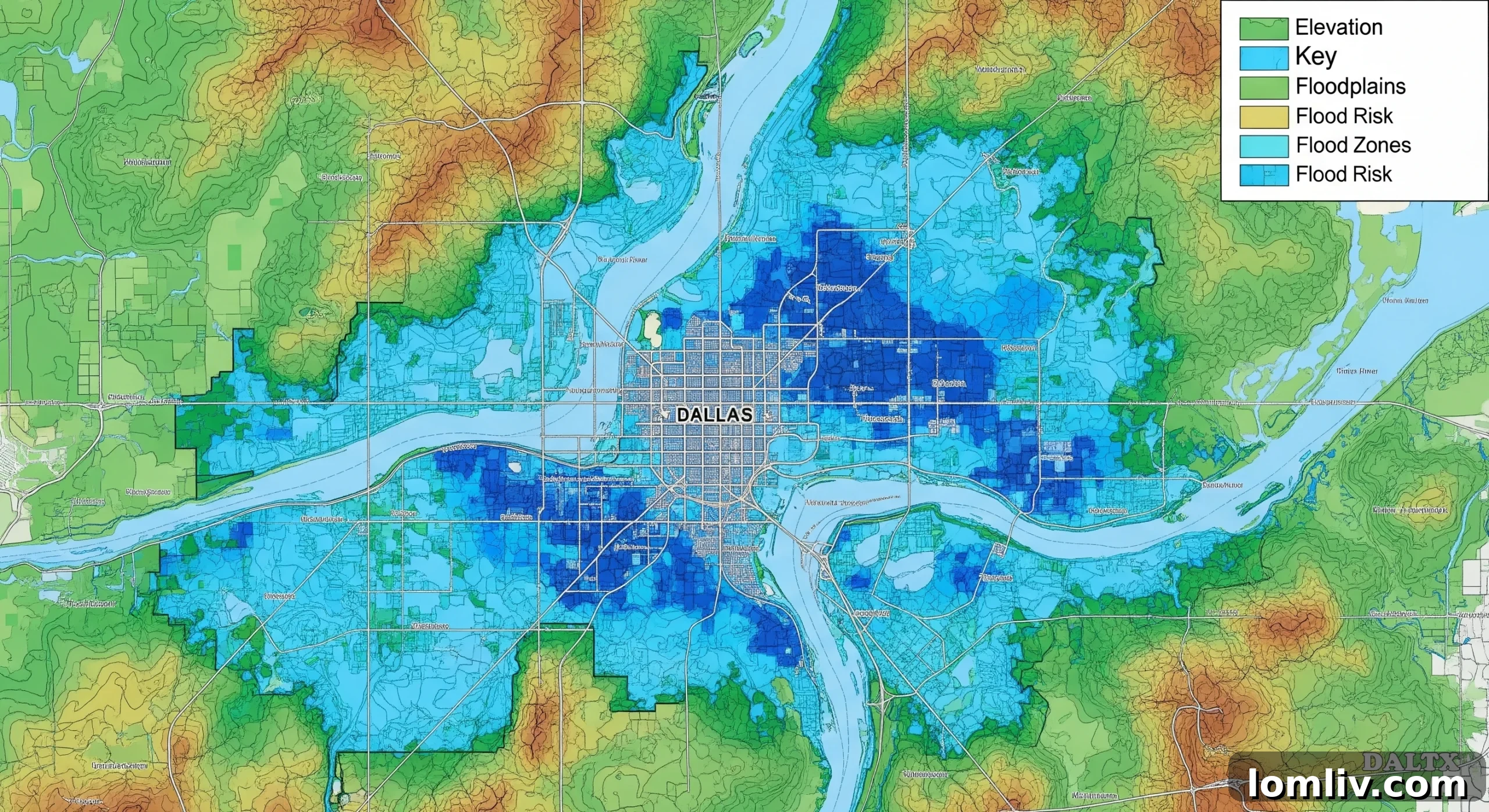
Dallas’s construction landscape is as inherently dynamic as it is geographically diverse, presenting a unique set of challenges and opportunities. From ambitious revitalization efforts transforming historic neighborhoods like Oak Cliff into vibrant community hubs to the strategic expansion of industrial parks located on the city’s rapidly developing outskirts, developers and construction professionals must skillfully navigate a complex matrix of evolving zoning regulations, critical environmental considerations, and intricate logistical challenges. It is precisely within this multifaceted environment that the deployment of the latest satellite imagery and geospatial intelligence emerges as an exceptionally powerful and indispensable asset for any construction project in Dallas.
The city’s famously variable topography, characterized by rolling plains, riverine floodplains, and dramatic land use transformations, often renders traditional, ground-based survey methods not only prohibitively expensive but also prone to becoming outdated by the time their data can be fully processed and analyzed. Satellite imagery, by contrast, offers a remarkably faster, more flexible, and economically viable alternative. For instance, ultra-high-resolution satellite images can detect even subtle elevation changes, precisely delineate flood-prone zones, and identify nuanced land movement – all of which are absolutely essential in the meticulous planning of robust foundation work, effective drainage systems, and resilient infrastructure across Dallas. This capability helps mitigate risks associated with the region’s expansive clay soils, which are notorious for their shrink-swell properties, making precise ground movement monitoring critical.
A compelling real-world example of such advanced monitoring comes from California, where NASA and the Jet Propulsion Laboratory effectively utilize satellite-based Interferometric Synthetic Aperture Radar (InSAR) to meticulously track land subsidence and uplift across major urban centers like Los Angeles and the agricultural heartland of the San Joaquin Valley. These sophisticated systems possess the extraordinary capability to detect ground settlement as minuscule as a few millimeters, often well before any visible structural damage manifests. This early detection mechanism provides invaluable alerts to engineers and city planners, highlighting areas at significant risk of potential infrastructure failure or increased vulnerability to flooding. Adopting similar cutting-edge satellite-guided monitoring techniques in Dallas could empower local construction and planning teams to proactively detect uneven soil movement, accurately assess nuanced drainage system requirements, and anticipate potential foundation stress across a wide array of development zones. This is particularly crucial in Dallas’s low-lying, flood-prone areas, especially those adjacent to the Trinity River, and in rapidly urbanizing corridors where ground stability can be highly variable and susceptible to changes from heavy construction activities.
Moreover, Dallas is regrettably no stranger to the devastating impacts of extreme weather events, including severe thunderstorms, flash floods, and even tornadoes. Access to frequently updated satellite images allows construction teams to rapidly and accurately assess post-storm damage, meticulously monitor critical soil saturation levels, and precisely identify regions where excessive runoff could significantly impede construction timelines or compromise site integrity. These detailed, timestamped images also offer irrefutable visual proof, serving as vital documentation for complex insurance claims, demonstrating adherence to stringent environmental compliance standards, and facilitating thorough internal project audits. By providing an objective and comprehensive record, satellite data enhances accountability and mitigates disputes.
One increasingly vital application of satellite imagery is its use in comprehensively analyzing pre-construction site conditions across different seasons throughout the year. In a dynamic city like Dallas, characterized by intensely hot summers, often unpredictable rainfall patterns, and rapid seasonal vegetation growth, the ability to assess long-term ecological and hydrological patterns through historical and recent satellite images of Earth adds immense predictive value. This proactive approach enables developers to strategically plan around anticipated seasonal challenges – such as managing excessive heat, potential flooding, or rapid overgrowth – rather than merely reacting to them after they occur, thereby optimizing project timelines and resource allocation.
Unlocking Comprehensive Benefits Across the Dallas Construction Ecosystem

The multifaceted advantages derived from integrating satellite data permeate and positively impact every stage of the construction pipeline, proving particularly invaluable within a rapidly evolving urban epicenter such as Dallas. This advanced technology streamlines processes, enhances collaboration, and drives efficiency for all involved stakeholders.
For **Project Managers and Developers**, the ability to accurately scope out prospective land parcels is dramatically enhanced. Before committing to a site purchase, they can leverage recent and historical satellite images of Earth to thoroughly evaluate the land’s previous uses, assess its long-term stability, and understand how it integrates seamlessly (or doesn’t) with existing surrounding infrastructure and utility networks. This proactive due diligence minimizes costly surprises later in the project lifecycle, provides a much clearer and more comprehensive picture of a project’s overall feasibility, and significantly de-risks initial investment decisions. It allows for better negotiation and strategic planning from the outset.
**Urban Planners and Architects** find satellite imagery an indispensable resource for informed decision-making. They can utilize this geospatial data to gain a profound understanding of surrounding land use classifications, analyze population density distribution, identify critical green space allocations, and assess natural resource proximity. In a growing city like Dallas, where innovative new developments frequently abut or intertwine with established, often older residential zones, this detailed information is crucial for ensuring harmonious integration with existing communities, mitigating potential conflicts, and fostering sustainable urban growth. It supports smart zoning, environmental impact assessments, and the creation of resilient, livable neighborhoods.
**Contractors and Engineers** benefit immensely from the precision and efficiency offered by satellite data in monitoring construction progress. Instead of relying solely on periodic drone surveys, manual inspections, or progress reports, they can utilize time-lapsed satellite images to verify construction milestones against schedules, precisely detect anomalies like unexpected earth movement or unauthorized activities, and adjust critical resource planning and equipment deployment accordingly. This capability is especially beneficial on Dallas’s extensive construction sites, such as those for major infrastructure projects or large commercial complexes, where multiple teams and subcontractors may be operating simultaneously across vast geographical areas. It significantly improves site logistics, safety, and adherence to timelines.
**Environmental Consultants** gain a substantial strategic advantage through the deployment of satellite imagery. It helps them meticulously track changes in vegetation cover, monitor rates of soil erosion, and ensure stringent compliance with all local and federal environmental regulations. In Dallas, where construction often occurs in close proximity to ecologically sensitive areas such like the Trinity River corridor, wetlands, or critical wildlife habitats, this enhanced monitoring capability is absolutely essential for obtaining permits, minimizing ecological footprints, and demonstrating responsible environmental stewardship. It allows for proactive management of environmental risks throughout the project lifespan.
Even **Investors and Stakeholders** greatly appreciate the enhanced transparency and accountability that accompanies the strategic use of the latest satellite images. Regularly updated aerial views of active construction sites can be seamlessly integrated into progress reports, offering clear visual confirmation of project advancement, verifying critical milestones, and helping to build and maintain robust trust in project management teams and their delivery capabilities. This visual evidence provides an objective measure of progress, crucial for investor confidence and securing future funding.
Beyond the scope of individual projects, satellite data also provides invaluable support for comprehensive city-wide infrastructure planning and strategic urban development initiatives. For example, the precise identification of urban heat islands, inefficient traffic corridors, or areas susceptible to environmental degradation using insights derived from satellite data can directly guide the creation of more resilient public works projects, optimize resource allocation, and inform urban design strategies aimed at improving quality of life. Over time, this data-driven approach could profoundly influence how Dallas continues to evolve, striking a critical balance between its booming economic and population growth, profound environmental responsibility, and the long-term livability and sustainability of its urban environment.
The Horizon: Advanced Satellite Imagery for Dallas Construction’s Future

As we cast our gaze towards the future, the indispensable role of satellite imagery and geospatial intelligence within Dallas’s dynamic construction sector is unequivocally poised for exponential growth. This burgeoning trend is significantly fueled by the increasing accessibility and democratization of advanced satellite data. As more providers begin to offer the latest free satellite imagery, coupled with user-friendly platforms and analytical tools, access to this transformative technology is no longer the exclusive domain of large-scale enterprises. This democratization effectively levels the playing field, empowering smaller firms, independent contractors, and even municipal departments within Dallas to harness the same powerful data and insights that were once prohibitively expensive or technically out of reach.
The burgeoning field of Artificial Intelligence (AI) and Machine Learning (ML) is simultaneously revolutionizing the interpretation and utility of satellite data, elevating its capabilities to unprecedented levels. AI algorithms can now rapidly analyze vast datasets to detect intricate patterns, predict potential risks such as unforeseen ground shifts or impending environmental issues, and significantly streamline complex construction workflows through automation. For instance, AI can automatically identify specific types of construction equipment, monitor material stockpiles, or track changes in site topography with remarkable accuracy. With the continuous and rapid urbanization of Dallas, coupled with an escalating global focus on climate resilience and sustainable infrastructure, smart, data-driven planning and execution will undoubtedly transition from an advantage to an absolute necessity.
In the very near future, the integration of satellite-guided construction practices is not only expected to become standard operating procedure but will likely be considered a fundamental requirement for competitive and responsible development. From dramatically improving the accuracy and comprehensiveness of initial site assessments to substantially reducing costly delays and unforeseen challenges caused by environmental unpredictability or complex logistical hurdles, the strategic integration of advanced satellite data offers Dallas a demonstrably smarter, more efficient, and inherently more sustainable path forward. Embracing and proactively implementing these cutting-edge technological tools today means actively participating in the construction of a Dallas that is not merely modern and architecturally striking, but also robustly prepared to adeptly navigate and conquer the multifaceted challenges and opportunities of tomorrow’s rapidly evolving urban landscape. This visionary approach ensures Dallas continues to lead in innovation and sustainable growth.