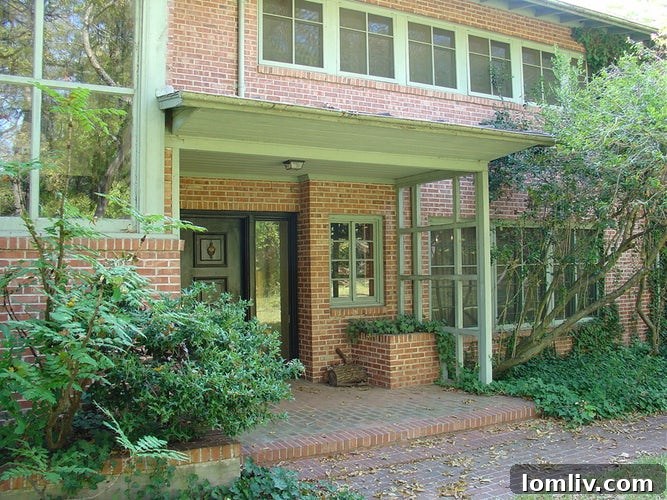
The Enduring Legacy and Uncertain Future of 9910 Inwood Road: A Preston Hollow Landmark
This insightful article has been thoughtfully updated with exclusive quotes directly from the agent representing this remarkable property.
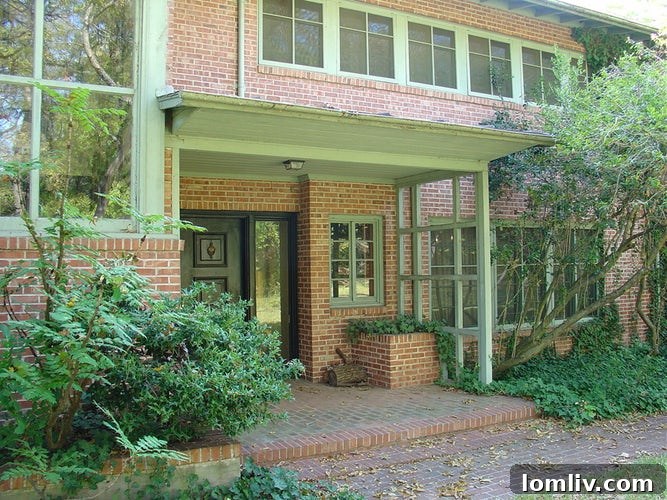
A Prime Preston Hollow Asset: Or A Tear-Down Opportunity?
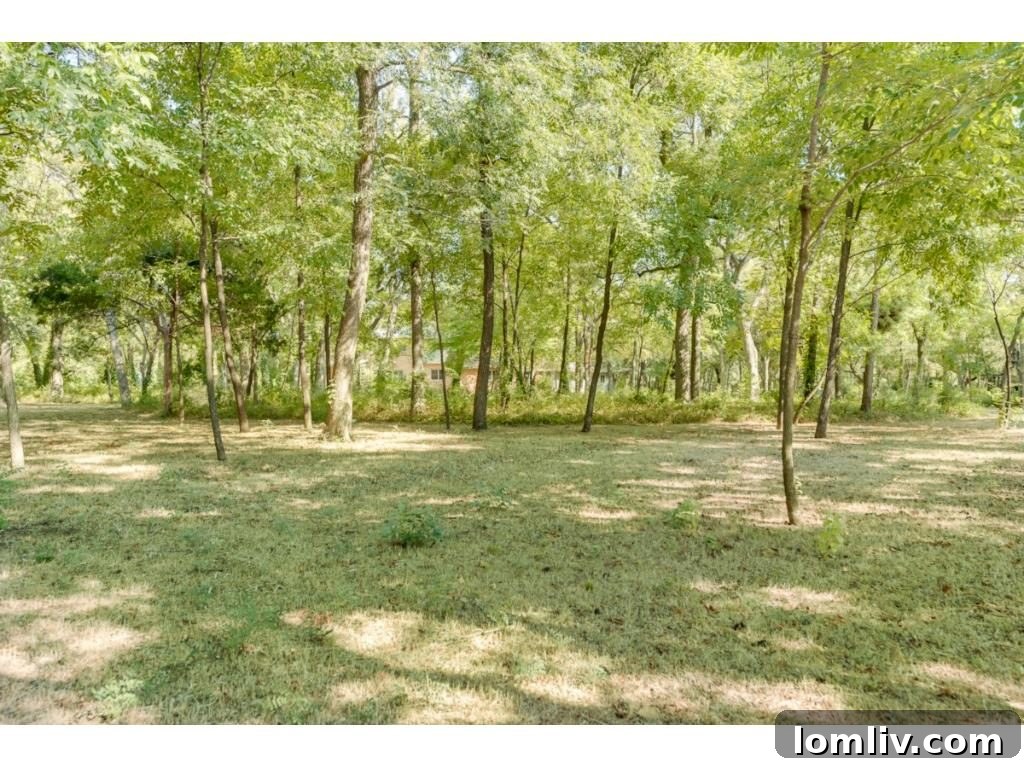
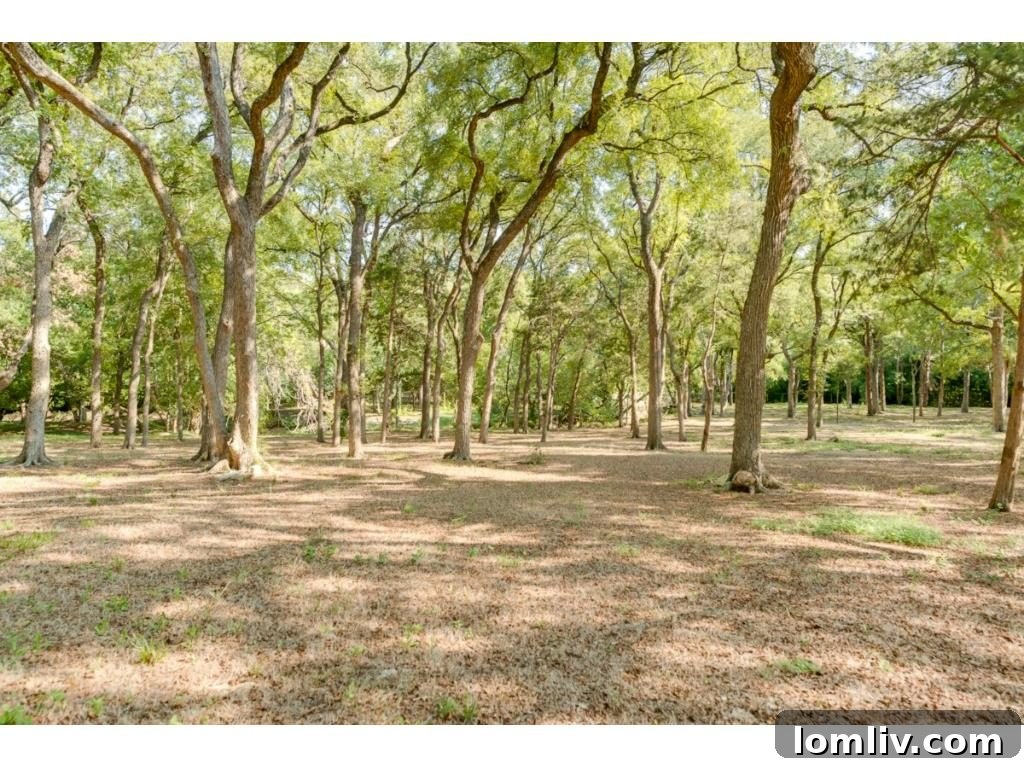
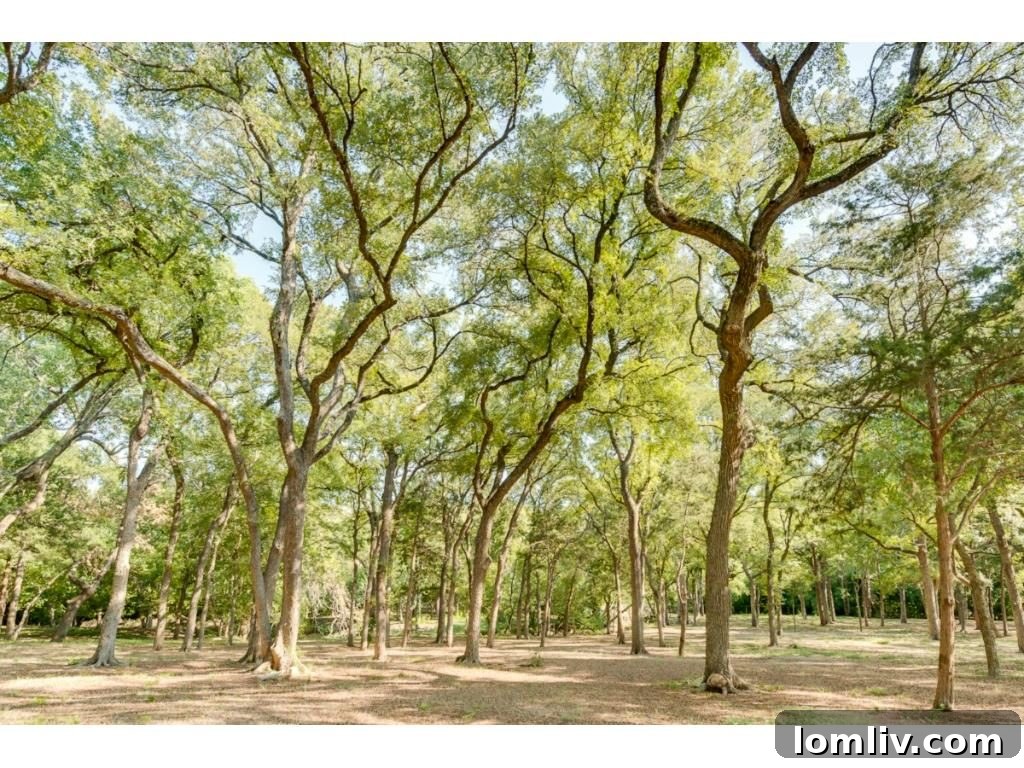
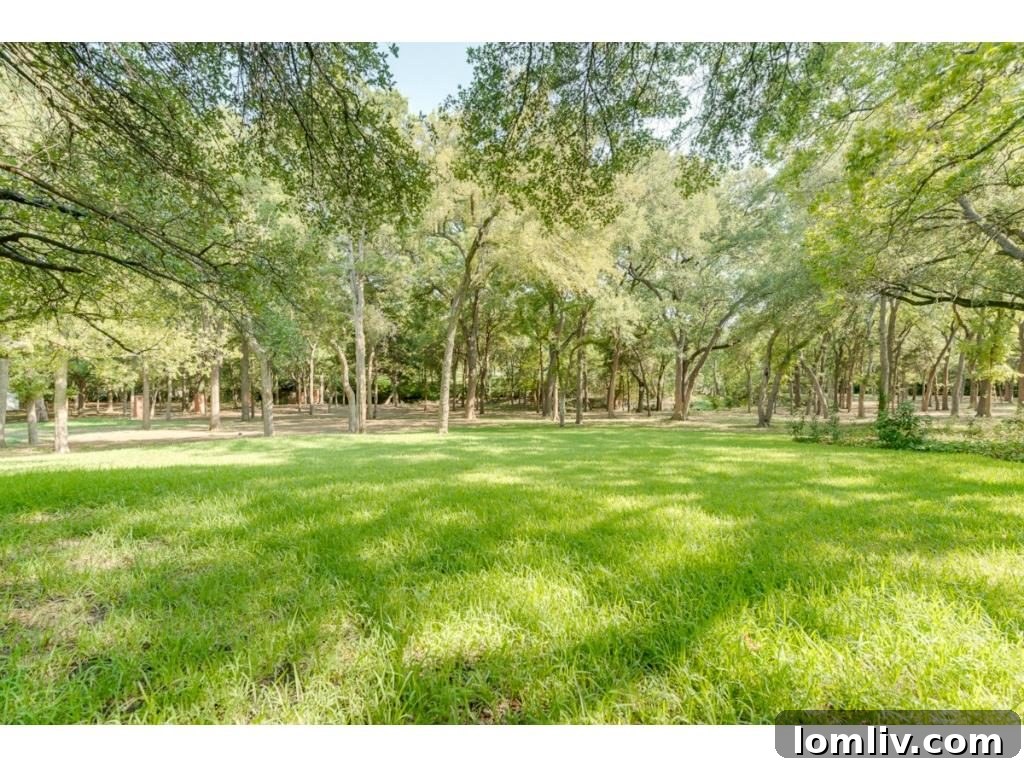
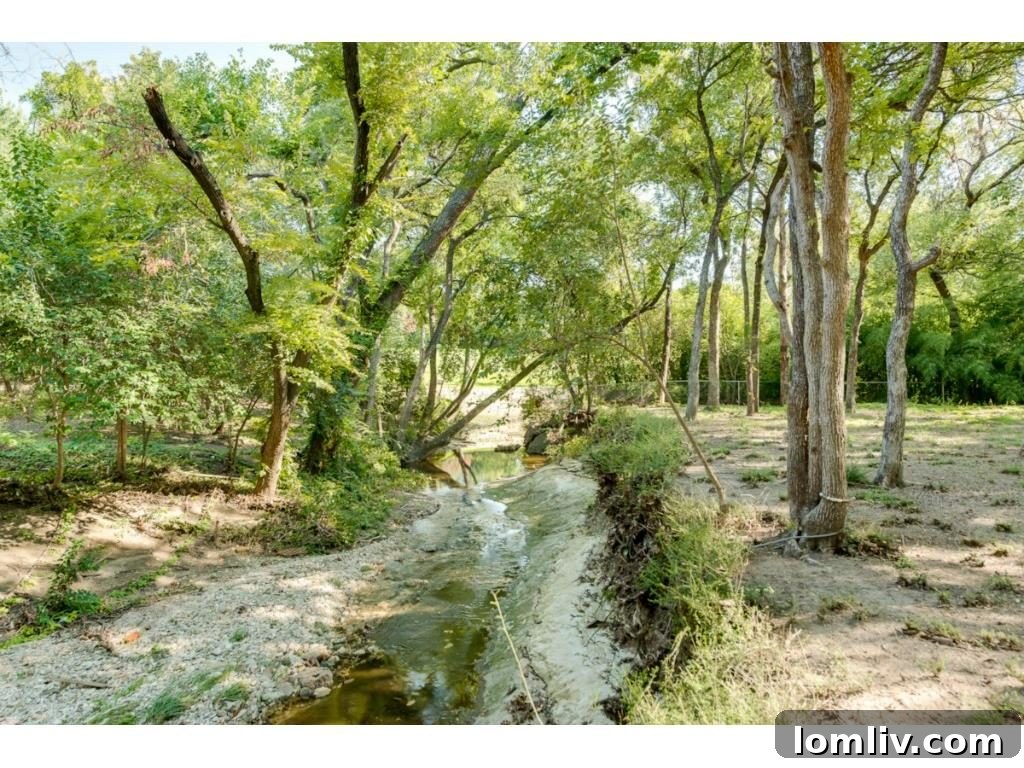
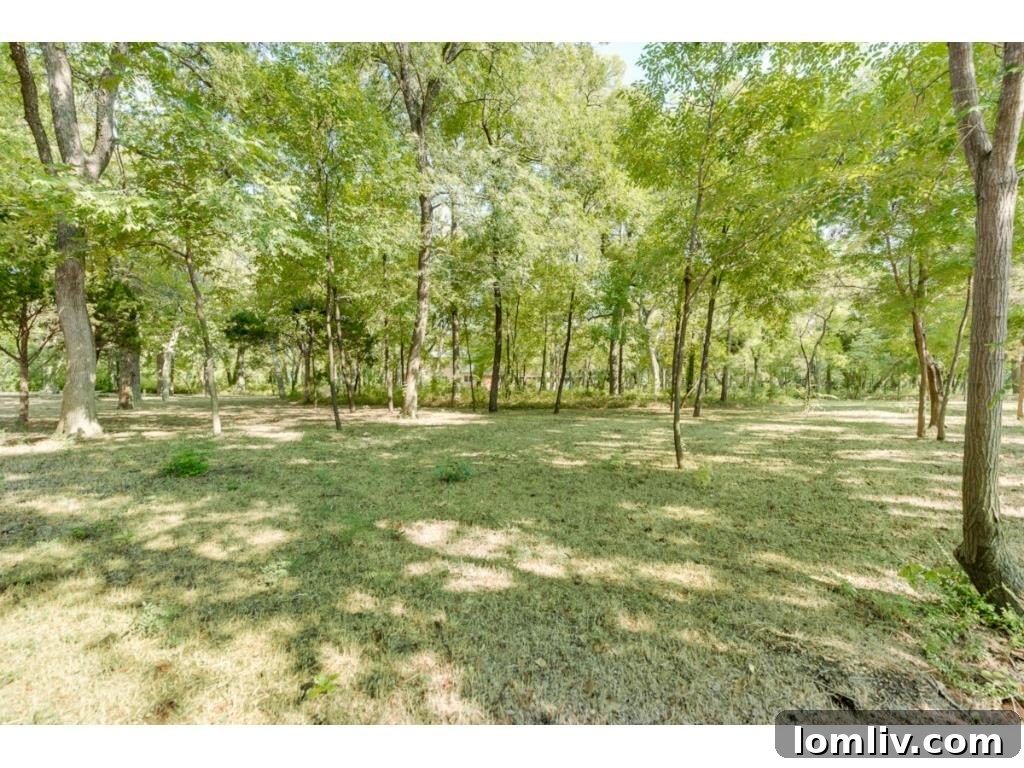
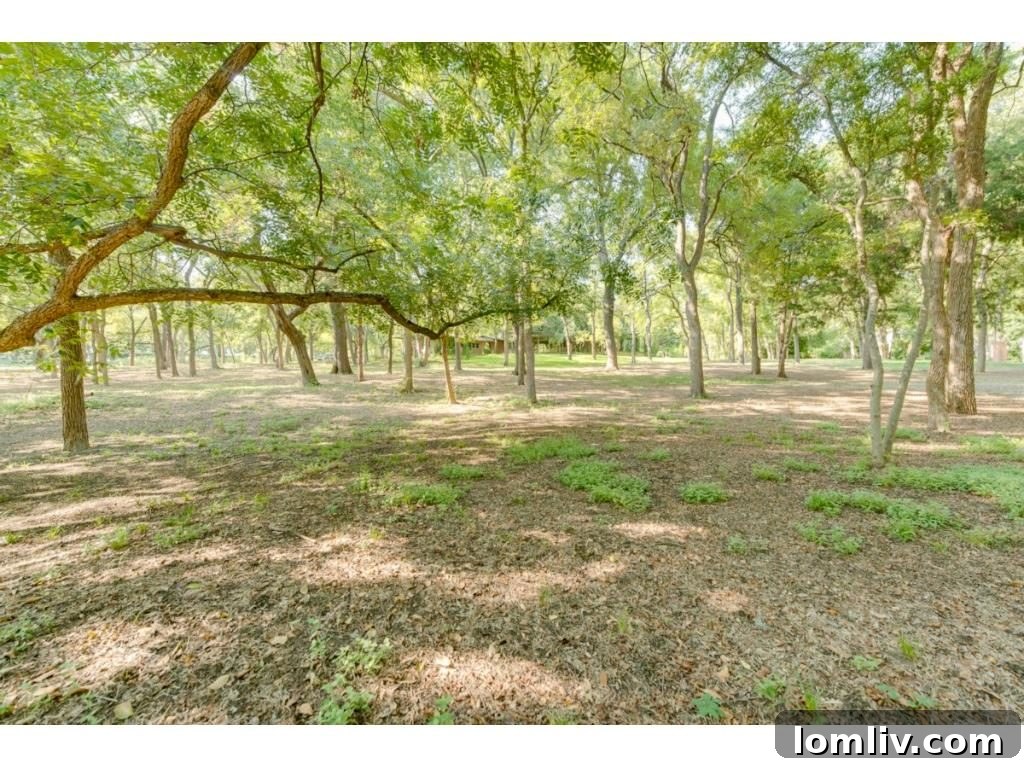
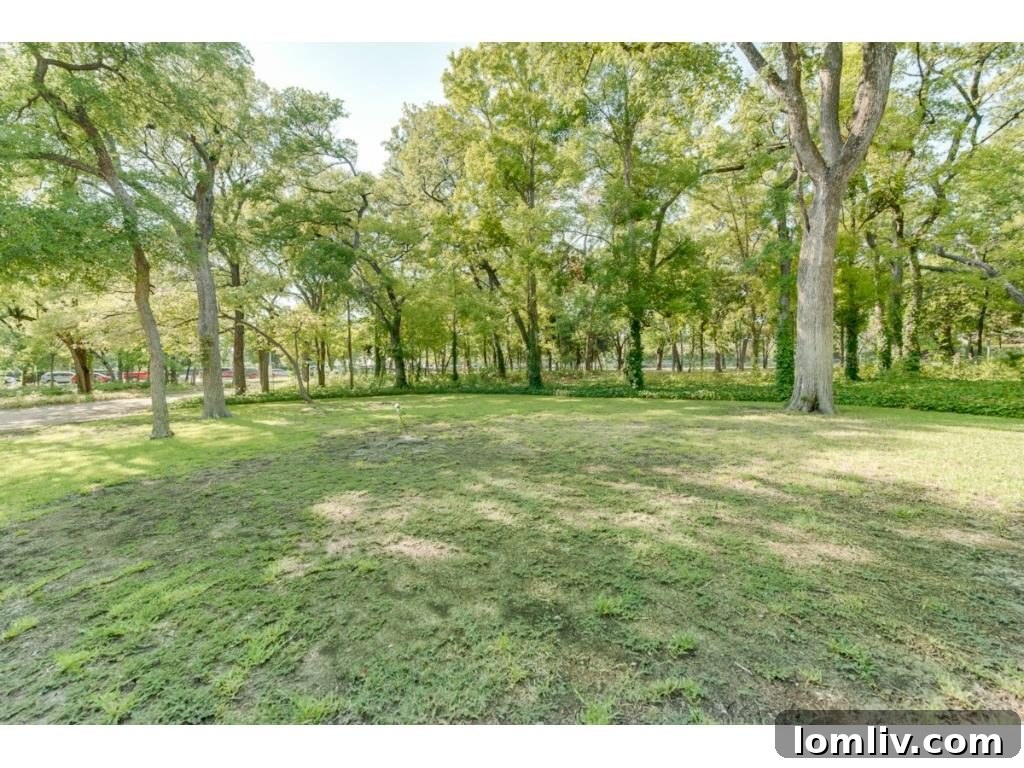
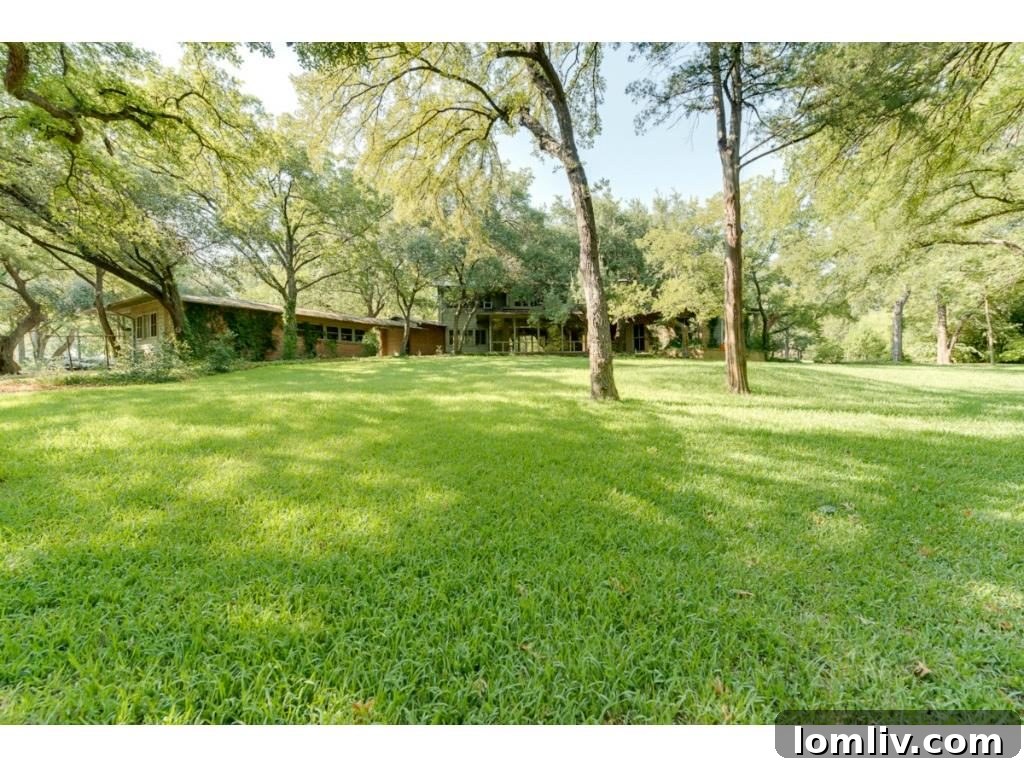
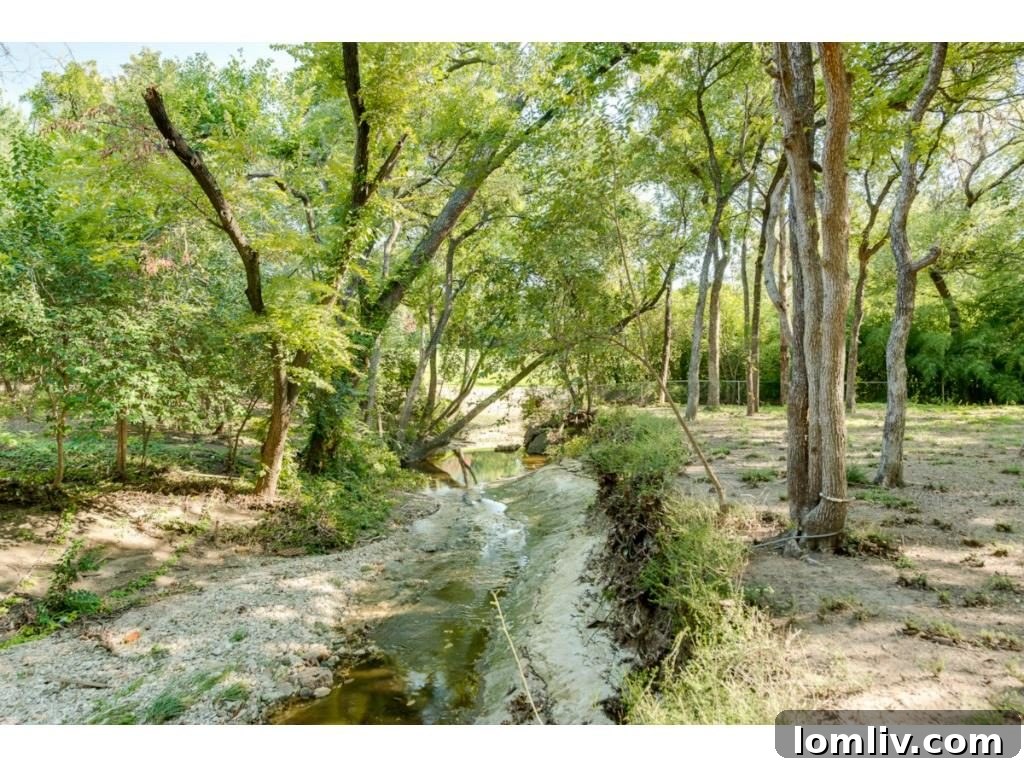
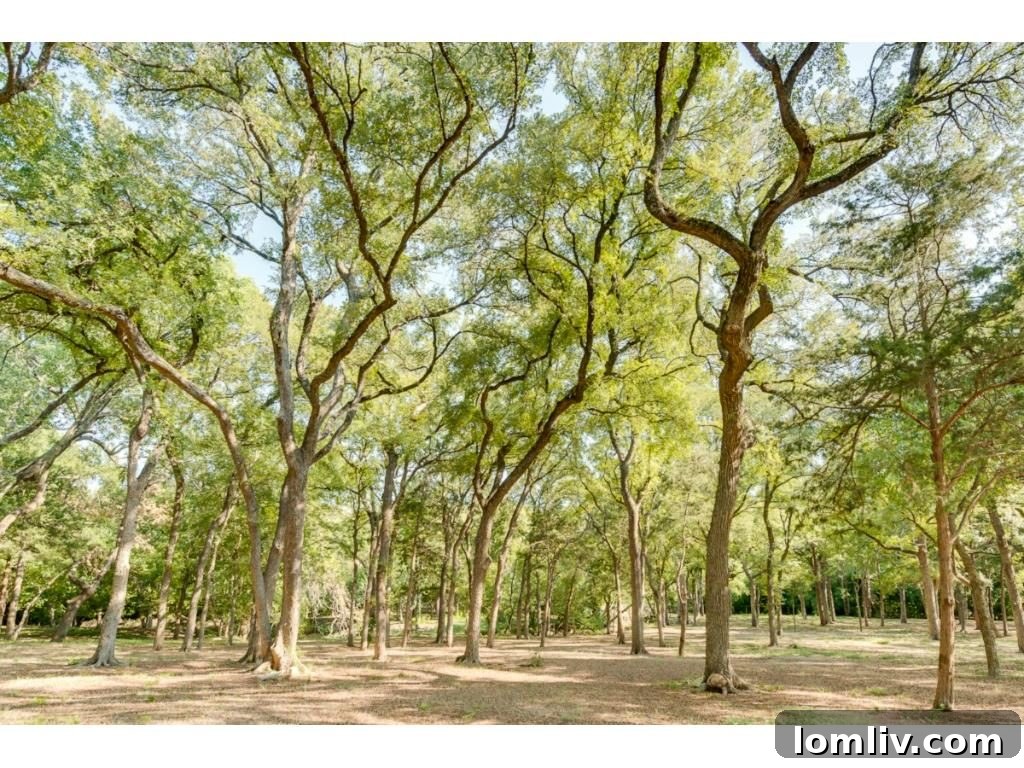
Nestled amongst an estimated 500 mature trees on a sprawling five-acre estate, situated at one of Dallas’ most coveted and bustling intersections within its wealthiest enclaves, lies 9910 Inwood Road. This Preston Hollow residence, once celebrated in local newspapers back in 1956 and later recognized in an essential 1988 guidebook on native Texas flora, now faces a common fate for properties of its caliber in a booming real estate market: it is considered a prime candidate for a “tear-down.” The owner, a limited partnership, is currently marketing this coveted five-acre plot at Walnut Hill Lane and Inwood Road for an astonishing $6.4 million, explicitly seeking cash-only offers.
As eloquently highlighted by Robert Wilonsky in the Dallas News, this scenario perfectly encapsulates the paradoxical allure of land in high-value areas like Preston Hollow. It’s a narrative all too familiar to those immersed in the Dallas real estate scene, a world where the land itself often eclipses the architectural marvels it hosts. This phenomenon of “dirt worship” is precisely what inspired the creation of Daltxrealestate, originally known as DallasDirt (now expanded to include Fort Worth and Plano-Frisco), aiming to chronicle and honor significant homes like 9910 Inwood Road, preserving their memory even as their physical structures face demolition.
Preserving the Legacy of Dallas’s Architectural Gems
The vision behind Daltxrealestate was to establish a digital archive, a virtual museum for homes that hold a unique place in Dallas’s history and architectural heritage. Properties such as the O’Neil Ford-designed Penson House at 3756 Armstrong, the distinctive Mayrath House, 4307 Armstrong, or even the former grand estate of Trammell and Margaret Crow, which has since been replaced by Andy Beal’s contemporary residence, represent a vanishing era. Each of these homes, like 9910 Inwood Road, tells a story of craftsmanship, innovation, and family legacy, stories that risk being lost to the relentless march of redevelopment.
The emotional connection to a home extends far beyond its structural components—beyond mere two-by-fours, sheetrock, stone, and a roof. It embodies the culmination of dreams, passions, and countless hours of dedicated creation and maintenance. This weekend, I was privileged to visit a homeowner who poured an indescribable amount of passion into his residence, reflecting a profound sense of pride and ownership evident in every meticulously crafted detail and hidden cranny. This personal touch transforms a house into a sanctuary, a testament to its inhabitants’ lives.
The Emotional Tapestry of Home Ownership and the Tear-Down Dilemma
As a self-proclaimed “home tender,” I understand this sentiment intimately. I’ve always found immense satisfaction in maintaining my homes, from scrubbing floors to dusting every surface, ensuring they remain healthy and vibrant. Each home I’ve lived in has held a special place in my heart, making every departure a poignant experience. Indeed, my deep emotional attachment to properties would make me a challenging real estate client! Yet, I take pride in believing that I left each residence in a better condition than when I first moved in, preserving its character and enhancing its charm.
This personal connection brings me to another significant property, not far from 9910 Inwood Road: 5511 Park Lane. Built in the mid-1930s and later expanded in the late 1980s, this was my own home and, much like 9910 Inwood, it was eventually seen as a “tear-down.” The irony isn’t lost on me; as I age, sometimes feeling a bit like a “tear-down” myself, I find a newfound sympathy for these architectural relics. The concept of a home, a place of profound personal history, being reduced to mere land value is a complex emotional and economic dilemma.
A Personal Journey: 5511 Park Lane
Selling 5511 Park Lane was a two-year ordeal during the challenging real estate market of the 1990s. With no offers in sight, I was on the verge of giving up when a ray of hope appeared. A lovely couple, grappling with a personal tragedy, sought a project to channel their energy into. My home, indeed, offered a significant undertaking. At the time, I was deeply immersed in raising children, managing school activities, sports, caring for a menagerie of pets including dogs, ducks, and birds, all while juggling a busy husband and a burgeoning freelance career. The last thing I desired was another project, unable even to find the time to replace the wallpaper in the foyer. Despite the chaos, I strived to keep the house immaculate and tastefully decorated, benefiting from the kind advice of Sherry Hayslip.
As an older home, its thin windows often succumbed to freezing in winter, and their sheer number was daunting. I even resorted to covering one entirely with a piece of chinoiserie that now graces my current dining room, a testament to the challenges of adapting an older home. The luxury of meticulously planning a home around my belongings would only come years later.
Our first offer was modest, but it was an offer, promising that someone would cherish and improve our home. The thought of another family wanting our house was exhilarating, though the price fell short of my “magic number,” my reserve. While negotiating this initial contract, an unexpected, nearly full-price offer emerged. Crucially, they never uttered the dreaded “tear-down” word, a relief that allowed me to contemplate the sale. Had they, I might have held onto the house, burying my desires for a new build deep within. And just like that, with a swift and decisive move, we sold it.
The night before relinquishing possession, I found myself in the spa at 3:00 AM with one of our four dogs, savoring every last moment. 5511 Park Lane had been our first true “dream house.” In quiet moments, I sometimes reflect on how swiftly those precious moments vanish, much like thoughts becoming history the instant they’re conceived. I vividly recall a similar realization at 21, sitting on the diving board of my parents’ pool on a beautiful June day, thinking, “All this will be gone someday—this good life, my parents, my childhood home, this pool.” I harbored a feeling then that, like those fleeting moments, 5511 Park Lane would eventually be torn down, perhaps sooner than later. Yet, I made the conscious decision to move forward, to allow the present to gracefully become the past.
The Legacy of 9910 Inwood Road: A Family’s Dream
Today, 9910 Inwood Road stands as a poignant reminder of the love and solace it once provided to an individual and a family. The Fix family, whose children sold the home 12 years ago (with two surviving descendants living out of town), imbued this property with a profound sense of purpose and passion. Nancy, one of the daughters of the original owner and builder, George Fix Jr., shared a remarkable anecdote about her father’s resolve: “He once said that when he was having a really difficult time in India, desperately sick, he thought, ‘If I survive this, we’re going to buy that land and build that house.'” She continued, “I was born in ’41, and we always heard about ‘the property, the property.'” This narrative underscores that 9910 Inwood Road was not merely a structure but a dream meticulously brought to life.
George Fix Jr. was a distinguished individual, a Legion of Merit Award recipient, an accomplished engineer, and a shrewd businessman. The architectural design of this significant estate was entrusted to Robert Johnson Perry, an architect whose work is well-regarded throughout Preston Hollow and the esteemed Park Cities neighborhoods. Furthermore, its interior design bore the distinctive mark of Neiman Marcus’s renowned interior design department, which, at one point, was a formidable force in the industry, suggesting a level of luxury and sophistication rarely seen today.
Dallas Real Estate Dynamics and the Future of Prime Land
The Market Journey of 9910 Inwood Road
The current owner of this expansive lot is Dominion North Tower Properties LC. This Preston Hollow luxury property has experienced a dynamic journey on the market. It was initially sold in April 2006 for $3,600,000. Claire Dewar, now retired from Briggs Freeman, served as the listing agent at the time and fondly recalls that the original landscaping was masterfully designed by Armstrong Berger. In 2008, the home was relisted with a significantly higher asking price of $8,926,200. Since then, its listing price has fluctuated considerably, ranging from a low of $4,400,000 to a high of $6,950,000. These fluctuations are not arbitrary, as the underlying land value and potential for development significantly influence its market perception.
The most recent Multiple Listing Service (MLS) listing positioned the property at $6,750,000 with Andrea Pittman of Modtown Realty. Currently, the listing is being handled as a “hip pocket” (an unlisted property) by Lisa Richardson of Dallas City Center Realtors, with an asking price of $6,490,000. Lisa Richardson’s sign prominently adorns the property, indicating its active status. She notes that the owner is even receptive to financing options for the right offer, showcasing flexibility in securing a deal for this exceptional parcel.
Unveiling the Potential for Development
“This represents the last remaining multiple-acre parcel available for sale in Preston Hollow,” emphasizes Lisa Richardson, highlighting the scarcity of such large tracts of prime land. “That’s it; there is truly no more.” This statement serves as a clear beacon for developers, as the estate holds immense potential for subdivision, capable of being divided into five uniform lots. This offers a compelling opportunity for high-end residential development in one of Dallas’s most sought-after neighborhoods.
Andrea Pittman sheds further light on the property’s price fluctuations, attributing them to an adjacent 1.8-acre parcel owned by a separate entity. This additional acreage was once bundled with the Fix estate, creating a larger seven-acre property, which accounted for the higher listing price of nearly $8 million previously. The Fix estate itself comprises a generous 5.2 acres. Intriguingly, Andrea confirms that the 1.8 adjacent acres are once again available, suggesting that the combined sale of both parcels could drive the overall sales price even higher, given the exceptional value of this prime real estate.
Beyond Bricks and Mortar: The Enduring Soul of a Home
In the fast-paced world of luxury real estate, it’s refreshing to pause and delve deeper into a property’s narrative, looking beyond mere square footage and aspirational pricing. Every home, regardless of its style, decoration, maintenance, cleanliness, or unique character, represents far more than a physical structure. It embodies a dream, serving as a sanctuary and a landing place at a particular point in time, and establishing a tangible stake in a family’s history. Homes are repositories of memories, silent witnesses to countless moments of joy, growth, and transformation.
However, as with all things in life, there is never an absolute guarantee of permanence. The fate of 9910 Inwood Road, much like many historic properties in rapidly developing urban landscapes, underscores this profound truth. While its physical structure may face an uncertain future, the legacy it forged, the dreams it housed, and the stories it tells will, through platforms like Daltxrealestate, endure in the collective memory, ensuring that these significant chapters of Dallas’s architectural and social history are not entirely forgotten.