Securing the Future of Retail: Why Even Premier Shopping Centers Like NorthPark Must Prioritize Safety
NorthPark Center stands as an undisputed beacon in the world of retail. Renowned globally for its exemplary management, unparalleled retail anchors, and innovative approach, it is consistently celebrated as one of the most beautiful and meticulously maintained shopping destinations. This prestigious reputation, however, does not make it immune to evolving challenges, particularly the pressing issue of rising crime rates, which demand immediate and decisive action to safeguard its enduring legacy.
While NorthPark is far from facing the grim fate of many struggling malls across the nation, complacency is a luxury it cannot afford. The recent surge in documented criminal incidents has ignited significant community concern. A poignant example is the petition initiated by Heather LeClair, urging NorthPark Mall to significantly bolster its security measures. With over 1100 signatures and counting, this petition highlights widespread anxiety following at least three documented crimes since December 16. Click here if you have not yet signed this critical appeal for enhanced safety. The message from consumers, particularly affluent shoppers often dubbed “soccer moms” who wield considerable purchasing power with their “Black Cards,” is clear: safety directly influences where they choose to spend their money and their time.
The Echoes of Decline: Lessons from Southwyck Shopping Center
To understand the gravity of perception, one needs only to look at the cautionary tales of shopping centers past. An illuminating article from 2008 detailed the complete closure of Southwyck Shopping Center in South Toledo, Ohio. After 36 years as a prominent regional shopping venue, Southwyck shuttered its doors, a fate shared by many malls in Ohio and the Midwest. While economic downturns and increased competition played significant roles, experts consistently cited a critical factor: crime.
Other often-cited reasons for Southwyck’s decline include the increased competition from strips malls and the growing Franklin Park complex, the South Toledo mall’s lack of major renovations or upgrades, and a lingering perception of crime or danger at the mall.
They have some of the same landscaping and benches that were there when it opened, and you just can’t do that in any type of retail setting, said Rob Ludeman, an agent with Danberry Co. Realtors and a former Toledo city councilman whose district included Southwyck.
The mall and its parking lot were the scenes of several incidents of vandalism, assaults, drug deals, and fights in the late 1980s and early 1990s.
The story of Southwyck is a stark reminder that the perception of safety is often as damaging as actual incidents. Once crime becomes a notable issue, even if sporadic, it creates a palpable sense of unease that can deter shoppers more effectively than any competitor. The physical neglect, as described by Rob Ludeman, only amplified this perception, signaling to visitors that the mall was in decline and potentially unsafe. The direct correlation between criminal activities—such as vandalism, assaults, drug deals, and fights—and the erosion of consumer confidence is undeniable. These incidents not only endanger individuals but also tarnish the mall’s reputation, making recovery incredibly difficult.
The Enduring Challenge of Crime Perception
The ability to overcome a perception of crime is incredibly challenging. The 1970s and 1980s were indeed the heydays for large shopping malls, thriving as social and commercial hubs. Many of these centers enjoyed two to three decades of prosperity before succumbing to various pressures, including the unfortunate rise of criminal activity. Crime, regrettably, is an omnipresent issue in modern society. This omnipresence suggests a concerning trend where criminal elements may shift their focus from one location to another – from areas that undergo revitalization to seemingly safer, suburban-esque environments like shopping malls. As some law enforcement officials have noted, eradicating crime entirely is often an elusive goal; rather, it frequently involves displacing criminal activity to new, more vulnerable locations, inadvertently making it “another person’s problem.”
Shopping centers, by their very nature, can become attractive targets for criminals. They are environments where large numbers of people congregate, often carrying cash, expensive electronic gadgets, and driving valuable vehicles. Furthermore, shoppers are frequently distracted – by browsing merchandise, engaging in conversation, or navigating crowds – making them prime targets for opportunistic thieves and other offenders. This combination of valuable assets and distracted individuals creates a fertile ground for various criminal activities, from petty theft to more serious offenses. The constant influx of new potential victims makes malls an appealing “feed lot” for criminals, necessitating robust and visible security measures to counteract this inherent vulnerability.
The Broader Landscape of “Dead Malls”
The phenomenon of “dead malls” is not merely anecdotal; it is a widespread reality across the United States. If you haven’t yet explored the fascinating and often eerie world of abandoned retail, you might find this BuzzFeed post on “Nine of America’s Abandoned Malls” compelling. It’s remarkable to discover the existence of communities like the “Dead Malls Enthusiasts Facebook group,” which meticulously documents these forgotten retail giants.
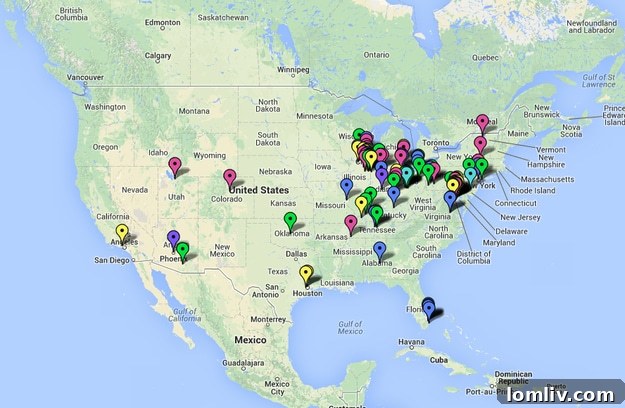
Dead malls are popping up all over the states, particularly in the Midwest, where economic decline has sped up the “going out of business” process. This map, put together by a Dead Malls Enthusiasts Facebook group, shows that well.
As Americans are faced with multiple shopping options and more stores are leaving malls, it should be interesting to see if malls and mall culture will survive.
What you are about to see is what happens when malls are abandoned. It’s apocalyptic and really, really creepy.
The images of these abandoned malls often depict an apocalyptic scene, a stark testament to what happens when retail centers lose their purpose and vitality. Economic decline, as highlighted, is a major catalyst, but it’s often compounded by evolving consumer preferences. Shoppers today have an unprecedented array of options, from online retail to specialty boutiques, lifestyle centers, and big-box stores. This diversification of shopping avenues, coupled with a cultural shift away from the traditional mall experience, poses a fundamental question: Can the traditional mall, and the culture surrounding it, truly survive?
For a premier center like NorthPark, understanding these broader trends is crucial. While its current standing is robust, the lessons from struggling and defunct malls underscore the need for constant adaptation and vigilance. A secure environment is not just an amenity; it is a fundamental prerequisite for attracting and retaining both tenants and customers in an increasingly competitive and evolving retail landscape.
Proactive Security: The Cornerstone of Enduring Success
NorthPark Center, with its exceptional management and commitment to aesthetic excellence, is uniquely positioned to address these security concerns head-on. Proactive measures, rather than reactive responses, are essential. This involves not only confirming the full operational status of all security cameras but also significantly increasing visible security personnel, including regular patrols and security escorts for shoppers. A robust security presence creates a deterrent effect and, equally important, enhances the psychological comfort of visitors. When shoppers feel safe, they linger longer, spend more, and return frequently. This direct link between perceived safety and economic vitality cannot be overstated.
Furthermore, an enhanced security strategy should encompass a multi-faceted approach: leveraging cutting-edge surveillance technology, implementing advanced access control systems, fostering strong relationships with local law enforcement, and maintaining open lines of communication with the community. Regular training for security staff, focusing on de-escalation tactics and customer service, can also contribute to a more secure yet welcoming atmosphere. Ultimately, the goal is to create an environment where the exceptional shopping experience NorthPark is known for can thrive without the shadow of fear.
Investing in Safety, Investing in the Future
The message from the community, exemplified by the petition and the choices of discerning consumers, is a vital input for NorthPark’s management. These “Black Card” wielding shoppers represent a significant segment of the mall’s revenue, and their decision-making is heavily influenced by factors beyond mere merchandise availability. Their vote of confidence, or lack thereof, directly impacts the mall’s bottom line. By prioritizing and visibly enhancing security, NorthPark not only protects its visitors and tenants but also reinforces its brand as a safe, luxurious, and reliable destination.
Investing in advanced security infrastructure and personnel is not merely an expense; it is a critical investment in NorthPark’s long-term sustainability and continued preeminence. It sends a clear signal that the mall values the well-being of its community and is committed to preserving the unparalleled shopping experience it offers. In an era where many malls struggle, NorthPark has the opportunity to further distinguish itself by setting a new standard for safety and visitor confidence.
NorthPark Center possesses all the elements for sustained success: exceptional management, a prime location, and a loyal customer base. However, the emerging challenge of crime requires steadfast attention. By proactively addressing security concerns and demonstrating an unwavering commitment to safety, NorthPark can not only avert the fate of struggling malls but also fortify its position as a global leader in retail, ensuring a vibrant and secure future for generations of shoppers.