Welcome to another captivating installment of our acclaimed series, Interview with an Architect. In this ongoing feature, we engage in insightful conversations with the most influential and innovative voices shaping the architectural landscape of North Texas. Our mission is to provide an exclusive glimpse into their creative processes, design philosophies, and unique perspectives, exploring not only their remarkable work but also their contributions to community development and their unwavering commitment to establishing new benchmarks for exceptional design. These discussions delve deep into their specific projects, address pertinent development issues within our vibrant communities, and highlight the foundational principles of good design that guide their every endeavor. For those eager to explore our previous conversations and gain further insights into the diverse talents within our region, we invite you to read our most recent interview here.

Richard Drummond Davis: Crafting Dallas’s Premier Luxury Residences
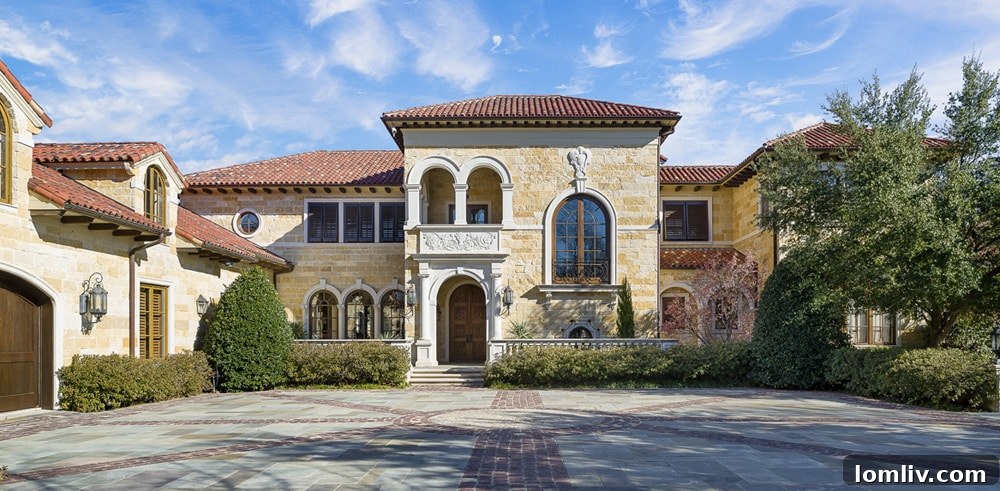
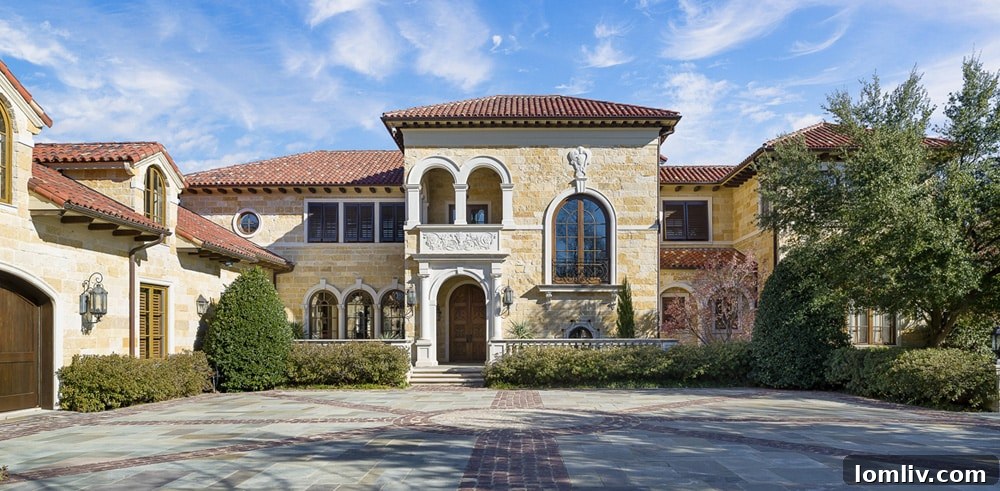
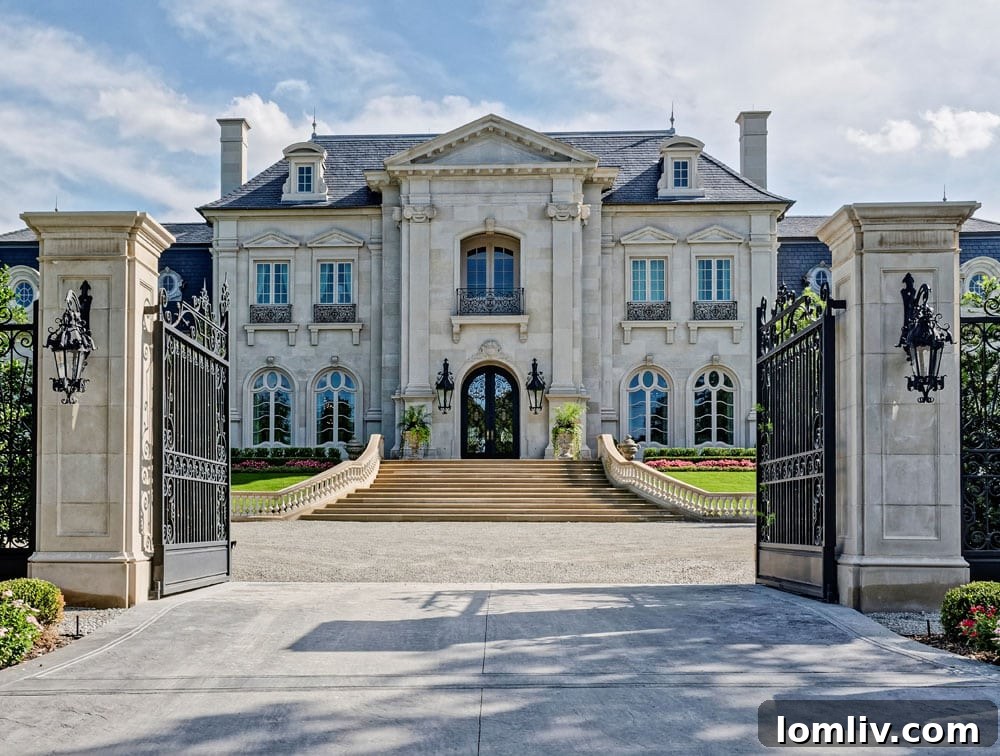
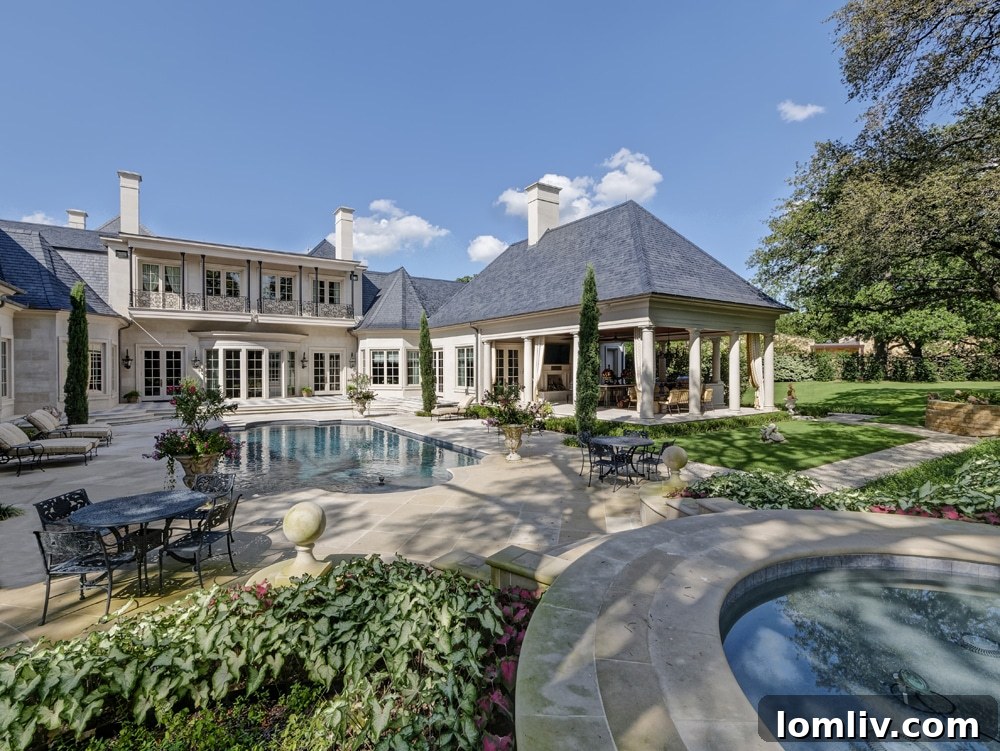
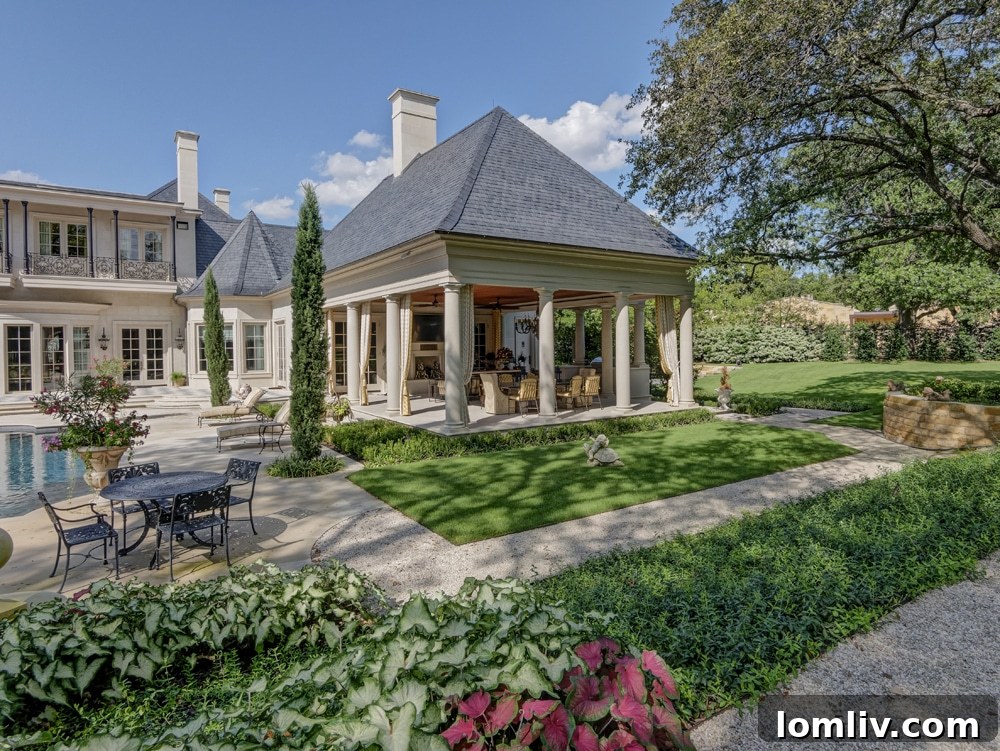
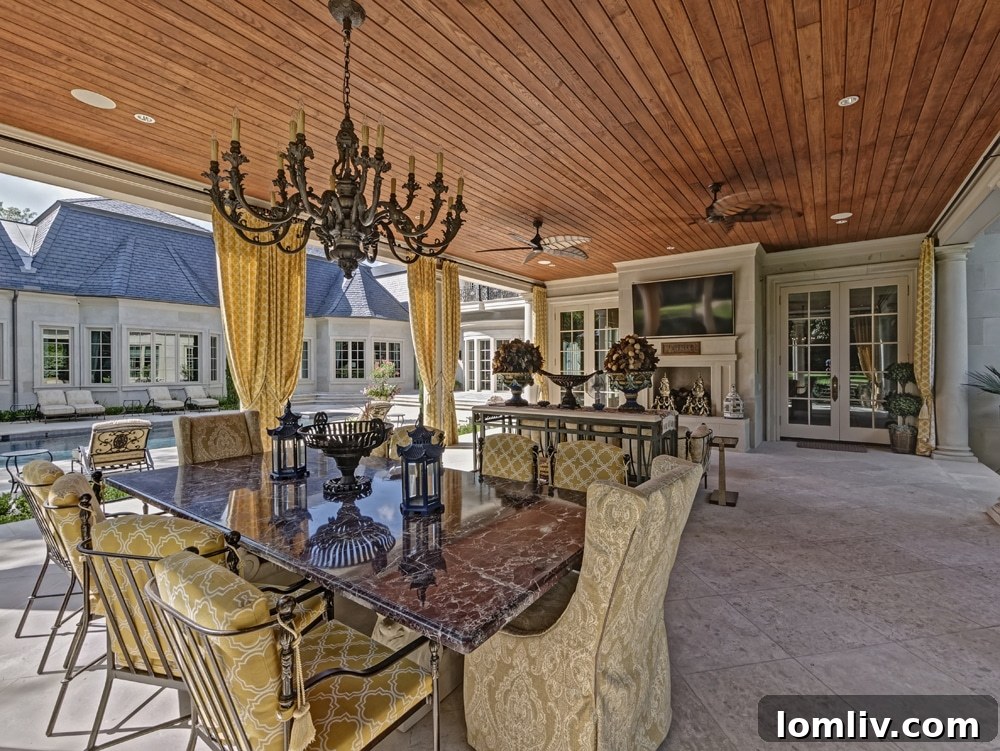
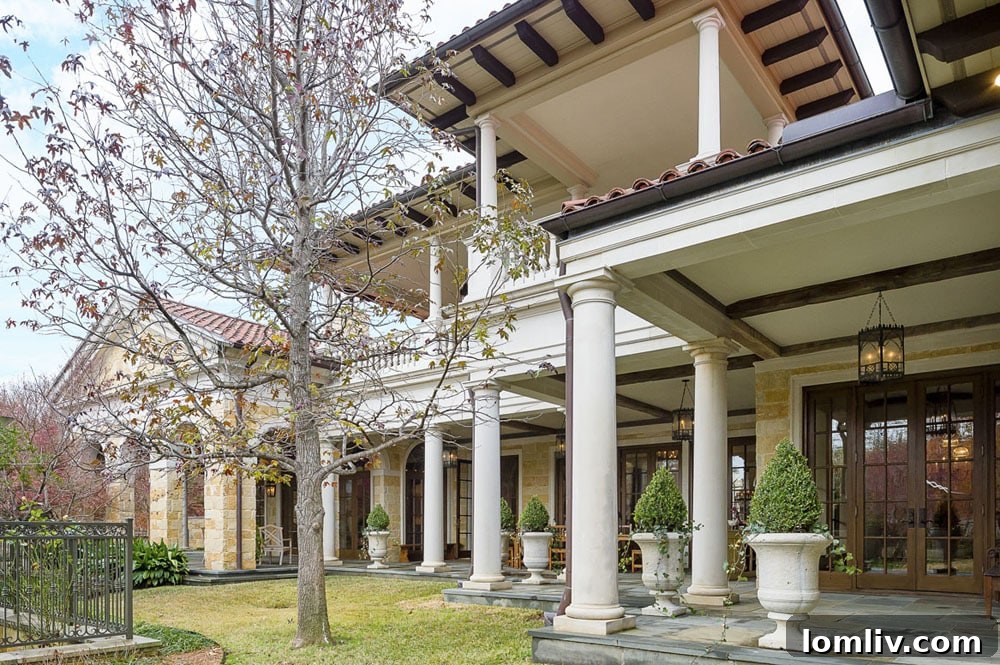
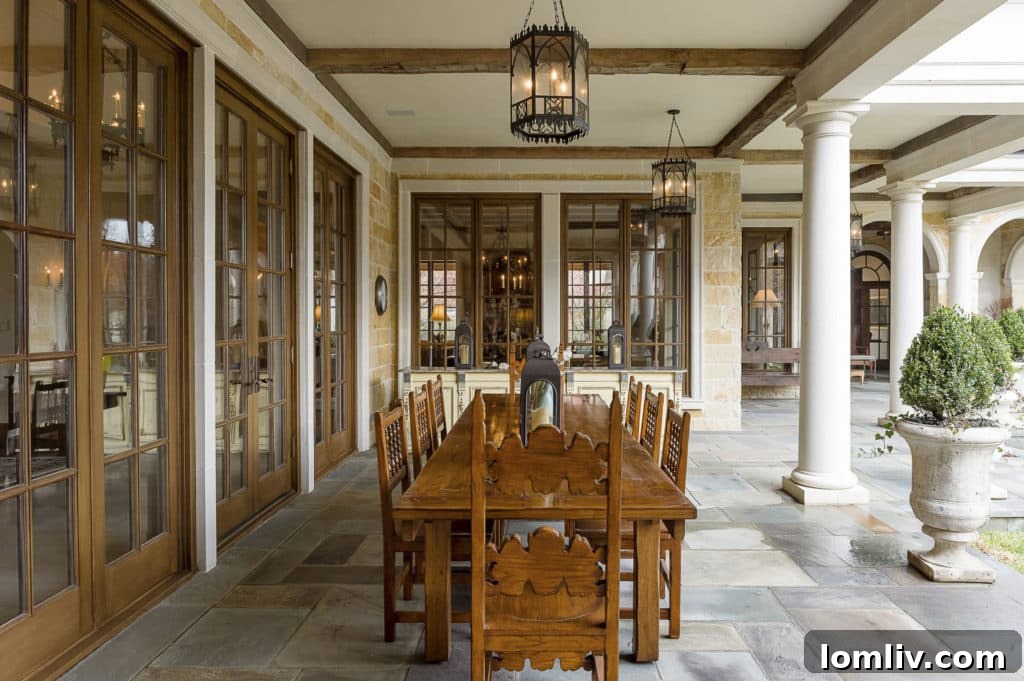
Today, we are honored to shine a spotlight on Richard Drummond Davis, a quintessential Dallas-born architect whose name has become synonymous with some of the most lavish and exquisitely designed luxury homes gracing the North Texas region. His exceptional talent for crafting bespoke residences is vividly showcased in projects like the one featured in our recent Luxe Tour, a breathtaking French Transitional masterpiece nestled in Preston Hollow. Davis’s designs consistently blend grandeur with an unparalleled attention to meticulous detail, creating residences that are not only visually stunning but also profoundly personal and enduring testaments to architectural excellence.
Davis’s distinguished academic journey provided a robust foundation for his distinctive architectural vision. He commenced his higher education at the esteemed University of Texas at Austin, where he earned a Bachelor of Science in Architectural Studies, complemented by a liberal arts degree. This dual foundation equipped him with both technical prowess and a broad cultural understanding. Further refining his expertise, he pursued a Master’s degree in Architecture at the prestigious Princeton University. It was during this pivotal period that he had the invaluable opportunity to study under the tutelage of the renowned Michael Graves, an immensely influential figure often associated with the “White Five.” Graves, celebrated for his significant transition from an adherent of Le Corbusier’s modernism to a pioneer of Postmodernism, ultimately forged a unique and highly recognizable architectural style entirely his own. This immersive exposure to groundbreaking design principles and diverse artistic movements profoundly influenced Davis, broadening his perspective and informing his creative approach, though he ultimately chose to carve out a distinct and equally compelling path for his own practice.
While the intellectual allure and historical significance of postmodernism were undeniable, Richard Drummond Davis harbored a deep-seated desire to express his unique architectural philosophy and vision. Rather than merely adopting prevailing trends or adhering strictly to a single school of thought, he was driven by an intrinsic need to forge his own design identity. With this clear purpose, he returned to his roots in Dallas to establish his own highly regarded firm, Richard Drummond Davis Architect. Since its inception, Davis’s firm has cultivated an exemplary reputation built upon an unparalleled ability to truly listen to his clients. He excels at translating their deepest aspirations, functional needs, and aesthetic dreams into tangible, magnificent structures. His design philosophy is deeply rooted in a profound respect for the timeless power and enduring beauty of historical architectural forms, which he masterfully integrates with the practicalities and luxuries of contemporary living. This unwavering commitment allows him to create bespoke homes that are not only aesthetically stunning and culturally rich but also deeply resonant with history, personal narrative, and the distinct character of their surroundings, cementing his status as a leading figure in Dallas luxury residential architecture.
An Architect’s Enduring Passion: The Drive Behind Richard Drummond Davis’s Creations
daltxrealestate.com: What keeps you so deeply engaged in architecture, Richard? What is the primary motivation behind your impactful and celebrated work?
Richard Drummond Davis: My enduring passion for architecture stems from the invigorating challenge that arises when a client approaches me with a desire for something truly unique and unprecedented, or when an unusual site presents itself, demanding an extraordinary, one-of-a-kind solution. Diving headfirst into such a complex design challenge provides an incredible adrenaline high – a surge of creative energy that is truly addictive. It’s the intricate process of transforming a seemingly daunting problem into an elegant, highly functional, and aesthetically beautiful solution that consistently fuels my creative spirit. Every new project is not just a commission; it’s an exhilarating opportunity to push the boundaries of conventional design, to innovate with materials and forms, and to meticulously craft something that has never existed before, tailored precisely to its unique context and the specific aspirations of its inhabitants. This relentless pursuit of uniqueness, architectural integrity, and design excellence is what profoundly motivates me, inspiring me to achieve new heights day in and day out.
Defining “Transitional”: A Modern Interpretation of Timeless Architectural Forms
CD: The “transitional” style has surged in popularity for architect-designed homes in recent years. From your professional perspective, what exactly does this dynamic term signify in the context of contemporary architecture?
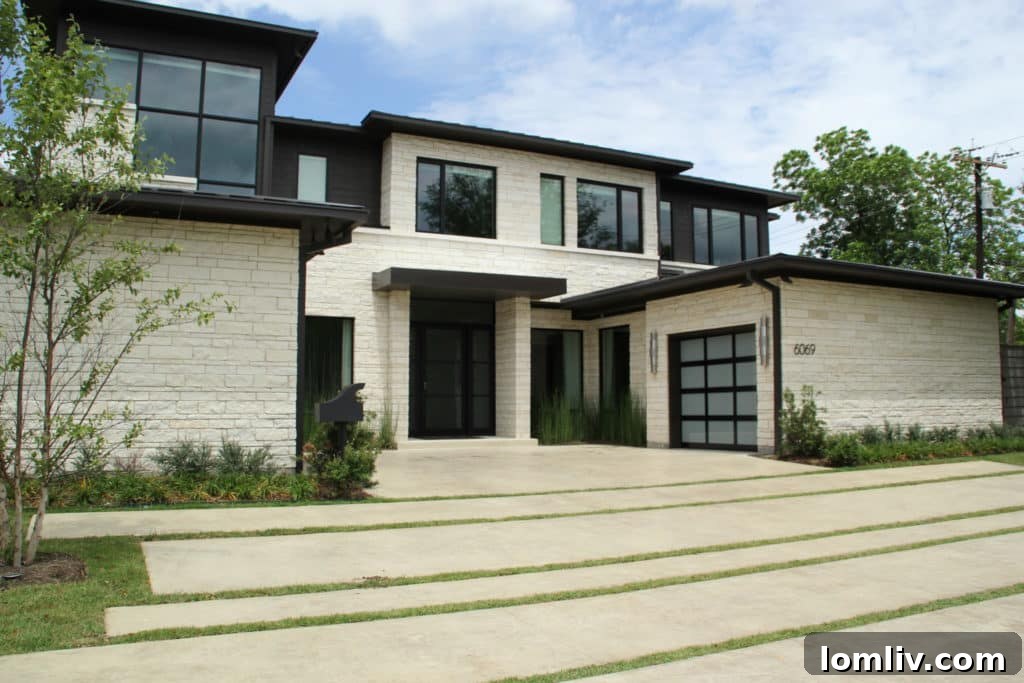
RD: For me, “transitional” architecture represents a compelling and sophisticated synthesis where traditional architectural forms are meticulously reinterpreted and presented with a distinctly modern sensibility. Envision houses or other structures that retain classic, recognizable elements such as elegant gabled and hipped roofs, charming dormers, sophisticated bay and box windows, or beautifully proportioned shed, gable, and hipped roof porches. However, the defining characteristic of this style is that these beloved traditional forms have been thoughtfully and strategically stripped of their intricate, often ornate, historical detailing. They are, in essence, ‘cleaned up’ – streamlined, simplified, and distilled – so that the core beauty and impactful presence of the design reside in their crisp, precise cubic forms and refined, uncluttered lines. This aesthetic purification creates a powerful sense of understated elegance and modern clarity.
Many homes embracing this transitional aesthetic feature striking architectural elements like large, deep, and precisely executed punch-outs within the exterior walls, designed to gracefully frame expansive windows. These windows frequently incorporate large-paned steel sash designs, with their frames typically painted a contrasting black, which creates a dramatic visual anchor and enhances the crispness of the overall composition. The cumulative result is an aesthetic that feels both comfortably familiar and refreshingly contemporary, successfully bridging the stylistic gap between historical reverence and modern minimalism. This nuanced blend allows a home to possess character, warmth, and a sense of rootedness without appearing overly formal, staid, or anachronistic within a modern urban or suburban setting, making it exceptionally versatile and appealing.
It’s important to note that this architectural approach isn’t entirely a recent phenomenon; visionary architects such as Hugh Newell Jacobsen, the accomplished 89-year-old architect based in Washington, D.C., have been pioneering and perfecting variations of this style since the 1960s. His prolific body of work stands as a testament to the enduring appeal, sophistication, and timelessness of this stripped-down traditionalism. In Dallas, specifically, the transitional style truly gained significant traction and widespread recognition when Bobby McAlpine, an esteemed architect hailing from Montgomery, Alabama, designed a truly fabulous residence for John and Ellen McStay. This particular house was widely celebrated as a brilliant and sensitive modern interpretation of an English Arts and Crafts style home, originally championed by the iconic C.F.A. Voysey. This project served as a pivotal moment for many in the Dallas architectural community and beyond, prompting them to realize, “Here is a truly modern house that harmoniously coexists and looks exceptional within a neighborhood predominantly comprised of traditional homes.” It provided a sophisticated and contextually appropriate answer to the growing desire for contemporary living without jarring with existing architectural fabrics.
However, achieving truly successful transitional design requires immense talent, a profound understanding of architectural history, and an incredibly discerning eye. It takes a master architect to ensure that a house executed in this style doesn’t inadvertently devolve into a caricature or a simplified, almost cartoonish, version of a traditional home. A select handful of Dallas architects have indeed demonstrated exceptional skill and artistic sensitivity in creating truly masterful residences with this distinctive look, balancing elegant simplicity with sophisticated execution. Unfortunately, I’ve also observed instances where, over time, owners might find themselves questioning their initial design choices, perhaps asking themselves, “What were we thinking?” when confronted with less successful or poorly executed examples of the style. My own recent endeavors have focused on designing several homes that are unequivocally traditional – identifiably French, Neo-Classical, or Mediterranean in their core architectural language – yet they meticulously incorporate clean-lined exterior details and decidedly modern, minimalist interiors. These projects, while embracing contemporary sensibilities indoors, firmly lean towards a more traditional aesthetic than what I would classify as purely “transitional,” showcasing a nuanced and bespoke approach to timeless design and modern comfort.
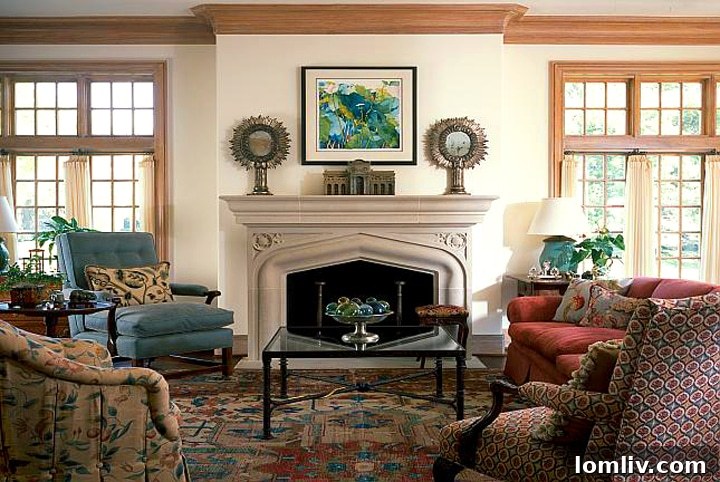
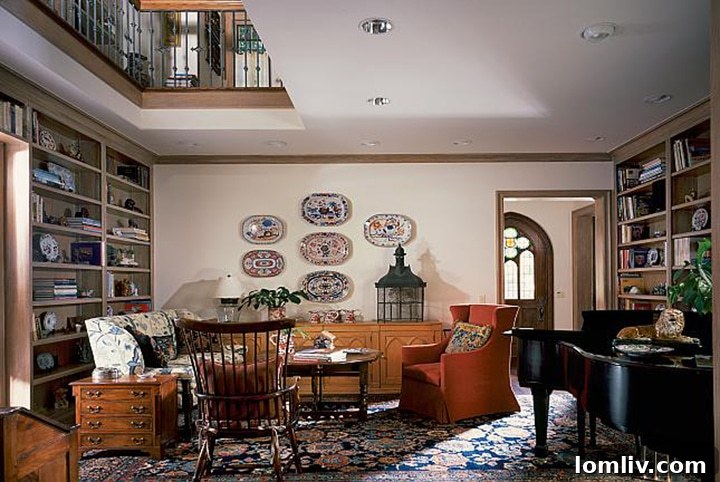
Reflecting on Creations: Richard Drummond Davis’s Most Cherished Projects
CD: Among the myriad of projects you’ve undertaken throughout your distinguished career, which one holds a particularly special place in your heart, making you most proud, and what are the specific reasons behind that profound sentiment?
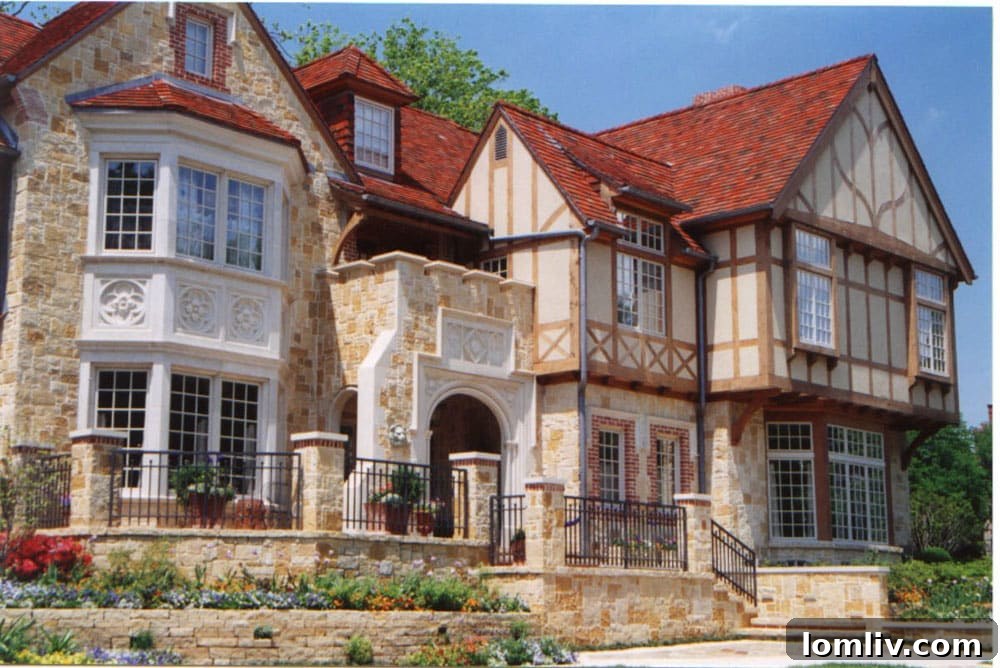
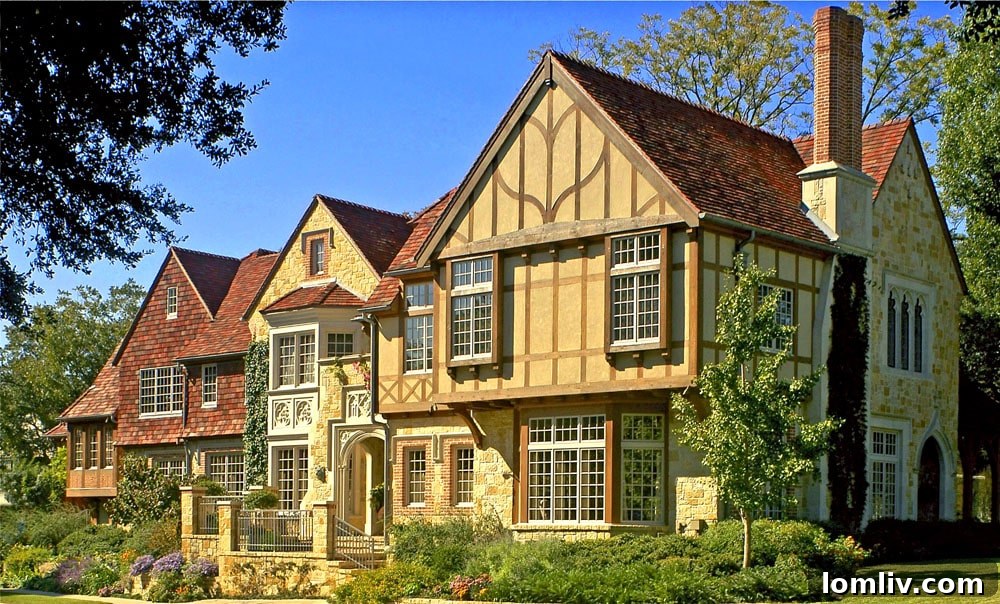
RD: It often seems to me that the projects I hold dearest and which inspire the greatest sense of pride are those that allowed for the most profound creative or innovative expression, even if they ultimately remained unrealized. For instance, I designed a grand and expansive residence nestled in Carmel Valley, meticulously organized around a magnificent central courtyard, all imbued with a distinct Tuscany-influenced style. Situated dramatically on a cliff overlooking a sweeping valley, the design masterfully evoked the charm and organic feel of a small village, with various differently-sized pavilions gracefully linked together around the central open space. Though it was never brought to fruition, the sheer vision and the intricate planning behind it remain a powerful source of immense personal pride and creative satisfaction. Years ago, I also conceptualized a remarkably modern residence, the entire architectural plan of which drew direct inspiration from my graduate thesis project at Princeton. I deeply treasure the photographs I possess of the intricate physical model I painstakingly constructed for it, which stands as a lasting testament to its innovative spirit and forward-thinking design.
Among my built work, several projects distinctly stand out and hold significant personal meaning. I harbor a particular fondness for a beautifully crafted, intimate 3,200-square-foot house I designed in the charming French Normandy style, gracefully situated on Southern Avenue in Highland Park. Its charm lies not just in its exquisite detailing but also in its perfectly balanced scale, embodying the timeless elegance and warmth characteristic of its chosen style. Equally cherished is a truly chic modern house that I designed, spectacularly positioned right on the Pacific Ocean, further up the Baja coast from Cabo San Lucas. This particular project offered a thrilling opportunity for bold contemporary expression within a breathtaking natural setting, proving unequivocally that modern design can be both exceptionally sophisticated and seamlessly integrated with its immediate environment. These diverse projects, whether they were realized as physical structures or remain as conceptual visions, represent significant milestones in my ongoing journey as an architect, each one a unique and cherished exploration of form, function, and artistic vision.
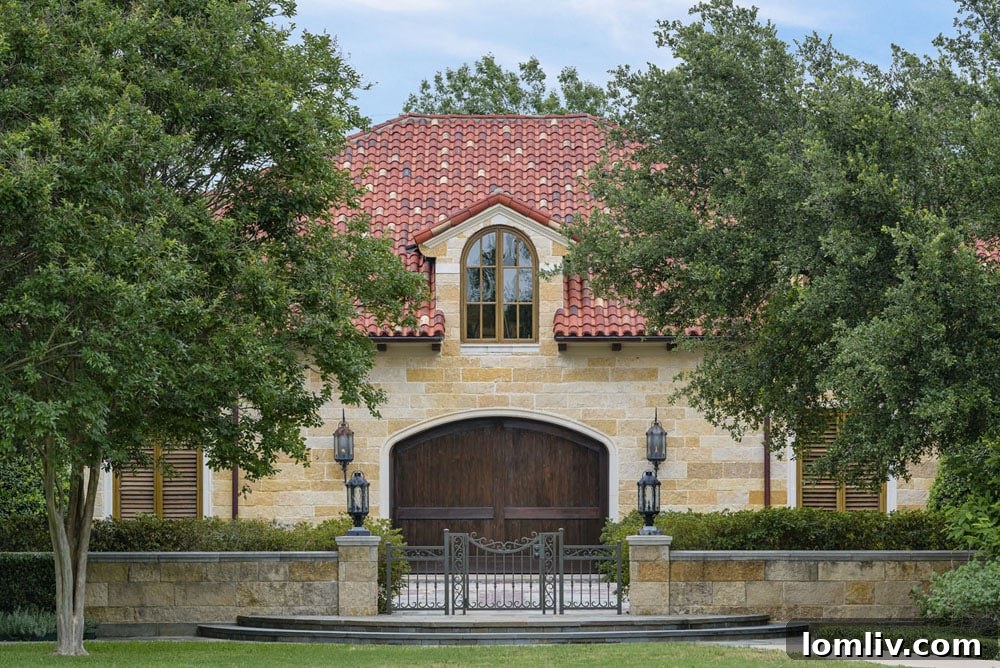
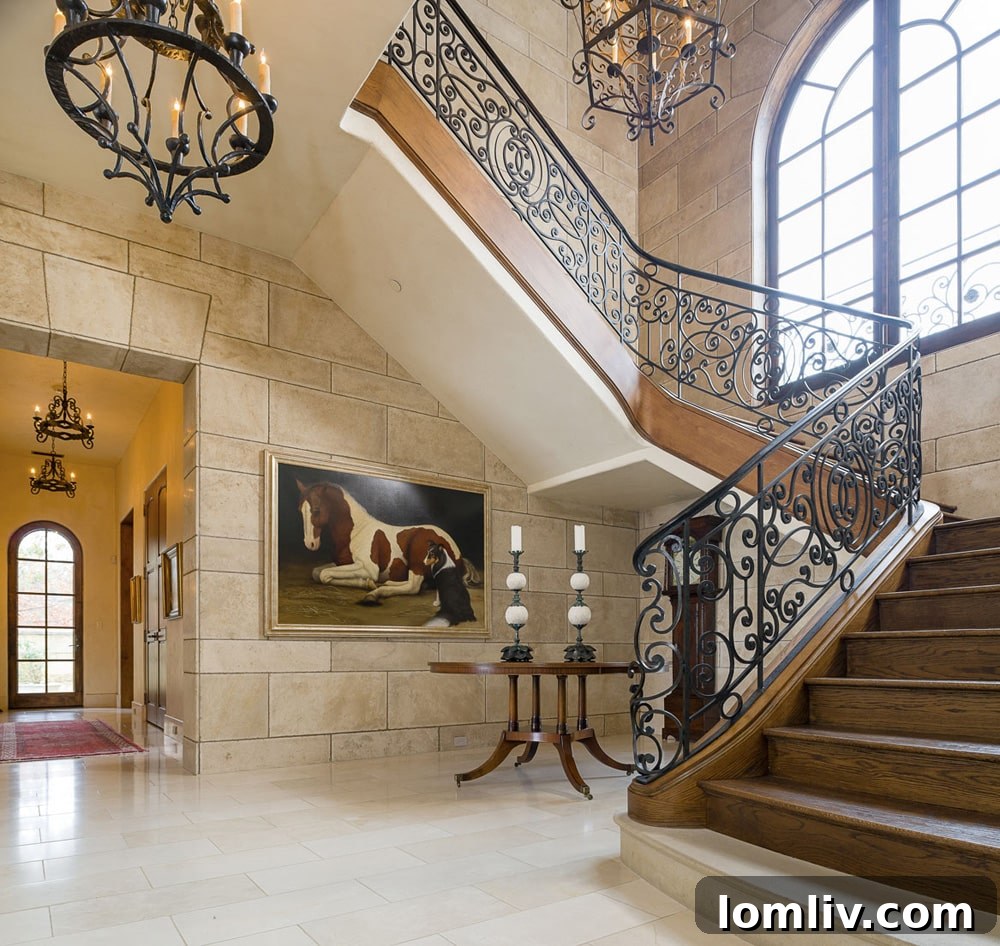
From Grand Estates to Urban Moderns: Richard Drummond Davis’s Diverse Current Portfolio
CD: Could you share some insights into the exciting projects you are currently engaged with, and their respective locations? Your current portfolio seems remarkably varied.
RD: Indeed, my current workload is wonderfully diverse, spanning an impressive range of architectural styles, scales, and geographical locations, which is an aspect of my practice I deeply cherish. I have a truly monumental house currently under construction in Missouri, which, upon its projected completion, is expected to rank among the ten largest private residences in all of America, soaring to an astonishing size of over 70,000 square feet. This magnificent estate is meticulously designed in the classic American Federal style, a choice that speaks to timeless elegance, historical reverence, and unparalleled grandeur. In pursuit of the most authentic and enduring materials for such a significant project, I recently undertook extensive visits to several quarries in July to carefully select the perfect marble and quartzite stone. My vision is to craft unique, custom shingles for the roof from these exquisite, natural materials. Remarkably, through careful sourcing and planning, we’ve found that utilizing marble or quartzite shingles can be achieved for virtually the same price point as traditional Vermont slate, offering an unparalleled level of luxury, distinction, and historical resonance. After all, the Parthenon itself famously featured marble shingles, a testament to their enduring beauty and durability – so why not integrate such a noble and ancient material into a contemporary masterpiece?
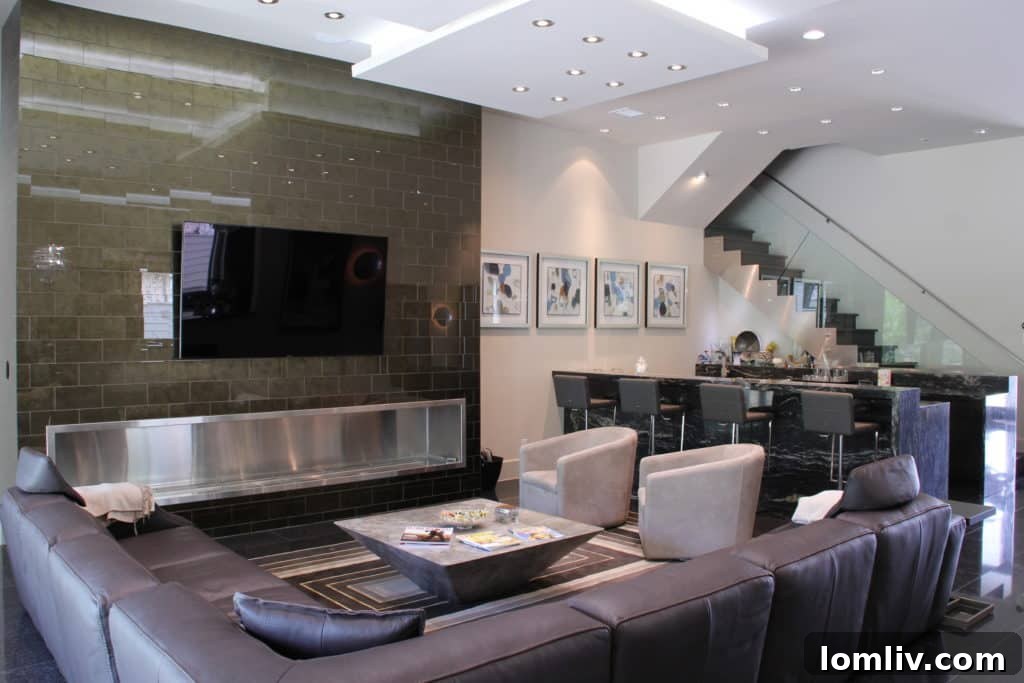
In stark contrast to this sprawling grand estate, I have just finalized the design for an exciting four-unit ultra-modern townhouse project situated strategically near the vibrant and increasingly popular Bishop Arts District in Oak Cliff, Dallas. These townhouses represent a bold and forward-thinking step into contemporary urban living, characterized by sleek lines, innovative materials, and a deliberate focus on maximizing natural light and optimizing living space within an urban footprint. We are thrilled to be releasing detailed renderings and a comprehensive description of this cutting-edge project in our upcoming newsletter and on our blog this week, providing the public with a closer look at its innovative design and urban integration. Additionally, I’m currently immersed in the architectural plans for a second-story addition to a charming cottage located in west Highland Park, a project that will sensitively transform it into a picturesque little white clapboard Cape Cod, complete with thoughtfully designed front and rear shed dormers. This project beautifully exemplifies how sympathetic and historically informed additions can significantly enhance existing structures while preserving and elevating their classic American architectural charm, all while integrating modern living necessities.
Furthermore, I’ve recently embarked on the exciting design of a distinctive Greek Revival house, which will feature an impressive two-story columned front porch, located in Weid, Texas. Weid, originally settled as a rich Czech community, provides a fascinating historical and cultural context for this particular architectural style, allowing us to draw upon local heritage while creating a stately and appropriate new residence. This incredible variety of work, ranging from sprawling luxury estates and sleek urban developments to sensitive historical renovations and new constructions in a multitude of distinctive styles, is precisely what keeps my firm creatively energized and our portfolio uniquely robust. It’s the intrinsic diversity of challenges and the constant opportunity to explore different architectural languages that I have always been asked to embrace, and which I find immensely rewarding and inspiring in my practice.
The Evolving Architectural Landscape of Dallas-Fort Worth: A Vibrant Hub of Design Innovation
CD: How would you characterize the current architecture culture and the overall design vibe within the vibrant Dallas-Fort Worth (DFW) metropolitan area? What trends and energies do you observe?
RD: I am incredibly enthusiastic and genuinely excited about the palpable resurgence and growing embrace of modern architecture throughout the DFW area. There’s a distinct and positive shift in aesthetic preferences, driven significantly by both a new generation of homeowners and a burgeoning demographic of empty nesters. Young people are actively seeking sleek, minimalist spaces that align perfectly with their contemporary lifestyles, emphasizing functionality, open layouts, and cutting-edge aesthetics. Simultaneously, empty nesters are increasingly gravitating towards clean, bright, and deliberately uncluttered environments that offer ease of living, a fresh aesthetic, and a simplified yet sophisticated backdrop for their evolving needs. This robust demand for modernism is invigorating the entire architectural scene, fostering innovation and pushing design boundaries.
Beyond residential trends, the broader architectural culture in DFW is experiencing a remarkable and inspiring awakening, marked by increased public engagement and appreciation. I regularly attend and participate in events hosted by esteemed organizations such as the Dallas Architectural Forum and The Dallas Center for Architecture. Their talks, panel discussions, and exhibitions are consistently engaging, thought-provoking, and incredibly well-attended. What’s truly exciting and indicative of a profound shift is seeing an ever-increasing number of attendees who are not professional architects or architecture students, but rather members of the general public with a keen, burgeoning interest in design and urban development. This signifies a broadening and deepening appreciation for architecture that extends far beyond the industry itself, fostering a more design-literate community. Furthermore, the presentations by internationally acclaimed “starchitects” from outside the region consistently draw massive crowds, regularly filling prestigious venues such as the Horchow Auditorium at the Dallas Museum of Art (DMA) and the theater at The Magnolia. This vibrant and growing public engagement underscores a flourishing architectural dialogue and a collective appetite for innovative, thought-provoking, and visually compelling design within our dynamic DFW community.
A Dallas Home: Why Richard Drummond Davis Chose His Roots for His Architectural Practice
CD: Given your extensive and distinguished education, coupled with your diverse professional experience, why did you ultimately make the pivotal decision to establish and base your architectural firm specifically in Dallas? What factors influenced this choice?
RD: My decision to establish and root my architectural firm in Dallas is deeply rooted in a combination of personal connection and a profound appreciation for this dynamic region. Simply put, I grew up here; Dallas has always been, and truly feels like, home to me. After successfully completing my graduate studies, I had the invaluable opportunity to work for a truly cutting-edge and highly respected architectural firm in New York, Hardy Holzman Pfeiffer. My time in New York was undeniably wonderful and incredibly formative; it was an exhilarating period of intense learning, significant professional growth, and exposure to some of the world’s most innovative design. I still cherish visiting the city for its unparalleled energy and architectural marvels. However, despite the incredible experiences and professional opportunities there, my heart always remained firmly in Texas. There’s a unique spirit, a strong sense of community, and a distinctive landscape here that resonates with me deeply on both a personal and professional level. Dallas offers a dynamic and fertile environment for architectural innovation, coupled with a growing appreciation for custom design, while still allowing me to maintain a strong, authentic connection to my roots and the community I know, understand, and deeply love. This balance of professional opportunity and personal belonging made Dallas the undeniable choice for my practice.
Dallas’s Architectural Gems: A Connoisseur’s Top Picks
CD: Exploring Dallas’s rich and diverse architectural tapestry, which particular building, whether commercial or residential, stands out as your absolute favorite, and what intrinsic qualities make it so special and compelling to you?
RD: My enduring favorite building in Dallas remains, unequivocally, the Key-Whitman Eye Clinic, prominently located on Lemmon Avenue eastbound. This architectural masterpiece was ingeniously designed by Joe McCall of Oglesby Green, and its brilliance lies squarely in its exquisite modern detailing – a true hallmark of McCall’s unparalleled genius and precision. The clinic’s exterior showcases a meticulously curated selection of beautiful and harmonious colors in stone, glass, and concrete. What truly elevates this building into an architectural icon is the flush, effortlessly elegant transition from one material to another, a subtle yet profound design choice that transforms what is essentially a rectilinear box into a sculptural marvel. It stands as the quintessential, living example in Dallas of the timeless adage, “God is in the details,” and I would emphatically add, “and in the materials.” Every seam, every joint, every textural change, and every meticulously chosen material speaks volumes about thoughtful design, precision engineering, and an unwavering commitment to quality. The seamless integration and sophisticated interplay of these elements create a timeless aesthetic that continues to inspire me deeply, even after countless observations.
While the Key-Whitman Eye Clinic confidently holds the top spot in my estimation, the magnificent Wyly Theater, designed by the internationally acclaimed Rem Koolhaas and his visionary firm OMA, comes in as a very close second. Its innovative, dynamic, and unapologetically bold structure represents a powerful statement in contemporary architecture, adding another layer of artistic depth and avant-garde spirit to Dallas’s already impressive skyline. Both buildings, though vastly different in their architectural styles, functional purposes, and aesthetic expressions, exemplify the highest standards of architectural excellence and contribute significantly to the city’s vibrant and evolving design identity, marking Dallas as a true hub of architectural innovation and appreciation.