

Welcome to our weekly “Candy-Wrap” digest, your essential guide to the most impactful developments in the dynamic world of real estate and luxury retail. This column dives deep into pressing industry issues, significant business transactions, and even a touch of the intriguing whispers circulating within the market. Our aim is to provide a clear, concise, and insightful overview for our discerning readers, keeping you informed about the forces shaping these vital sectors. Your feedback is invaluable, so please send in your tips and thoughts!
Is Neiman Marcus on the Brink of a Transformative Sale?
The past week commenced with a significant ripple across the luxury retail landscape, sparked by a report from theNew York Post indicating that our beloved Neiman Marcus may be exploring a potential sale or merger with its formidable luxury competitor, Saks Fifth Avenue. This speculation has ignited considerable discussion within the industry and among consumers alike. The current majority investor, Pacific Investment Management Co. (PIMCO), a global leader in asset management, alongside Davidson Kempner Capital Management and Sixth Street Partners, are reportedly seeking an exit strategy. This move comes amidst mounting concerns over declining sales and profitability, with internal sources attributing the negative performance to the strategic direction spearheaded by Belgium-born CEO Geoffroy van Raemdonck. Critics suggest van Raemdonck’s laser focus on catering exclusively to the ultra-wealthy—reportedly the top two percent of shoppers—has inadvertently alienated a broader base of affluent and less-heeled clientele, a segment traditionally vital to Neiman Marcus’s diverse appeal.
This scrutiny of Neiman Marcus’s leadership is not new. Geoffroy van Raemdonck, married to designer Alvise Orsini, recently made headlines with his personal real estate decisions. The couple relocated their lives and Orsini Design from Dallas to New York City, having sold their architecturally significant estate at 6676 Lakewood Boulevard last March. This Italian Renaissance-inspired home, designed by renowned architect Anton Korn and built in the 1930s, was distinguished by its unique blue-tiled roof and served as a prominent fixture in the Dallas luxury real estate market.
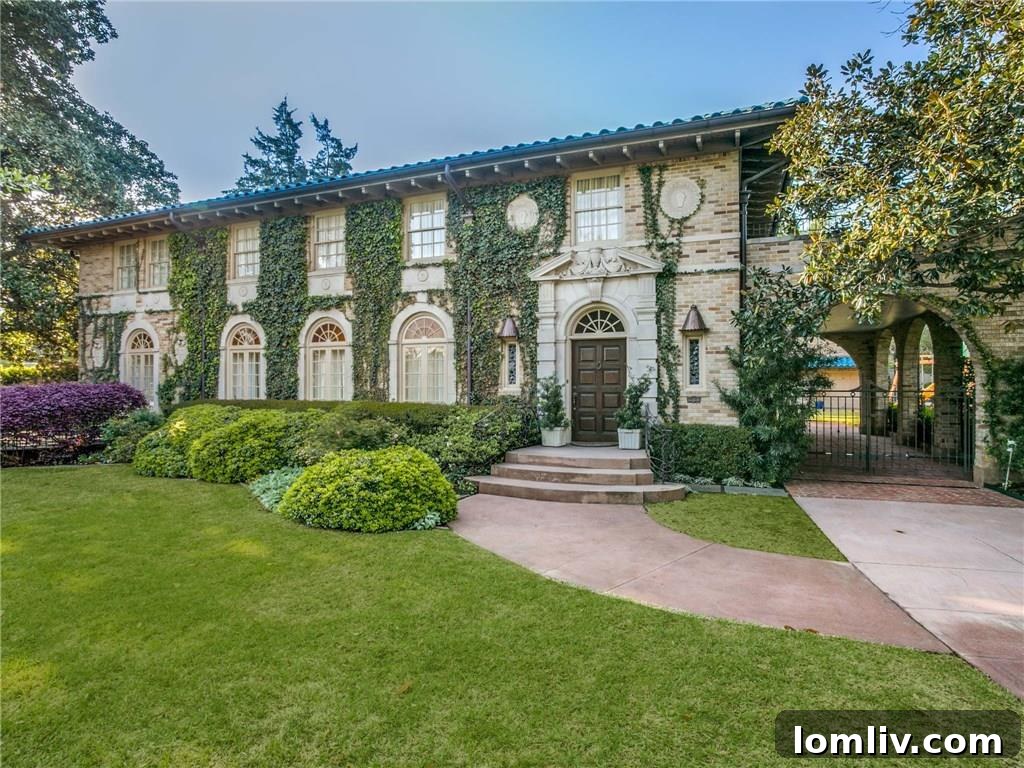
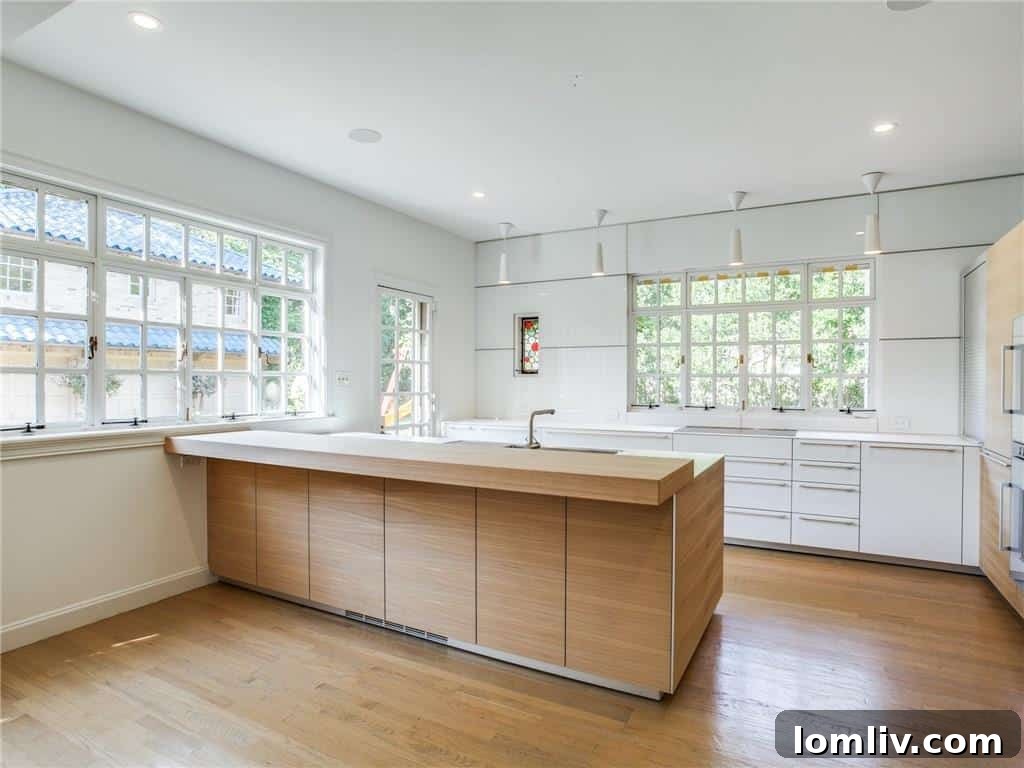
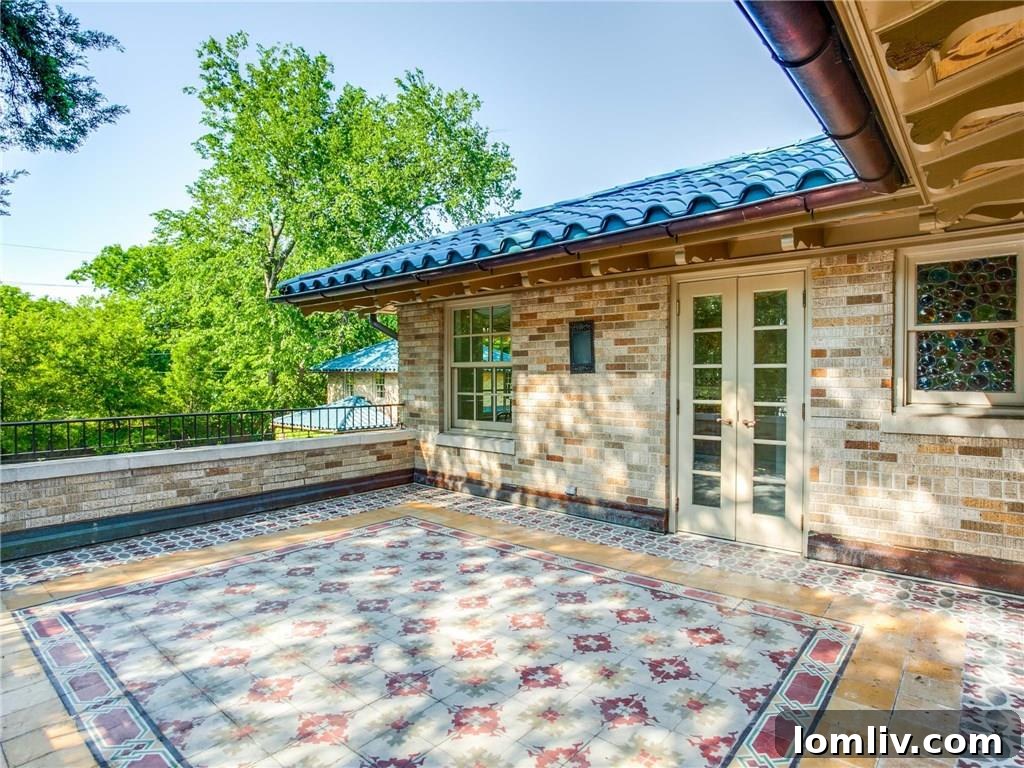

The sale of this prominent Dallas residence, and a 2020 spread on the home published inPaperCity Magazine, inadvertently placed van Raemdonck in a difficult position. This feature coincided with a period when Neiman Marcus was implementing significant layoffs and controversially charging furloughed employees for healthcare benefits. The perceived disparity between personal opulence and corporate austerity fueled public and investor discontent. According to the Post, Neiman Marcus’s financial partners are embroiled in internal disagreements, with some even pushing to divest Bergdorf Goodman, the ultra-luxurious retailer also owned by Neiman Marcus. Unsurprisingly, Neiman Marcus has maintained a standard corporate stance, with a spokeswoman stating the retailer does not comment on rumors or speculation.
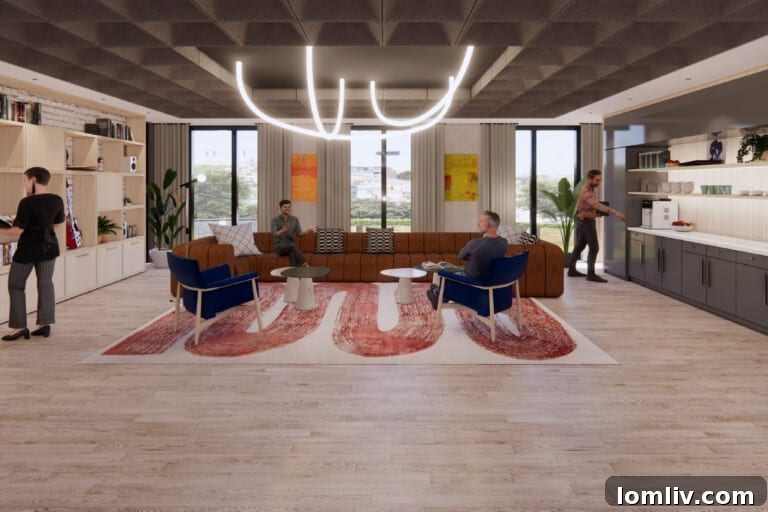
Several critical factors underscore the current situation. Neiman Marcus recently invested in a beautiful, state-of-the-art headquarters, dubbed the “Innovation Center,” located at CityPlace Tower in Dallas. This commitment to its operational hub stands in stark contrast to the company’s tumultuous ownership history, having been sold three times in just 15 years, including a significant bankruptcy reorganization in 2020. Financial experts largely agree that the substantial debt accrued from its last two leveraged buy-outs left the company vulnerable, with the subsequent global pandemic serving as a decisive blow to its financial stability.

The significance of Neiman Marcus to the Dallas economy is undeniable. Last year, the Dallas City Council approved a $5 million incentive package specifically designed to retain the company’s headquarters within the city limits, preventing a potential relocation to neighboring Irving or Plano. District 12 City Councilwoman Cara Mendelsohn confirmed that these crucial funds are contingent upon the company’s continued presence; should Neiman Marcus shutter or depart Dallas, the incentives would be rescinded. This highlights the deep economic and civic ties between the luxury retailer and its hometown.
The proposed merger with Saks raises pertinent questions about market consolidation. Neiman Marcus and Saks Fifth Avenue, along with Bergdorf Goodman, are titans of the upscale luxury department store sector. Maria Halkias, retail editor at The Dallas Morning News, has posed the critical question: does it make strategic sense to consolidate, potentially reducing the number of these major luxury players? From the perspective of investment management firms, the answer is often a resounding yes. Their primary mandate is to generate profit for investors. A merger could lead to significant efficiencies by consolidating the store portfolios—36 Neiman Marcus stores and 41 Saks stores across the U.S.—streamlining operations, merchandise procurement, and sales personnel. (It’s worth noting that Saks Off 5th, a luxury outlet spin-off, is owned by Saks/Hudson Bay, a company backed by private equity firms.) In markets with overlapping footprints, consolidating stores could unlock greater profitability, a necessary response to the undeniable shift towards online shopping, which now accounts for over 30 percent of Neiman Marcus customer transactions.
However, such efficiencies often come at a cost, primarily in the form of layoffs. In June, Neiman Marcus reported a decline in third-quarter earnings and a significant 9 percent drop in annual revenue. This followed a February announcement by the Post that “slowing sales forced Neimans to lay off 5 percent of its workforce, approximately 500 employees, including the complete elimination of store greeters who handled various customer service functions like returns.” The loss of these personalized touches, such as the friendly greeters, has been keenly felt by many loyal customers.
While the Dallas Neiman Marcus stores would likely be considered safe from closure, given the absence of a Saks Fifth Avenue presence—the former Galleria location is currently undergoing redevelopment—Hudson Bay, if it were to acquire Neiman Marcus, would undoubtedly conduct a rigorous review of profitability across the entire portfolio. Any underperforming store could face closure. My most significant concern, and that of many local observers, would be the future of the iconic downtown Dallas Neiman Marcus store, a historical landmark and cornerstone of the city’s retail identity.
According to the Post, all three principal owners reportedly agreed to consider the Hudson Bay bid during a July board meeting. Meanwhile, the stark realities of luxury retail pricing disparities persist. During a recent online shopping excursion, I discovered a Michael Kors dress listed for approximately $400 at Bergdorf Goodman, while the identical item was priced at $1,300 at Neiman Marcus. Such discrepancies underscore the competitive pressures and pricing strategies at play in the high-end market.
The Sudden Closure of Mitchell Gold + Bob Williams Shakes Home Furnishings Market
In another significant development, the luxury yet approachable furniture brand, Mitchell Gold + Bob Williams, abruptly ceased operations this week. This sudden closure has sent shockwaves through the home furnishings industry, impacting its 27 showrooms across the U.S. and a dedicated clientele that included famous figures like Hillary Clinton. Texas was home to five of their shops, including two in North Texas—at Knox-Henderson and The Shops at Willow Bend—along with an outlet location in San Marcos.
Founders Mitchell Gold and Bob Williams established their brand in 1989, built on a vision of comfort, beautiful design, and purposefully crafted home furnishings. Their journey began modestly with just seven dining room chair styles and half a dozen dining tables, quickly evolving into a beloved name in luxury decor. In 2015, they sold the company to The Stephens Group, a private equity firm based in Arkansas. While the partners retired from active management and board roles, they maintained a connection to the business they had so passionately built. The brand’s closure highlights the increasing volatility even within the high-end retail furniture sector. The company also had deep Texas roots, with Bob Williams, a talented graphic artist, having been born in Dallas and raised in Conroe—a shared hometown with our Executive Editor, Joanna England. Gold, prior to co-founding the brand, gained extensive experience as a furniture buyer for Bloomingdale’s.
Frontgate Realigns Retail Strategy with Preston Royal Relocation
Further reshaping the local retail landscape, Frontgate, the luxury home furnishings retailer that originated as a successful catalog business, is making a strategic move. The company is closing its expansive Plano store and showroom at Legacy West. This substantial location will be replaced by a smaller, more focused footprint at Preston Royal’s northwest quadrant, occupying half the space formerly held by Barnes & Noble Bookstore. This relocation appears to be a calculated effort to optimize real estate expenditures and enhance operational efficiency, as the new 9,443-square-foot space is considerably smaller than its Legacy West predecessor.
The move also positions Frontgate strategically near its sister company, Ballard Designs, which is located directly across the street. This proximity could foster synergistic opportunities and create a concentrated destination for home furnishings shoppers. The Preston Royal location also benefits from a proven neighbor: Austin-based apparel retailer Tyler’s, which moved into the other half of the former Barnes & Noble space in 2021, continues to enjoy strong popularity among local residents. This strategic downsizing and relocation reflect a broader trend in retail, where brands are increasingly seeking to right-size their physical presence to complement growing online sales channels and enhance the in-store experience in more targeted, accessible locations.
Drone Delivery Takes Flight at Walmart Supercenter in Plano
Venturing into the future of last-mile delivery, residents within a six-mile radius of the Walmart Supercenter at 8555 Preston Road in Plano are now poised to experience an innovative automated, pilot-less drone delivery service. This groundbreaking initiative marks a significant advancement in retail logistics. Walmart has partnered with Wing, a leading drone delivery provider backed by Alphabet, Google’s parent company, to serve an estimated 60,000 residences across North Texas.
The service offers unparalleled convenience, allowing customers to order a wide array of products directly to their homes. Available items include ready-to-eat meals, essential groceries, household staples, and non-prescription medicines. These advanced drones are designed for efficiency, capable of flying at speeds of up to 65 mph, and engineered for precise, gentle landings. This pilot program in Plano represents a significant step towards integrating drone technology into everyday retail operations, promising to redefine consumer expectations for speed and convenience in obtaining daily necessities. It underscores the ongoing innovation in the retail sector as companies strive to meet evolving customer demands and optimize their supply chains through cutting-edge technological solutions.
The week’s developments underscore a pivotal moment in both luxury retail and real estate. From the strategic challenges faced by established giants like Neiman Marcus to the innovative strides in delivery by Walmart, and the abrupt shifts in the home furnishings market, the landscape is constantly evolving. These movements reflect a broader industry recalibration, driven by changing consumer behaviors, technological advancements, and economic pressures. As these trends continue to unfold, we remain committed to bringing you the most pertinent insights. Don’t forget to share your observations and tips with us!