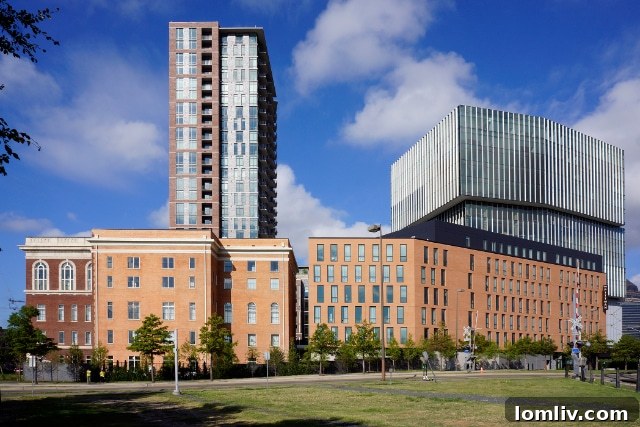
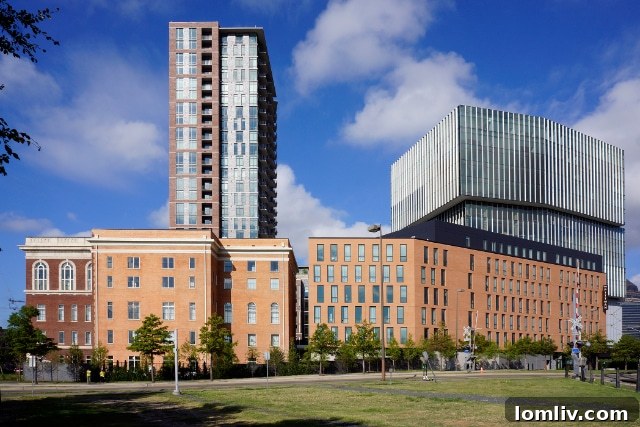
In honor of Black History Month, we asked David Preziosi, Executive Director of Preservation Dallas, to share insights into one of our city’s most compelling success stories in urban renewal and historical preservation. This article delves into the remarkable journey of a building that stands as a beacon of African American heritage and architectural resilience in Dallas.
By David Preziosi, FAICP
The Pittman Hotel: A Beacon of Black History and Architectural Renaissance in Deep Ellum, Dallas
At the vibrant crossroads of Elm and Good Latimer Streets in Dallas’s historic Deep Ellum district, a stately Beaux-Arts style building commands attention. Adorned with classical ornamentation, this structure is far more than just an architectural marvel; it represents one of the most profoundly significant landmarks intertwined with African American history in Dallas. Erected in 1916, this building initially served as the magnificent Grand Lodge of the Colored Knights of Pythias, an era when Deep Ellum flourished as an indispensable commercial and cultural nexus for the African American community.
The vision behind this iconic edifice belonged to William Sydney Pittman, a trailblazer who holds the distinction of being the first African American architect to practice in Texas. Pittman’s journey to Dallas began in 1912, driven by a desire to pursue his architectural career in a rapidly developing state. His exceptional talent was honed through rigorous academic training; he graduated from the esteemed Tuskegee Institute, founded by Booker T. Washington, and furthered his studies at the Drexel Institute in Philadelphia, where he mastered architectural drawing and structural engineering. It was during his time at Tuskegee that Pittman’s path first intersected with Booker T. Washington, a pivotal moment that saw Washington recognize and ardently encourage Pittman’s remarkable architectural prowess. This connection deepened profoundly when Pittman married Washington’s daughter, Portia, in 1907, further cementing his place within an influential network of African American leaders and intellectuals. Pittman’s commitment to creating architectural spaces that served his community was evident throughout his career, making the Knights of Pythias building a quintessential representation of his legacy.
The Grand Lodge of the Colored Knights of Pythias: A Pillar of Community Empowerment
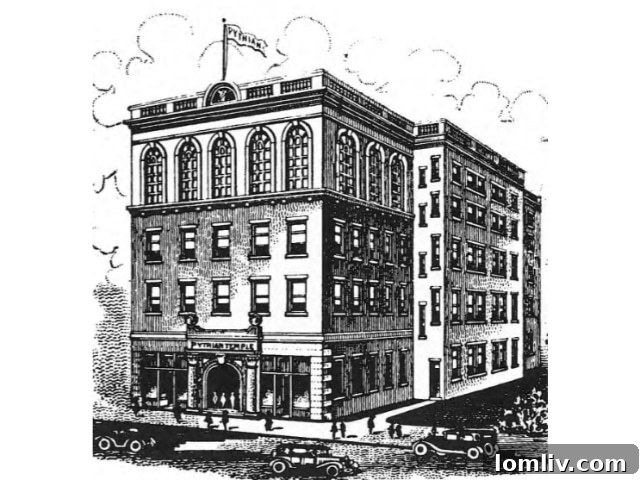
The Colored Knights of Pythias, an influential African American fraternal organization, was established between 1884 and 1885. In an era marked by widespread segregation, racial discrimination, and systemic disenfranchisement, organizations like the Knights of Pythias were vital lifelines for the African American community. They transcended mere social gatherings, offering essential services such as life insurance policies and critical death benefits to cover burial expenses for their members – services often denied or inaccessible through mainstream, white-controlled institutions. This commitment to mutual aid, self-reliance, and community support fueled its rapid expansion, transforming it into the largest African American fraternal organization across the state of Texas. Such organizations were not just social clubs; they were economic anchors and social safety nets for a community largely excluded from the broader society.
The growing membership and influence of the Grand Lodge necessitated a grander, more permanent headquarters that reflected its stature and mission. In 1912, a landmark resolution was passed by the Grand Lodge, authorizing the construction of a magnificent Pythian Temple in Dallas, allocating a substantial $100,000 for the project. This significant investment underscored the organization’s prosperity, foresight, and unwavering dedication to serving its community, providing a physical manifestation of its strength and collective ambition. It was a bold statement of presence and permanence in a city where African Americans often faced marginalization.
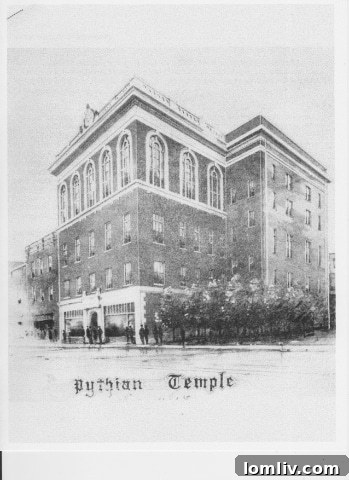
A prime parcel of land was strategically acquired at the intersection of Elm and Good Streets, situated just south of the crucial Texas and Pacific rail line. This location was not accidental; it placed the new temple at the heart of Deep Ellum’s bustling commercial district, ensuring maximum visibility and accessibility for its members and the wider African American population. Deep Ellum itself was a crucible of Black culture and enterprise, a place where African Americans could own businesses, create art, and foster community away from the restrictive racial codes of downtown Dallas. Upon its grand opening, the five-story Knights of Pythias building quickly ascended to prominence, establishing itself as an undeniable landmark within Deep Ellum, a symbol of pride and progress.
A Hub of Commerce, Culture, and Community Life
More than just a fraternal lodge, the building was a microcosm of African American enterprise and social life. Its lower floors were thoughtfully designed to accommodate retail establishments and crucial office spaces, providing a professional home for a burgeoning class of African American professionals. These included pioneering attorneys, essential insurance agents, resourceful realtors, and dedicated doctors – figures who were instrumental in building self-sufficient communities and offering vital services often inaccessible elsewhere. Remarkably, the building housed pioneering individuals such as Texas’s first African American surgeon and its first African American dentist, illustrating its profound role as a nexus for Black excellence, innovation, and opportunity in a discriminatory society.
The two upper floors were dedicated to a spacious auditorium, a vibrant communal space that served multiple vital functions. It was the venue for the solemn rituals and ceremonies of the Pythian Lodge, but also transformed into a dynamic stage for social events, conferences, and critically, political gatherings. In a deeply segregated Dallas where African Americans were routinely denied access to public spaces and amenities in white-owned establishments, this auditorium stood as a sanctuary and a powerful symbol of self-determination. It fostered a sense of belonging and empowerment, enabling a community to gather, organize, celebrate freely, and strategize for civil rights and economic advancement. The vibrant music scene of Deep Ellum found a prestigious home here, hosting performances by legendary African American artists who further enriched the cultural fabric of the neighborhood.
From Grandeur to Neglect: The Building’s Decline and Abandonment
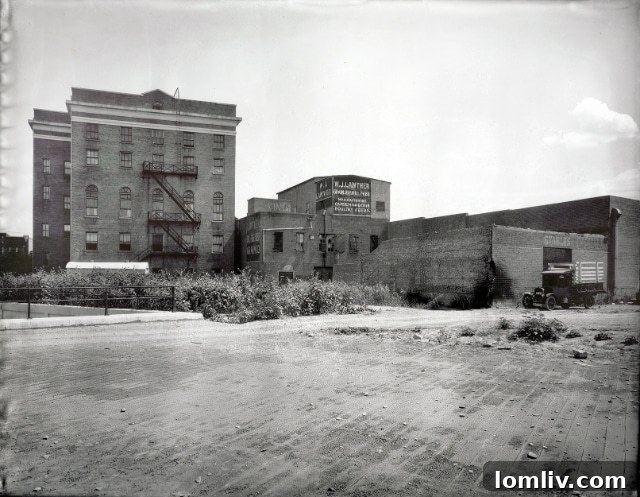
The vibrant life of the Knights of Pythias building, and indeed the entire Deep Ellum community, faced an unprecedented challenge with the onset of the Great Depression in the 1930s. The severe economic downturn crippled the organization as widespread unemployment and poverty meant most members found themselves unable to afford their dues, leading to a precipitous decline in membership and, crucially, a lapse in many insurance payments. This financial strain proved unsustainable, and by 1944, legal woes stemming from unfulfilled burial expense policies mounted, forcing the reluctant sale of the building for a mere $6,500 – a fraction of its original construction cost. This marked a somber turning point for what had once been a bustling center of African American life and a beacon of hope, reflecting the broader struggles of Black communities during this challenging period.
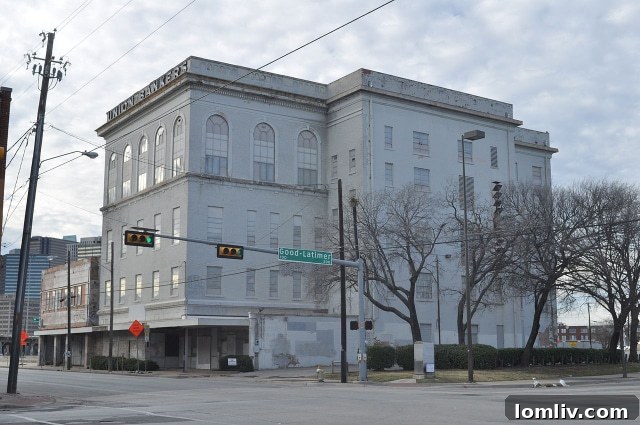
In 1959, the Union Bankers Insurance Company acquired the property. Unfortunately, their tenure brought substantial and unsympathetic changes to the building’s exterior and interior. These alterations regrettably obscured William Sydney Pittman’s masterful original Beaux-Arts design, stripping away much of its classical ornamentation and unique architectural character. Storefronts were modernized, original wooden windows were replaced with less appropriate metal ones, and the building’s brick exterior was painted, further concealing its inherent beauty and historical integrity. The building, though still standing, lost much of its architectural identity and, with it, a tangible connection to its profound historical roots and the community it once served so faithfully.
By the 1990s, Union Bankers abandoned the once-proud structure, leaving it vacant and vulnerable to neglect and decay. Despite a subsequent sale in 1995 and several proposed redevelopment ideas surfacing over the years, the building remained an empty shell, a silent testament to Deep Ellum’s past, and a stark reminder of lost heritage. For over two decades, this significant landmark stood largely forgotten, its historical importance fading from public consciousness, slowly deteriorating and awaiting a visionary intervention that could rekindle its former glory.
A Vision Reborn: The Preservation Dallas Success Story
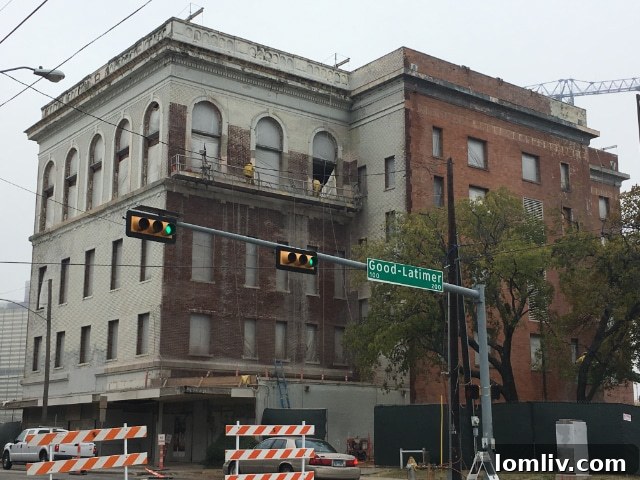
Recognizing the immense architectural and historical significance of the building to Dallas’s African American heritage, the City of Dallas took a crucial and far-sighted step in 1989, officially designating it a City Landmark. This protective status was vital, ensuring its preservation in perpetuity and laying the groundwork for its eventual revival, even as the building continued to languish. However, despite this designation, the building’s future remained uncertain for many years, as the challenge of financing and executing a comprehensive historical restoration seemed daunting.
The turning point arrived in 2017 when Westdale and Vine Tower Development embarked on an ambitious journey to redevelop the long-vacant structure. This wasn’t merely a commercial venture; it was a profound commitment to heritage and community, acknowledging the building’s storied past. That same year, the development team successfully placed the building on the National Register of Historic Places. This pivotal listing not only acknowledged its national significance but also unlocked access to crucial state and federal tax credits, providing the essential financial incentives needed to undertake such a complex, costly, and meticulously detailed rehabilitation project. These credits were instrumental in making the preservation economically viable, demonstrating the power of public-private partnerships in urban renewal.
Designing for the Future, Honoring the Past: The Boutique Hotel Concept
The proposed new life for the building was conceived as a boutique hotel, a concept that recognized a significant gap in Deep Ellum’s vibrant hospitality scene. There was a clear need for a distinctive, high-end accommodation option that could complement the neighborhood’s artistic, musical, and historical character, attracting both local and international visitors. To realize the vision of a modern, functional hotel while respecting the original structure’s footprint and historical integrity, a sensitively designed seven-story addition was planned for the rear of the historic building. This expansion was critical for accommodating the necessary amenities and guest rooms for a contemporary hotel, without compromising the original facade.
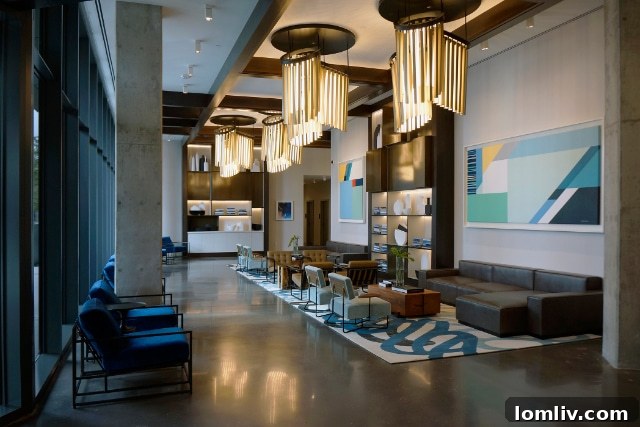
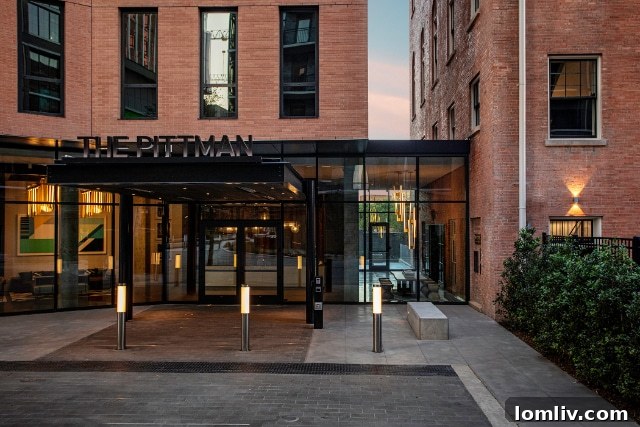
The architects behind the project approached this integration with meticulous care and a deep understanding of historical preservation principles. Their design ensured the addition was not only compatible with the historic Beaux-Arts structure but also distinctly modern, creating a respectful dialogue between past and present. A sophisticated glass-enclosed walkway on the first floor served as the elegant connector, a deliberate choice to preserve the exterior integrity and visual autonomy of William Sydney Pittman’s original masterpiece. This thoughtful design strategy allowed the new addition to house contemporary hotel amenities such as the grand lobby, a state-of-the-art business center, a well-equipped gym, and two-thirds of the total guest rooms, all while ensuring the historical essence of the original building remained the focal point. This approach skillfully blended the practical demands of a modern hotel with the imperative of safeguarding historical architecture.
Painstaking Façade Restoration: A Tribute to Pittman’s Original Vision
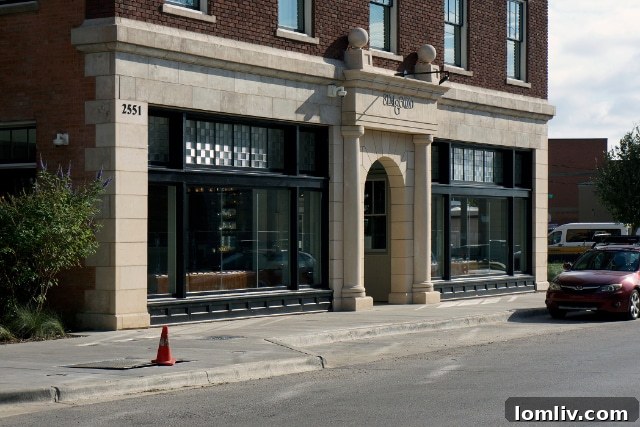
Central to the entire preservation project was the paramount desire to meticulously restore the building’s façade, bringing it as close as possible to William Sydney Pittman’s original 1916 design. This was, by any measure, an extraordinarily challenging endeavor, requiring extensive historical research, specialized techniques, and unwavering dedication. Decades of alterations had taken their toll: the original storefront had been entirely removed, modern metal windows had unceremoniously replaced the elegant wood originals, crucial cast stone architectural features were missing or severely damaged, and the building’s brick had been regrettably painted over, concealing its inherent character and original coloration.
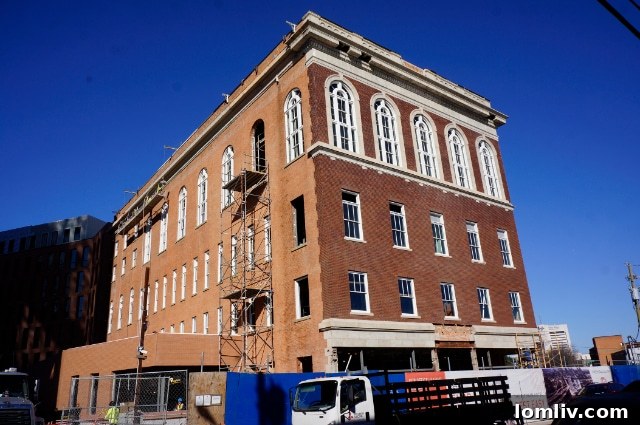
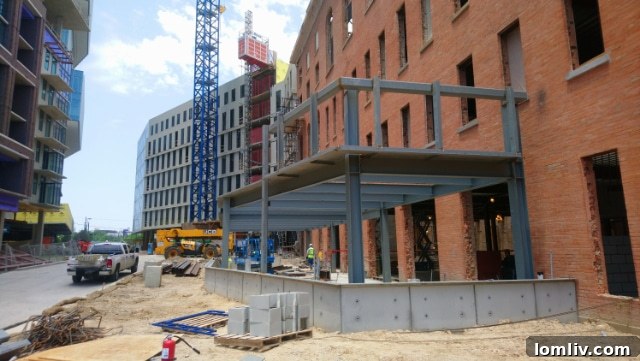
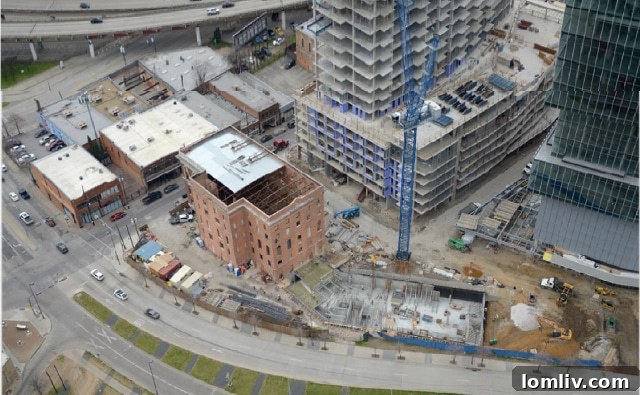
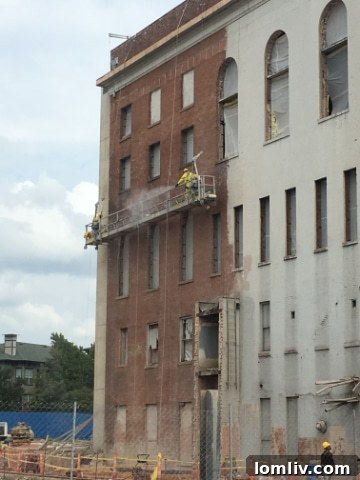
Armed with historical renderings of the building and invaluable old photographs, the project architects embarked on a meticulous archaeological and artistic reconstruction. They were able to faithfully recreate the original storefront design, breathing new life into the street-level engagement and welcoming guests with historical accuracy. Missing cast stone pieces, crucial for the Beaux-Arts aesthetic, were painstakingly replicated by skilled artisans, ensuring every detail aligned with Pittman’s original vision. The exterior lead paint, applied over decades, was carefully and methodically removed using specialized techniques, revealing the warm, rich, original brick color beneath – a testament to the dedication of the restoration team. Furthermore, historically appropriate custom wood windows were commissioned and installed, meticulously matching the period and style, including the truly dramatic two-story arched windows that grace the fourth and fifth floors, once again allowing natural light to flood the interior spaces as Pittman had originally intended. This precise restoration effort was a labor of love, bringing the building back to its intended grandeur.
Revitalizing the Interior: Restoring the Heart of the Community
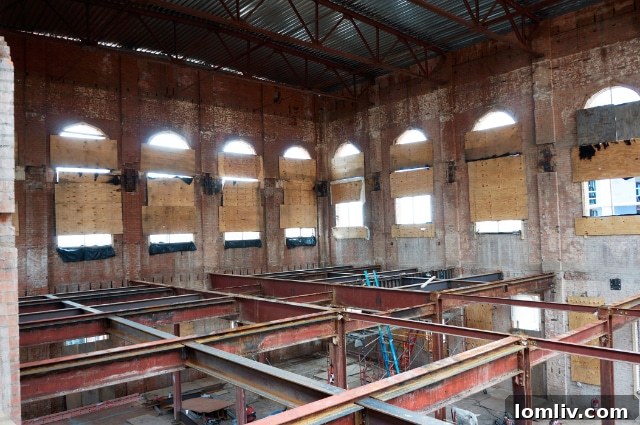
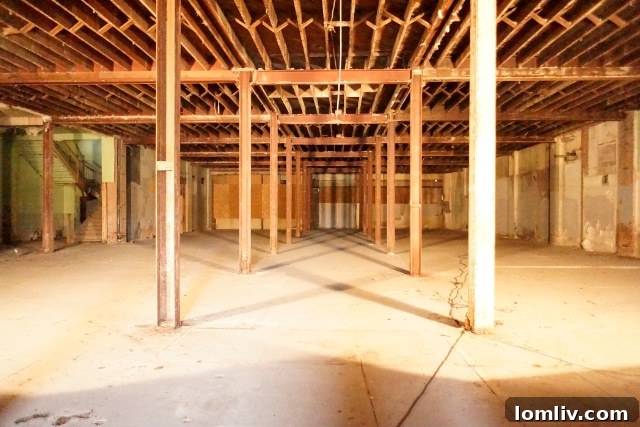
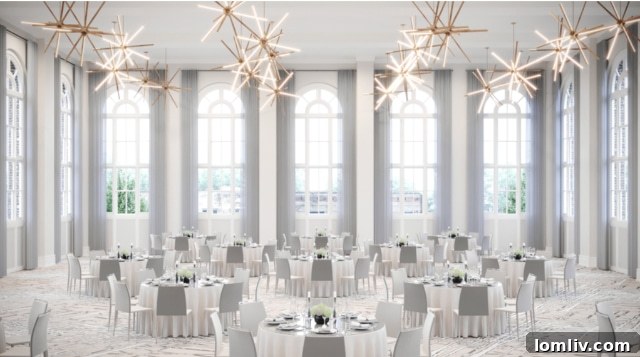
The original auditorium on the fourth floor was, without exaggeration, the social and cultural epicenter for Dallas’s African American community during the building’s heyday. It served as the premier gathering place at a time when racial segregation strictly prohibited African Americans from utilizing similar spaces in local hotels and public venues. This auditorium was a vibrant stage for the era’s flourishing music scene in Deep Ellum, witnessing unforgettable performances by legendary African American artists such as the iconic blues pioneer Blind Lemon Jefferson, whose soulful melodies echoed through its halls. Initially a grand two-story volume, designed for large assemblies and performances, the space had, over time, been insensitively carved into two separate floors to create additional, less historically significant, office space.
A crucial decision by the developers, Westdale and Vine Tower Development, highlighted their profound commitment to historical authenticity and the building’s cultural legacy. While it would have been simpler and potentially more cost-effective to retain the bifurcated floors for additional guest rooms or offices, they recognized the immense historical and symbolic importance of the auditorium. They made the principled choice to restore this magnificent space to its original two-story grandeur. This decision not only brought back the architectural integrity of Pittman’s design but, more importantly, rekindled the spirit of a place that was once a sanctuary for cultural expression, political discourse, and community assembly. This revitalized auditorium now serves as a poignant reminder of the building’s irreplaceable role in Deep Ellum’s Black history, ready to host new gatherings, events, and performances, connecting new generations to its powerful past.
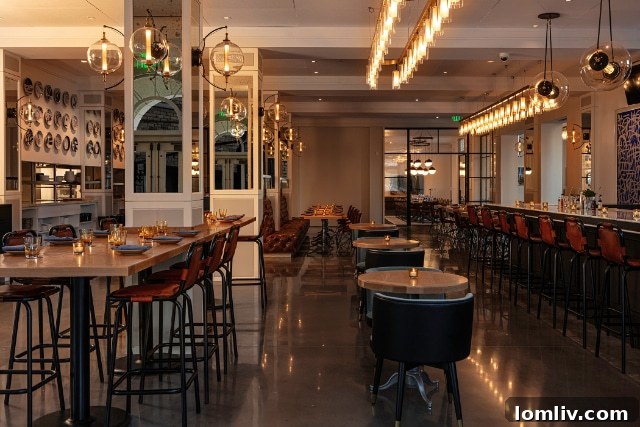
Beyond the auditorium, the building’s first floor was thoughtfully reimagined and converted into a contemporary restaurant and bar, offering a welcoming space for hotel guests and local patrons alike to gather and socialize. The remaining floors of the original structure were meticulously transformed into luxurious guest rooms, each designed to reflect the historical elegance of the building while providing modern comfort and amenities, ensuring a cohesive blend of old and new within the property.

The Pittman Hotel: A Legacy Reimagined
In a profound and fitting tribute to the building’s pioneering original architect, William Sydney Pittman, the newly revitalized establishment was proudly named The Pittman Hotel. This magnificent 164-guestroom boutique hotel officially opened its doors in June 2020, now expertly operated by the renowned Kimpton Hotels & Restaurant Group, a testament to its elevated status and refined experience. Its opening marked not just the debut of a new hotel but the triumphant rebirth of a historical icon, providing a sophisticated lodging option deeply rooted in local history.
The interior design of The Pittman Hotel meticulously pays homage to its rich and complex past while vibrantly reflecting the contemporary energy and eclectic spirit of Deep Ellum. Every guestroom is appointed with luxurious details and curated artwork that distinctly echoes the unique character, artistic heritage, and historical narrative of both Dallas and the dynamic Deep Ellum neighborhood. The fusion of the historic building with its contemporary new construction is a masterclass in architectural harmony, designed to flawlessly complement the exquisitely restored Beaux-Arts façade of the original Knights of Pythias Temple, creating a seamless experience for visitors.
The journey of this building from an abandoned shell, steeped in decades of neglect, to a celebrated and thriving boutique hotel, is a testament to the transformative power of thoughtful preservation and visionary development. Thanks to the unwavering dedication, meticulous planning, and significant investment by Westdale and Vine Tower Development, this profoundly important African American landmark has not only been rescued from obscurity but has been gloriously returned to its former prominence in the very heart of Deep Ellum. The Pittman Hotel stands today as a living monument, a vibrant space that honors a pivotal chapter of Dallas’s history, celebrates architectural ingenuity, and continues to contribute to the rich cultural tapestry of one of the city’s most dynamic neighborhoods. It exemplifies how preserving our past can powerfully illuminate our future, offering a unique narrative, a deep sense of place, and an unforgettable experience to every visitor who walks through its historically significant doors.