While the aesthetic appeal of certain roofing styles is undeniable, their true value lies in their foundational function. A roof that performs flawlessly in one climate might quickly succumb to the demands of another. In fact, local weather conditions often supersede even the most masterful craftsmanship, rigorously testing a roof’s resilience and longevity.
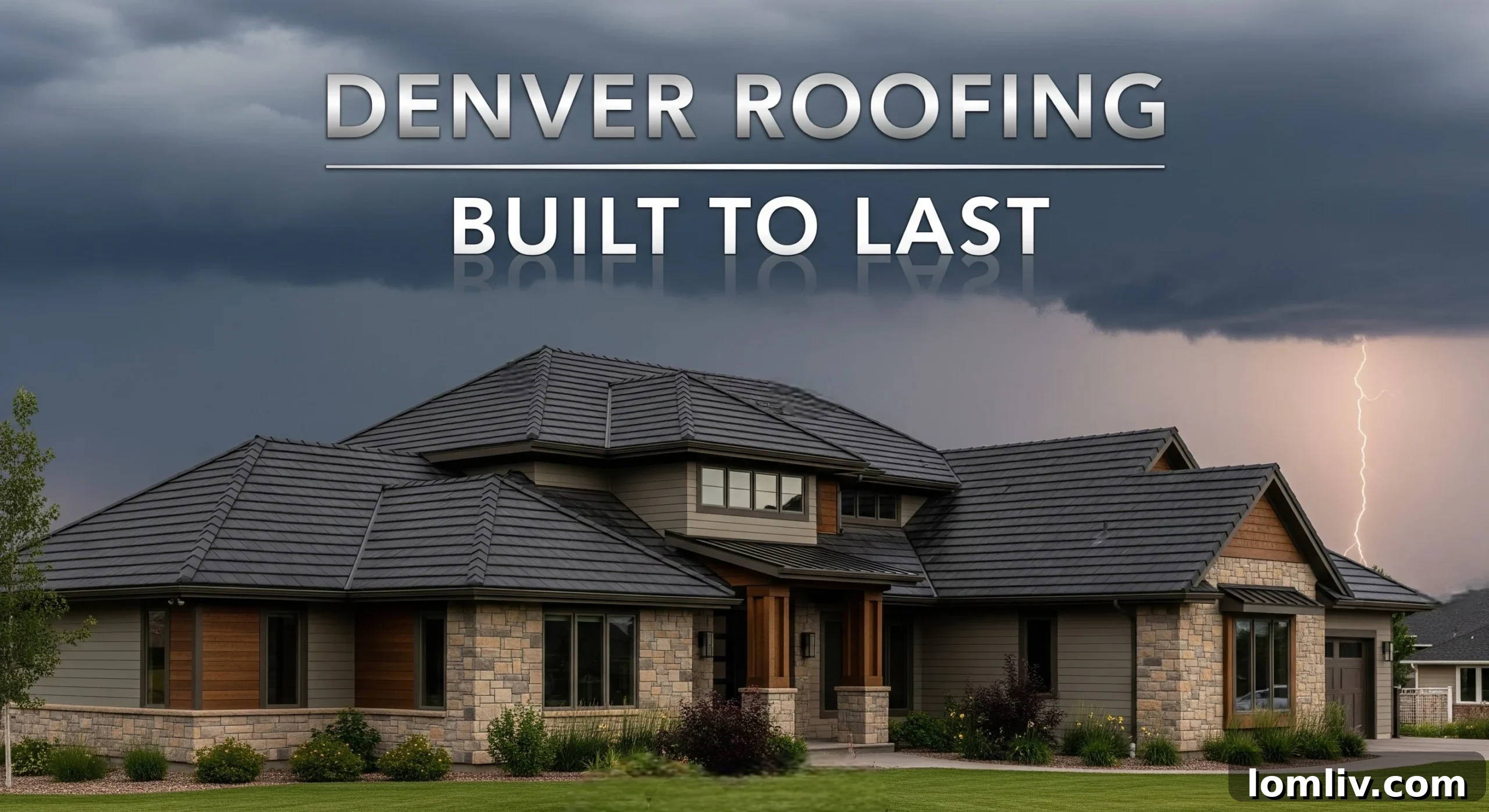
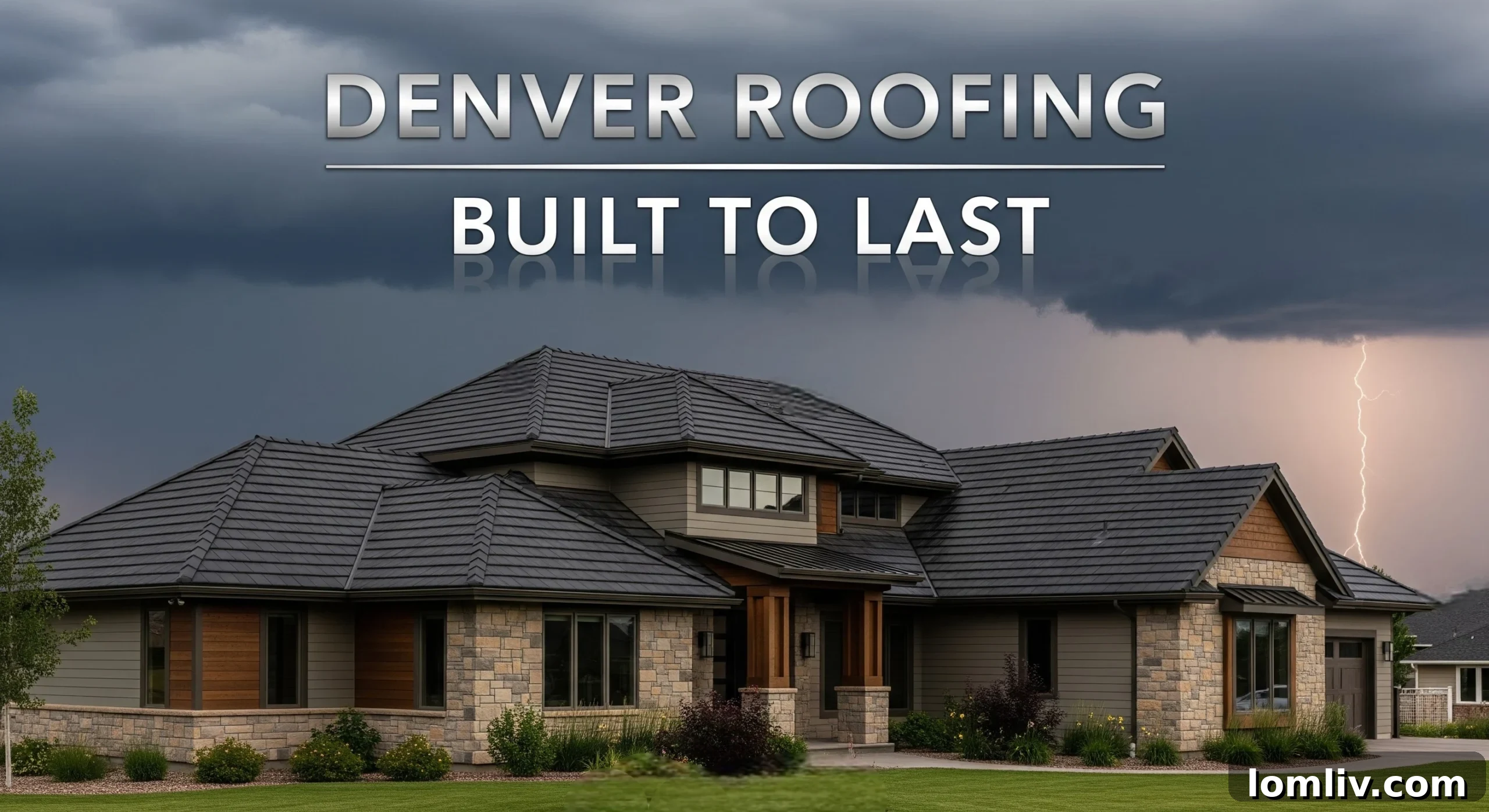
This critical distinction becomes evident when observing real-world examples. For instance, roofing solutions in Denver are typically engineered to withstand the challenges of heavy snowfall, persistent ice dams, and the constant freeze-thaw cycles characteristic of mountainous regions. In stark contrast, homes in Dallas require roofs designed to endure blistering summer heat, intense UV radiation, and the frequent, sudden hailstorms that are a common occurrence in the area.
Every shrewd homeowner understands the imperative of factoring in their specific local weather patterns when making roofing decisions. This foresight is crucial for ensuring the roof’s durability and maintaining the home’s integrity for many years. This comprehensive article will delve into three fundamental roofing lessons profoundly shaped by the realities of weather. By diligently applying these insights, homeowners can proactively prevent unexpected damage, avoid costly emergency repairs, and safeguard their investment.
Durable Materials: Your Essential First Line of Defense Against Harsh Weather
The marketplace offers a vast array of roofing materials, but they are far from being created equal. Selecting the wrong material for your geographic location can drastically shorten your roof’s lifespan, especially when subjected to challenging weather conditions. Consider, for example, delicate wood shingles attempting to survive the scorching Texas sun – they would likely warp, crack, and crumble prematurely. Similarly, low-grade, thin roof membranes are ill-equipped to withstand the sudden, violent impact of an unexpected hailstorm, leading to immediate vulnerabilities.
Beyond simply considering curb appeal, it is paramount to choose a roofing material that is inherently well-adapted to the prevailing weather conditions of your residence. The financial impact of neglecting this can be staggering. In the U.S. alone, roof repair and replacement costs reached an astonishing $31 billion in 2024, predominantly due to damage from wind and hail. This figure serves as a potent reminder of how profoundly weather influences both the physical state of our roofs and the financial health of homeowners.
Understanding Material Resilience Across Climates
Let’s explore some of the most reliable and widely used roofing materials, evaluating their suitability for various climatic challenges:
- Asphalt Shingles: Often celebrated as the dependable workhorse of the roofing world, asphalt shingles are widely chosen for their affordability, robust nature, and diverse aesthetic options. As noted by Integrity Pro Roofing, they offer a great balance. However, their performance varies significantly with quality. Opting for a higher-grade, often thicker, architectural shingle is crucial, particularly in regions prone to intense heat, as lower-quality shingles are notorious for curling, cracking, and losing granules under prolonged sun exposure. Modern asphalt shingles are also available with enhanced impact resistance (Class 4), making them a smarter choice for hail-prone areas. Their granular surface also provides a degree of UV protection, but this can degrade over time.
- Metal Roofing: Undoubtedly one of the toughest and most aesthetically striking options, metal roofing is rapidly gaining popularity. Its inherent ability to reflect solar radiation makes it exceptionally efficient in hot climates, contributing to significant energy savings and outstanding longevity. Metal roofs are also incredibly durable against hail, wind (when properly installed), and fire. While the initial investment can be higher than asphalt, its extended lifespan and minimal maintenance requirements often result in a lower lifetime cost. Furthermore, newer coating technologies and standing seam designs prevent rust and ensure watertight integrity, even in areas with heavy rainfall or snow loads.
- Tile and Slate: These materials represent the pinnacle of elegance and heat resistance. Both tile (clay or concrete) and natural slate offer superb durability, exceptional longevity (often lasting a century or more), and excellent thermal mass properties, which help regulate indoor temperatures. However, their heavy weight necessitates a strong roof structure, and proper, meticulous installation is absolutely critical to prevent cracking under the stress of hail, strong winds, or seismic activity. While highly resistant to fire and rot, individual tiles or slates can be brittle, requiring careful handling and repair.
- Synthetic/Composite Roofing: An increasingly popular alternative, synthetic roofing materials are engineered to mimic the look of natural slate or wood shakes while offering superior performance characteristics. Often made from recycled plastics and rubber, these materials are highly resistant to impact (hail), fire, rot, and UV degradation. They are typically lighter than traditional tile or slate, easier to install, and come with impressive warranties. Their consistent performance across a wide range of climates makes them a versatile and durable choice for homeowners seeking longevity and low maintenance.
The overarching lesson here is clear: the suitability of a roofing material is dictated far more by the local climate than by fleeting popularity or trends. A homeowner in a cooler, temperate region might delight in the timeless elegance of a natural slate roof without significant weather concerns. Conversely, in areas characterized by extreme heat, frequent hailstorms, or high winds, a high-grade metal or impact-resistant synthetic roof becomes not just a smart pick, but a necessary one for long-term protection and peace of mind.
Without Regular Maintenance, Your Roof Won’t Last: A Proactive Approach to Longevity
Once you’ve made the critical decision of selecting the most appropriate roofing materials for your home, the journey doesn’t end there. The subsequent and equally vital step is to commit to a regimen of diligent and consistent maintenance. Even the most robust and high-quality materials are, to some degree, susceptible to the relentless assaults of heat, hail, wind, and rain. A neglected roof is a ticking time bomb, inevitably beginning to show signs of wear and tear, from subtly curled shingles and granular loss to hairline cracks and loose flashing. These seemingly minor issues will, without intervention, progressively worsen, culminating in significant damage that leaves costly, large-scale repairs as the only viable option.
Consider the typical scorching summer along the Gulf Coast, where prolonged stretches of intense heat can cause asphalt shingles to blister, warp, and shed their protective granules, exposing the underlying layers to further degradation. Similarly, even infrequent hailstorms, though seemingly minor, can leave imperceptible dents, compromise the integrity of protective coatings, or dislodge granules, creating vulnerable spots. A homeowner who fails to address these emerging issues early risks facing thousands of dollars in extensive repairs or even full roof replacement down the line, an expense that could have been mitigated with timely attention.
Essential Roof Maintenance Strategies for Every Homeowner
Adopting a few practical and easily implementable roof maintenance strategies will significantly extend your roof’s life and give you little to fear from the elements. Keep the following tips at the forefront of your home care routine:
- Seasonal Inspections: Make it a habit to inspect your roof thoroughly after periods of extreme weather, such as intense heat waves, heavy snowfall, strong winds, or hailstorms. Look for signs of damage like missing, cracked, or curled shingles; loose flashing around chimneys and vents; and any debris accumulation. While DIY visual checks from the ground are helpful, consider investing in a professional roof inspection at least once every six months, or annually. Certified professionals possess the expertise to identify subtle issues that might escape an untrained eye and can assess the structural integrity of your entire roofing system.
- Gutter and Downspout Cleaning: This seemingly minor task is profoundly important. Periodically cleaning gutters and downspouts prevents water from backing up, which can cause significant damage to your roof’s edge, fascia boards, soffits, and even foundation. Clogged gutters can lead to wood rot, ice dam formation in colder climates, and water infiltration into your attic or walls, creating fertile ground for mold growth. Ensure downspouts direct water away from the foundation.
- Attic and Ventilation Checks: Frequently inspect your attic for signs of leaks, moisture, mold, or mildew. Proper attic ventilation is critical; it allows hot, humid air to escape during summer, reducing heat buildup that can prematurely age shingles and increase cooling costs. In winter, good ventilation prevents moisture accumulation that can lead to wood rot and insulation damage. Ensure vents are clear and unobstructed.
- Prompt Minor Repairs: Never ignore small cracks, dents, loose fasteners, or minor leaks. These seemingly insignificant issues are often precursors to much larger, more expensive problems. Addressing them immediately with targeted repairs can prevent water intrusion, structural damage, and the rapid deterioration of your roofing system. Timely intervention is always more cost-effective than delaying until a crisis erupts.
- Trim Overhanging Branches: Trees are beautiful but can be a roof’s enemy. Overhanging branches can scrape against shingles in the wind, leading to abrasion and granule loss. Falling branches during storms can cause severe damage. Trim trees regularly to maintain a safe distance from your roof.
The beauty of these maintenance tips is their accessibility and relative ease of implementation. A small investment of time and consistent care will yield substantial returns, dramatically extending your roof’s life and protecting your entire home, as the roof functions as your property’s primary defense against the relentless forces of nature.
Preparation Turns Weather Risks Into Manageable Challenges: Building a Resilient Roof System
Even with the most meticulously chosen materials and a rigorous maintenance schedule, your home’s roof remains inherently vulnerable to nature’s unpredictable curveballs at various points throughout the year. The United States, in particular, is no stranger to the escalating frequency and intensity of severe weather events. In 2024 alone, the country experienced 27 separate climate disasters, each resulting in a minimum loss of $1 billion, collectively contributing to an astounding total of roughly $182.7 billion in damages. This trend underscores a stark reality for most homeowners: severe weather is no longer an anomaly but an expected, recurring annual pattern.
Therefore, alongside regular roof maintenance, it is absolutely essential to proactively prepare for potential extreme weather events. This preparedness isn’t about preventing storms; it’s about minimizing their impact and facilitating a swift, efficient recovery. A truly dynamic roof protection plan encompasses foresight, documentation, and pre-established support networks.
Crafting a Comprehensive Roof Protection Plan
Let’s outline what a robust and dynamic roof protection plan should entail:
- Create a Detailed Action Plan: Before a severe weather event strikes, develop a clear, step-by-step action plan. This should include immediate steps to take during and after a storm to prevent secondary damage, such as turning off power if water intrusion is suspected, relocating valuables, and securing temporary coverings. It should also detail who to call (emergency services, insurance company, trusted roofer) and what information they will need.
- Document Your Roof’s Condition in Advance: Before any major storm season, take clear, date-stamped photographs and videos of your roof from multiple angles. Document its current condition, noting any existing minor wear or pristine areas. These records are invaluable; they help streamline insurance claims by providing irrefutable evidence of pre-storm condition and aid damage assessors in differentiating new damage from old. Store these documents securely, perhaps in a cloud-based service.
- Identify and Address Weak Spots Proactively: Conduct a thorough assessment (or hire a professional) to pinpoint any areas of your roof that are inherently more vulnerable to specific types of weather. This might include older sections, areas with loose flashing, damaged vents, or skylights. Knowing these weak points in advance allows for targeted reinforcements or repairs before a storm, making for faster and more specific actions during or after an event.
- Have Temporary Protection Ready: Maintain a supply of emergency materials such as heavy-duty tarps, plywood, and roofing cement. These materials can provide crucial temporary protection against further water intrusion or wind damage immediately after an event, reducing exposure until professional, permanent repairs can be scheduled and completed. Ensure you know how to safely and effectively deploy these materials.
- Establish Professional Contacts Early On: Do not wait until an emergency to search for a reputable roofing contractor or emergency service provider. Research and line up reliable support beforehand. Have their contact information readily available. This proactive step helps you avoid making hasty, ill-informed decisions during the stress of an emergency, when demand for services can surge and less scrupulous operators might emerge.
- Understand Your Insurance Policy: Review your homeowner’s insurance policy annually. Understand exactly what types of weather-related roof damage are covered, what your deductible is, and what documentation is required for a claim. Some policies have specific exclusions or different deductibles for wind and hail damage.
The lesson conveyed here is unequivocally straightforward: consistent maintenance is vital for preserving your roof’s condition, while strategic preparation is essential for protecting it from the unforeseen. Planning ahead of time is not merely a recommendation; it is the only truly effective way to transform potentially devastating weather risks into manageable challenges, safeguarding your home and your financial well-being.
From the discussions above, it becomes strikingly clear that perhaps the most expensive and detrimental roofing mistake a homeowner can make is assuming that everything will always proceed as planned, without incident. Savvy, smart homeowners never relegate their home’s roof to a mere background feature. To them, it is recognized as a silent, vigilant layer of protection, an essential guardian that diligently works around the clock, year after year, shielding their most valuable asset.
Given the increasingly unpredictable and extreme weather patterns we observe in our modern era, a well-maintained and proactively prepared roof is no longer a luxury but a serious, competitive advantage. While the tasks of ongoing upkeep and meticulous preparation may seldom be glamorous, they are the unsung heroes. These proactive measures are precisely what keep minor inconveniences, small leaks, or slight cosmetic damages from spiraling into a full-blown crisis, ensuring the long-term safety, comfort, and value of your cherished home.