Navigating the Return: Understanding Boomerang Kids and Preventing Family Conflict
The phenomenon of “boomerang kids” — adult children returning to live with their parents — has become increasingly common in recent decades. While often driven by economic realities like student debt, high housing costs, and a challenging job market, this arrangement, though seemingly a solution, can sometimes introduce unexpected complexities and stresses into family dynamics. What might begin as a mutually beneficial setup can, without clear boundaries and open communication, devolve into significant conflict. Indeed, some adult children might find roommates a more suitable arrangement than the potential friction of living under their parents’ roof, especially when house rules become a point of contention. What starts as a discussion about shared living conditions can, in extreme cases, escalate into situations far more serious than mere disagreement.
The Royalton Drive Standoff: A Stark Reminder of Escalating Conflict
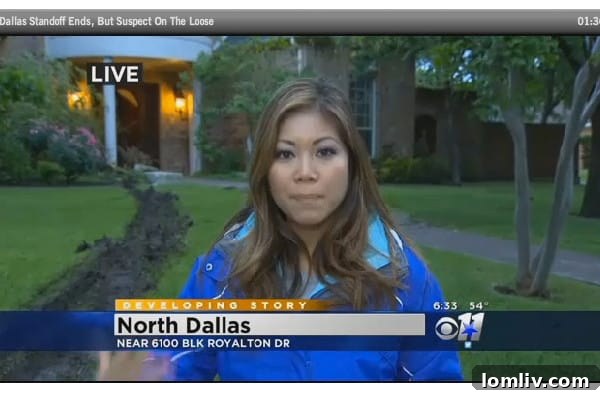
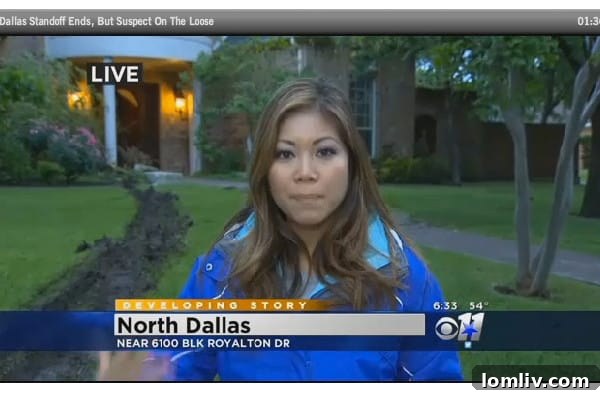
A disturbing incident in North Dallas serves as a potent, albeit extreme, illustration of how easily these familial discussions can spiral out of control. In a scenario that underscores the critical importance of establishing clear expectations and fostering healthy communication, a routine conversation about house rules tragically escalated into a perilous standoff. A 25-year-old man, reportedly discussing the conditions of his return to his parents’ Royalton Drive home, became irate and allegedly pulled a gun on his mother, father, and 21-year-old brother. This shocking turn of events highlights the fragile nature of these family living arrangements when trust and mutual respect are compromised.
According to the Dallas Morning News, the terrifying ordeal began:
A six-hour police standoff began Tuesday night when a 25-year-old man pulled a gun on his family after he was told he would have to follow certain rules if he moved back into his parents’ house, according to police reports.
The man started yelling at his parents and pulled out a handgun after they told him the rules he would have to follow. His 21-year-old brother stood between the man and their parents, police said.
The brother and both parents were able to flee the house and called police from a nearby Starbucks at the corner of Preston Road and Royal Lane. The man fled the home before police arrived, but officers believed he remained barricaded inside.
This incident is a sobering reminder that while the initial intention of supporting adult children is noble, the potential for deeply rooted issues and anger to surface demands careful consideration and proactive measures. The courage of the 21-year-old brother, stepping between his agitated sibling and their parents, likely averted a greater tragedy and allowed his parents to escape. The subsequent six-hour police standoff, though ending with the suspect’s flight before law enforcement’s entry, undoubtedly cast a shadow of fear and uncertainty over the entire family and the peaceful Preston and Royal neighborhood.
The Boomerang Generation: A Growing Societal Trend
The “boomerang kid” phenomenon is more than just a passing trend; it reflects significant shifts in economic and social landscapes. Globally, young adults face unique challenges that make independent living increasingly difficult. Graduating with substantial student loan debt, entering a competitive job market, and confronting skyrocketing housing costs often make the prospect of self-sufficiency daunting. Returning to the comfort and financial stability of the parental home can seem like the only viable option for many. While it offers immediate financial relief and a familiar support system, this arrangement is rarely without its complexities.
Understanding the Dynamics and Challenges
- Financial Strain: While adult children save on rent, parents might face increased household expenses, potentially impacting their retirement savings or lifestyle.
- Loss of Independence: For adult children, returning home can feel like a step backward, leading to a sense of lost autonomy or being infantilized.
- Privacy and Space: Both generations experience a significant reduction in personal space and privacy, which can easily lead to friction.
- Clash of Lifestyles: Adult children often live by different routines and standards than their parents, regarding everything from cleanliness and noise levels to social habits and guests.
- Regressed Roles: Parents might unconsciously revert to a parenting role, while adult children might struggle to maintain their adult identity under the familiar family structure.
Establishing Harmony: The Crucial Role of House Rules and Boundaries
Preventing conflict in multi-generational households hinges on one fundamental principle: clear, open, and honest communication, ideally before the move-in occurs. Establishing a comprehensive agreement on house rules and expectations is paramount. This isn’t about setting arbitrary restrictions but about defining a framework that ensures mutual respect, contributes to household harmony, and supports the adult child’s journey towards independence.
Key Areas for Discussion and Agreement:
- Financial Contributions: Discuss rent, contributions to utilities, groceries, or other household expenses. Even a token amount can foster a sense of responsibility.
- Household Chores: Clearly define responsibilities for cleaning, cooking, yard work, and other household tasks. A chore chart or rotation can be beneficial.
- Guests and Privacy: Establish guidelines for visitors, including frequency, duration, and respect for others’ privacy.
- Curfew and Lifestyle: While adult children are independent, respect for the household’s routine and quiet hours should be discussed.
- Communication Style: Agree on how conflicts will be addressed and resolved, emphasizing respectful dialogue over confrontation.
- Exit Strategy: Discuss a realistic timeline and plan for the adult child to move out again, including saving goals and job search efforts.
These conversations should be approached with empathy and understanding from both sides. Parents should aim to support their adult child’s growth, while adult children should respect their parents’ home and generosity. The goal is to create a living arrangement that is supportive, respectful, and ultimately temporary, helping the adult child transition successfully to full independence.
When Conflict Escalates: Recognizing Warning Signs and Seeking Help
The Royalton Drive incident is a chilling reminder of how quickly disagreements can escalate when underlying issues like anger management, mental health challenges, or a profound lack of respect are present. It emphasizes the critical need for families to recognize warning signs and seek appropriate help before situations become dangerous. Unresolved anger, resentment, or a feeling of being trapped can manifest in explosive ways, posing a risk to everyone involved.
Signs That Professional Intervention May Be Needed:
- Frequent, Intense Arguments: If arguments become a regular occurrence, are verbally abusive, or involve threats.
- Emotional Withdrawal: A complete breakdown in communication where family members avoid each other.
- Aggressive Behavior: Any signs of physical aggression, property damage, or intimidating behavior.
- Mental Health Concerns: If an adult child displays symptoms of depression, anxiety, substance abuse, or other mental health issues that impact their behavior.
- Lack of Resolution: If the family is unable to resolve conflicts constructively, and resentment builds.
In such cases, family counseling or individual therapy for the adult child can provide invaluable tools for communication, anger management, and addressing underlying psychological issues. Professional intervention can offer a safe space to discuss difficult topics and learn healthier coping mechanisms, potentially preventing a tragic escalation.
Prioritizing Safety: Protecting Your Home and Family
While the Royalton Drive incident is an extreme scenario, it serves as a stark warning about the importance of home security and personal safety. Living with an individual who exhibits volatile behavior or aggression demands heightened vigilance. For residents in the Preston and Royal area, and indeed anywhere, ensuring one’s home is secure is a fundamental aspect of peace of mind.
Essential Safety Measures:
- Robust Alarm Systems: A professionally monitored home security system can deter intruders and alert authorities in emergencies.
- Secure Entry Points: Ensure all doors and windows have strong locks. Reinforce entry points with deadbolts and security bars if necessary.
- Emergency Plan: Discuss and practice an emergency exit strategy with all family members. Know who to call and where to go if a situation becomes dangerous.
- Awareness of Surroundings: Be mindful of local crime trends and take precautions to protect your property and personal safety.
- Trust Your Instincts: If a situation feels unsafe within the home, prioritize your safety and remove yourself from the environment. Do not hesitate to contact emergency services if you feel threatened.
Ultimately, a home should be a sanctuary. When that sense of security is compromised, whether by external threats or internal conflict, immediate and decisive action to restore safety and stability is paramount.
Beyond the Headlines: The Lasting Impact on Families and Communities
Incidents like the Royalton Drive standoff leave an indelible mark, not just on the immediate family but also on the wider community. For the family involved, the trauma of such an event can have long-lasting psychological effects, impacting trust, security, and future relationships. The emotional toll of a loved one’s violent outburst, particularly when a weapon is involved, is profound and can require extensive healing and support.
In the community, such events can heighten anxieties and raise awareness about domestic issues. Local news reports, while informing the public, also underscore the unpredictable nature of human behavior and the critical role of law enforcement. For neighbors in areas like Preston and Royal, an incident involving a police standoff and a fleeing suspect can disrupt their sense of safety and require a re-evaluation of personal and home security measures. It reinforces the idea that domestic disputes, while often private, can spill over and affect public safety.
Conclusion: Fostering Understanding and Prioritizing Safety in Shared Living
The journey of “boomerang kids” and their families is a complex tapestry woven with threads of love, support, independence, and sometimes, unforeseen challenges. While returning home can be a valuable opportunity for adult children to get back on their feet, it requires a foundation of clear communication, mutual respect, and well-defined boundaries. The tragic escalation witnessed on Royalton Drive serves as a stark and harrowing reminder of the potential dangers when these foundations are absent or when underlying issues lead to an inability to manage conflict peacefully.
Families navigating this living arrangement must prioritize open dialogue, establish clear expectations, and be vigilant for any signs of escalating tension or aggressive behavior. Seeking professional guidance from counselors or therapists can be an invaluable step in mediating disputes and addressing deeper psychological concerns before they manifest in dangerous ways. Furthermore, maintaining a strong awareness of home security and personal safety measures is crucial for everyone’s well-being. By fostering an environment of understanding, proactively addressing potential conflicts, and never hesitating to prioritize safety, families can hope to successfully navigate the challenges of multi-generational living and ensure their homes remain places of refuge and support, not sources of fear.