Navigating Urban Growth: Lessons from San Francisco for Dallas’s Housing Future
In the dynamic landscape of urban development, moments of serendipity often reveal profound truths about shared challenges. Such was the case recently when a compelling commentary by Robert Wilonsky of the Dallas Morning News highlighted the slow, often indecisive pace of the Preston Center Task Force in tackling local development issues. Wilonsky aptly described their approach as wielding “butter knives versus machetes” when confronting the pressing need for change. Coincidentally, almost simultaneously, the San Francisco Bay Area Council released a comprehensive report based on a poll of its residents, illuminating similar struggles on the opposite coast. The striking parallels between these two distinct metropolitan areas underscore a universal dilemma in urban planning and housing, offering invaluable insights for cities like Dallas on the cusp of significant transformation.
Both regions, despite their geographical and economic differences, find themselves grappling with a severe shortage of residential units. The San Francisco Bay Area, a global tech hub, faces exorbitant housing costs primarily driven by its booming technology sector, effectively pricing out anyone not holding a senior executive position or benefiting from an IPO windfall. In stark contrast, Dallas’s housing deficit is fueled by relentless population growth, a trend projected to continue for the foreseeable future. Underlying these specific regional drivers is a broader national issue: the lingering impact of construction freezes during the recent recession, which left countless cities nationwide tens of thousands of homes short, creating a cumulative housing crisis that continues to escalate.
Dallas’s Advantage and the Scarcity of Space
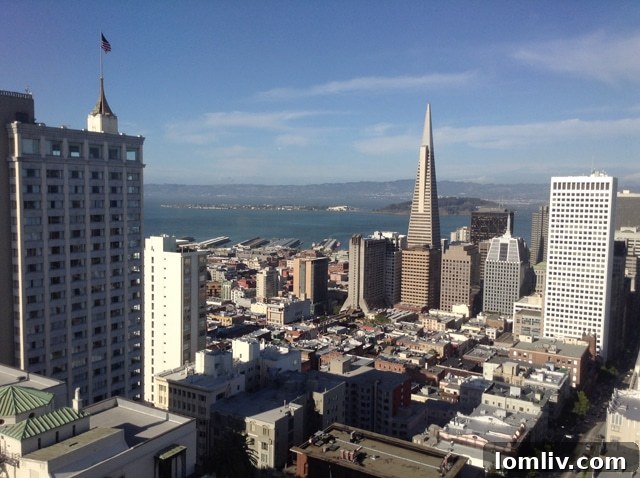
While both cities face a housing crunch, Dallas arguably holds a significant advantage over Silicon Valley due to its expansive physical space. The Bay Area’s geography is famously constrained, a finger of land tightly bracketed by water and mountains, leaving minimal room for outward expansion. This severe limitation has led to unprecedented proposals for improving regional connectivity and housing solutions. The Bay Area Council’s report, for instance, delves into support for enhanced public transit for commuters traveling between Sacramento and the Valley, a distance comparable to Dallas seeking commuter ties to Waco. This analogy vividly illustrates the extreme lengths to which the Bay Area must go to accommodate its population, a reality highlighted by a long-standing jest from the author’s time living there nearly two decades ago: the suggestion to “bulldoze the mountains and fill in San Francisco Bay for housing.” What was once a humorous exaggeration now feels increasingly like a desperate aspiration in the face of ever-tightening urban confines.
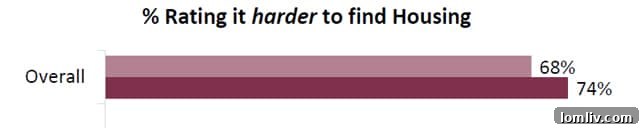
Revisiting the present, the Bay Area poll’s findings on housing availability are hardly surprising. When residents were asked whether finding housing had become more difficult this year compared to the last, an overwhelming majority confirmed the escalating challenge. This sentiment is a direct consequence of soaring demand and stagnant supply. An even more insightful layer of analysis would involve mapping household income against the perceived difficulty in securing housing. Logic dictates that higher incomes generally correlate with fewer housing challenges, a truth applicable to many facets of life. This raises a pertinent question for the Dallas-Fort Worth Metroplex: How many prospective homebuyers or renters would assert that finding affordable housing has become more challenging this year than last, especially as our population continues its robust upward trajectory?
The Pervasive Challenge of NIMBYism in Urban Development
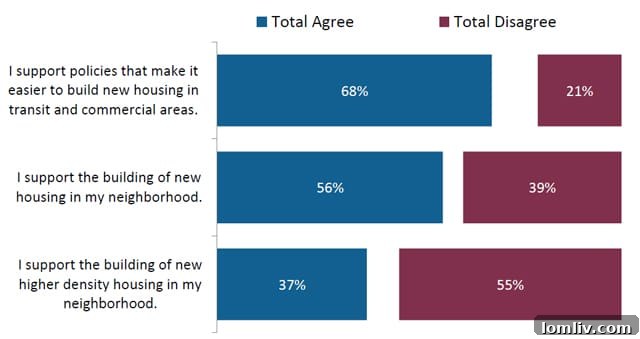
One of the most significant impediments to addressing housing shortages, both in San Francisco and in burgeoning areas like Dallas’s Preston Center, is the enduring “Not In My Backyard” (NIMBY) phenomenon. The poll data powerfully illustrates this paradox: residents express a desire for more housing to alleviate commuting times and improve overall affordability, yet this support often evaporates when proposed developments are slated for their immediate neighborhood, particularly if they involve multi-family dwellings or increased density. This sentiment is a familiar trope across urban and suburban landscapes globally: development is deemed necessary, but always “over there,” far from one’s own property line.
In Dallas, which is still in the nascent stages of building dense housing near its DART rail lines, the results of a similar poll would likely mirror those from the Bay Area. The conflict over increased density is palpable, as evidenced by local battles such as the Transwestern/Laurel apartment war, which vividly demonstrated that adding residential density, particularly behind established areas like the “Pink Wall,” will inevitably spark vigorous opposition. The readiness of residents to mobilize with petitions to halt developments, even on high-profile properties belonging to figures like Mark Cuban or institutions like St. Michael’s, underscores the deep-seated resistance to change and perceived threats to neighborhood character or property values.
Generational Divides in Supporting New Construction
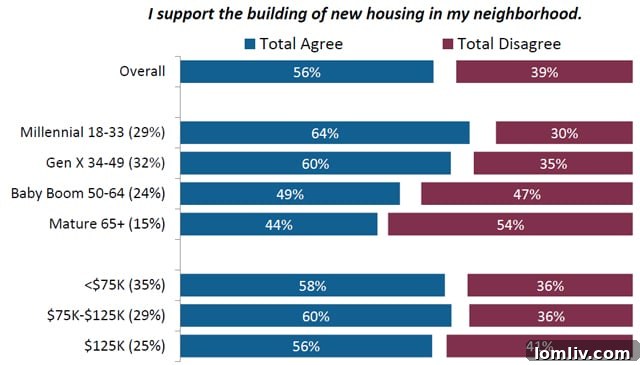
The Bay Area Council’s report further illuminated a significant generational divide in attitudes towards new construction. Younger residents consistently show the strongest support for new developments in their neighborhoods, marking the beginning of a linear progression of disapproval that intensifies with age. This pattern is not arbitrary but deeply rooted in differing life stages, financial realities, and perceptions of community. Older individuals, often long-term homeowners, typically entered the property market when prices were substantially lower, accumulating significant equity over decades. This financial stability makes them less directly impacted by current housing costs and more inclined to prioritize the preservation of their existing quality of life, neighborhood aesthetics, and property values, which they fear new development could disrupt. Many reside in established, wealthier neighborhoods, viewing increased density as a personal threat rather than a collective solution. This sentiment strongly resonates with the prevailing attitudes often observed in affluent areas such as Dallas’s Preston Center, where preserving the status quo often outweighs the broader need for housing expansion.
Conversely, younger generations tend to possess less accumulated equity and savings, often finding themselves priced out of established markets or requiring multiple incomes and roommates to afford housing. Their lived experience is one of scarcity and high cost, making them far more receptive to, and indeed dependent upon, additional local housing in the hopes of improved affordability and accessibility. However, the narrative is more nuanced than a simple economic divide. While income certainly plays a role, the poll data revealed only a modest 4 percent difference in support for new construction between the Bay Area’s “poorest” and wealthiest demographic groups. It is crucial to note that “poor” in the Bay Area context often refers to individuals earning under $75,000 annually, a figure that for many other regions, including parts of Dallas, might represent a comfortable middle income. This slight delta suggests that while financial circumstances are influential, other factors are at play. Perhaps younger individuals, by virtue of their life stage, are inherently more adaptable and open to change for the greater communal good, embodying a degree of altruism and empathy that some might argue diminishes with age. It prompts an intriguing question: Do younger generations of Texans share this same progressive sentiment towards urban development?
The Alarming Disparity: Renters Bear the Brunt of Housing Costs
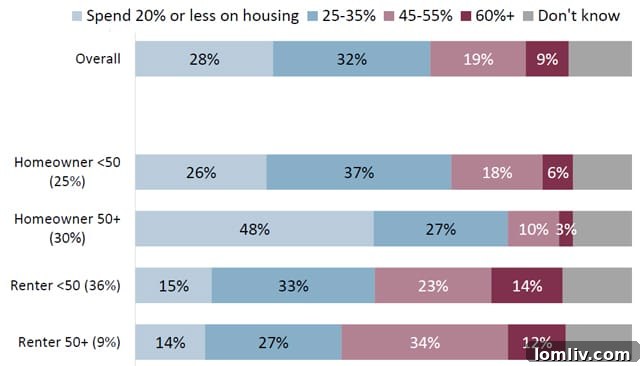
Approaching the issue from the perspective of housing cost burden reveals an even starker disparity, reinforcing the trends observed through generational and income lenses. The data indicates that homeowners over 50 years old are twice as likely to spend less than 20 percent of their income on housing compared to individuals under 50. This strongly supports the idea that older homeowners, having navigated the property ladder for a longer duration and potentially benefiting from appreciating assets and higher salaries in their peak earning years, are significantly less impacted by escalating housing prices. Their opinions and resistance to new development are, therefore, informed by a vested interest in maintaining their current, financially advantageous position.
The truly telling and deeply concerning statistic, however, lies with renters. A mere 14-15 percent of renters in the Bay Area spend under 20 percent of their income on housing, highlighting an alarming level of housing insecurity and financial strain. At the other end of the spectrum, the percentage of renters dedicating over 60 percent of their salary to housing ranges from 12-14 percent, a figure that is 2.3 to 4 times higher than that for homeowners (3-6 percent). This severe cost burden transforms renting into a financially precarious proposition, making it incredibly challenging for tenants to save for a down payment, pursue higher education, or invest in their future. The Bay Area’s plight serves as a cautionary tale. While Dallas’s salaries may generally be lower, the rapid escalation of apartment prices in recent years suggests a similar trajectory. An apartment that cost a certain amount just a few years ago might have seen its rent jump by a third or more, effectively mirroring the Bay Area’s challenges and placing immense pressure on Dallas’s growing renter population.
The Crystal Ball: Preventing Brain Drain and Ensuring Economic Vitality
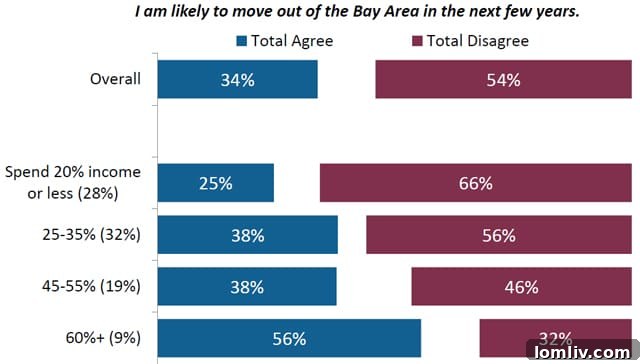
Why should the issues of urban development and the escalating cost of living in Dallas be a pressing concern? After all, the Metroplex’s expenses, while rising, have not yet reached the dizzying heights of the Bay Area. The answer lies in foresight and economic sustainability. This study from San Francisco functions as a critical crystal ball for Dallas. If the city fails to get these housing and development issues under control, it risks not only deterring new residents and businesses but also prompting its current inhabitants to seek more affordable pastures. Dallas has been remarkably successful in recent years in attracting corporate headquarters, many of them relocating from California, specifically to escape the prohibitively high operational and living costs. This trend, however, could easily reverse if Dallas itself succumbs to similar pressures.
The implications are clear: if areas like Preston Center, and Dallas as a whole, cannot devise effective strategies to facilitate additional housing development and manage affordability, they may find a significant portion of their own residents, perhaps even a third, contemplating a move elsewhere. The graphics derived from a survey conducted 1,800 miles away perfectly encapsulate why the Preston Center Task Force, despite the urgency of the situation, continues to employ “butter knives” instead of decisive “machetes.” Their primary constituencies, often older and wealthier, are inherently less inclined to support transformative, “machete-like” changes that might disrupt their established quality of life or property values in their literal and figurative backyards. For many of these residents, surrounded by the existing comforts and amenities of Preston Center, the desire is not for drastic change but merely to spread a little more “butter” on their already satisfying “bread.”
Embracing Proactive Urban Planning for a Resilient Dallas
The parallels between San Francisco and Dallas serve as a potent reminder that urban growth, while desirable, comes with complex challenges that demand proactive and courageous leadership. Ignoring the escalating housing crisis, fueled by population influx and constrained supply, will inevitably lead to diminished economic vitality, increased social inequality, and a potential exodus of talent. Dallas has an opportunity to learn from the Bay Area’s struggles and adopt forward-thinking strategies that prioritize sustainable development, diverse housing options, and robust infrastructure. This requires moving beyond incremental adjustments and embracing bold solutions – the “machetes” – that address the root causes of housing unaffordability and community resistance. Engaging diverse stakeholders, fostering open dialogue, and implementing policies that balance preservation with progress are crucial steps towards ensuring Dallas remains a vibrant, accessible, and economically competitive city for all its residents, both current and future.
Engage With Us: Share Your Story!
Do you have a compelling HOA story to share, perhaps an intriguing piece of high-rise history in Dallas? Realtors, we invite you to feature a listing – whether it’s a property ripe for renovation or one that has been transformed with remarkable success. Perhaps you’re interested in hosting a Candy’s Dirt Staff Meeting? Even unique proposals are welcome (they’re legal, after all!). Reach out to Jon via email at [email protected]. We look forward to hearing from you!