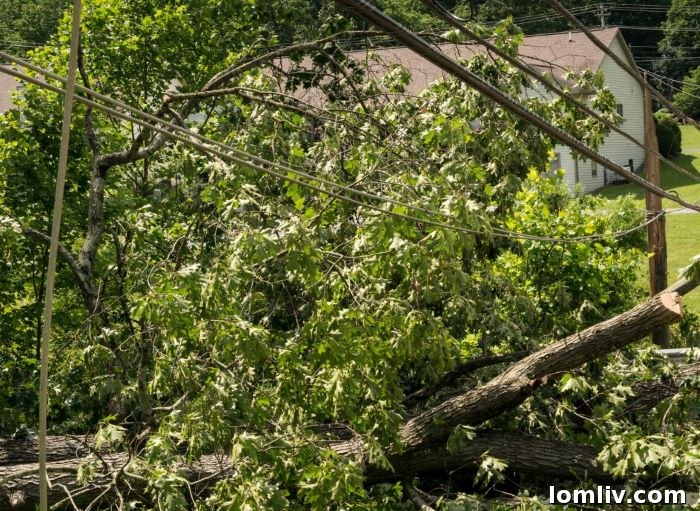
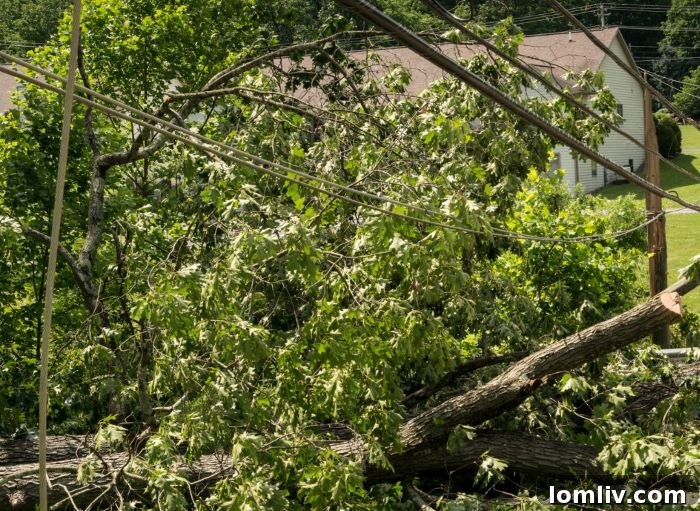
The electrical system is undeniably one of the most critical and complex components of any home, deserving particular attention not only during the home buying process but also throughout your ownership. As a responsible homeowner, safeguarding your investment means understanding and maintaining this vital infrastructure. While some signs of electrical issues can be subtle and easily overlooked by the untrained eye, others present clear and immediate dangers that demand prompt action. Regardless of severity, electricity is a force that should never be trifled with; a seemingly minor problem can rapidly escalate into a catastrophic situation, including fires, electrocution, or extensive property damage, if left unaddressed.
The intricate nature of electrical systems often necessitates the expertise of licensed engineers and electricians. However, observation from home inspectors reveals a common misconception among homeowners: that a quick Google search or a general “can-do” attitude is sufficient for tackling electrical challenges. This oversight can lead to dangerous DIY attempts and costly mistakes. To empower homeowners with essential knowledge, we’ve developed a comprehensive two-part series. This series aims to demystify how electricity safely travels from the utility pole to your home’s main panel, clarify the specific responsibilities of utility companies versus homeowners, and illuminate common problems that can arise along this critical path. Understanding these fundamentals is key to ensuring the safety and efficiency of your home’s power supply.
In this first installment, we will focus on the exterior components of your home’s electrical system, examining everything from the utility pole to the point where power enters your residence. This outside-in approach will help you identify potential hazards and understand the proper channels for addressing them, ensuring peace of mind and protecting your property.
The Utility Pole: Foundation of Your Power Supply
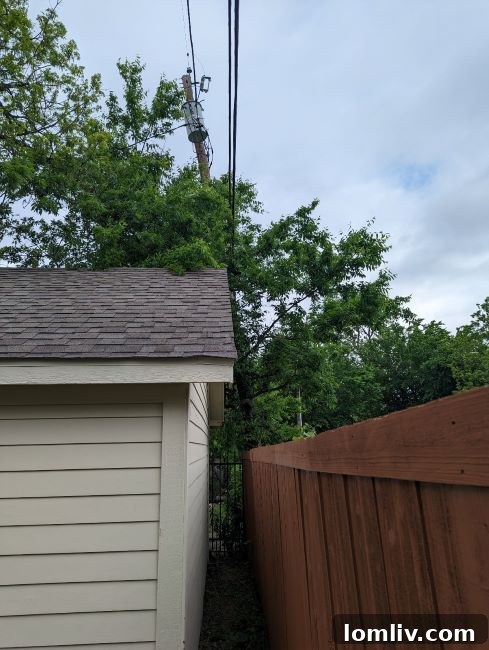
The journey of electricity to your home begins at the utility pole, a robust structure typically owned and maintained by your local power company. These poles are not merely supports for wires; they are integral parts of the electrical grid, often housing transformers that convert high-voltage electricity from main transmission lines into the lower voltages suitable for residential use. A common sight in many neighborhoods, these poles carry an immense responsibility, delivering power reliably to homes and businesses. However, they are also exposed to the elements and various external forces, making them susceptible to damage.
An inspector’s stark comment, “This is my first time calling out a utility pole!” underscores the rarity and severity of certain issues. In the accompanying image, the leaning pole is an obvious cause for concern. While the top of the pole draws immediate attention due to its precarious angle, a closer inspection reveals it’s actually resting against the garage—a clear and present danger. This situation is extremely hazardous, as a damaged or leaning pole can lead to downed power lines, severe structural damage to the property it’s leaning against, or even a widespread power outage affecting an entire neighborhood.
It’s crucial to understand that the utility company holds sole responsibility for the utility pole itself, the transformer mounted upon it (which regulates the electricity supply), and the primary power lines extending away from your house. Therefore, if you observe a leaning pole, damaged wires on the pole, or any other structural issue with this critical infrastructure, the homeowner’s immediate course of action is to contact the utility company directly. Do not attempt to fix or secure it yourself, as this can be incredibly dangerous and potentially fatal.
Given that many regions experience severe weather patterns, such as North Texas’s storm season, community vigilance becomes paramount. If you notice compromised electrical infrastructure—be it wires hanging unusually low or askew, or poles that are leaning precariously or have fallen—it is essential to report these findings immediately to your local utility provider. Prompt reporting not only protects your property but also contributes significantly to the safety of your entire community, preventing potential accidents and ensuring continuity of service.
The Service Drop: The Critical Link to Your Home
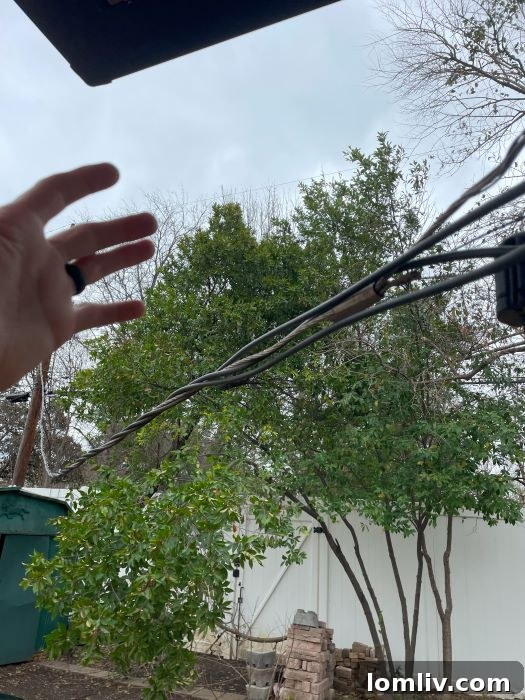
The next vital component in your home’s exterior electrical system is the “service drop,” also known as the electrical service entrance. This refers to the overhead wires that extend from the utility pole directly to your house. This specific point marks a crucial transition: it is where the utility company’s responsibility for the electrical supply typically ends, and the homeowner’s responsibility begins. Understanding this division of labor is fundamental for proper maintenance and addressing potential issues efficiently and safely.
The image provided vividly illustrates both existing electrical problems and potential hazards associated with a poorly maintained service drop. The wires are depicted hanging excessively low to the ground. This poses a significant risk, as a person could inadvertently grab them, walk into them, or they could interfere with vehicles or equipment passing underneath. Such an incident could result in severe injury, electrocution, or even death. Furthermore, the wires are shown hanging dangerously close to a nearby tree. This proximity is a recipe for disaster, especially during a storm. High winds or falling branches could easily snag, pull, or tear these wires free from their connection points. The consequences of such an event range from a simple power interruption to a house fire, or even the complete collapse of the utility pole, potentially causing a widespread power outage affecting the entire block or neighborhood.
To mitigate these risks, it is imperative that the service drop lines are properly secured and maintained according to local electrical codes and safety standards. This task should never be a DIY project. Instead, it requires the expertise of a licensed and qualified electrician. A professional electrician will ensure that the lines are installed at the correct height, maintaining adequate clearance from the ground, buildings, and vegetation. They will also verify the integrity of the wires and their connections, ensuring that the system is not only up to code but also robust enough to withstand environmental stressors. Investing in professional installation and maintenance for your service drop is a critical step in safeguarding your home and family from electrical hazards and ensuring a reliable power supply.
The Drip Loop: Your First Line of Defense Against Water Damage
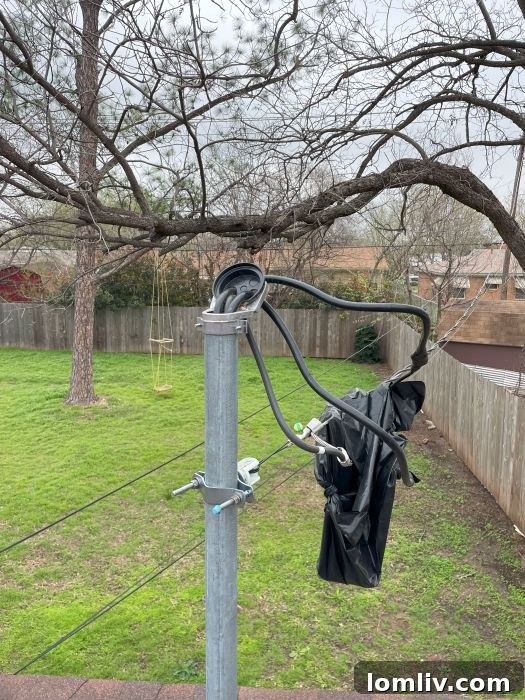
When it comes to electricity, especially outside your home, water is the enemy. This is precisely why the “drip loop” is such a crucial, yet often overlooked, component of your electrical service entrance. The drip loop is the intentional downward-facing curve formed by the insulated wires as they descend from the service drop before entering the service mast and ultimately your home’s electrical system. Its design is elegantly simple yet incredibly effective: gravity directs any rainwater or moisture that accumulates on the wires away from the point of entry, preventing it from tracking into the service mast and potentially causing severe damage or hazardous conditions.
At the lowest point of the drip loop, where the wires begin to ascend into the service mast, there is typically a protective fitting called a service head or “weatherhead” (often topped with a cap). This cap is designed to shield the wires from direct rain, snow, and debris while allowing the wires to feed into the mast. The proper formation of the drip loop, combined with an intact weatherhead, creates a robust defense against water ingress. Without a correctly formed drip loop and a secure cap, water can easily seep into the service mast, leading to internal corrosion, short circuits, and potentially dangerous electrical faults within your home’s wiring and main service panel. These issues can compromise the integrity of your entire electrical system, leading to flickering lights, tripped breakers, and, in severe cases, electrical fires.
The original article included a photo showing a drip loop after a storm where wind had blown a garbage bag into the wires, dislodging the cap. This incident vividly illustrates how external factors can compromise even a properly installed drip loop, emphasizing the need for regular inspections. Such occurrences highlight the dangers of DIY electrical work, as a homeowner might not recognize the subtle signs of a compromised drip loop or understand the specific requirements for its repair. Attempting to fix or modify electrical wiring, especially components exposed to weather, without proper training and tools can lead to tragic consequences, including electrocution, fire, or further damage to the electrical system. Always remember the mantra: “When it comes to electrical work, especially the drip loop, definitely don’t DIY.” Always enlist the services of a qualified, licensed electrician to ensure the safety and longevity of this vital protective feature.
The Service Mast: Connecting External Power to Internal Circuits
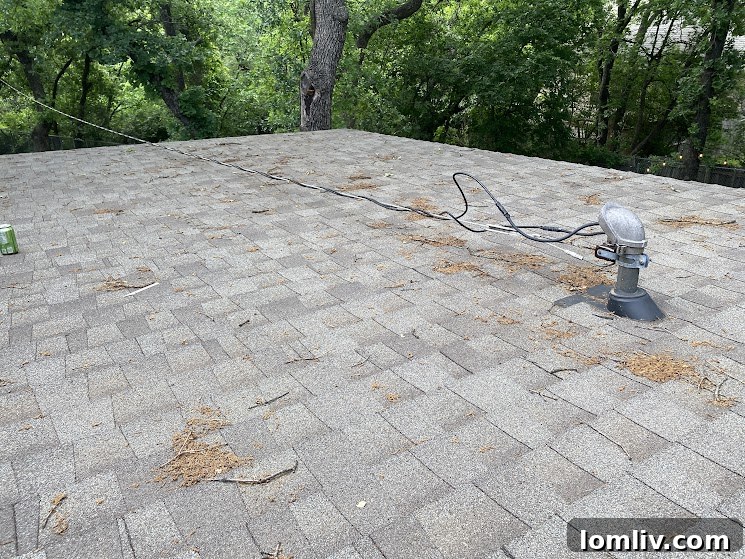
The service mast is the vertical conduit, typically a sturdy metal pipe, that extends from the roof of your house down to the electric meter and then connects to your main service panel inside. It serves as the protected pathway for the main service entrance wires, carrying electricity from the service drop into your home. This critical component shields the incoming wires from environmental exposure, physical damage, and ensures a secure connection point for your entire electrical system. The integrity and proper installation of the service mast are paramount for both electrical safety and the reliable supply of power to your residence.
A common issue observed by home inspectors, as highlighted in the provided image, occurs when the service mast is improperly installed—often by an unlicensed individual attempting a “DIY” fix. In this particular instance, the electrical service entrance wires are pulled taut, resembling a tightrope, and are positioned too close to the roof surface. According to established electrical codes, such as those set by the National Electrical Code (NEC), these wires typically require a minimum of three feet of clearance from the roof, especially above areas accessible to foot traffic or those with a low slope. This clearance is not a mere suggestion; it’s a vital safety regulation designed to prevent accidental contact with live wires by individuals on the roof for maintenance, cleaning, or repairs. It also minimizes the risk of fire should insulation degrade or sparks occur, and prevents damage to the wires from abrasive contact with roofing materials or accumulated debris.
The solution to such a clearance issue is often a taller service mast, ensuring the wires are elevated to a safe and compliant height. However, the dangerous suggestion of a “Mr. DIY Electrician” to simply “use some extension cords to lengthen those wires” is a stark warning against amateur electrical work. Extension cords are temporary solutions, not designed for permanent outdoor installation or for carrying the heavy electrical load of an entire house. They lack the necessary insulation, weather protection, and durability for such a critical application, making them a severe fire and electrocution hazard. Any modification to the service mast or the service entrance wires must be performed by a licensed and certified electrician who understands and adheres to all local and national electrical codes, ensuring the system is safe, robust, and compliant.
Beyond adequate clearance, a properly installed service mast should be securely fastened to the structure of the house, be free from rust or damage, and have a properly sealed weatherhead to prevent water entry. Any signs of leaning, loose connections, or physical damage to the mast itself warrant immediate professional attention. Ensuring these external components are in top condition is your first line of defense in protecting your home’s internal electrical system and, more importantly, the safety of its occupants.
This concludes the first part of our series on understanding your home’s electrical system, focusing on the crucial exterior components. We’ve explored the roles and responsibilities associated with the utility pole, service drop, drip loop, and service mast, emphasizing the importance of professional installation and maintenance. Next week, we will venture inside your home to examine the electrical panel, wiring, outlets, and the common “shenanigans” people encounter when either neglecting their electrical system or attempting improper DIY fixes. Until then, prioritize your safety: always remember that electricity demands respect, and when in doubt about any electrical issue, the safest and smartest course of action is always to call a licensed and qualified electrician.