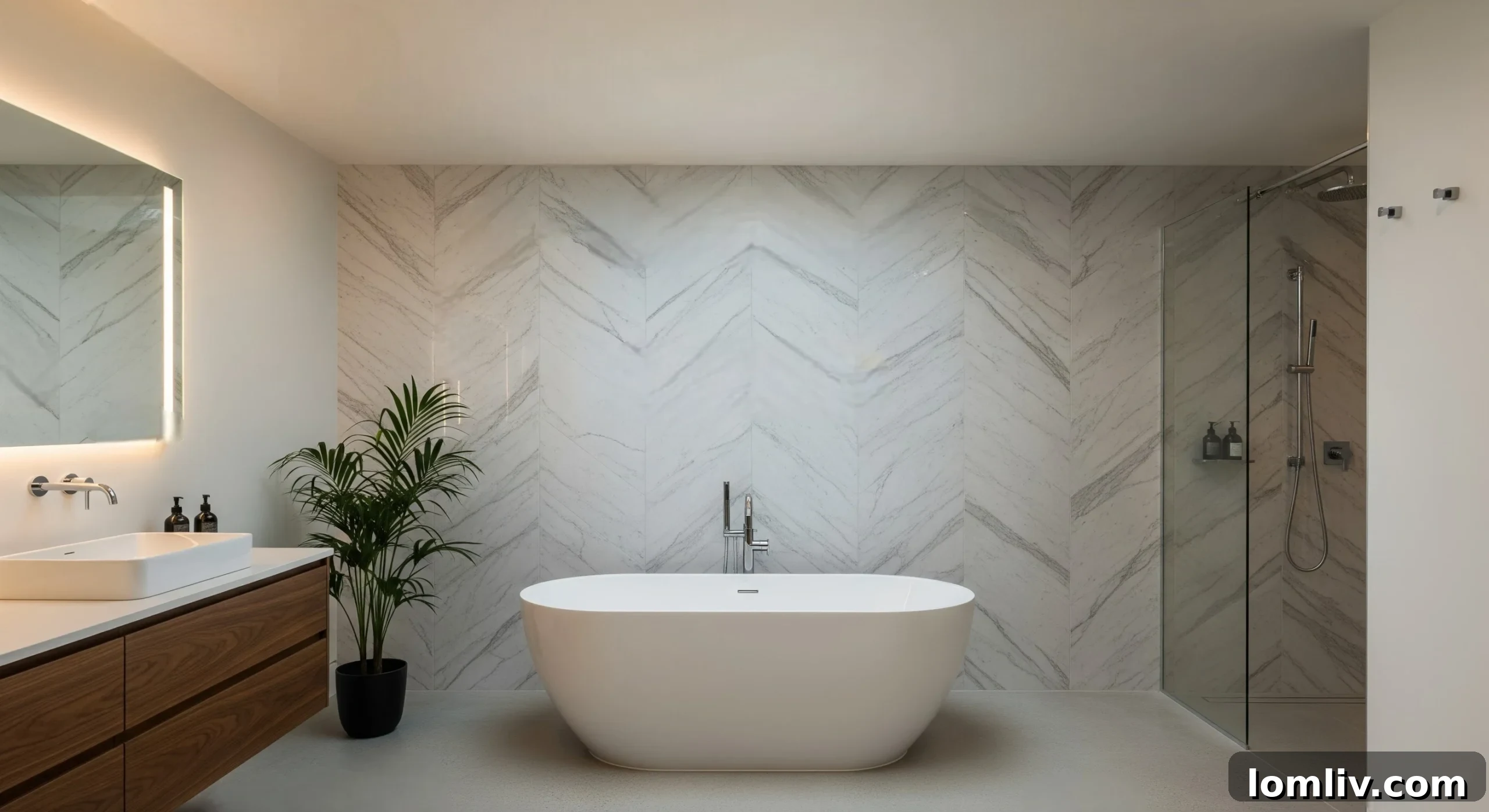
Embarking on a bathroom renovation or simply upgrading your bathing sanctuary presents a myriad of choices, with the bathtub shape often being the most pivotal. It’s not merely an aesthetic decision; the right tub profoundly influences your daily routine, the perceived size and flow of your bathroom, and its overall design harmony. While countless styles exist, the fundamental choice often boils down to two distinct philosophies: the soft allure of an oval tub versus the structured elegance of a rectangular one. Each shape carries a unique set of benefits, catering to different spatial requirements, personal preferences, and interior design visions.
This comprehensive guide delves deep into the essential considerations that will empower you to make an informed decision, ensuring your chosen bathtub perfectly complements your home and lifestyle. We’ll explore four crucial factors, from the practicalities of space and functionality to the nuances of aesthetic integration and long-term maintenance, helping you confidently select the ideal centerpiece for your bathroom oasis.
1. Space Dynamics: How Size and Layout Define Your Bathtub Choice
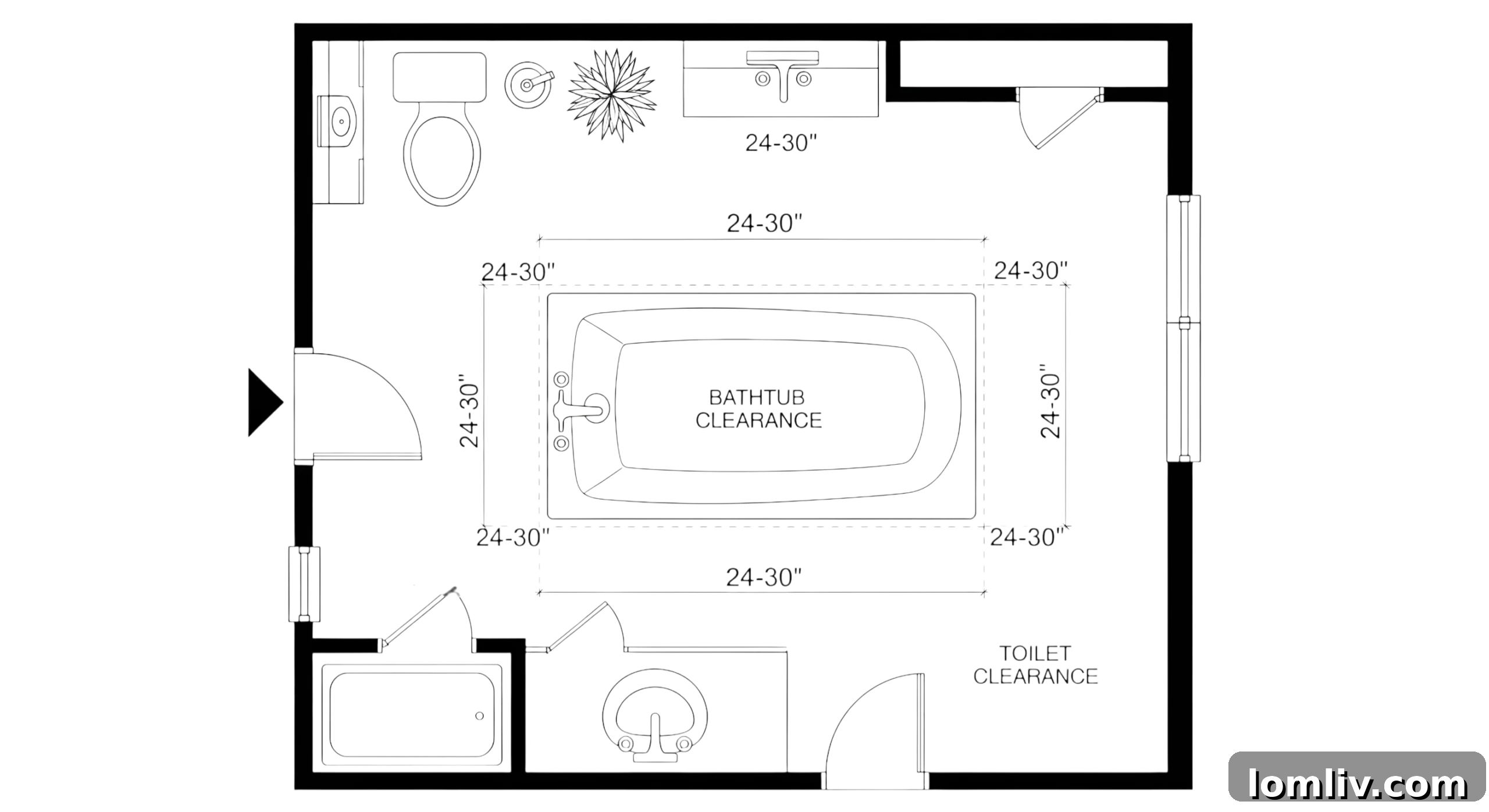
The cardinal rule of selecting any fixture in a bathroom begins with understanding its spatial context. Bathtubs are significant elements, and their shape dictates how they interact with the room’s dimensions and existing architecture. Oval and rectangular tubs impose vastly different visual and physical footprints, making it crucial to assess your bathroom’s unique characteristics before making a choice.
Consider not just the total square footage, but also the placement of doors, windows, and other fixtures. The goal is to achieve a balanced layout that feels open and functional, not cramped or disjointed. Here’s how each shape excels in specific spatial scenarios:
When an Oval Tub Offers Optimal Placement and Flow
Oval tubs, with their inherently softer lines, are masters of creating a sense of spaciousness and fluidity, particularly beneficial in certain bathroom configurations. Their curved nature often allows for more flexible placement and a less rigid visual impact.
- Small to Medium Bathrooms (up to approximately 85 sq. ft.): The graceful curves of an oval tub are invaluable in compact spaces. Unlike the sharp angles of a rectangular tub, an oval design can visually soften the hard boundaries of walls and vanities, making the room feel larger and more inviting. A standard 55-inch by 28-inch oval tub, for instance, can be comfortably accommodated in a bathroom as modest as 54 sq. ft., still allowing for a crucial two feet of walking clearance around its perimeter, which is vital for comfort and safety. This gentle form prevents the room from feeling too “boxed in,” promoting a sense of ease even in tight quarters.
- Irregular-Shaped Bathrooms: Bathrooms with unconventional layouts, such as those featuring angled walls, structural columns, exposed piping, or awkward corners, often present design challenges. An oval tub’s rounded edges are remarkably adaptable in these situations, allowing it to conform better to unusual geometries and utilize space more efficiently. Where a rectangular tub might create dead spaces or unusable gaps in an irregular nook, an oval tub can nestle in, transforming a design dilemma into an opportunity for unique focal points.
- Round or Polygonal Bathrooms: In truly non-traditional or architecturally distinct bathrooms—those with circular walls or multiple facets—an oval tub acts as a natural and harmonious focal point. Its organic, curved shape resonates with the room’s irregular geometry, enhancing the overall design flow. Conversely, a rectangular tub in such a space could feel jarring, potentially emphasizing any perceived imbalance or creating a sense of discord with the room’s unique contours. The oval shape naturally complements fluid architectural expressions.
When a Rectangular Tub Maximizes Usability and Structure
Rectangular bathtubs are celebrated for their efficiency, straightforward integration, and ability to define space with clear, strong lines. They are a preferred choice for scenarios where maximizing usable area and establishing visual order are paramount.
- Large Bathrooms (over 85 sq. ft.): In expansive bathrooms, rectangular tubs truly come into their own. Built-in models can be seamlessly integrated into walls and flooring, creating a sense of depth and architectural structure that anchors the room. Freestanding rectangular versions, with their clean, decisive lines, are excellent for defining distinct zones within a large open space, preventing the room from feeling cavernous or empty. They provide a strong visual anchor that contributes to a well-composed layout.
- Narrow Bathrooms: For long, narrow bathrooms, strategic placement of a rectangular tub is key. Installing it along the longer wall maximizes the usable length of the bathing area while preserving crucial walking space. Its straight edges allow it to sit flush against the wall, making the most of every inch. An oval tub, by contrast, might protrude awkwardly into the pathway or create visual clutter, making an already narrow room feel even more constrained. Rectangular tubs inherently promote a streamlined and efficient flow in such challenging layouts.
- Square Bathrooms: The inherent right angles of a rectangular tub make it a natural fit for square bathroom layouts. A built-in rectangular tub, nestled perfectly into a corner or along a wall, creates a sleek, integrated surface that not only looks clean but is also easier to maintain. This seamless blend with the room’s geometry contributes to a harmonious and balanced design, where every element feels purposefully placed and aligned. The predictability of its form offers a sense of order and calm in a perfectly symmetrical space.
2. Usage Needs: Prioritizing Functionality and Ergonomic Comfort
Beyond its visual appeal, a bathtub’s primary purpose is to provide a comfortable and functional bathing experience. The shape of your tub significantly influences how you interact with it, affecting everything from your posture and relaxation levels to the ease of adding practical accessories. Oval and rectangular tubs offer distinct ergonomic benefits and functional advantages, tailored to different bathing habits and preferences.
When an Oval Tub Enhances the Soaking Experience
Oval tubs are often chosen for their inherent ability to cradle the body, promoting a luxurious and immersive bathing ritual. Their design is intrinsically linked to relaxation and a sense of natural comfort.
- Deep Relaxation and Ergonomic Support: The gently curved interior of an oval tub is designed to naturally contour to the human body. Your back can rest comfortably against a supportive slope, your waist receives gentle bolstering, and your legs can stretch out into the naturally narrower end, providing a cocoon-like feel. This ergonomic design makes oval tubs ideal for extended soaks—those blissful 30-minute sessions (or longer) that help melt away the stresses of the day. This is particularly appealing for individuals who spend long hours at a desk or suffer from lower-back tension, offering a therapeutic escape where the tub does the work of supporting your body.
- Minimalist Bathing Philosophy: For those who prefer an uncluttered and pure bathing experience, an oval tub delivers. Its inherent comfort stems from the shape itself, often negating the need for bulky bath pillows, caddies, or trays. If your ideal soak involves simply submerging yourself in warm water without distractions or additional accessories, the oval tub offers an elegant simplicity. The smooth, uninterrupted lines contribute to a serene aesthetic that encourages mindful relaxation, focusing solely on the sensation of the water.
- Superior Heat Retention: The physics of a curved surface plays a subtle yet significant role in temperature maintenance. Due to their smoother, more fluid internal geometry, oval tubs tend to retain warmth slightly longer than their rectangular counterparts of the same size—often by 15-20%. This is because there are fewer corners and angles for heat to dissipate from, and the water circulates more evenly. This characteristic makes them an exceptionally cozy choice for cooler climates, long winter evenings, or for anyone who enjoys extended, hot baths, ensuring your water stays warmer for the duration of your soak.
When a Rectangular Tub Excels in Versatility and Practicality
Rectangular tubs are champions of practicality, offering a stable, adaptable surface that caters to a wider range of activities and integrations. Their structured form facilitates multi-functional use and the incorporation of modern bathing technologies.
- Multi-Purpose Use and Enhanced Stability: The flat bottom and straight sides of a rectangular tub make it incredibly practical for diverse uses. Bath trays and caddies sit level and securely across the rim, providing a stable platform for books, tablets, or a glass of wine. Accessories for bathing children or pets also fit more securely, reducing the risk of tipping. Moreover, the broad, flat base of a rectangular tub often provides better footing, minimizing slip risks for all users, including the elderly or those with mobility concerns. This shape is inherently more conducive to activities beyond simple soaking, such as showering, hair washing, or assisting others.
- Upright Sit-and-Soak Comfort: While oval tubs encourage a reclined posture, rectangular tubs often feature a more upright back wall, supporting a vertical posture that many find comfortable for shorter, more focused baths. This design allows for easier reading or conversation. Furthermore, the wider, flat rim typical of many rectangular tubs doubles as a natural and stable armrest, enhancing comfort. If your bathing routine is typically shorter—perhaps 15-20 minutes—this setup can feel more efficient and comfortable, offering a supportive embrace rather than a deep recline.
- Seamless Integration of Smart Features and Add-ons: The structured geometry of rectangular tubs makes them perfectly suited for integrating advanced bathing technologies. Many whirlpool, air jet, hydrotherapy, or temperature-control systems are engineered with flat walls and bases in mind, simplifying their installation and concealment. The straight lines provide ample, discreet space for routing plumbing, electrical components, and digital controls, making it easier to incorporate air jets for effervescent bubbles, water circulators for targeted massage, or chromotherapy lighting. This makes rectangular tubs a prime choice for creating a high-tech, personalized spa experience at home.
3. Aesthetic Fit: Harmonizing with Your Interior Design Style
The bathtub is more than a functional fixture; it’s often the undisputed focal point of a bathroom, setting the tone for the entire space. Its shape must resonate with the overall design narrative of the room, whether you’re aiming for timeless elegance, cutting-edge minimalism, or anything in between. The silhouette of your tub can either elevate your design vision or create a jarring discord. Choosing wisely ensures your bathroom feels cohesive and thoughtfully curated.
When an Oval Tub Accentuates Specific Design Styles
The soft, organic contours of an oval tub naturally lend themselves to designs that prioritize warmth, historical charm, or a connection to nature. They are excellent for creating inviting and graceful atmospheres.
- Vintage and French-Inspired Styles: An oval tub, especially one crafted from classic materials like cast iron and elevated on elegant brass or chrome claw feet, instantly transports a bathroom to an era of old-world elegance. Its gentle curves are a perfect counterpoint to intricate mosaic tiles, ornate faucets, and classic detailing, creating a sense of timeless sophistication reminiscent of a Parisian apartment or a stately country home. The romantic silhouette evokes a sense of nostalgia and luxury that modern angular designs often cannot replicate.
- Natural or Wabi-Sabi Styles: In design schemes that celebrate natural elements, imperfection, and organic forms—such as the Wabi-sabi philosophy—a matte acrylic or a unique wood-clad oval tub excels. Its smooth, continuous lines soften the raw textures of materials like microcement, natural stone, or timber, introducing a sense of calm and warmth. The absence of sharp edges aligns with a desire for fluidity and natural harmony, making the tub feel like an extension of the natural environment, promoting tranquility and grounding.
- Eclectic and Transitional Styles: Oval tubs possess a remarkable ability to act as “harmonizers” within eclectic or transitional spaces. When a room combines bold or contrasting elements—for example, industrial metal accents with warm, rustic wood tones—an oval tub can bridge these disparate styles. Its gentle form softens the rigidity of more angular pieces and helps to create a cohesive, balanced visual story. It provides a visual resting point that allows diverse elements to coexist without clashing, contributing to a curated yet comfortable aesthetic.
When a Rectangular Tub Defines Modern and Structured Aesthetics
Rectangular tubs are the darlings of contemporary design, celebrated for their clean lines, geometric precision, and ability to create a sense of order and sophisticated simplicity. They are the ideal choice for spaces that embrace modernity, industrial chic, or understated luxury.
- Minimalist and Scandinavian Styles: The “less is more” philosophy finds its perfect expression in a rectangular tub. Built-in rectangular tubs, designed to sit flush with surrounding walls and surfaces, often paired with hidden drains and wall-mounted faucets, create an incredibly seamless and understated look. This integrated design embodies the essence of minimalism and Scandinavian design, emphasizing clean lines, functionality, and a clutter-free environment. The result is a serene, uncluttered space that radiates calm and purposeful design.
- Industrial Style: For bathrooms that lean into the raw, urban aesthetic of industrial design, a rectangular tub is a powerful statement. A freestanding rectangular tub, particularly one framed in black metal or crafted from raw concrete-like materials, works in perfect synergy with exposed brick, concrete surfaces, visible piping, and other raw finishes. It reinforces a rugged, utilitarian yet sophisticated urban vibe, acting as a strong architectural element that complements the tough, unpolished charm of the industrial aesthetic.
- Modern Luxury and Spa-like Settings: Rectangular tubs are synonymous with contemporary high-end design. When crafted from premium materials such as engineered stone (like solid surface composites), sleek ceramics, or custom marble, and accented with metallic trim (polished chrome, brushed nickel, or matte black) and dramatic lighting, they create an undeniably polished and opulent look. These tubs fit seamlessly into a luxury spa-like setting, offering a refined, sophisticated aesthetic that speaks to comfort, elegance, and cutting-edge design. They become a sculptural element, enhancing the perception of a bespoke, high-end sanctuary.
4. Practical Factors: Unpacking Maintenance, Installation, and Cost Implications
While aesthetics and comfort are crucial, the true long-term satisfaction derived from your bathtub often hinges on its everyday practicality. This includes considerations such as ease of cleaning, complexity and cost of installation, and its overall value proposition over time. Understanding these practical aspects is vital for making a decision that aligns with your lifestyle and budget.
When an Oval Tub Offers Streamlined Practicality
Oval tubs often present a more straightforward ownership experience, particularly appealing to those who prioritize minimal upkeep and flexible living arrangements.
- Low-Maintenance Lifestyle: One of the most significant practical advantages of an oval tub is its ease of cleaning. The smooth, continuous curves and absence of sharp corners leave very little room for grime, soap scum, or mildew to accumulate. A quick wipe-down with a soft cloth and mild cleaner is often all it takes for daily maintenance. A deeper clean once a week is usually sufficient to keep it looking pristine and hygienic. This makes oval tubs an excellent choice for individuals or families seeking a beautiful bathroom fixture that doesn’t demand extensive, detailed upkeep, freeing up time for other pursuits.
- Ideal for Short-Term Living or Rentals: Freestanding oval tubs, especially those made from lighter materials like acrylic, are relatively simple to install. They typically do not require complex built-in platforms, extensive tiling, or heavy-duty waterproofing around their perimeter, which significantly reduces labor and material costs during installation. For those who move frequently, live in rental properties, or anticipate future renovations, many freestanding oval models can even be relocated with surprising ease. This flexibility makes them a practical choice for transient lifestyles or situations where permanence is not a priority.
- Strong Value for Mid-Range Budgets: In terms of cost, oval tubs generally sit comfortably in the mid-range. While they often cost less than specialized round tubs or highly customized built-in rectangular units, they might be slightly more than the most basic freestanding rectangular models. However, when you factor in the typically simpler and less expensive installation process—avoiding costly framing, tiling, and extensive plumbing work associated with built-in tubs—the overall value proposition of an oval tub becomes exceptionally strong. This makes them an attractive option for homeowners looking for a balance of aesthetic appeal, comfort, and sensible budgeting.
When a Rectangular Tub Shines in Long-Term Durability and Customization
Rectangular tubs, particularly built-in models, are often chosen for their robust, permanent nature and their ability to accommodate a wide spectrum of budgets and detailed maintenance routines.
- Optimal for Permanent Homes and Longevity: Built-in rectangular tubs are designed for permanence. Anchored directly to the surrounding walls and often tiled or clad, they offer superior structural stability and exceptional longevity. This robust construction typically translates to a longer lifespan, often exceeding that of freestanding oval tubs by three to five years or more. For homeowners establishing a long-term residence, this inherent durability and permanence represent a significant payoff, offering peace of mind and reducing the likelihood of premature replacement or costly structural issues. They become an integrated part of the home’s infrastructure.
- Accommodates Detail-Oriented Upkeep: While the squared corners of rectangular tubs can be a magnet for dirt, soap scum, and mildew if neglected, they are manageable for homeowners who appreciate meticulous upkeep. With regular re-caulking, the use of a good quality corner-cleaning brush, and consistent cleaning practices, maintaining a spotless finish is entirely achievable. Those who enjoy a thorough cleaning routine will appreciate the ability to methodically clean every edge and corner, ensuring a pristine bathroom environment. This shape offers a sense of control over the cleanliness and appearance of the tub area.
- Unmatched Flexibility Across All Budgets: Rectangular tubs boast the widest and most diverse range of price points in the market, making them accessible to virtually any budget. From highly affordable, entry-level acrylic freestanding models that offer basic functionality, to high-end custom cast iron or solid surface versions that can rival the sophistication and cost of luxury spa installations, there is an option for everyone. Whether you are extremely cost-conscious or ready to splurge on a bespoke bathing experience, the rectangular format provides unparalleled flexibility in material, size, and feature customization, ensuring you can find a tub that perfectly aligns with your financial parameters.
Conclusion: Prioritize Personal Needs Over Fleeting Trends
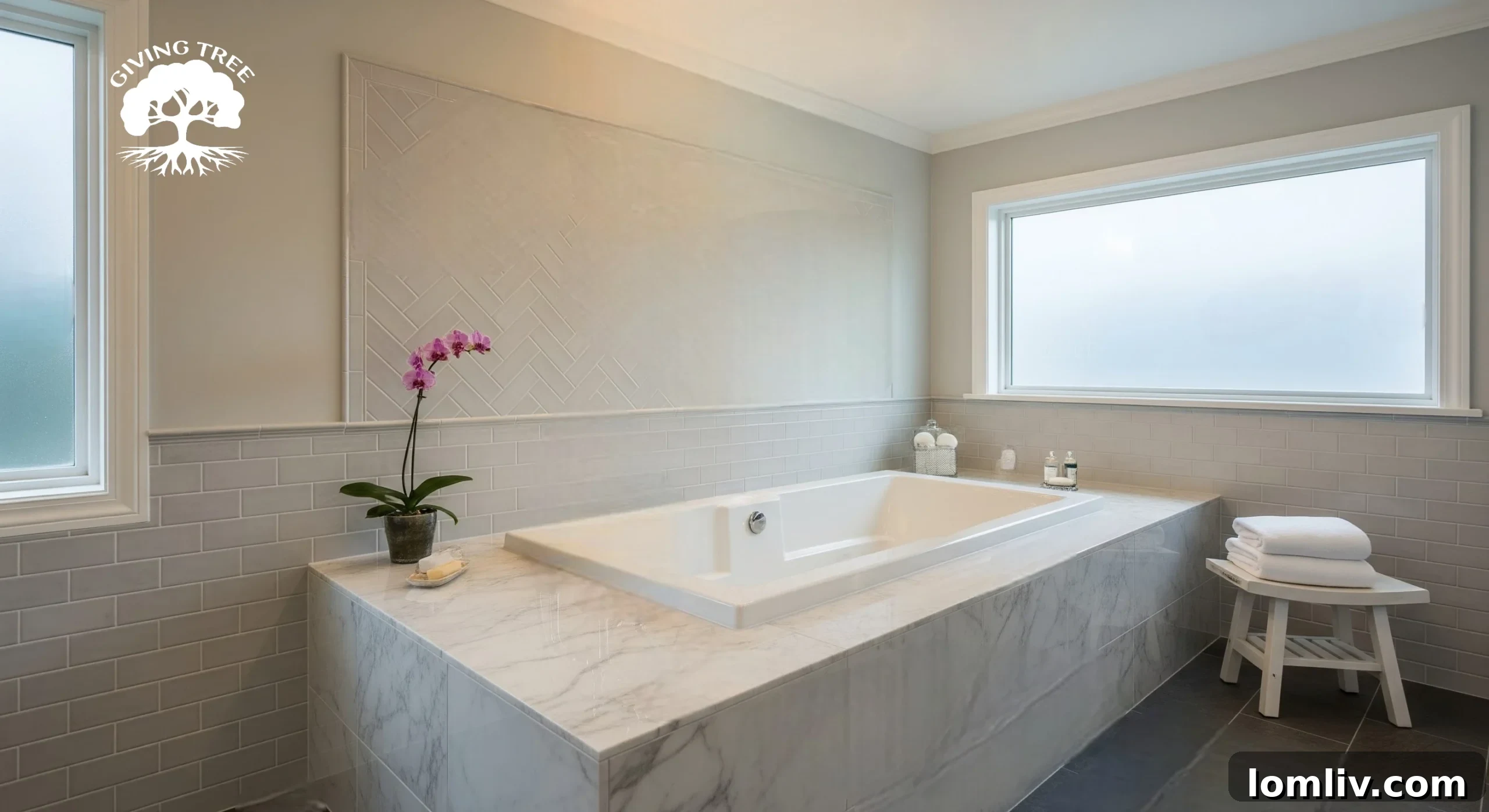
The quest for the perfect bathtub is ultimately a journey of self-reflection, where personal preferences and practical requirements converge. There is no universally superior choice between an oval and a rectangular bathtub; the “best” option is unequivocally the one that aligns most harmoniously with your unique needs, your bathroom’s specific characteristics, and your desired lifestyle. Oval tubs, with their inviting curves and ergonomic embrace, are champions of comfort and timeless charm, particularly in more compact or romantically styled spaces. They offer a sanctuary for deep relaxation and an effortless elegance.
Conversely, rectangular tubs stand as paragons of function, modern sophistication, and structural integrity, making them ideal for larger, more structured layouts or bathrooms where versatility and technological integration are paramount. They provide a clean canvas for contemporary design and accommodate a wider range of practical uses. By carefully weighing the factors of space, usage needs, aesthetic fit, and practical considerations detailed in this guide, you can confidently navigate your options. Choose the tub that not only looks beautiful but also enhances your daily life, creating a bathroom oasis that is truly yours, enduring far beyond fleeting design trends.