Open Houses: A Timeless Debate in Modern Real Estate
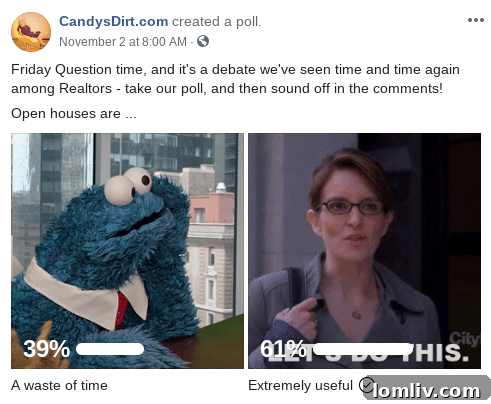
In the dynamic world of real estate, strategies for selling a home are constantly evolving. Yet, one traditional method consistently sparks debate among industry professionals and homebuyers alike: the open house. Is it an indispensable tool for marketing a property, or an outdated relic of a bygone era? This question echoes across real estate forums and publications, prompting agents and sellers to weigh the time and effort against the potential returns. To gauge current sentiment, we recently turned to our community on Facebook and Instagram, asking our readers to share their candid thoughts on the enduring relevance of open houses.
Agent Perspectives: A Spectrum of Opinion
The feedback we received highlighted a wide range of experiences and deeply held beliefs among real estate professionals. While some agents swear by the effectiveness of open houses, others view them with skepticism, often deeming them a necessary, albeit often inefficient, part of the sales process.
The Enthusiasts: Direct Sales and Buyer Education
For many agents, open houses remain a powerful channel for direct engagement and closing deals. Joanna Gaines Utley of Modtown Realty firmly believes in their value. “Yes, I can sell my listing better than the buyer’s agent can,” she stated, emphasizing the unique advantage of the listing agent’s intimate knowledge of the property. Her success speaks volumes: “I’ve met 60 percent of my listings buyers in an open house this year.” This statistic underscores the potential for open houses to directly connect sellers with serious buyers, often bypassing intermediate agents and streamlining the sales process.
Realtor Melanie Till echoed this sentiment, providing further insight into the multifaceted benefits. “It’s 100 percent useful!” she declared. Till revealed that open houses constitute a significant portion of her business, contributing to “around 25 percent” of her overall transactions. Beyond just selling properties, she sees them as invaluable educational opportunities. “I find that it is a great way to teach buyers how the buying process works and why you need an agent to represent you,” she explained. This educational aspect is crucial for nurturing prospective clients, turning casual visitors into informed buyers, and solidifying the agent-client relationship.
The proponents of open houses often highlight several key advantages:
- Direct Interaction: Agents can personally engage with potential buyers, answer questions immediately, and highlight unique features of the home.
- Immediate Feedback: Real-time reactions from visitors provide invaluable insights into pricing, staging, and perceived property value.
- Lead Generation: Beyond the specific listing, open houses attract prospective buyers who may be interested in other properties, offering excellent opportunities for new client acquisition.
- Creating Urgency: A bustling open house can create a sense of competition and urgency among buyers, potentially leading to quicker offers.
- Agent Branding: Open houses allow agents to showcase their expertise, professionalism, and community presence, bolstering their personal brand.
The Skeptics: A “Necessary Evil” with Hidden Costs
Despite the successes shared by agents like Utley and Till, not every Realtor shares the same enthusiasm. The reality of open houses can be a mixed bag, leading some to view them with a pragmatic, rather than passionate, lens. Idaho reader and Realtor Blake Shannon, for instance, concisely referred to them as a “necessary evil.” This phrase encapsulates the sentiment of agents who recognize the market expectation for open houses, yet often find them to be a substantial investment of time and resources with unpredictable returns.
The criticisms often revolve around:
- Time Commitment: Preparing for and hosting an open house typically consumes an entire weekend afternoon, which could otherwise be spent on private showings, administrative tasks, or pursuing other leads.
- Security Concerns: Allowing numerous strangers into a private home presents legitimate security risks, including potential theft or damage to property. Agents must be vigilant, often requiring sellers to secure valuables.
- Low Conversion Rates: Many open house visitors are “looky-loos”—neighbors curious about the property, or individuals casually exploring without serious intent to buy. The actual percentage of serious buyers can be frustratingly low for some agents.
- Opportunity Cost: The time spent on an open house might be better utilized by an agent conducting targeted private showings, cultivating client relationships, or engaging in other high-conversion marketing activities.
Navigating the Data: Conflicting Insights from Industry Surveys
To gain a broader perspective on the effectiveness of open houses, it’s essential to look at industry-wide data. However, even these insights can sometimes appear contradictory, reflecting the complex and varied nature of the real estate market.
Inman’s Findings: Continued Relevance and Agent Success
A comprehensive survey conducted by Inman last year revealed a strong endorsement for open houses among real estate professionals. The findings largely aligned with the positive sentiments expressed by agents like Melanie Till and Joanna Utley:
More than two thirds of the respondents think open houses are still worthwhile.
Nearly 70 percent of respondents have sold a home as a result of a connection made at an open house.
Consumers still want their agents to offer open houses.
Two thirds of respondents’ brokerages offer virtual tours, while a quarter do not.
More than two thirds of respondents felt that virtual tours replacing open houses was unlikely.
These statistics paint a clear picture: a majority of agents find open houses valuable, not just as a marketing effort, but as a direct source of sales. Furthermore, the survey highlighted an important consumer expectation: buyers still desire the option of an open house, suggesting a continued preference for physical viewing experiences. Interestingly, while virtual tours are gaining traction, the survey indicated that most agents do not believe they will entirely supplant the traditional open house.
However, even this supportive research acknowledged the existing skepticism. “While the research gives open houses the thumbs up, it also made it clear that not all agents like them,” the article noted. “A little over 30 percent of respondents gave them a low one-out-of-10 to four-out-of-10 rating, and they spoke passionately about their objections to what they called this ‘crapshoot.’” This significant minority underscores that open houses are not a universally effective strategy for all agents or all properties.
NAR’s Generational Report: A Glimpse into Buyer Behavior
Adding another layer to the debate, the National Association of Realtors (NAR) released its Home Buyer and Seller Generational Trends Report, which presented a seemingly contrasting insight. One surprising takeaway was that only 3 percent of buyers visited open houses as a primary method for finding their home. This figure immediately raises questions when compared to Inman’s findings that nearly 70% of agents made a sale through an open house connection.
How can these seemingly conflicting pieces of data be reconciled? Several factors could be at play:
- Definition of “Primary Method”: The NAR report focuses on how buyers *found* their home. While only 3% might have *initially discovered* the home via an open house, a much larger percentage might have attended open houses as part of their broader search process, leading to connections or discoveries of other properties through the agent.
- Conversion vs. Discovery: Open houses may not be the primary discovery channel for most buyers (who often start online), but for the agents who host them, they can be highly effective conversion points. The 3% might represent truly unrepresented buyers walking in, whereas the 70% agent success rate could include buyers who were already working with an agent but still visited open houses as part of their search, forming a new connection or getting serious about a listing they saw elsewhere.
- Buyer Types: The 3% could represent a specific segment of buyers, perhaps those who are less reliant on online tools or are at an earlier stage of their buying journey.
- Sampling and Methodology: Differences in survey populations, questions, and methodologies between the two reports could also account for some discrepancies.
Ultimately, both reports offer valuable insights. While most buyers may initiate their search online, open houses clearly remain a potent tool for agents to meet prospective clients, showcase properties, and ultimately, close deals.
The Digital Transformation: Virtual Tours and Evolving Strategies
The digital age has ushered in powerful new tools that are reshaping how properties are marketed and viewed. Virtual tours, 3D walkthroughs, and high-definition video tours are increasingly becoming standard practice, offering convenience and reach that traditional methods cannot match.
The Rise of Virtual and 3D Tours
A recent story in Apartment Therapy highlighted this shift, revealing that many agents are now prioritizing virtual showings. These digital alternatives offer significant advantages:
- Wider Reach: Virtual tours can be accessed by anyone, anywhere, at any time, dramatically expanding the potential buyer pool beyond local geographical limits.
- Convenience and Flexibility: Buyers can “walk through” a property from the comfort of their home, fitting showings into their busy schedules without needing to travel.
- Pre-Qualification: Detailed virtual tours help buyers pre-screen properties more effectively, ensuring that only genuinely interested individuals schedule in-person viewings. This saves time for both buyers and agents.
- Enhanced Safety and Security: Virtual tours eliminate the need for large numbers of people to enter a home, significantly reducing security risks and minimizing disruption to the seller’s daily life.
The advancements in this technology are truly impressive. We even saw this firsthand when Candy took a virtual reality tour of Bentley Place at a recent staff party, showcasing the immersive experience these tools can provide.
However, agents who still conduct open houses are increasingly honest with their sellers about the inherent risks involved, which can include theft or damage. This transparency is crucial for managing expectations and ensuring that sellers are comfortable with the chosen marketing strategy.
Open Houses in a Hybrid Market
In today’s real estate landscape, the most effective strategies often involve a hybrid approach, leveraging both traditional and digital methods. Open houses are no longer standalone events but can be integral components of a comprehensive marketing plan:
- Strategic Complement: Virtual tours can generate initial interest and filter out less serious buyers, making the eventual open house or private showing more productive.
- Targeted Use: Open houses may be particularly effective in certain market conditions (e.g., hot markets with high demand) or for specific property types (e.g., highly desirable homes in family-friendly neighborhoods).
- Community Engagement: For many, an open house is still a community event, offering neighbors a chance to see a renovated home or giving local residents an informal peek at market activity.
The goal is to use each tool for its strengths. Online listings and virtual tours provide broad exposure and initial screening, while a well-executed open house offers an unparalleled opportunity for personal connection, sensory experience, and direct sales interaction.
Maximizing the Impact of Your Open House
For agents who choose to host open houses, strategic planning and execution are paramount to ensure they are productive rather than merely performative. The difference between a “crapshoot” and a successful sales event often lies in preparation and follow-up.
Strategic Planning and Promotion
- Effective Advertising: Beyond standard MLS listings, promote your open house aggressively on social media, local community groups, real estate websites, and through targeted email campaigns. Use high-quality photos and compelling descriptions.
- Neighborhood Outreach: Distribute flyers to nearby homes a few days before the event. Neighbors often have friends or family looking to move into the area.
- Optimal Timing: Choose a day and time that aligns with local customs and avoids major community events. Weekend afternoons are typically most popular.
Creating an Unforgettable Experience
- Impeccable Staging: Ensure the home is professionally staged, decluttered, and spotlessly clean. First impressions are critical.
- Ambiance: Create a welcoming atmosphere with subtle background music, pleasant scents, and ample lighting. Consider offering light refreshments.
- Agent Preparedness: The agent should be knowledgeable about the property’s features, local amenities, school districts, and recent comparable sales. Be ready to answer any question and highlight the home’s best attributes.
- Information Handouts: Provide detailed property brochures, neighborhood guides, and agent contact information for visitors to take with them.
Mitigating Risks and Ensuring Security
- Pre-screening and Sign-in: While not always feasible for open houses, encourage visitors to sign in with their name and contact information. This helps with follow-up and provides a record of attendees.
- Secure Valuables: Advise sellers to remove or secure all valuables, sensitive documents, and prescription medications before the open house.
- Agent Presence: Ensure the agent is visible and attentive throughout the event, monitoring visitors and answering questions. Consider having a second person assist if the property is large.
- Transparency with Sellers: Be upfront with sellers about the potential risks associated with open houses, including the possibility of theft or simply attracting non-serious lookers. This open communication builds trust and manages expectations.
The Future of Open Houses: Adaptation and Innovation
The debate over open houses is unlikely to disappear entirely. Instead, their role will continue to adapt to changing market conditions, technological advancements, and evolving buyer preferences. They will likely persist not as the sole method of sale, but as one valuable tool within a diverse and sophisticated real estate marketing toolkit.
Ultimately, the “worth” of an open house depends on several factors: the specific property, the local market conditions, the agent’s strategy and skill, and the seller’s comfort level with the risks. For some, it remains a highly effective way to connect with buyers and generate sales. For others, a robust digital marketing plan combined with private showings offers a more efficient path.
The enduring human desire to physically experience a potential home, to walk through its spaces, feel its atmosphere, and envision life within its walls, suggests that the open house, in some form, will continue to play a part in the real estate journey. As technology advances, we may see even more integrated experiences, perhaps combining virtual reality with physical visits, offering the best of both worlds.
What’s Your Take?
So what do you say? Open houses — yay or nay? We invite you to continue this discussion and share your experiences. Sound off in the comments below!
Editor’s Note: Every Friday, we’ll post a hot-button question on our Facebook page. Sometimes, they’ll be serious. Sometimes, they’ll be more light-hearted. Want to take part? Like and follow us, and comment onthis Friday’s question.