
The Enduring Threat of Data Breaches: Lessons from Neiman Marcus and Beyond
In an increasingly digital world, the threat of data breaches looms large, affecting both global corporations and individual consumers alike. The early months of 2014 served as a stark reminder of this vulnerability, with high-profile incidents shaking consumer confidence. While the massive breach impacting 110 million Target shoppers garnered significant attention, another luxury retailer, Neiman Marcus, also found itself grappling with a major cybersecurity crisis. This incident, though perhaps smaller in scale than Target’s, still caused substantial problems and highlighted critical weaknesses in digital security infrastructure across the retail sector.
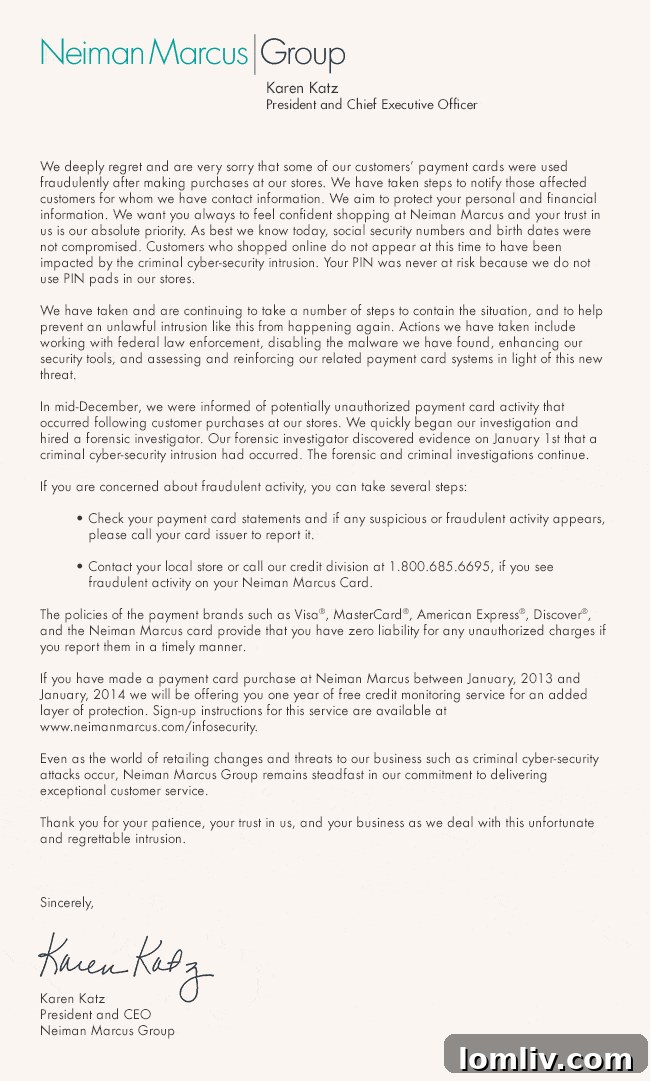
Neiman Marcus issued one of the first official statements regarding what was described as a “credit card fraud hacking dilemma” that had transpired the previous month. The news sent ripples through the industry, underscoring that no entity, regardless of its size or market segment, is immune to sophisticated cyberattacks. These breaches are not merely abstract IT problems; they have real-world consequences, reaching into the lives of everyday individuals. As one Dallas Realtor experienced firsthand, having his debit card compromised directly due to the Neiman Marcus security lapse, the impact can be immediate and personal. For those of us who meticulously watch our financial statements, such incidents demand heightened vigilance.
The reported source of the malicious software that crippled both Target and Neiman Marcus was traced back to a Russian teenager, illustrating the global and often unexpected origins of cyber threats. This detail paints a picture of a complex landscape where sophisticated malware can be created by individuals and deployed against large corporations, causing widespread disruption and financial damage.

Understanding the Anatomy of a Data Breach
A data breach occurs when unauthorized individuals gain access to confidential or sensitive data. In the retail sector, this often means personal identifiable information (PII) and payment card data, including credit and debit card numbers, expiration dates, and security codes. These breaches can manifest in various forms, from sophisticated malware injections into point-of-sale (POS) systems, as was the case with Neiman Marcus and Target, to phishing scams, SQL injection attacks, or even insider threats.
Common Attack Vectors
- Malware and Viruses: Malicious software designed to infiltrate systems, often through vulnerabilities in operating systems or applications, to steal data or disrupt operations. The Neiman Marcus breach, for instance, involved highly sophisticated malware specifically designed to capture credit card information during transactions.
- Phishing and Social Engineering: Attackers trick employees into revealing credentials or clicking malicious links, often by impersonating legitimate entities. Once inside, they can move laterally through a network to access sensitive data.
- Weak Security Protocols: Outdated systems, unpatched software, or easily guessed passwords create open doors for attackers. A lack of multi-factor authentication (MFA) or robust encryption can leave data exposed.
- Insider Threats: While less common in large-scale breaches like Neiman Marcus, employees or contractors with authorized access can intentionally or unintentionally leak data.
The consequences of such attacks extend far beyond the immediate financial cost, impacting consumer trust, brand reputation, and regulatory compliance.
The Ripple Effect: Impact on Consumers
For individuals, a data breach can usher in a period of significant anxiety and inconvenience. The most immediate concern is financial fraud – unauthorized transactions appearing on bank or credit card statements. Beyond direct financial loss, the specter of identity theft looms large, potentially leading to damaged credit scores, difficulty obtaining loans, or even legal complications if the stolen identity is used for criminal activities. Resolving these issues can be a time-consuming and emotionally draining process, requiring countless hours spent contacting banks, credit bureaus, and potentially law enforcement.
The Role of Credit Monitoring Services
In response to such breaches, it has become standard practice for affected merchants, including Neiman Marcus, to offer free credit monitoring services for a period, typically a year. While these services can provide an early warning system for suspicious activity on one’s credit report, they are not a silver bullet. As observed with a touch of cynicism, these services often profit handsomely from the very breaches they aim to mitigate, leaving one to wonder if they are truly comprehensive solutions or merely a stop-gap measure.
Credit monitoring primarily alerts you *after* potential fraud has occurred, allowing you to react quickly. However, they do not prevent identity theft or fraudulent charges. Furthermore, the information monitored might be limited, and the burden still falls on the individual to actively review statements and reports.
Safeguarding Your Digital Life: A Consumer’s Guide
Given the persistent threat of data breaches, consumers must adopt proactive measures to protect their financial health and personal information. Vigilance and informed choices are paramount.
- Monitor Financial Statements Religiously: Regularly check your credit card, debit card, and bank account statements for any unauthorized or suspicious transactions. Catching fraud early can limit your liability and expedite resolution.
- Implement Strong, Unique Passwords and Multi-Factor Authentication (MFA): Use complex passwords for all online accounts and avoid reusing them. Where available, always enable MFA, which adds an extra layer of security by requiring a second form of verification (like a code sent to your phone) in addition to your password.
- Be Wary of Phishing Attempts: Cybercriminals often try to trick you into giving up personal information via fraudulent emails, text messages, or phone calls. Always verify the sender of any suspicious communication before clicking links or providing data.
- Consider Credit Freezes or Fraud Alerts: A credit freeze prevents new credit from being opened in your name, offering robust protection against identity theft. A fraud alert, while less restrictive, notifies creditors to take extra steps to verify your identity before issuing new credit.
- Understand the Debit Card vs. Credit Card Debate: While convenient, debit cards directly link to your bank account, meaning fraudulent charges can deplete your funds immediately. Credit cards, on the other hand, offer more robust fraud protection, and your liability is often limited to $50, with most card issuers covering all fraudulent charges if reported promptly. This is why many, like the original author, prefer to avoid using debit cards for online or potentially risky transactions.
Beyond the Consumer: Businesses and the Battle Against Cybercrime
While consumers bear some responsibility, the onus is primarily on businesses to protect the vast amounts of sensitive data they collect. Data breaches inflict severe reputational damage, erode customer trust, and can lead to significant financial penalties, legal costs, and plummeting stock values. The Neiman Marcus incident, though contained, forced the luxury retailer to invest heavily in forensics, legal counsel, and public relations to restore its standing.
Proactive Security Measures for Merchants
For any organization handling sensitive customer data, especially payment information, robust cybersecurity is not an option but a necessity. Key measures include:
- PCI DSS Compliance: Adhering to the Payment Card Industry Data Security Standard (PCI DSS) is crucial for any entity that processes, stores, or transmits credit card information. This set of security standards helps ensure a secure environment.
- Robust Encryption: Encrypting sensitive data both in transit and at rest makes it unreadable to unauthorized parties, even if systems are compromised.
- Regular Security Audits and Penetration Testing: Proactive testing helps identify vulnerabilities before attackers can exploit them. Continuous monitoring of networks for suspicious activity is also vital.
- Employee Training and Awareness: The human element is often the weakest link in cybersecurity. Regular training on security best practices, recognizing phishing attempts, and proper data handling can significantly reduce risk.
- Comprehensive Incident Response Plans: Having a clear, tested plan for how to respond to a breach—from detection and containment to eradication and recovery—can minimize damage and facilitate a quicker return to normal operations.
- Software Patching and Updates: Keeping all operating systems, applications, and security software up to date is fundamental. Attackers frequently exploit known vulnerabilities that could have been patched.
The Evolving Cyber Threat Landscape
The digital world is a constantly evolving battleground. Cybercriminals are continually developing more sophisticated methods of attack, exploiting new technologies and human vulnerabilities. The global nature of cybercrime means that threats can originate from anywhere, making defense a complex and ongoing challenge. As demonstrated by the teenager-created malware affecting major retailers, the barrier to entry for causing significant cyber havoc is sometimes lower than one might expect, even as the sophistication of attacks increases.
Conclusion
The Neiman Marcus data breach, alongside other high-profile incidents, serves as a powerful reminder of the relentless and pervasive nature of cyber threats in our connected world. For consumers, it underscores the critical importance of digital vigilance and proactive self-protection. For businesses, it highlights the non-negotiable imperative of investing in comprehensive cybersecurity measures, fostering a culture of security, and being prepared for the inevitable. As we continue to navigate an increasingly digital landscape, collective responsibility, continuous adaptation, and unwavering diligence will be key to safeguarding our data and maintaining trust in the digital economy.