Selling Your Home After a Natural Disaster: A Comprehensive Guide
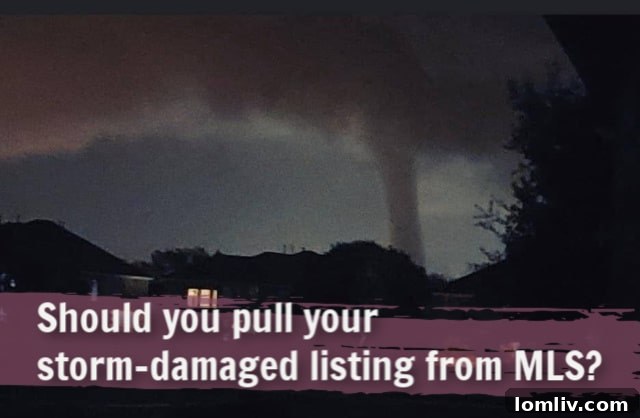
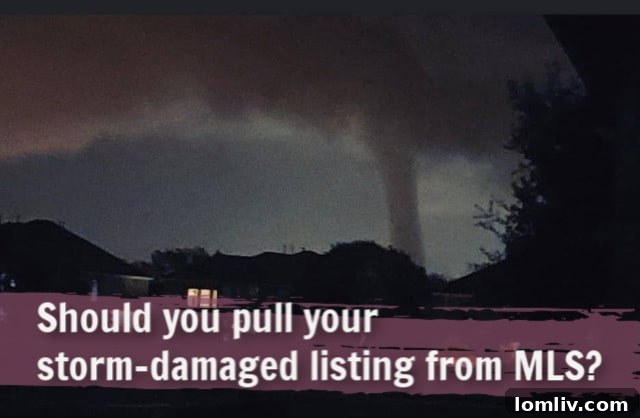
It’s every seller’s nightmare scenario. Your home is generating significant interest on the MLS, and solid offers appear to be just around the corner. You finally lay your head down, envisioning a smooth closing process, only to be abruptly awakened moments later by the ominous wail of tornado sirens or the sudden fury of another natural disaster.
When disaster strikes a home actively listed on the market, it throws a wrench into even the most meticulously planned sale. The path forward can seem daunting, filled with uncertainty and immediate concerns. Whether it’s a tornado, flood, wildfire, or severe storm, the impact on your property and your pending sale can be profound. This guide will walk you through the essential steps, expert advice, and crucial considerations for navigating the complex process of selling a damaged home.
If your home is currently on the market and has sustained damage from a natural disaster, knowing what to do and who to contact immediately can save you significant stress, time, and money.

Immediate Steps: What to Do First When Disaster Strikes
“There are two basic, critical steps if your property has been impacted by a storm or natural disaster,” advises veteran Dallas Realtor Jenni Stolarski. “First, be absolutely sure to document everything. Secondly, notify key people. After your insurance agent and your closest family, your next call should be to your listing agent, even before you consider posting any information on social media.”
1. Prioritize Safety and Initial Assessment
- Ensure Personal Safety: Before anything else, confirm that you and your loved ones are safe. Do not enter your home if there are any doubts about its structural integrity or if there are hazards like gas leaks or downed power lines.
- Conduct an Initial Visual Survey: Once it’s safe, walk around and inside your property (if permissible) to assess the extent of the damage. This isn’t about detailed evaluation but understanding the immediate impact.
- Secure the Property: Take immediate, temporary measures to prevent further damage. This might include tarping a damaged roof, boarding up broken windows, or shutting off utilities if necessary.
2. Document Everything Thoroughly
Detailed documentation is your strongest ally when dealing with insurance claims and potential buyers. Go beyond a quick glance; capture every detail.
- Photos and Videos: Use your phone or a camera to take extensive photos and videos of all damage, both interior and exterior. Capture wide shots and close-ups, focusing on specific damage points. If you have “before” photos of your home from prior to the disaster, these can be invaluable for comparison.
- Detailed Notes: Keep a running log of everything you observe, including dates, times, and descriptions of the damage. Note any items that were damaged or destroyed.
- Evidence of Debris: If debris (like fallen trees or broken fences) is part of the damage, document its location and impact.
3. Contact Your Insurance Provider Immediately
Your homeowner’s insurance policy is designed for situations like this. The sooner you initiate a claim, the smoother the process will likely be.
- File a Claim Promptly: Contact your insurance company’s claims department as soon as possible. Provide them with the basic details of the incident and the damage observed.
- Understand Your Policy: Familiarize yourself with your policy’s specifics regarding natural disasters, deductibles, and coverage limits.
- Prepare for the Adjuster: An insurance adjuster will need to inspect your property. Have all your documentation ready to share with them to support your claim.
Notifying Key People: Who Needs to Know?
Once you’ve secured the property, documented the damage, and notified your insurance company, it’s time to inform everyone involved in your home sale.
1. Your Listing Agent: Your Primary Advocate
As Jenni Stolarski emphasizes, your listing agent should be among your very first calls related to the sale. They are your primary point of contact and can help manage communication with all other parties.
- Strategy Consultation: Your agent can help you strategize the next steps, including whether to temporarily pause showings, pull the listing, or proceed with modifications.
- Market Guidance: They have insight into how similar situations have been handled in your local market and can advise on potential buyer reactions.
- Communication Hub: Your agent can efficiently disseminate information to interested buyers, buyer’s agents, and other stakeholders, ensuring consistent and accurate communication.
2. Buyers and Their Representatives
The stage of your sale will dictate who needs to be informed and how.
- If Under Contract (In Escrow/Closing): This is a critical juncture. The damage constitutes a “material change” to the property’s condition, which must be disclosed.
- Title Company: The title company will need to be informed as property damage can impact the clear title. They may require re-inspections or hold funds in escrow for repairs.
- Buyer’s Agent: Your listing agent will communicate with the buyer’s agent, who will then inform their client.
- Lenders: If the buyer is financing the purchase, their lender will certainly need to know. Lenders often require the property to be in satisfactory condition at closing and may necessitate a new appraisal or re-inspection, which could delay financing.
- Buyer’s Options: “If you are a buyer and currently in escrow, our Texas contract does a good job of outlining the options for buyers in this situation,” Stolarski added. Many contracts provide buyers with the right to renegotiate the price, request repairs, or even terminate the contract without penalty if the damage is substantial.
- If Not Yet Under Contract (Offers Pending): Your agent will need to inform any parties who have submitted offers or expressed strong interest. This transparent communication is crucial for maintaining trust and professionalism.
Strategic Decisions for Your Listing: Stay on Market or Withdraw?
Deciding whether to keep your home on the market or temporarily withdraw it is a pivotal decision that depends heavily on the extent of the damage.

But not all tornado damage necessarily means disaster for a home active on the MLS, says Christine McKenny.
1. Assessing the Severity of Damage
“I think it is contingent upon how severe the damage is to the property,” the longtime Park Cities Realtor said. “If it’s slight damage, then it could be okay to leave on the market. If it’s severe, then it would need to be removed from the market.”
- Slight Damage: Minor cosmetic issues, fence damage, or minor landscaping damage that can be quickly repaired or easily overlooked by buyers without impacting safety or functionality. In some cases, a price adjustment for these minor repairs might suffice.
- Severe Damage: Structural issues, roof damage, extensive water intrusion, foundation problems, or significant interior damage that renders the home unlivable or unsafe. This is especially true if there is damage to the home’s interior, McKenny added. Such damage drastically alters buyer perception and often requires immediate removal from the market.
“So much is based on what impression people will have about the property in its current condition,” the Allie Beth Allman agent explained. First impressions are paramount in real estate, and a damaged home will almost certainly deter most buyers.
2. Key Questions for Your Agent
If you’re grappling with the aftermath of a natural disaster, Stolarski offers a checklist of questions to consider before speaking with your agent:
- Is my home livable in its current state?
- Is my home salvageable, or is the damage catastrophic?
- Has my insurance company already responded to me, and what is their initial assessment?
- Is this my current home or workplace, and do I need an immediate place to relocate?
- Do I have any preliminary information on the timing of needed repairs?
These questions help frame the conversation with your agent and inform the best course of action.
3. Options for Your Listing Status
- Temporarily Pause Showings: For minor damage or while waiting for an adjuster, pausing showings might be an option. This keeps the listing active but prevents buyers from seeing the damage.
- Withdraw from the Market: For severe damage, withdrawing the home is usually the most prudent choice. This allows you to focus on repairs without the pressure of showings or contract deadlines. Once repairs are complete, you can relist the property, potentially with updated photos and details highlighting the improvements.
- Sell “As-Is” with Disclosure: While possible, selling a severely damaged home “as-is” is often challenging. It significantly limits your buyer pool to investors or those comfortable with extensive renovation projects, and typically results in a much lower sale price. Full and transparent disclosure of all damage is legally required.
Pricing Strategy and Repair Process
Once you’ve cleared those hurdles, should you relist it? Or should you offer a discount on the property to reassure buyers? It depends on the situation.
1. Pricing Strategy Post-Damage
“If insurance is paying for repairs, a seller should not take a heavy discount due to storm damage,” McKenny advised. This is a crucial point. If your insurance covers the cost of repairs, and the home is restored to its pre-disaster condition or better, its market value should ideally recover. A heavy discount would be giving away equity unnecessarily.
- Repaired Value: Focus on restoring the home to its previous condition or making improvements. Once fully repaired, the home can be priced based on its market value, as if the damage never occurred.
- Selling Before Repairs: If you opt to sell before repairs are complete, be prepared for a significantly lower offer. Buyers will factor in the cost of repairs, potential delays, and the hassle factor. Sometimes, an “insurance payout assignment” or repair escrow can be negotiated.
2. Managing the Repair Process
Working through insurance claims and repairs can be a lengthy process.
- Obtain Multiple Bids: Get quotes from several licensed and insured contractors for all necessary repairs. This ensures competitive pricing and quality work.
- Monitor Progress: Stay in close communication with your contractors and insurance adjuster. Ensure repairs are progressing according to schedule and quality standards.
- Keep Records: Maintain meticulous records of all communications, repair estimates, invoices, and completed work. This documentation will be vital for your insurance claim and for future disclosure to buyers.
Re-entering the Market with Confidence
“Your agent can assist you in determining if you need to take your home temporarily off of the market, or if just pause showings for a short time,” Stolarski said. “Allow your agent to support you through the process, and recommend options for your exact situation.”
1. Updating Your Listing
Once repairs are complete, it’s time to prepare your home for re-entry into the market.
- New Photography: Invest in professional photography that showcases the repaired and refreshed state of your home. Highlight any improvements made during the repair process.
- Updated Description: Revise your listing description to reflect the home’s current pristine condition. You might briefly mention that the home has undergone professional repairs after a natural event, turning a challenge into an opportunity for renewal.
2. Reassuring Potential Buyers
Transparency and documentation are key to rebuilding buyer confidence.
- Full Disclosure: While the repairs have been made, you will still need to disclose the prior damage. Be honest and upfront about what happened and how it was addressed.
- Provide Documentation: Offer to share repair invoices, warranties on new work (e.g., a new roof), and details from your insurance claim. This provides buyers with peace of mind that the issues were thoroughly resolved.
- Highlight Quality of Repairs: Emphasize that all repairs were performed by licensed professionals and often exceed previous standards.
Conclusion
Facing a natural disaster while your home is on the market is undeniably stressful. However, with clear communication, diligent documentation, and the expert guidance of your real estate agent and insurance provider, it is a challenge that can be successfully navigated. By prioritizing safety, acting swiftly on insurance claims, and making informed decisions about your listing, you can ensure that your home sale process, though temporarily altered, ultimately proceeds towards a successful closing.
Remember, you don’t have to face this complex situation alone. Lean on your real estate professional for strategic advice, market insights, and unwavering support throughout this process, turning a setback into a new opportunity for your property.