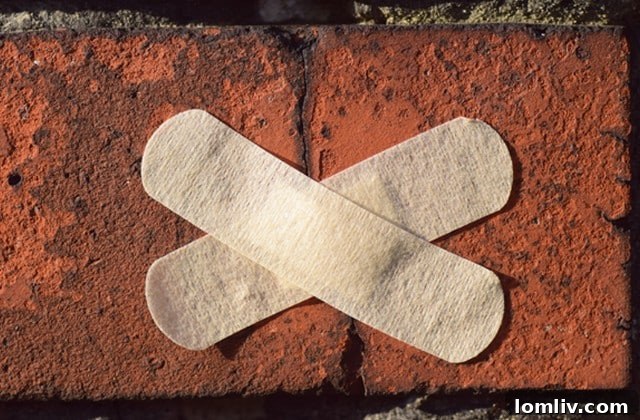
The Hidden Dangers of Home Repair “Band-Aids”: A Closer Look at Temporary Fixes
Every week, the detail-oriented folks at Green Scene Home Inspections provide Daltxrealestate.com readers with invaluable insights into home maintenance and potential issues. Tune in for “Upon Closer Inspection” to see what they uncover.
Owning a home inevitably means encountering unexpected problems. A leaky faucet, a drafty window, or a buzzing appliance – these are common occurrences that require attention. In the rush of daily life, it’s natural to seek quick solutions. Sometimes, necessity truly is the mother of invention, leading homeowners to grab whatever is handy for a temporary fix: a bucket under a leaky pipe, cardboard patching a broken window, or even duct tape holding almost anything together. While these makeshift solutions can provide immediate relief, the real trouble often begins when these temporary “band-aids” are left unattended, slowly festering into much larger, more expensive, and sometimes dangerous problems. The temptation to postpone a proper repair is strong, but the long-term consequences can be severe. Green Scene Home Inspections consistently uncovers examples of these quick fixes that have long overstayed their welcome, highlighting the critical difference between a temporary patch and a permanent solution.
When Quick Fixes Become Long-Term Problems
The allure of a quick fix is understandable. It saves time, money (in the short term), and effort. However, these temporary solutions rarely address the root cause of the problem. Instead, they often mask deeper issues, allowing them to worsen unnoticed. From compromised structural integrity to inefficient systems and potential safety hazards, neglecting proper repairs can have a cascading effect on your home’s health and your wallet. Let’s delve into some common “band-aids” that Green Scene Home Inspections has encountered in the field, illustrating why proactive, professional repairs are always the better choice.
Ductwork Dilemmas: The Peril of Painter’s Tape
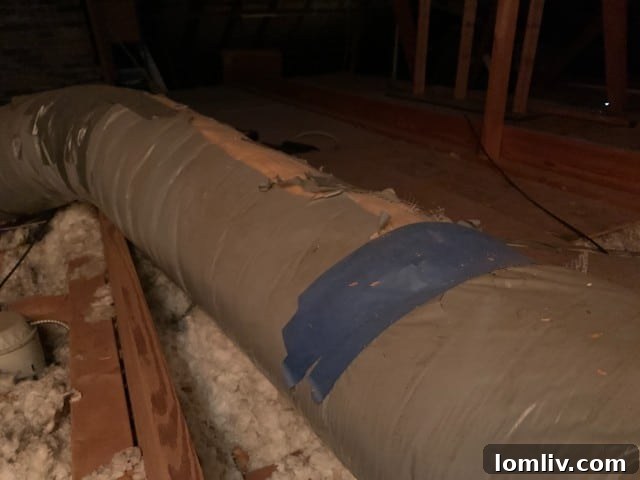
One of the most common issues inspectors find relates to a home’s HVAC system, specifically its ductwork. This homeowner, for instance, had used blue painter’s tape to seal up multiple breaks and gaps in the ductwork. While painter’s tape is excellent for its intended purpose – creating crisp paint lines – it is absolutely unsuitable for sealing ductwork. It lacks the adhesive strength, durability, and temperature resistance required for this application. Duct tape, despite its name, is also often inadequate for long-term duct sealing, as its adhesive can degrade over time. The proper solution involves using specialized mastic sealant or foil-backed tape designed specifically for HVAC systems.
Leaving ductwork sealed with inappropriate tape leads to several problems. Air leaks reduce the efficiency of your heating and cooling system, forcing it to work harder and increasing your energy bills. Moreover, unsealed ducts can draw in dust, allergens, and even mold spores from unconditioned spaces like attics or crawl spaces, compromising your indoor air quality. This seemingly minor “fix” can undermine your home’s comfort, health, and energy efficiency, costing you far more in the long run than a proper repair would have.
Foundation Follies: Covering Up Structural Issues
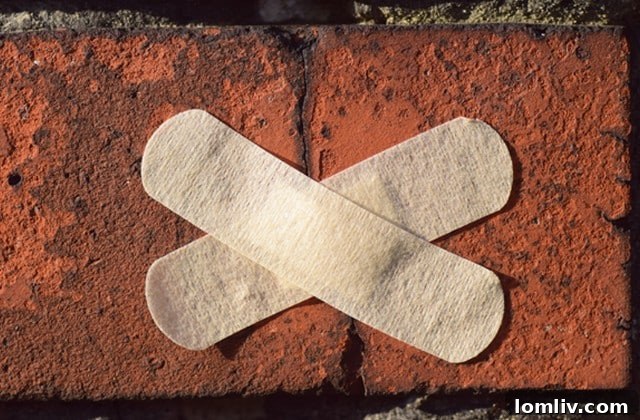
The foundation is literally the bedrock of your home, supporting its entire structure. Any damage to it can have far-reaching and severe consequences. Unfortunately, when it comes time to sell a home, some homeowners attempt to conceal signs of foundation damage rather than undertake the necessary, often costly, repairs. This can involve patching cracks, repainting walls to hide hairline fractures, or even placing furniture strategically. This practice is not only unethical but can also lead to significant legal and financial repercussions down the line for sellers, and catastrophic issues for unsuspecting buyers.
Foundation problems manifest in various ways: cracks in interior or exterior walls, uneven floors, sticking doors and windows, or gaps around window and door frames. These are not merely cosmetic issues; they indicate potential structural instability. Attempting to hide these problems not only prevents the underlying cause from being addressed but also risks exacerbating the damage. A professional foundation inspection can identify the extent of the issue and recommend appropriate, permanent solutions, which might range from simple drainage improvements to complex pier and beam repairs. Investing in professional foundation repair protects your home’s structural integrity, its value, and ensures the safety of its occupants.
Seasonal Shortsightedness: Misplaced Winter Protection
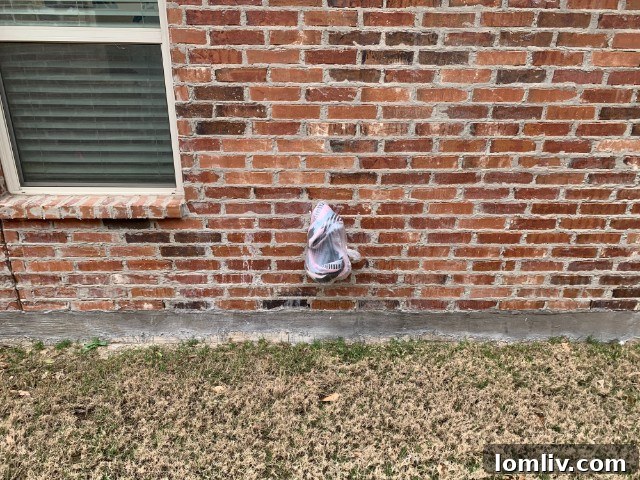
Protecting outdoor hose bibs (faucets) from freezing temperatures is crucial in colder climates to prevent pipes from bursting and causing extensive water damage. A common temporary measure is taping a towel inside a plastic bag around the hose bib. This “handy homeowner” did exactly that during a freeze, which is a sensible precaution. However, as our inspectors discovered, this photo was taken when it was a balmy 80 degrees Fahrenheit outside! Leaving winter protection on hose bibs during warm weather is a classic example of a forgotten temporary fix.
While not as immediately disastrous as other band-aids, leaving insulation on a hose bib in warm weather can still lead to problems. It can trap moisture against the spigot, promoting rust and deterioration of the metal. Furthermore, it suggests a lack of regular home maintenance oversight. Seasonal tasks, such as removing winter covers in spring and reinstalling them in fall, are small steps that contribute significantly to the longevity and proper functioning of your home’s systems. This oversight highlights the need for a seasonal maintenance checklist to ensure components are protected when needed and properly exposed for inspection and use otherwise.
The Bucket Brigade: When a Temporary Fix Becomes a Flood Risk
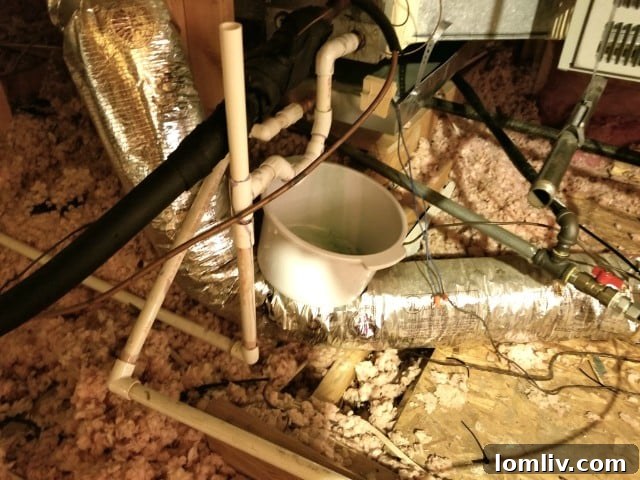
Perhaps the most iconic symbol of a neglected home repair is the bucket strategically placed under a persistent drip. What starts as a convenient way to manage a minor leak can quickly evolve into a major problem if the underlying issue is ignored. “What happens when the bucket overflows?” our inspectors ask. Even a small, continuous leak can saturate building materials, leading to extensive water damage, mold growth, structural rot, and even electrical hazards if wiring is exposed to moisture. The sight of a permanent bucket indicates that a temporary solution has become an entrenched problem, demonstrating a failure to address the actual source of the leak.
A constant drip, whether from a pipe, roof, or appliance, signals a flaw in your home’s plumbing or exterior envelope. Procrastinating on these repairs means risking thousands of dollars in restoration costs, not to mention potential health issues from mold. Professional plumbers and roofers can quickly diagnose and permanently fix leaks, saving homeowners from the eventual costly repercussions of their “bucket brigade” strategy. It’s a prime example of how a small, manageable problem balloons into a crisis due to inaction.
The True Cost of Neglect: Financial, Safety, and Value Implications
While these examples may seem distinct, they share a common thread: the long-term detriment caused by short-term thinking. The “true cost” of a neglected temporary fix extends far beyond the initial inconvenience or the aesthetic flaw. It encompasses significant financial burdens, potential safety hazards, and a tangible depreciation of your property’s value.
- Financial Strain: A small leak can lead to widespread water damage, requiring drywall replacement, mold remediation, and even structural timber repairs. An inefficient HVAC system due to leaky ducts translates to consistently higher utility bills. Foundation issues, left unaddressed, can necessitate complex and expensive structural engineering solutions. What started as a potentially inexpensive repair can quickly escalate into a five-figure ordeal.
- Safety Hazards: Water leaks near electrical systems pose electrocution risks. Compromised foundations can lead to structural collapse. Mold growth can severely impact indoor air quality, causing respiratory problems and other health issues for residents. These aren’t just property concerns; they are direct threats to the well-being of your family.
- Decreased Home Value: When it comes time to sell, concealed damages or visible signs of neglect will inevitably be discovered during a buyer’s home inspection. This can lead to significant price reductions, demands for costly repairs before closing, or even cause buyers to walk away entirely. A well-maintained home commands a higher market value and offers a smoother selling process.
The Importance of Proper, Timely Repairs and Professional Help
The lesson from these “band-aid” examples is clear: temporary fixes should remain just that – temporary. As soon as a problem is identified, it should be accurately diagnosed and properly repaired. This means understanding when a task is within your DIY capabilities and, more importantly, when to call in a professional. For complex systems like HVAC, plumbing, electrical, or structural components, expert knowledge and specialized tools are indispensable. Professionals ensure repairs are done correctly, adhere to building codes, and often come with warranties, providing peace of mind.
Proactive Home Maintenance: Your Best Defense
The best strategy against the pitfalls of “band-aid” fixes is proactive home maintenance. Regular inspections of your roof, plumbing, foundation, and HVAC system can identify minor issues before they escalate. Create a seasonal maintenance checklist:
- Spring: Inspect roof for winter damage, clean gutters, check exterior for cracks, test AC.
- Summer: Check plumbing for leaks, inspect decks/patios, service AC.
- Fall: Inspect furnace, clean chimneys, drain and cover hose bibs, seal drafts.
- Winter: Clear snow from roof (if applicable), check for drafts, monitor pipes.
This routine vigilance empowers homeowners to address problems systematically and prevent the need for desperate, temporary measures.
Green Scene Home Inspections: Your Partner in Home Health
This is where the expertise of Green Scene Home Inspections becomes invaluable. Whether you’re buying a new home, selling your current one, or simply wanting to ensure your property is in top condition, a thorough professional home inspection can uncover hidden “band-aids” and potential problems that might otherwise go unnoticed. Our detailed reports provide clear, actionable insights, helping you understand the true condition of your home and make informed decisions about necessary repairs and maintenance. We don’t just point out problems; we educate homeowners on their significance and recommend appropriate solutions, connecting you with trusted resources where needed.
Don’t let temporary fixes turn into permanent headaches. Prioritize proper home maintenance and professional repairs to ensure your home remains safe, efficient, and valuable for years to come. For a comprehensive assessment of your property and expert guidance, schedule your home inspection with Green Scene Home Inspections today. We see what others might miss, helping you build a foundation of true home health.