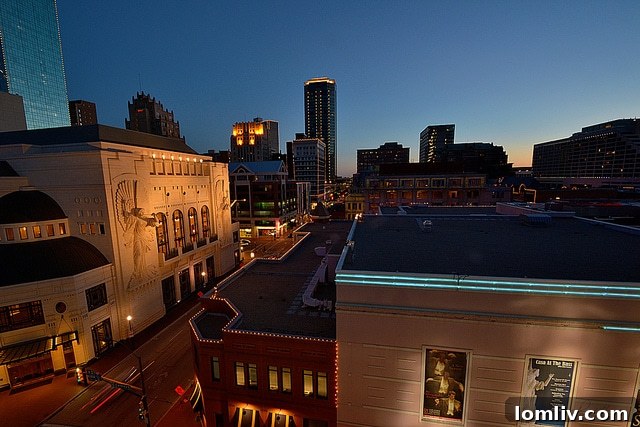
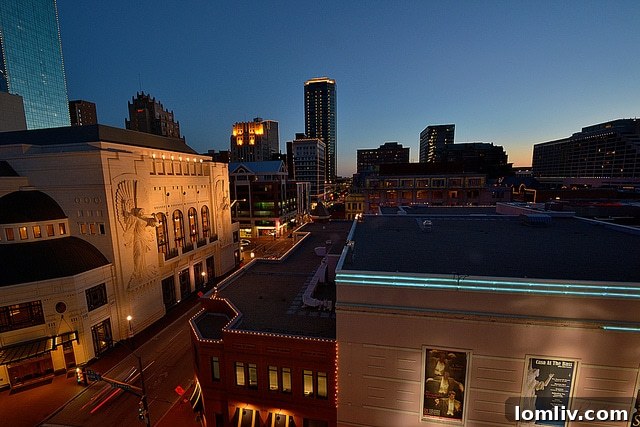
Fort Worth, affectionately known as “Cowtown,” has recently cemented its status as a powerhouse of urban development, boasting an impressive achievement: the U.S. Census Bureau declared it the fastest-growing big city in the nation between 2000 and 2013. This remarkable period saw the Fort Worth population experience an astounding 42.34 percent increase, a surge that has profoundly reshaped its landscape, economy, and community fabric. During the same timeframe, its neighbor, Dallas, while also growing, lagged significantly behind, ranking 24th nationally.
This rapid expansion is not merely a statistical anomaly but a clear indicator of Fort Worth’s burgeoning appeal. The 2010 Census recorded Fort Worth’s population at 741,206 residents, a substantial leap from the 534,694 inhabitants counted just a decade prior. Such accelerated growth propelled Fort Worth to become the 17th-largest city in the United States and the fifth-largest city within the expansive state of Texas, firmly establishing its position as a major urban center.
Fort Worth’s Unprecedented Growth: A Deep Dive into the Numbers
The U.S. Census Bureau’s findings underscore a significant demographic shift favoring Fort Worth. A 42.34 percent population increase over 13 years for a city of its size is nothing short of extraordinary. To put this in perspective, many established cities struggle to achieve single-digit growth rates, let alone such a dramatic expansion. This growth reflects a magnetic pull, attracting new residents seeking opportunity, affordability, and a vibrant lifestyle.
Comparing Fort Worth’s performance to other major Texan cities further highlights its exceptional trajectory. Austin, another rapidly expanding hub, secured the third spot nationally with nearly 15 percent growth, while San Antonio, also a key player in Texas’s economic landscape, grew at approximately half the rate of Fort Worth, ranking fourth. Dallas’s growth, at a comparatively modest 2.83 percent, illustrates the unique dynamism Fort Worth experienced within the same metropolitan area.
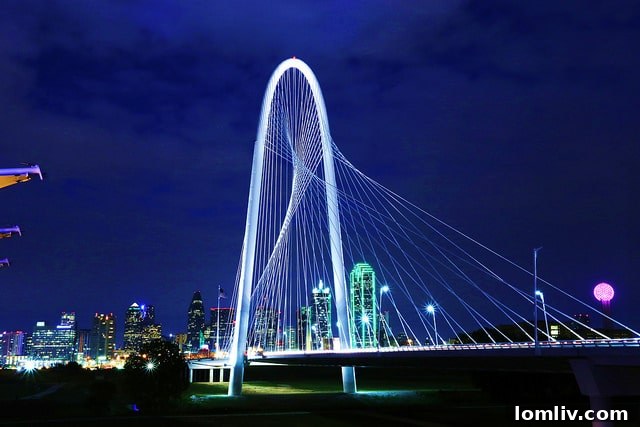
Beyond individual city achievements, Texas as a whole has consistently dominated national “fastest growth” lists. Between 2010 and 2011, among large metropolitan areas with populations of at least one million, four of the top 20 fastest-growing were located in Texas: Austin, San Antonio, the Dallas-Fort Worth metroplex, and Houston. This consistent trend indicates a statewide environment conducive to sustained population and economic expansion, setting a precedent for future growth.
The North Texas Economic Engine: Driving Population Influx
Jobs, Business, and Opportunity: The Core Magnet
The primary catalyst behind this significant migration to North Texas, particularly Fort Worth, can be summarized in one powerful word: **Jobs.** The region has cultivated a robust and diversified economy that consistently generates employment opportunities across various sectors. North Texas is a major corporate hub, proudly hosting over eighteen Fortune 500 companies, a testament to its attractive business environment and strategic advantages.
This vibrant economic landscape is no accident. It’s the result of concerted efforts by local leadership and economic development agencies. As former Mayor Betsy Price highlighted in her state of the city address, “Thanks to the work of our Fort Worth Chamber of Commerce and the city’s economic development team, Fort Worth landed 12 major business deals in 2013.” These crucial deals were instrumental in bringing in just under 7,000 new jobs and attracting an impressive $430 million in capital investment. This proactive approach to economic development has clearly paid dividends, reinforcing the mayor’s enthusiastic declaration: “We’re going gangbusters!”
The burgeoning job market encompasses a wide array of industries, from traditional sectors like aerospace, defense, and manufacturing to rapidly expanding fields such as technology, logistics, and finance. Companies are drawn to North Texas not only by a business-friendly regulatory environment and attractive incentives but also by the availability of a diverse and skilled workforce, fostered by excellent educational institutions and a growing population base. This continuous creation of high-quality employment opportunities serves as the fundamental bedrock of the region’s appeal.
Real Estate Market Dynamics: A Reflection of Growth
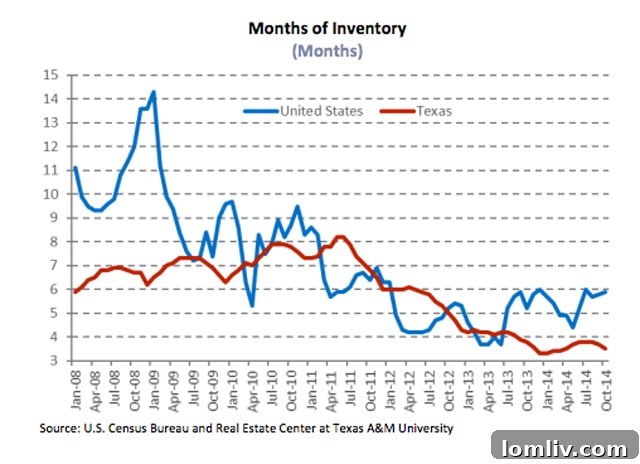
The influx of new residents, drawn by the promise of employment and opportunity, has had a profound and direct impact on the North Texas real estate market. The demand for housing has surged, creating a highly competitive environment for buyers. As observed by experts, the months of housing inventory in Texas have consistently remained below four months since 2013. This metric, which measures how long it would take for all homes on the market to sell at the current rate, indicates a severe imbalance where demand far outpaces supply, particularly in major urban centers like Fort Worth and Dallas.
This dynamic has naturally led to appreciating home values and a bustling construction industry striving to meet the escalating needs. The Dallas-Fort Worth metroplex has consequently earned significant recognition in the national real estate landscape. Notably, Realtor.com named Dallas-Fort Worth a “market to watch in 2015,” a designation that speaks to its strong fundamentals, including robust job growth, relative affordability compared to coastal metros, and ongoing population gains. For both first-time homebuyers and seasoned real estate investors, the DFW market presents compelling prospects.
Beyond Economics: The Allure of North Texas Lifestyle
While jobs are a primary draw, the North Texas region offers a multifaceted appeal that extends far beyond economic opportunity. It provides a comprehensive quality of life package that enhances its attractiveness for individuals and families considering relocation. These selling points contribute significantly to the sustained population growth and overall vibrancy of Fort Worth and the wider metroplex.
Affordability and Strategic Location
One of the most compelling aspects of North Texas is its **affordable housing** and a generally **low cost of living** when compared to other major metropolitan areas across the United States. This economic advantage allows residents to enjoy a higher quality of life, with more disposable income and greater access to homeownership. Coupled with a **business-friendly climate**, this affordability creates a virtuous cycle, attracting both companies and individuals seeking financial stability and growth.
Geographically, North Texas benefits from a highly **central location** within the United States. This strategic position makes it an ideal hub for logistics, distribution, and national business operations. For residents, it translates to convenient travel, with many major U.S. cities accessible within a few hours by air. Furthermore, the **proximity to DFW International Airport**, one of the busiest and best-connected airports in the world, offers unparalleled connectivity for both domestic and international travel, facilitating both business ventures and leisure pursuits.
Culture, Education, and Community
North Texas is not just about work; it’s also a vibrant cultural destination. Both Dallas and Fort Worth boast an incredibly **vibrant arts scene**, offering a rich tapestry of museums, performing arts venues, and galleries. Fort Worth’s Cultural District, home to world-class institutions like the Kimbell Art Museum, the Amon Carter Museum of American Art, and the Modern Art Museum of Fort Worth, offers unparalleled artistic experiences. Dallas’s Arts District is equally impressive, with its numerous theaters, opera, and symphony orchestra. These cultural amenities provide endless entertainment and enrichment opportunities for residents.
Beyond the arts, the region offers excellent educational opportunities, from top-rated public school districts to renowned universities, ensuring a skilled future workforce and fostering intellectual growth within the community. Expansive parks, numerous recreational facilities, and vibrant community events contribute to a high quality of life, catering to diverse interests and promoting active lifestyles.
Looking Ahead: Sustaining the Momentum
Fort Worth’s journey as the fastest-growing big city is a powerful testament to its enduring appeal and strategic advantages. The potent combination of a robust job market, a business-friendly environment, relative affordability, and a rich cultural scene has created an undeniable magnet for growth. As North Texas continues to expand, challenges related to infrastructure, sustainable development, and maintaining its unique community character will undoubtedly arise. However, with proactive leadership and continued investment, Fort Worth and the broader North Texas region are well-positioned to manage this growth effectively, ensuring a prosperous and dynamic future for all its residents.
The story of Fort Worth’s population boom is more than just statistics; it’s a narrative of ambition, opportunity, and transformation. It highlights a region that successfully blends its rich historical roots with a forward-looking vision, solidifying its place as a crucial economic and cultural center in the heart of Texas and the nation.