Fair Park’s Future: A New Proposal from Monte Anderson Challenges Status Quo
Dallas City Hall has maintained an unusual silence regarding the Humann Foundation’s proposal for the revitalization of Fair Park. Despite initial expectations that the plan would be a primary focus during last Wednesday’s budget discussions – especially with funds for the Foundation’s first year already allocated in the new city budget – no official word has emerged. This quiet period has left many wondering about the current status of negotiations and the direction Fair Park’s future might take.
Speculation suggests that the three City Council members tasked with revising the contract, which was deemed unappealing by the City Council on August 30, are still actively working behind the scenes. However, a significant new development may offer a more compelling reason for the unexpected lull in public discourse: an alternative proposal has been put forward by renowned Dallas developer, Monte Anderson.
An Alternative Vision Emerges: Monte Anderson’s Bold Request
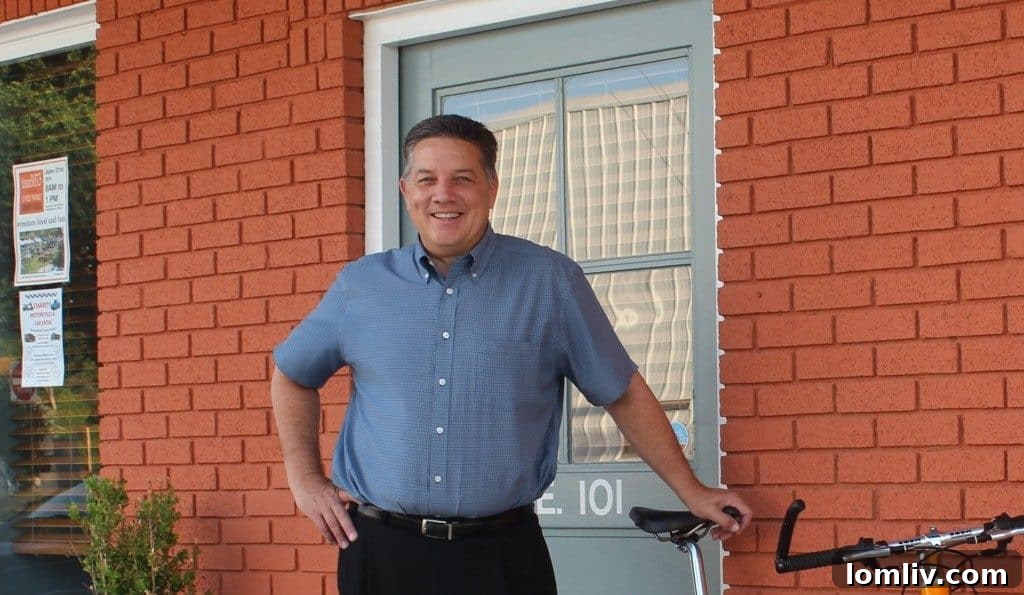
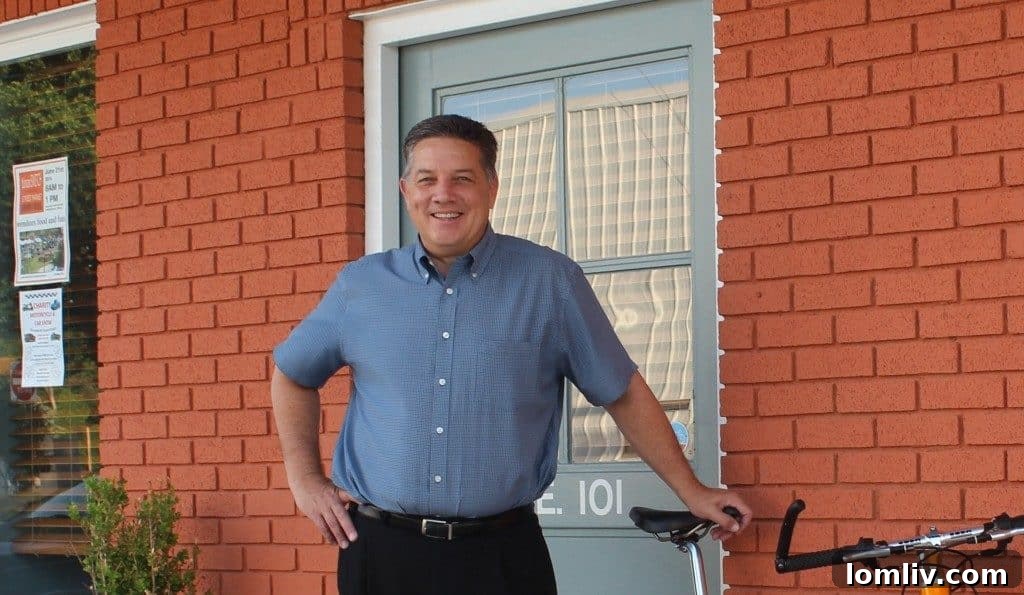
The quiet at City Hall might be attributable to a pivotal email received by Mayor Rawlings from at least one developer, Monte Anderson, requesting a crucial 30-day window to present a competing proposal for Fair Park’s management. This development signals a potential shift in the narrative surrounding one of Dallas’s most iconic and historically significant public spaces.
From: Monte Anderson <[email protected]>
Date: September 20, 2016 at 3:56:26 PM CDT
To: Mike Rawlings <[email protected]>
Cc: [email protected], [email protected], [email protected], [email protected], [email protected], [email protected], [email protected]
Subject: Request to Submit Proposal for Fair Park
Dear Mayor Rawlings,
Michael Jenkins and I have put together a team to present an alternative proposal for the management of Fair Park. We think we can improve upon the economics of the Humann Plan that is currently being considered.
We are asking you for 30 days to present our proposal.
Respectfully,
Monte Anderson
Options Real Estate
214-546-1200
This direct appeal from Monte Anderson raises significant questions: Could this new plan address some of the concerns raised about previous proposals, potentially including the immediate integration of green spaces and community-focused elements that residents have long advocated for? The involvement of Anderson, a developer with a sterling reputation for thoughtful urban revitalization, suggests a potentially radically different approach to Fair Park’s future.
Monte Anderson: A Pioneer in Community-Centric Development
When discussing successful real estate development in Dallas’s often-overlooked neighborhoods, Monte Anderson’s name quickly rises to prominence. He is widely recognized for his innovative and community-first approach, particularly in the southern sector of Dallas.
Anderson has been called the “undisputed authority on real estate development in the southern sector.” His firm, Options Real Estate, Inc., stands as one of the largest and most successful commercial real estate development and brokerage firms south of I-30. What truly sets Anderson apart, however, is his pioneering work in what he terms “gentlefication.”
Understanding “Gentlefication”: A Sustainable Approach to Urban Renewal
Unlike traditional gentrification, which often leads to the displacement of long-term, low-income residents as higher-income individuals move into newly revitalized areas (think of the rapid transformation seen in areas like State Thomas), Monte Anderson’s “gentlefication” is a deliberate, slower process. His philosophy centers on moving into distressed neighborhoods and undertaking redevelopment in a manner that reduces crime, fosters community harmony, and builds sustainable local economies without forcing out existing populations.
This approach operates successfully even under challenging market conditions that typically deter other developers. Having spent time observing Monte’s work, his core philosophy resonates deeply: “don’t just feed them, teach them how to fish.” This ethos translates into development strategies that empower residents, encourage local entrepreneurship, and strengthen the existing social fabric, rather than dismantling it for quick profits.
Gentlefication aims to help long-term residents reclaim their neighborhoods, stabilize property values in a way that benefits current homeowners, and construct safe, thriving communities for their families. It’s a stark contrast to the often criticized consequences of rapid gentrification, which can erase the cultural identity of a neighborhood and exacerbate socioeconomic disparities.
A Critique of Dallas’s “Grow South” Initiative
Monte Anderson’s distinctive vision extends to his thoughtful critique of broader city initiatives. As Leah Shafer detailed in an earlier piece about Anderson, he has been vocal about the limitations of Mayor Rawlings’ “Grow South” plan:
“The mayor’s Grow South plan is nothing but superficial marketing—it has no sustainable wealth-building characteristics,” Anderson said. “Find the one deal that has changed somebody’s life that lives in South Dallas. It’s typical Dallas thinking: the rich people in Dallas think it’s got to be big; it can’t be good unless it’s big. Yet all the special places we love are small.”
Anderson’s critique highlights a fundamental difference in urban development philosophies. While “Grow South” has been framed as an initiative to stimulate economic growth in the city’s southern sector, Anderson argues it lacks the grassroots, life-changing impact necessary for genuine community upliftment. He challenges the prevailing notion that “bigger is always better,” advocating instead for focused, incremental, and community-driven projects that foster sustainable wealth and cultivate unique, beloved local spaces.
This perspective underscores why Anderson’s potential involvement in Fair Park is so significant. His track record and philosophical alignment with slow, inclusive growth could offer a transformative path for the iconic park and its surrounding neighborhoods, which have long grappled with issues of neglect and underdevelopment.
The Stakes for Fair Park: A Pivotal Moment
Fair Park, a national historic landmark and home to the annual State Fair of Texas, holds immense cultural and economic potential for Dallas. For decades, its management and integration with the surrounding community have been subjects of intense debate. The prospect of Monte Anderson presenting an alternative proposal injects new hope and urgency into these discussions.
A plan spearheaded by Anderson and Michael Jenkins could mean a fundamental shift from previous models. It might prioritize the creation of public green spaces from the outset, ensure greater community input, and implement economic strategies that directly benefit existing residents and local businesses. This approach aligns perfectly with the gentlefication model, aiming for a Fair Park that truly serves as an anchor for sustainable community development, rather than merely a venue for large-scale events or a driver of speculative real estate ventures that displace long-term inhabitants.
The 30-day window Anderson has requested is more than just a procedural formality; it represents an opportunity for Dallas to critically re-evaluate its vision for Fair Park. It challenges City Hall to consider a model of development that prioritizes long-term community health and equity alongside economic viability. This is a pivotal moment that could define the legacy of Mayor Rawlings and the current City Council, offering a chance to choose a path that is not just economically sound but also socially responsible and deeply rooted in the needs of Dallas’s diverse communities.
All eyes are now on City Hall. Will they grant Monte Anderson the opportunity to present his alternative vision, or will they continue down the path of the Humann Foundation proposal? The decision will undoubtedly have lasting implications for Fair Park and the vibrant communities it represents.