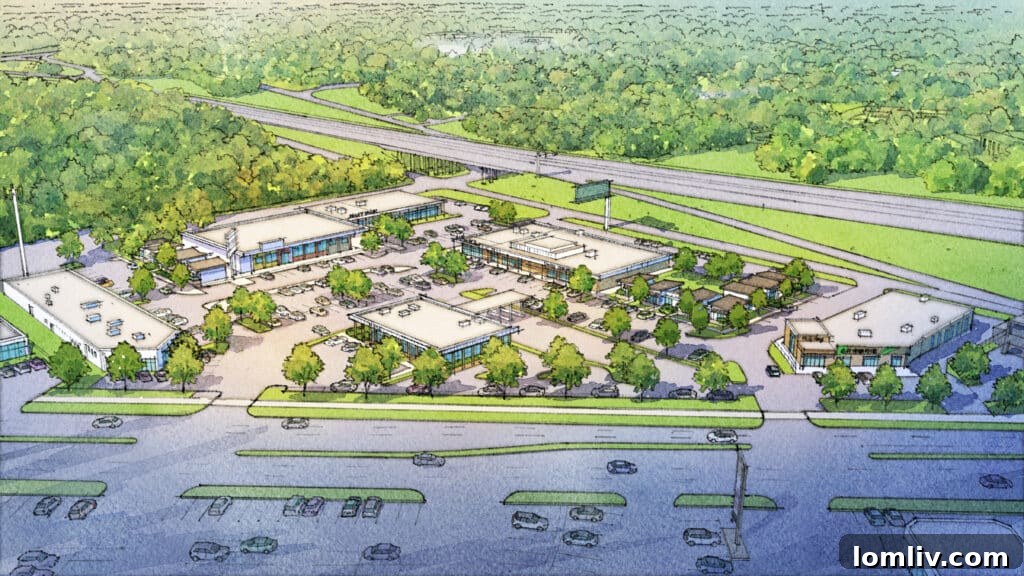
The challenges facing many suburban communities are multifaceted: aging retail infrastructure, an abundance of underutilized parking space, and a pressing need for quality, affordable housing. In Dallas, specifically in the Southern Dallas corridor, these issues converge, presenting a unique opportunity for visionary development. Rather than succumbing to the traditional cycle of demolition and new construction, what if these overlooked assets could be transformed to address critical community needs?
The answer, according to local realtor and developer Monte Anderson of Options Real Estate, lies in innovative urban redevelopment. Anderson owns the Golden Triangle Shopping Center at 3939 S. Polk St., a property that has served the community since the 1960s. He has put forth a compelling proposal to rezone the site, transitioning it from its current regional retail designation to a vibrant, walkable mixed-use hub. Central to this transformation is the construction of 12 thoughtfully designed, one-story “micro homes,” each slated to rent for under $1,000 per month. This initiative is a prime example of adaptive reuse, turning existing structures and spaces into new, functional assets that directly benefit the community.
Anderson’s approach, while innovative and community-centric, is not without its hurdles. He acknowledges the uncertainties inherent in such a rezoning process. “I hope for the best but I’m prepared for the worst,” Anderson stated, reflecting on the potential for bureaucratic challenges. He expressed a sentiment common among local developers deeply invested in specific areas, noting, “The City of Dallas doesn’t include me on anything they do in Southern Dallas and I’ve got successful projects that are being done without subsidy all over the place.” This highlights a broader issue in urban planning: the need for city administrations to actively engage with and leverage the expertise of local developers who possess an intimate understanding of their communities and a proven track record of successful, unsubsidized projects.
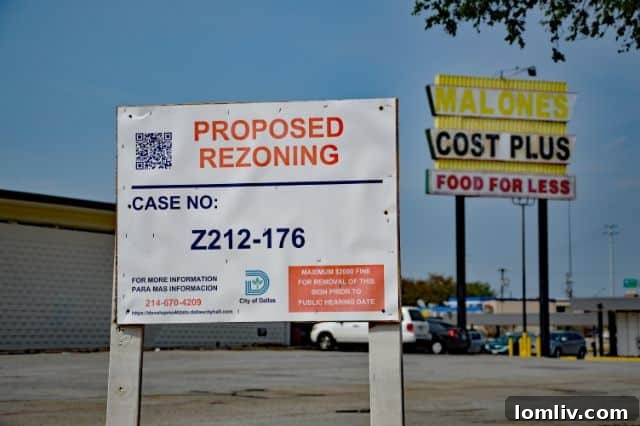
Photo: Mimi Perez for Daltxrealestate.com
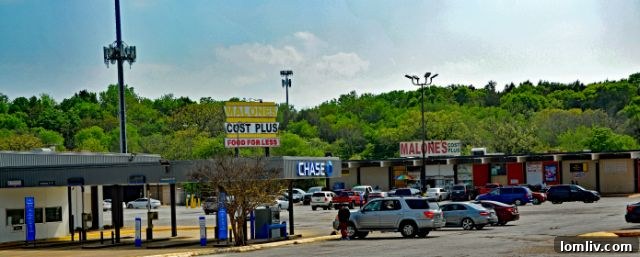
Photo: Mimi Perez for Daltxrealestate.com
Crafting Community: The Vision for Micro Homes and Walkable Living
Monte Anderson is no stranger to innovative housing solutions. His track record includes similar successful developments, providing a tangible blueprint for what he envisions at 3939 S. Polk Street. He believes firmly that this model works because he himself embodies the lifestyle. “I myself live in a similar unit,” Anderson shared, describing his residence in downtown Duncanville, located directly across from a 24-hour tire store and above a Chinese restaurant, where trains frequently pass by. “It’s a very noisy area. Not everybody likes that, and if you don’t like it, you shouldn’t live here.” This personal experience underscores his commitment to creating functional, albeit unconventional, living spaces that cater to a specific demographic and lifestyle.
For the Polk Street development in South Oak Cliff, Anderson envisions a primary demographic of single women over 60. This demographic often seeks smaller, more manageable living spaces that are both affordable and conveniently located. His commitment to quality, irrespective of size, is a cornerstone of his philosophy. “I’m a guy that does not build cheap stuff,” Anderson emphasized. “I build really good stuff, but it’s small.” This distinction is crucial; these micro homes are designed to be high-quality, durable, and well-appointed, offering comfort and dignity within a compact footprint. This approach directly challenges the misconception that affordable housing must equate to low-quality housing.
The strategic location of the Golden Triangle Shopping Center further enhances the appeal of these micro homes. In an area that demands greater accessibility and convenience, future residents will find a grocery store, a daycare center, and four dining establishments all within comfortable walking distance. This focus on creating a truly walkable community not only reduces reliance on personal vehicles but also fosters a stronger sense of local engagement and reduces the carbon footprint of daily life. Furthermore, by repurposing a vast, underutilized parking lot for new housing, Anderson’s project exemplifies sustainable development practices, minimizing waste and preventing the existing shopping center from ending up in a landfill. The shopping center will continue to serve its current patrons, many of whom rely on it for their essential grocery needs, while also welcoming a new residential component.
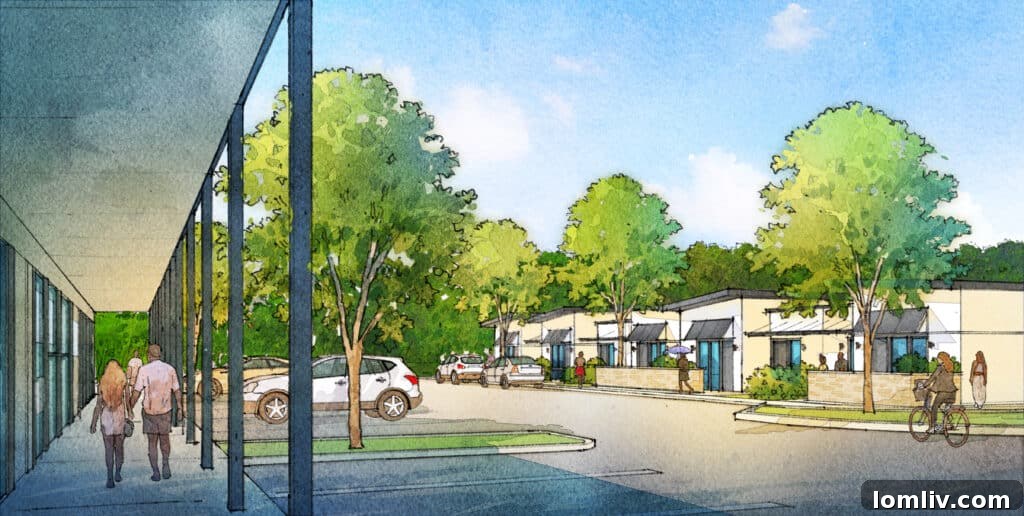
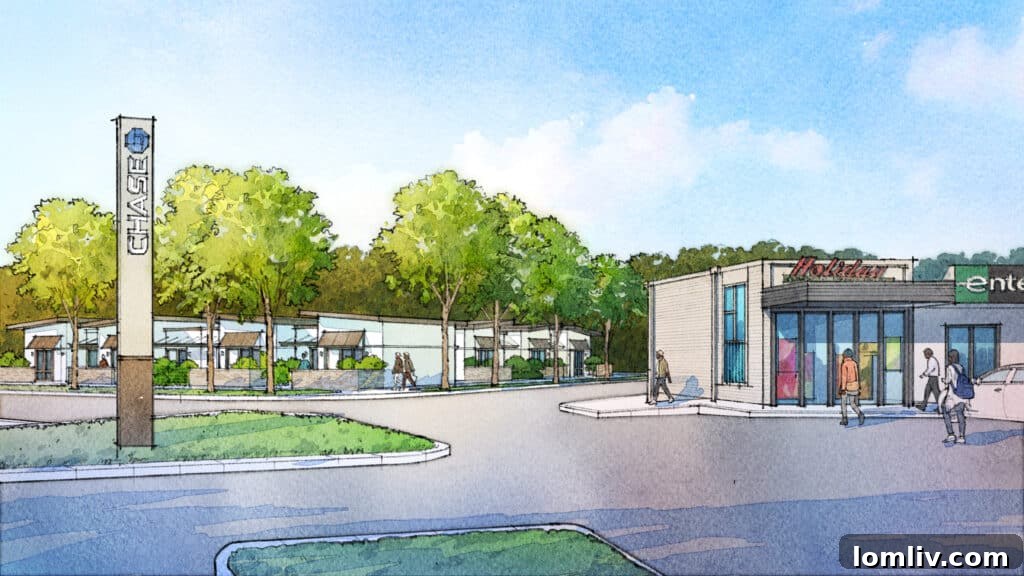
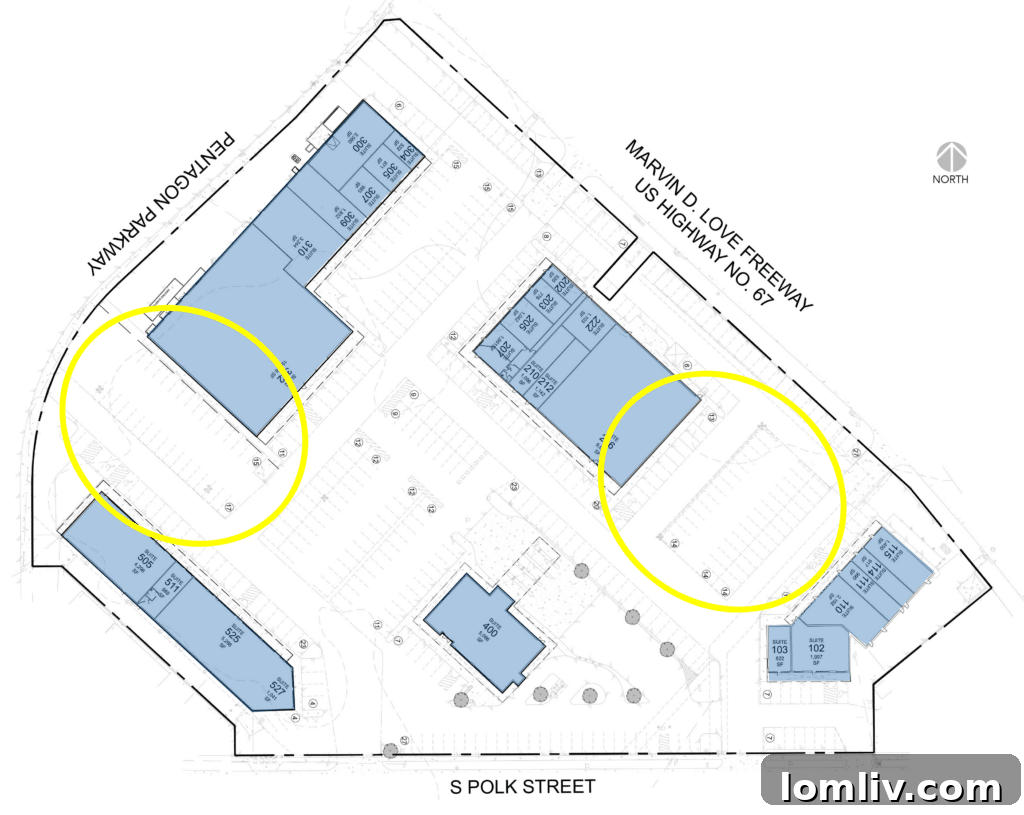
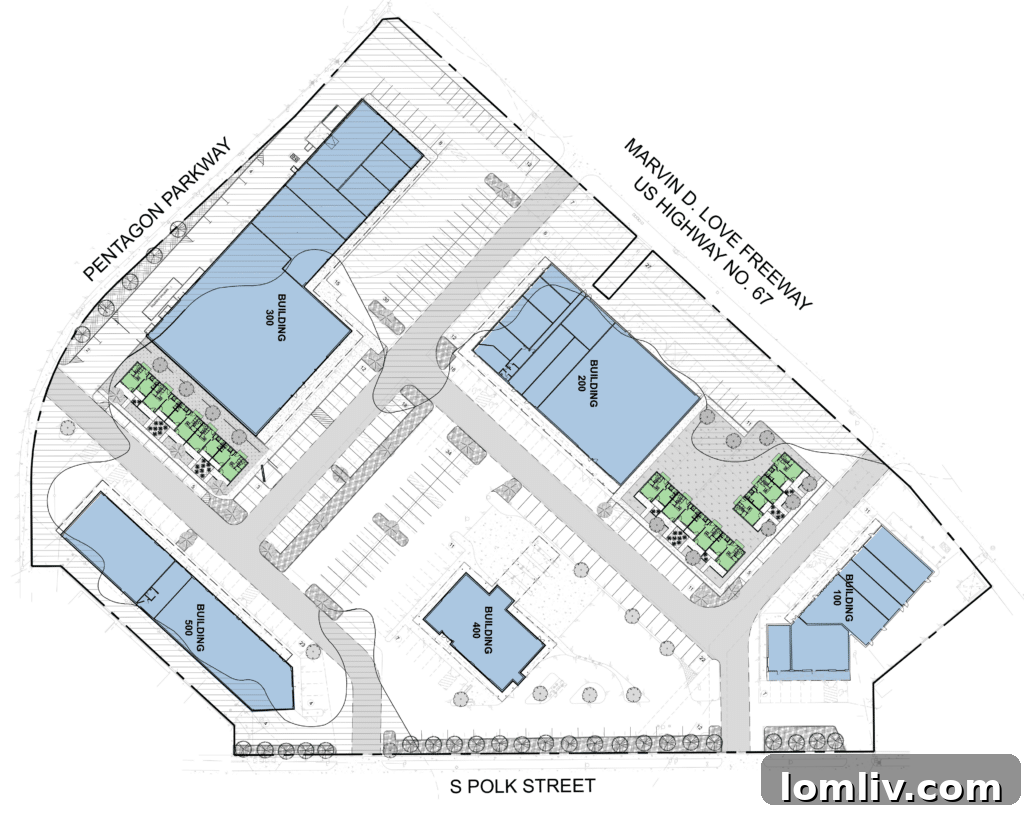
A perennial question in urban development, especially concerning affordable housing, revolves around its potential impact on surrounding neighborhoods. Anderson directly addresses this, stating, “Will somebody that was homeless be able to live here? I hope so.” His vision for the Polk Street development is one of true diversity and integration, a stark contrast to projects that cater to a single demographic. “I’m not interested in all homeless, all elderly, all low-income, or all yuppies from Bishop Arts. I’m interested in a mixture of all the above.” This philosophy promotes a healthy, vibrant community fabric, recognizing that diverse income levels and backgrounds enrich a neighborhood rather than detract from it.
The surrounding area presents an interesting juxtaposition, featuring the high-income Golf Club of Dallas (formerly Oak Cliff Country Club, purchased by Dr. Tony Evans’ megachurch, Oak Cliff Bible Fellowship) and substantial 200-unit apartment buildings to the north. Despite the evident need for diverse housing options, Anderson has encountered resistance. He noted that some neighbors’ concerns about his development regrettably lean towards racist and classist undertones. “They don’t want any poor minorities moving in there,” he recounted, adding, “They want me to put big houses in. The poor people are already here. We’ve got mentally ill and poor people. What should I do, run them off to the next neighborhood?” This highlights the ongoing battle against the “Not In My Backyard” (NIMBY) mentality, which often impedes crucial affordable housing projects despite overwhelming community need.
Committed to transparency and community engagement, Anderson has actively sought dialogue with residents. He has offered personal meetings, conducted site tours, and hosted a community meeting to address concerns and explain the project’s benefits. Should the rezoning be approved, Anderson estimates the construction of these micro homes would take approximately eight to nine months, signaling a relatively swift delivery of much-needed housing.
Anderson’s approach to supporting vulnerable populations is rooted in providing a “hand up” rather than a “handout.” He points to the success of Helen’s Project, a center on Polk Street that actively assists low-income and homeless individuals in securing housing. “It’s got a shower, food, and clothing,” Anderson explained. “They quit breaking in because we give it to them. There’s no one laying on the porches anymore because they can just come inside. It works. The war on poverty, homelessness, and drugs has never worked. We should have compassion.” This real-world example reinforces his belief that dignity, support, and practical solutions are far more effective than punitive measures or neglect when addressing societal challenges like homelessness.
Economic Development and a Humane Approach to Urban Growth
Anderson firmly believes that his proposed development at 3939 S. Polk Street is not merely a housing project but a vital component of sustainable economic development for Southern Dallas. He contends it offers a far more “humane” approach to urban growth than many projects seen in areas like Bishop Arts or West Dallas, which often lead to displacement and gentrification. “Gentrification is pushing the middle class down,” he explained, emphasizing its ripple effect: “That puts more pressure on the homeless and mentally ill. We should house them wherever they are.” His project aims to counteract this trend by providing stable, affordable housing that allows existing residents to remain within their communities, fostering organic growth rather than exclusionary development.
Despite some initial opposition on social media platforms, Anderson remains confident in the market demand for this type of housing. He frames the project within a broader context: “If this project wasn’t there and I said I’m going to build a mixed-use development with 12 units, four restaurants, and a daycare, people would fall all over it.” This illustrates the inherent value proposition of a development that combines residential, retail, and community services in a compact, accessible format. He proudly asserts, “This is a really good project, a cutting-edge project. We’re doing something very decent, and to scale. We can’t afford to tear down all these shopping centers and put them in the landfill. The stuff we do, it’s proven that we actually care about the neighborhood. We’re just regular middle-class people ourselves.” This perspective underscores a commitment to equitable development that respects existing infrastructure and community character.
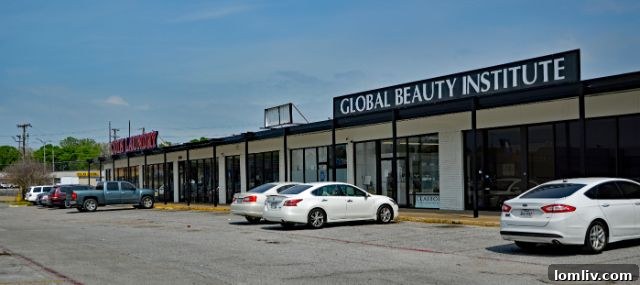
Photo: Mimi Perez for Daltxrealestate.com
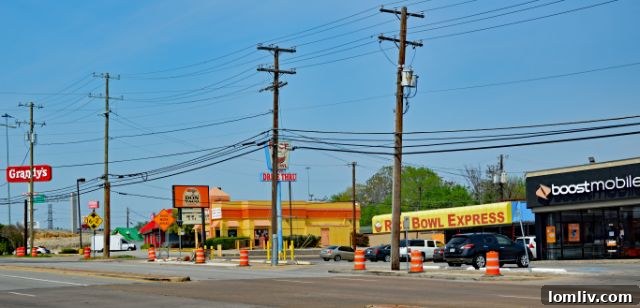
Photo: Mimi Perez for Daltxrealestate.com
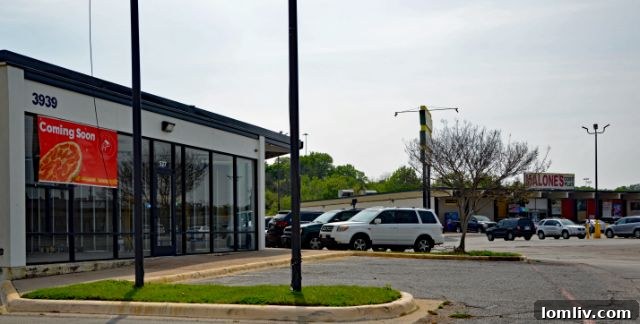
Photo: Mimi Perez for Daltxrealestate.com
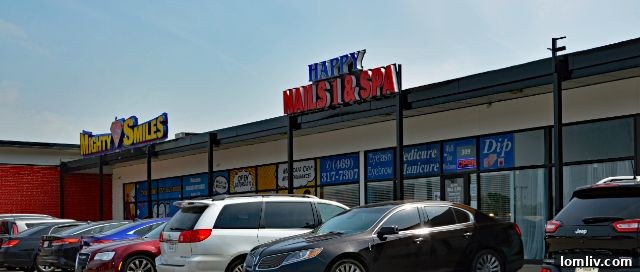
Photo: Mimi Perez for Daltxrealestate.com
The addition of 500-square-foot micro homes represents a significant improvement for the existing shopping center and the broader community, offering a far more beneficial outcome than selling the property to an impersonal investor. Anderson recounted a personal anecdote to illustrate his conviction: “If I would have known what was going to happen to the Belmont Hotel, I never would have sold it.” He explained that when he sold the Belmont in 2015, he promptly reinvested 100 percent of the profits into acquiring and rehabilitating “crappy properties,” driven by a desire to improve rather than merely profit. “I hate what happened there. I didn’t have the hotel for sale when it sold. They came to me.” This story underscores his commitment to responsible development and his aversion to purely speculative ventures that can erode community character and benefit only a few.
With over three decades of experience in real estate, Monte Anderson has dedicated his “attention, money, emotional, and mental health and support on Southern Dallas County.” This deeply personal investment stems from his roots: “It’s where I grew up,” he said. “It’s my home. It’s the philosophy I teach.” His core belief is that local developers are inherently better stewards of their communities. While acknowledging the importance of financial viability, he insists that “doing good is equally important.” He characterizes himself as a capitalist, but one with a profound sense of social responsibility. “I’m a capitalist. I’m not a socialist. Those of us that have the abilities and resources should be more responsible for what we do.” This philosophy of responsible capitalism, where profit is balanced with community benefit and ethical development, positions Monte Anderson’s Golden Triangle Shopping Center project as a blueprint for a more equitable and sustainable future in urban development.