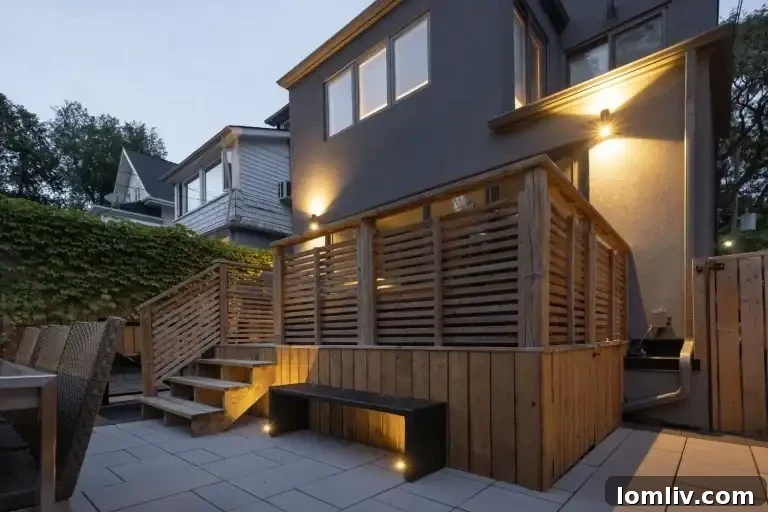
As a seasoned and licensed residential deck contractor and outdoor living space specialist, I’ve dedicated decades to transforming challenging outdoor areas into stunning, functional extensions of the home. From intricate urban landscapes to sprawling rural properties, I’ve tackled some of the most complex deck projects imaginable. Today, I want to pull back the curtain and share some crucial insights into multi-level deck construction—the realistic considerations and intricate details you won’t typically find in standard home improvement guides.
Multi-level decks are more than just elevated platforms; they are sophisticated architectural features that require meticulous planning, specialized knowledge, and an unwavering commitment to quality. They offer dynamic spaces, solve challenging elevation changes, and significantly enhance property value and lifestyle. However, their complexity introduces unique hurdles that only an experienced professional can truly navigate effectively. This deep dive will explore the critical aspects that differentiate a successful, long-lasting multi-level deck from one fraught with issues, helping you understand the true scope of such an ambitious project.
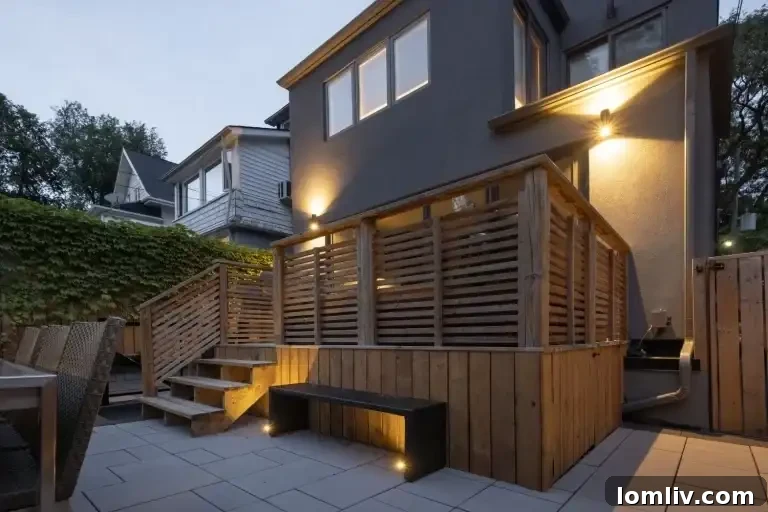
Foundation and Site Preparation Challenges for Multi-Level Decks
The saying “a house is only as strong as its foundation” holds especially true for multi-level decks. Most homeowners, understandably, underestimate the complexities that lie beneath their yard’s surface. After excavating hundreds of sites across various terrains, I’ve encountered everything from unforeseen rock formations and high water tables to concealed underground springs and unmarked utility lines. Each discovery can significantly alter the project’s scope, timeline, and budget.
Just last month, while beginning a three-tier deck project, our team unearthed an old septic tank that was not documented in any property records. This unexpected find necessitated a complete re-evaluation of our foundation strategy, requiring specialized structural supports and a revised layout to ensure stability and compliance. Such discoveries are not rare; they underscore the absolute necessity of comprehensive site analysis, soil testing, and utility locating services before any excavation begins. Ignoring these crucial preliminary steps can lead to costly delays, structural instability, and even safety hazards, making expert deck foundation contractor experience indispensable.
Navigating Local Building Codes and Permitting for Deck Construction
Building codes are far more than mere bureaucratic red tape; they are fundamental safety guidelines designed to protect occupants and ensure structural integrity. For multi-level deck projects, these regulations become exponentially more stringent and varied, differing significantly from one municipality or region to another. What’s permissible in one area might be strictly prohibited just a few miles away. For instance, coastal regions often mandate specific hurricane ties, enhanced wind load calculations, and corrosion-resistant fasteners, while mountain communities require different snow load calculations and frost line depths to prevent structural damage from shifting ground.
Your local building department will likely have unique requirements pertaining to ledger board attachment, railing heights, stair dimensions (rise and run ratios), bracing, and proximity to property lines, especially for structures with multiple levels. Obtaining the correct permits is not just a legal formality; it’s a critical step that ensures your deck meets rigorous safety standards and stands up to environmental stresses. Non-compliance can result in hefty fines, mandatory demolition, and significant liability issues, making a deep understanding of local ordinances and a meticulous approach to permitting non-negotiable for any aspiring multi-level deck builder.
Material Selection and Environmental Factors in Deck Building
Pressure-Treated Lumber vs. Composites: A Deeper Look
The ongoing debate between traditional pressure-treated lumber and modern composite materials is far more nuanced than marketing campaigns often suggest. While composites are lauded for their low maintenance and resistance to rot and insects, they present their own set of considerations. Composite decking, made from a blend of wood fibers and plastic, expands and contracts differently than solid wood, especially in regions experiencing extreme temperature fluctuations. On multi-level projects, this differential movement can create unique structural challenges, potentially leading to warping, bowing, or fastener issues if not properly accounted for during design and installation. Furthermore, the initial cost of composites is often higher, though this can be offset by reduced long-term maintenance. Natural wood options like cedar, redwood, or exotic hardwoods offer unparalleled beauty and a classic feel but demand regular sealing and staining to maintain their appearance and longevity. A skilled custom deck design expert will help you weigh the aesthetics, longevity, maintenance, and budget to select the ideal material for your specific climate and lifestyle.
Hardware and Fasteners: The Unsung Heroes of Deck Durability
The choice of hardware and fasteners is absolutely critical to the structural integrity and longevity of a multi-level deck, yet it’s often overlooked by less experienced builders. I’ve witnessed countless beautiful decks succumb to premature failure because improper screws or mixed metals were used. Using indoor-grade screws outdoors leads to rapid corrosion, weakening critical connections. Similarly, combining dissimilar metals can trigger galvanic corrosion, where one metal rapidly deteriorates when in contact with another in the presence of moisture. For multi-level projects, which endure greater stresses, we exclusively recommend hot-dipped galvanized or stainless steel fasteners. The specific type depends on your local climate’s humidity, salt exposure (for coastal areas), and your overall budget. Specialized fasteners designed for composite decking are also crucial to accommodate their unique expansion and contraction properties, preventing “mushrooming” or withdrawal. These details, though seemingly minor, are paramount for a deck that will stand strong for decades.
Drainage Systems and Water Management for Deck Longevity
Water is undeniably your deck’s greatest adversary, and in multi-level configurations, its management becomes even more complex. Without proper planning, water can pool on lower levels, cascade incorrectly, and seep into critical structural components, leading to rot, mold, mildew, and ultimately, structural failure. Each level of a multi-level deck requires an independent and effective drainage strategy. This often involves designing subtle slopes into the deck surface to direct water away from the house and structural posts, as well as installing hidden drainage channels—such as trough systems or under-deck membranes—that capture water from upper levels and divert it safely away. We also utilize specialized flashing techniques between levels and where the deck meets the house to create impenetrable barriers against moisture intrusion. This meticulous attention to water management isn’t merely about preventing unsightly stains or slippery surfaces; it’s about safeguarding your significant investment and ensuring your deck remains safe and beautiful for many years to come.
Level-to-Level Transitions: Design and Safety
Staircase Design and Implementation for Multi-Level Decks
Stairs on a multi-level deck are far more than a functional means of traversing elevations; they are integral design elements that must be both highly functional and aesthetically pleasing. Calculating the optimal rise and run ratios is a precise science, influenced by local building codes for safety and user comfort. Too steep or too shallow, and stairs become uncomfortable or dangerous. We meticulously plan for adequate headroom, proper tread depth, and consistent riser heights to minimize tripping hazards. For complex layouts, incorporating landings or changing the direction of a staircase can significantly improve both safety and visual appeal, breaking up long runs and providing resting points. Lighting for stairs is another crucial safety feature, preventing falls during evening use. Consideration for universal design principles, such as wider treads or gentle slopes, can also ensure the deck is accessible to all family members and guests, regardless of mobility challenges. The design of each staircase is a bespoke process, harmonizing local regulations with the client’s vision for their outdoor living space.
Safety Railings and Barriers for Multi-Level Decks
Each level of a multi-tier deck necessitates appropriate safety barriers, and the selection of these railings involves a careful balance between safety compliance and aesthetic preference. Modern cable railings offer sleek, unobstructed views but might not meet specific code requirements in all areas, particularly concerning infill spacing and climbability for children. Glass panels provide unparalleled visual openness and contemporary elegance but require specialized cleaning and may be prone to fingerprints or glare. Traditional wood or composite railings offer classic appeal and robustness. Regardless of material, all railings must meet stringent height requirements (typically 36 or 42 inches, depending on deck height), withstand specific horizontal loads, and have infill spacing that prevents a 4-inch sphere from passing through, safeguarding children and pets. Our approach always balances these practical safety requirements with your desired aesthetic, ensuring your multi-level deck is not only stunning but also completely secure for everyone who enjoys it.
Integration of Modern Amenities in Deck Design
Advanced Lighting Systems for Outdoor Living Spaces
Thoughtful lighting can profoundly transform a multi-level deck from a daytime-only space into a vibrant, 24-hour outdoor living area. Effective lighting plans encompass a variety of elements: ambient lighting for general illumination, task lighting for specific areas like outdoor kitchens or grilling stations, and accent lighting to highlight architectural features or landscaping. During the framing stage, we meticulously pre-plan and install electrical conduits, allowing for seamless integration of both low-voltage LED lights (for energy efficiency and safety) and line-voltage fixtures. Options include integrated post cap lights, recessed stair lights for enhanced safety, strategically placed uplights, and even smart lighting systems that can be controlled remotely or through voice commands. Beyond functionality, lighting profoundly impacts the mood and ambiance of your outdoor space, extending its usability and enjoyment well into the evening hours, making your deck truly glow.
Built-in Features and Customization for Multi-Level Decks
Integrating built-in features dramatically enhances the functionality and luxury of a multi-level deck, transforming it into a personalized outdoor oasis. From sophisticated outdoor kitchens complete with grills, refrigerators, and sinks, to comfortable storage benches, custom planters, fire pits, or even integrated hot tub surrounds, each feature demands careful planning. Critical considerations include precise weight distribution to ensure structural integrity, especially on upper levels. Weather protection is paramount for electronics and appliances, requiring waterproof enclosures and robust covers. Accessibility for maintenance and utility routing (gas lines for fire pits and grills, water lines for sinks, electrical outlets) must be planned from the initial design phase. We consider how each feature will be used at each specific level, ensuring optimal placement and seamless integration into the overall deck structure, providing maximum enjoyment and convenience for your outdoor lifestyle.
Project Timeline and Budget Realities for Custom Deck Projects
Here’s the honest truth about project timelines: constructing a high-quality, custom multi-level deck is a significant undertaking that requires considerable time and meticulous effort. It is not a quick weekend project. Numerous factors influence the completion date, including unforeseen weather delays, material availability (especially for specialized or custom components), and the schedules for various municipal inspections. A typical multi-level deck, depending on its complexity, size, and the extent of integrated features, can take anywhere from 4 to 12 weeks, and sometimes even longer, from initial groundbreaking to final walkthrough. Budget realities also demand transparency. Costs are influenced by material choices (exotic hardwoods or premium composites versus pressure-treated lumber), labor rates, site accessibility, engineering requirements, and the number of custom features. While it’s tempting to seek the lowest bid, remember that quality craftsmanship, adherence to codes, and durable materials represent a long-term investment. An experienced contractor provides detailed, transparent estimates, helping you understand where every dollar goes and ensuring there are no hidden surprises along the way, guaranteeing the true value of your investment.
Ongoing Maintenance Requirements for Multi-Level Decks
Unlike single-level structures, multi-level decks often face varied environmental challenges across their different tiers, leading to diverse maintenance needs. Upper levels, frequently exposed to more direct sunlight, may require more frequent cleaning, sealing, or staining to protect against UV damage and weathering. Conversely, lower levels often contend with increased moisture retention, less air circulation, and a greater accumulation of leaves, debris, and potential mold growth, necessitating more diligent cleaning and inspection for rot or pest issues. Understanding these differential maintenance requirements is key to preserving your multi-level deck’s appearance, structural integrity, and investment value. Regular inspections for loose fasteners, splintering wood, or drainage blockages, along with seasonal cleaning and protective treatments, are essential components of a proactive maintenance plan tailored to the unique demands of each level of your deck. This diligent upkeep will ensure your outdoor sanctuary remains pristine and functional for decades.
Professional Expertise and Planning for Complex Deck Builds

The undisputed success of any multi-level deck project hinges almost entirely on thorough planning, precision engineering, and unparalleled professional expertise. These are not projects for the casual DIY enthusiast or weekend warrior. They demand a comprehensive understanding of complex structural engineering principles, a deep familiarity with local environmental conditions, and an up-to-the-minute knowledge of all applicable building codes and permit processes. Working with experienced, licensed professionals who possess a proven track record in multi-level construction is not merely advisable; it is absolutely crucial. A reputable contractor brings not only the necessary skill and equipment but also the invaluable insight gained from years of solving complex problems. They ensure that every beam, every fastener, and every railing is meticulously installed to meet the highest standards of safety and durability, transforming your vision into a robust, beautiful, and lasting reality. Choosing a qualified expert safeguards your investment and delivers peace of mind.
Common Pitfalls to Avoid in Multi-Level Deck Construction
Even with the best intentions, multi-level deck projects can fall victim to several common, yet avoidable, pitfalls:
- Inadequate Foundation Work: Skimping on proper site assessment, soil testing, or foundation design can lead to settling, shifting, and ultimately, catastrophic structural failure, especially with the increased loads of multiple levels.
- Poor Water Management: Failure to incorporate effective drainage solutions can result in chronic moisture issues, leading to rot, mold, pest infestations, and premature deterioration of the deck’s components.
- Incorrect Material Choices for Your Climate: Using materials unsuitable for local temperature extremes, humidity levels, or sun exposure can lead to warping, cracking, fading, and significant maintenance headaches.
- Insufficient Structural Support Between Levels: Each level must be independently capable of supporting its intended load while also being seamlessly integrated with the other levels. Weak connections or inadequate bracing can compromise the entire structure’s stability.
- Non-Compliant Safety Features: Ignoring or misinterpreting local building codes for railings, stairs, and structural components can result in fines, forced demolition, increased liability, and, most importantly, serious safety hazards for users.
- Lack of Detailed Planning: Proceeding without comprehensive blueprints, a clear scope of work, and a thorough understanding of the project’s phases often leads to costly changes, delays, and budget overruns.
Future Considerations and Long-Term Value of Your Deck
A truly smart deck design extends beyond immediate needs; it anticipates future possibilities and long-term functionality. Always plan for ease of maintenance access, ensuring that all areas, especially under the deck, can be reached for inspections or repairs. Additionally, consider how the space might evolve with your family’s changing needs. A robust, well-engineered multi-level deck can be designed with potential future additions in mind, whether that involves seamlessly integrating a new hot tub, expanding an outdoor kitchen, adding a screened-in section, or enclosing part of a lower level. This forward-thinking approach ensures that your initial investment supports future enhancements, adding enduring value and adaptability to your home’s most cherished outdoor retreat. It’s about building a dynamic space that grows with you.
Conclusion: Elevating Your Outdoor Living Experience with Expert Multi-Level Deck Construction
Building a successful multi-level deck is undoubtedly a complex undertaking that requires far more than just basic carpentry skills. It’s a precise fusion of deep structural engineering knowledge, an intimate understanding of material behavior under various environmental stresses, and meticulous adherence to local building requirements. From the unseen complexities of foundation work to the delicate balance of aesthetics and safety in railing design, every aspect demands professional expertise.
When executed correctly by experienced and licensed professionals, these intricate projects transform otherwise unusable or uninspiring outdoor spaces into highly functional, breathtakingly beautiful extensions of your home. A well-designed and expertly built multi-level deck not only provides diverse areas for relaxation, entertainment, and dining but also significantly enhances your property’s curb appeal and overall value, promising years of enjoyment and countless cherished memories. Invest wisely in professional craftsmanship to unlock the full potential of your outdoor living dreams.