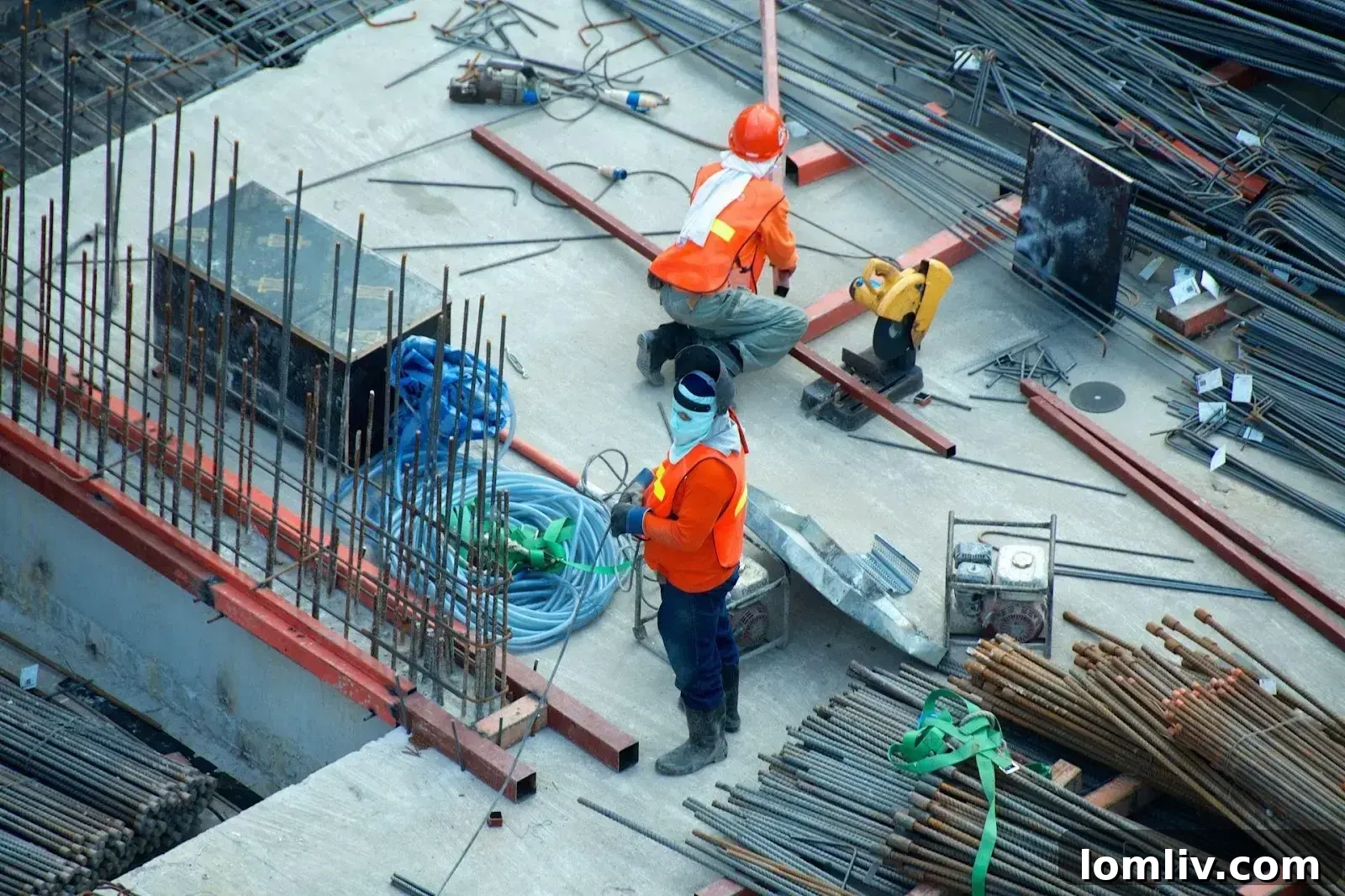
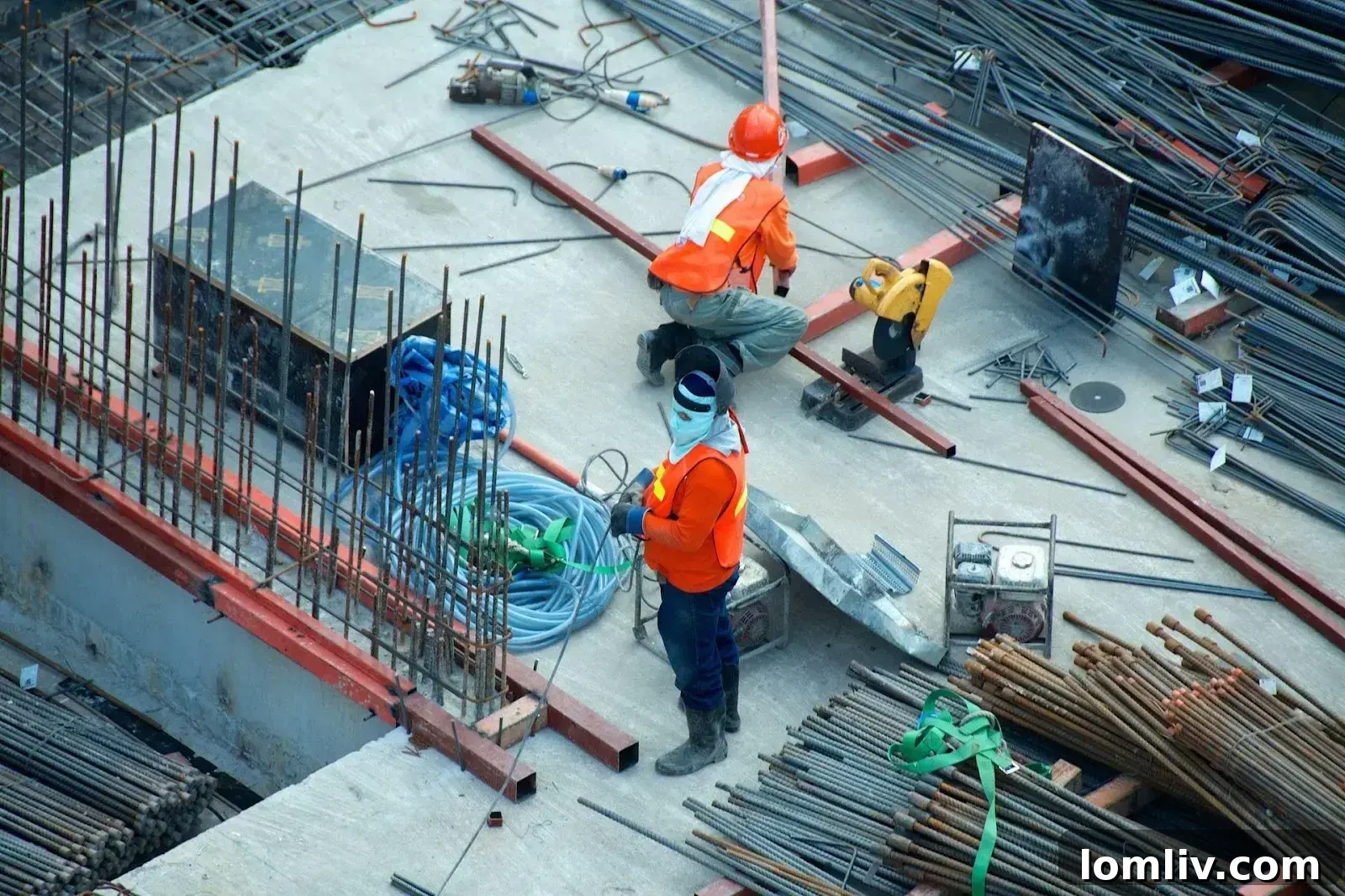
Construction sites are often vibrant hubs of activity, characterized by the rhythmic hum of machinery, the shouts of supervisors, and the focused efforts of workers striving to meet demanding deadlines. This dynamic environment, essential for building our cities and infrastructure, unfortunately, harbors significant risks. Beneath the surface of productivity lies a sobering reality: the pervasive threat of the “Fatal Four” accidents. These four categories of incidents are responsible for the vast majority of fatalities and serious injuries within the construction industry each year, transforming bustling workplaces into scenes of tragedy for countless families.
For individuals and their loved ones, these hazards are not mere statistics; they are life-altering events that can lead to severe injuries, permanent disabilities, and even death. Understanding these critical risks and actively implementing robust prevention strategies is not just a recommendation—it is an absolute necessity for everyone involved in or working near construction sites. Prioritizing safety through education and proactive measures is the only way to safeguard lives and foster a secure working environment.
Galveston, with its thriving economy and continuous expansion projects, serves as a prime example of a region experiencing significant construction growth. While this development is beneficial, it also means a corresponding potential for construction-related incidents. If you or someone you know has been affected by a construction accident in Galveston, understanding your rights and exploring legal avenues is paramount. Consulting a Galveston construction accident attorney can be a vital step towards securing justice, recovering due compensation, and ensuring accountability for unsafe practices. Their expertise can guide you through the complexities of personal injury claims, helping you navigate the legal landscape while you focus on recovery.
To truly protect yourself and those around you, a deep understanding of these prevalent hazards is indispensable. Active engagement in prevention and adherence to established safety protocols are the cornerstones of a safe construction site. Let’s delve into the specifics of the “Fatal Four” and explore comprehensive strategies to enhance safety on the job, transforming awareness into action.
1. Falls: The Leading Cause of Fatalities
Falls stand out as the single greatest threat on construction sites, tragically accounting for approximately 36% of all construction-related deaths. This alarming statistic underscores the critical importance of robust fall prevention measures. Falls can occur from various elevated positions, including ladders, scaffolds, roofs, unprotected edges, and through floor openings, making them an omnipresent danger across nearly every phase of a construction project.
Imagine the pressure to meet a deadline, leading a worker to rush a task without properly securing their fall protection harness or neglecting to inspect a ladder before climbing. The consequences of such oversights can be catastrophic. A momentary lapse in judgment or a failure to adhere to safety protocols can result in severe injuries—broken bones, traumatic brain injuries, spinal cord damage—or even immediate fatality. The personal anguish and professional liability that follow such preventable incidents are immense. Proper tie-off procedures, the use of guardrail systems, safety nets, and personal fall arrest systems (PFAS) are not merely suggestions; they are life-saving requirements. Regular training, diligent equipment inspections, and a culture that prioritizes safety over speed are crucial to mitigating this dominant hazard.
2. Struck-By Objects: The Silent, Deadly Threat
Struck-by objects are another significant and often underestimated danger on construction sites, earning them the moniker “the silent killer” due to their sudden and often unpredictable nature. These incidents can range from falling tools, equipment, or materials from elevated levels to workers being hit by swinging loads, moving vehicles, or heavy machinery. The impact can cause severe blunt force trauma, crushing injuries, or death, often without warning.
Preventing struck-by incidents requires constant vigilance and adherence to strict safety protocols. Essential protective measures include wearing appropriate head protection, such as hard hats, and high-visibility clothing to ensure workers are seen, especially in areas with moving equipment. All tools and materials must be properly secured when working at heights, and debris netting should be used where necessary. Maintaining clear and orderly work zones, establishing designated pathways for pedestrians and vehicles, and ensuring proper communication between equipment operators and ground personnel are paramount. Operators must be trained to check blind spots, and workers should always be aware of their surroundings, particularly when heavy machinery is in operation. A single moment of unawareness or a failure to secure items can prove fatal, highlighting the need for collective responsibility and continuous situational awareness.
3. Electrocutions: The Invisible Danger
Electrocutions, often referred to as the invisible threat, represent another critical hazard on construction sites, contributing to approximately 9% of all construction-related deaths. This danger arises from contact with live electrical wires, faulty equipment, improper grounding, or overhead power lines. The insidious nature of electricity—often unseen and unheard until it’s too late—makes it particularly dangerous. Even experienced professionals can make critical errors due to fatigue, distraction, or complacency, leading to devastating consequences.
To prevent electrocutions, stringent electrical safety measures must be implemented and meticulously followed. Key strategies include ensuring that all electrical tools and equipment are properly grounded, typically indicated by a three-pronged plug, and regularly inspected for damage. Ground-Fault Circuit Interrupters (GFCIs) should be used on all temporary power sources to provide crucial shock protection. Workers must be trained to identify and maintain safe distances from overhead power lines and underground utilities before commencing any excavation or elevated work. Lockout/Tagout procedures are essential for de-energizing circuits before maintenance or repairs. Furthermore, frequent training sessions on electrical safety, recognizing hazards, and emergency response are vital to empowering workers with the knowledge to protect themselves and their colleagues. Understanding the potential for electrical hazards and respecting their power is fundamental to preventing these often deadly accidents.
4. Caught-In/Between Hazards: Crushing Consequences
The caught-in/between hazards encompass incidents where workers are caught, crushed, or compressed between objects or machinery. These terrifying events include trench collapses, workers being pulled into unguarded machinery, or being pinned between heavy equipment and stationary structures. Proximity to large, powerful machines, unstable materials, or unsafe excavations can quickly turn a routine task into a life-threatening situation, often resulting in severe internal injuries, crushing injuries, amputations, or death.
Effective prevention of caught-in/between hazards requires a multi-faceted approach. For excavation work, trenching and shoring safety are paramount, involving proper sloping, shoring, or shielding systems to prevent collapses. All machinery with moving parts must be equipped with appropriate guards to prevent accidental contact. Implementing robust lockout/tagout procedures during maintenance or servicing is crucial to prevent unexpected machine activation. Workers must be trained to avoid blind spots around heavy equipment and maintain a safe working distance. Clear and continuous communication between equipment operators and all personnel on site is essential. Additionally, avoiding loose clothing, jewelry, or long hair that could get entangled in machinery significantly reduces risks. Prioritizing these preventative measures and fostering a culture of vigilant observation can dramatically reduce the incidence of these brutal and often fatal accidents.
Safety Is Everyone’s Responsibility: Building a Culture of Care
At its core, a safe construction site operates on the principle that safety is not merely a regulation to be met, but a collective responsibility embraced by every individual, from site managers to entry-level workers. Construction workers understand that adherence to safety protocols is paramount; overlooking a rule can literally cost a life. Simple yet critical actions, such as consistently wearing personal protective equipment (PPE) like hard hats, safety glasses, and high-visibility vests, are non-negotiable. Thoroughly checking harnesses before ascending to heights, ensuring scaffolding is properly erected and secured, and maintaining constant awareness of one’s surroundings are fundamental daily practices. Even seemingly minor details, when consistently applied, significantly contribute to preventing accidents and cultivating a proactive safety culture.
Should a construction accident unfortunately occur, knowing your options for recourse is vital. If you or someone you cherish has been injured due to negligence or unsafe working conditions, consulting a construction accident lawyer promptly can make a profound difference. These legal professionals specialize in investigating such incidents, understanding complex regulations, and fighting for the justice and comprehensive compensation victims deserve—covering medical expenses, lost wages, and pain and suffering. Their expertise ensures that accountability is upheld and that the rights of injured workers are protected. Make safety your utmost priority, starting today, and empower yourself with the knowledge that support is available if tragedy strikes. Prioritizing safety is an investment in human life and well-being, one you will never regret.