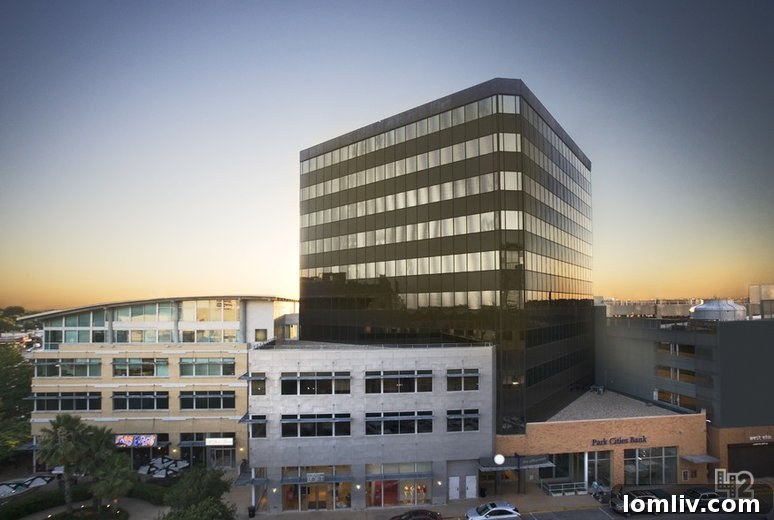
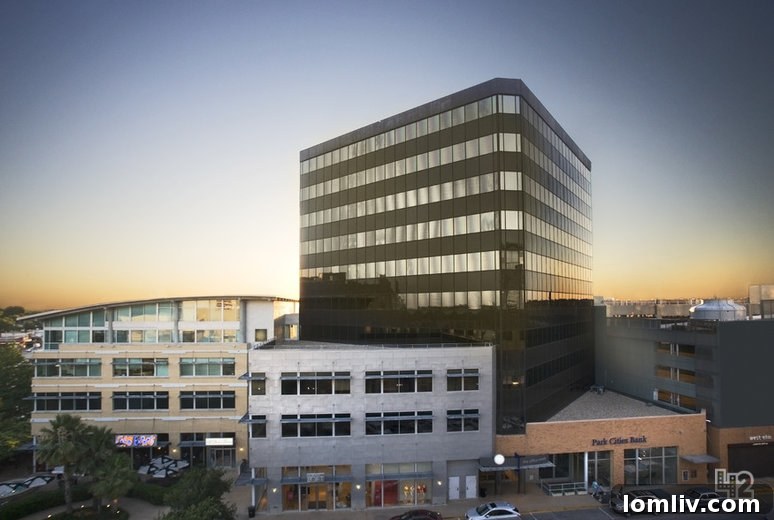
The Unexpected Lockout at The Foundry at Mockingbird Station Shakes Dallas Co-working Scene
The dynamic and rapidly expanding world of flexible workspaces, a segment of commercial real estate that has seen transformative growth in recent years, was met with unsettling news this morning. Tenants of The Foundry at Mockingbird Station, a reportedly high-end co-working space situated in the vibrant heart of Dallas, arrived for their daily work routines only to discover an impenetrable barrier: they were locked out, unable to access their offices, equipment, or personal belongings. This abrupt and unannounced closure sends ripples of concern through the local business community and serves as a stark reminder of the inherent risks that can emerge even within an industry celebrated for its flexibility, innovation, and collaborative spirit.
Co-working spaces have fundamentally reshaped how businesses operate, becoming a cornerstone for startups, freelancers, small to medium-sized enterprises, and even larger corporations seeking agile, cost-effective, and community-driven office solutions. The model offers unparalleled benefits, ranging from basic desk and internet access to fully furnished private offices, state-of-the-art conference rooms, and a comprehensive suite of amenities—all without the burden of long-term, rigid traditional leases. This burgeoning popularity is undeniable, with global giants like WeWork dramatically expanding their presence across major urban centers. Indeed, reports from Forbes highlighted WeWork’s projected dominance in Manhattan office space, where it was on track to occupy more private office square footage than any major financial institution. This remarkable trajectory underscores the transformative power and essential role of co-working in the modern economy, making the sudden and unexpected collapse of a local player like The Foundry all the more surprising and a cause for serious reflection.
A Trajectory of Uncertainty: From Creative Consortium to The Foundry’s Closure
Delving deeper into the history of this particular workspace reveals a narrative that hints at a longer journey of change and potential challenges. According to information gathered from various sources, including detailed online reviews found on platforms like Yelp, The Foundry at Mockingbird Station had not always operated under its recent name. It was previously known to the Dallas business community as “The Creative Consortium.” A change in ownership, coupled with a complete rebranding, often signifies a new strategic direction or an ambitious attempt to revitalize a struggling venture. While such efforts can indeed inject fresh energy and a renewed sense of purpose into a business, they can also, at times, serve to obscure or temporarily alleviate underlying operational or financial issues.
Furthermore, it appears that whispers of trouble and impending difficulties were circulating well before the physical lockout occurred. Evidence suggests that concerns might have been brewing among tenants or management as early as last June, painting a picture not of an instantaneous collapse, but rather a gradual deterioration that culminated in this dramatic outcome. These early warning signs, which might have been dismissed by some as standard operational hiccups or the natural challenges of scaling a business, can, in hindsight, often be seen as precursors to more significant and ultimately insurmountable problems for businesses operating in highly competitive and rapidly evolving markets like that of flexible workspaces.
The Allure of The Foundry: A Vision of Modern Productivity
Before its abrupt and unfortunate closure, The Foundry appeared to embody the quintessential ideal of a modern, high-end co-working environment. A particularly detailed and glowing account from a prospective tenant, originally shared as a review, painted a vivid and enticing picture of what made this workspace so attractive:
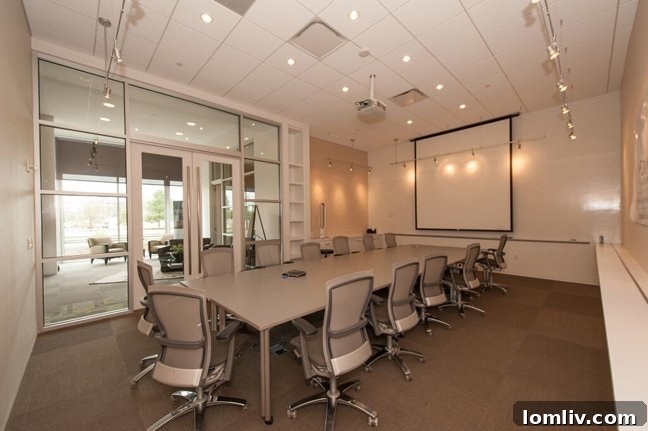
I was recently helping a friend look for office space and was referred to The Foundry @ Mockingbird Station. The business was formally known as The Creative Consortium Group but now it has changed owners and is about to under go exciting renovations. The Foundry is somewhat like Regis office suites but offers so much more. The two visits we made both times were greeted by Amy (she sets out front) as we got off the elevator – She was so nice and informative and about signed the lease b/c of her – n/k. We very quickly introduced to the other tenets as she gave us a tour of the floor and the energy of the whole environment just made you want to be a part of it. The offices have floor to ceiling glass front walls with locking doors and windows that over look SMU and Mockingbird Station retail – just such a cool address and easy access. There is a pool table out front for stress relief 🙂 and the ability to hit the shops and restaurants down below was different than any office environment I had seen. There are 3 levels of memberships – from you need a whole office to if you have a backpack, laptop, and need wifi than this is your place. Like a Starbucks on steroids really. Starbucks does not offer you printers, shared conference rooms, and other amenities that you would have working at a large company. Bottom line I will refer anyone that is needing a office at a great price and awesome view or anyone tired of jumping from coffee shop to coffee show trying to do business. The Foundry rocks and looks to be expanding into other cities as well.
This enthusiastic testimonial clearly highlights several critical selling points that are characteristic of successful and desirable co-working spaces in today’s market:
- Strategic Location and Inspiring Views: The advantage of an address overlooking Southern Methodist University (SMU) and the bustling Mockingbird Station retail complex provided not just convenience and easy access, but also a dynamic and inspiring urban backdrop.
- Premium Amenities and Design: Features like floor-to-ceiling glass walls, private locking offices, a dedicated pool table for relaxation and stress relief, and direct, seamless access to the diverse array of shops and restaurants below, set a new standard for modern office environments.
- Flexible Membership Tiers: The availability of three distinct membership levels showcased a commitment to catering to a wide spectrum of needs, from businesses requiring a full, dedicated office to highly mobile professionals who simply need a reliable desk, Wi-Fi, and a productive atmosphere.
- Emphasis on Community and Networking: The experience of being “introduced to the other tenants” and the palpable “energy of the whole environment” were key elements, underlining the invaluable social capital and networking opportunities that are often the core appeal of co-working.
- Comprehensive Business Services: Going far beyond merely providing internet access, The Foundry offered essential corporate-level amenities such as printers, shared conference rooms, and other facilities that are typically found in larger, more established companies.
The reviewer’s memorable comparison to a “Starbucks on steroids” perfectly encapsulated the promise of such a space: a vibrant, highly productive hub designed not just for work, but to foster growth, collaboration, and a unique work-life balance. The ambitious mention of potential expansion into other cities further solidified the image of a thriving, forward-thinking, and highly ambitious enterprise.
The Harsh Reality: “Well, Maybe Not…”
The profound optimism and future-oriented vision articulated in the glowing review now stand in stark, almost painful, contrast with the stark reality of the recent developments. The poignant phrase, “Well maybe not…”, following such an effusive description, delivers a powerful and emotional punch, underscoring the sudden and dramatic reversal of fortunes for The Foundry. What was once a promise of exciting expansion and growth has tragically culminated in exclusion; what offered a welcoming community now confronts tenants with an impenetrable, locked door.
Understanding the Widespread Implications of a Co-working Lockout
The immediate fallout from such an abrupt and unexpected lockout is nothing short of devastating for the affected tenants. Businesses, particularly nascent startups and small to medium-sized enterprises, are often heavily reliant on their physical workspace for daily operational continuity, hosting client meetings, and accessing essential technology and equipment. A sudden and complete loss of access can bring productivity to an immediate halt, jeopardize critical deadlines, and inflict significant, sometimes irreparable, financial damage. Moreover, such an incident can lead to severe reputational harm for the affected businesses, as they scramble to communicate with clients, manage expectations, and desperately attempt to maintain some semblance of operational continuity.
Beyond the direct impact on individual tenants, the unfortunate incident at The Foundry at Mockingbird Station raises profound and broader questions concerning the stability, transparency, and regulatory oversight within the rapidly evolving co-working industry. While flexible workspaces undeniably offer tremendous advantages, they often operate under distinct legal frameworks compared to traditional commercial leases. Tenants typically enter into service agreements rather than conventional leases, which, depending on their specific terms and local regulations, can sometimes offer less protection in scenarios involving provider insolvency or sudden closure. This event serves as a critical and urgent reminder for businesses to conduct exhaustive due diligence before committing to any co-working arrangement. This includes meticulously scrutinizing the provider’s financial health, carefully reviewing all contract terms and conditions, and having a clear understanding of their rights and recourses in unforeseen and adverse circumstances.
For the co-working industry itself, incidents of this nature, while hopefully isolated and rare, can regrettably erode the crucial element of trust. The industry’s very foundation and continued expansion hinge upon its reputation for convenience, community, reliability, and security. Negative experiences can make prospective tenants, particularly those new to the concept, understandably hesitant, potentially slowing the vigorous expansion seen in recent years. Operators of co-working spaces, therefore, bear a significant responsibility to prioritize transparency, implement sound financial management practices, and develop robust contingency plans to safeguard their tenants’ interests and, by extension, maintain the overall integrity and credibility of the entire industry.
The Resilient Future of Flexible Workspaces in Dallas and Beyond
Despite the unfortunate and deeply regrettable turn of events at The Foundry, the fundamental and growing demand for flexible, agile, and collaborative workspaces remains undeniably robust. Dallas, with its thriving economy and dynamic ecosystem for business and innovation, continues to attract a steady stream of entrepreneurs, freelancers, and rapidly growing companies that inherently value flexibility and efficiency. This incident, while negative, highlights the critical importance of factors such as market saturation, competitive yet sustainable pricing strategies, and, most importantly, robust and viable business models for co-working providers. Simply offering an attractive aesthetic and an appealing “vibe” might not be sufficient to sustain operations in an increasingly competitive market if the underlying financial structure is fragile or poorly managed.
The co-working model itself is inherently resilient because it addresses genuine and persistent needs of modern businesses: unparalleled flexibility, significantly reduced overheads compared to traditional offices, and invaluable opportunities for collaboration and networking. Moving forward, we are likely to witness a stronger emphasis across the industry on solid financial backing, clearer and more equitable contractual terms, and perhaps even the development of industry-wide best practices or certifications designed to enhance tenant protection and ensure operational standards. Tenants, in turn, will undoubtedly become more discerning and rigorous in their selection process, actively seeking out providers with proven track records of stability, transparency, and tenant-centric operations. The closure of The Foundry at Mockingbird Station, while tragic for those directly affected, stands as a sobering yet invaluable reminder that even in the most promising and innovative sectors, diligence, financial sustainability, and clear, honest communication are absolutely paramount for fostering long-term success, trust, and continued growth.
This challenging event, therefore, will undoubtedly contribute to the essential maturation and professionalization of the broader co-working industry. It compels both workspace operators and their users to approach flexible workspace solutions with a renewed sense of awareness, strategic planning, and mutual understanding, ultimately ensuring that the numerous benefits of co-working continue to significantly outweigh its potential risks for many years to come.