The landscape of urban development in Dallas is poised for a significant shift as the city prepares to revise its building permit fee schedule. For the first time since 2015, Dallas is undertaking a comprehensive review, a move that will inevitably lead to increased costs for constructing homes and commercial properties within its thriving metropolitan area. This crucial decision, initially anticipated earlier, has been postponed, with March 27 set as the earliest possible date for implementation, allowing for further stakeholder engagement and deliberation.
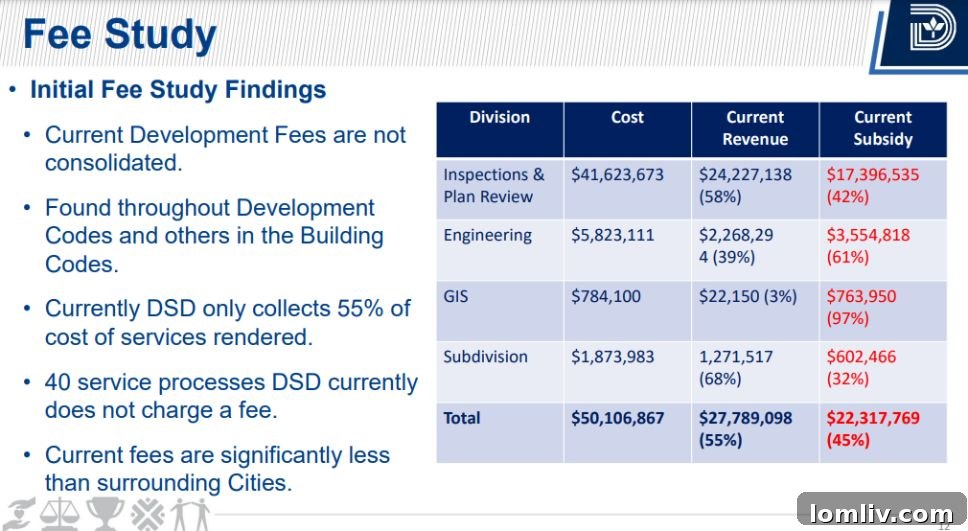
At the heart of this proposed change lies the financial sustainability of the Dallas Development Services Department (DSD). According to Development Services Director Andrew Espinoza, the department currently generates approximately $28 million in annual revenue. However, its operational expenses soar significantly higher, reaching an estimated $50 million each year. This substantial disparity creates an annual deficit of $22 million, a gap that, if unaddressed, is projected to push the department into a critical financial state by 2025.
The implications of DSD operating in the red are profound. Assistant City Manager Majed Al-Ghafry emphasized that such a scenario would force the department to either drastically cut essential services or rely on subsidies from the city’s general fund. This would divert crucial resources from other vital city services, such as public safety, infrastructure maintenance, or parks and recreation. “For us, it’s imperative that the fund itself pays for the services or collects for the services,” Al-Ghafry stated, underscoring the city’s commitment to ensuring that departments are self-sufficient where possible, especially for services directly benefiting specific industries.
Stakeholder Pushback and Postponement of Fee Hikes
The journey towards updating the permit fees has not been without its challenges. The Dallas City Council had initially aimed to approve a new ordinance and implement the revised fee schedule by February. However, the decision was deferred following a notable lack of feedback during the initial consultation period and, more significantly, a strong negative response from key industry partners. Organizations such as the Dallas Builders Association and The Real Estate Council voiced substantial concerns regarding the proposed increases, leading to a necessary pause in the process.
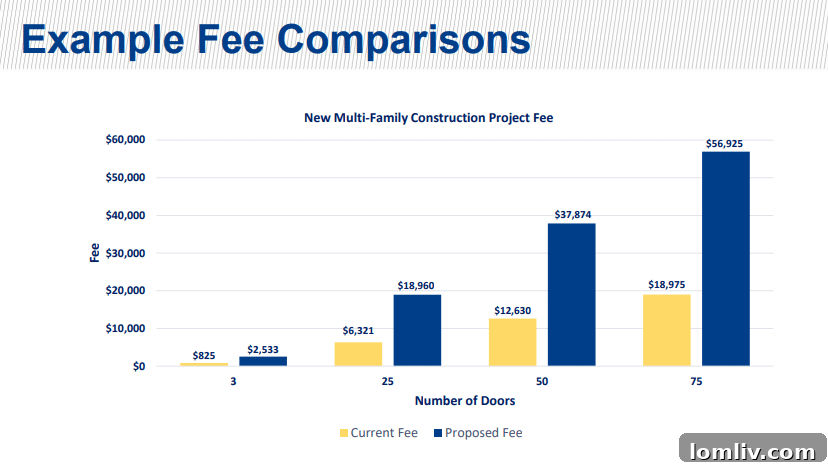
Industry leaders, including Travis Reynolds of The Real Estate Council (TREC) and David Lehde of the Dallas Builders Association (DBA), reiterated their outstanding concerns regarding the proposed fee hikes during recent discussions. Their primary apprehension centers on the potential impact on housing affordability and the competitive landscape for development within the region. Lehde specifically highlighted that the proposed multifamily permit fee in Dallas is projected to be more than $100 higher per permit compared to similar fees in other areas within the Dallas Builders Association’s extensive 10-county membership region. This significant difference could deter multifamily developments from choosing Dallas, potentially shifting investment to neighboring cities with more favorable fee structures.
Even more startling are the proposed increases for residential plan review fees and certificates of occupancy, which could see hikes of up to 1,000 percent. Such dramatic increases, while potentially justified by the city’s cost recovery goals, are a major point of contention for builders. These costs are ultimately passed on to the consumer, contributing to higher home prices and potentially making housing less accessible for many Dallas residents. “Like TREC, we urge, due to the amount of impact these fees can have on affordability, that they be phased in,” Lehde emphasized. He further recommended phasing these substantial increases over a three-year period, allowing the industry and the market to adjust gradually rather than absorbing a sudden, steep rise in costs. Concerns were also raised about specific assumptions made by the consultants who conducted the fee study, suggesting a need for greater transparency and validation of the underlying data and methodology.
The Consultant’s Findings and DSD’s Commitments
The foundation for these proposed fee adjustments stems from a comprehensive fee study completed in October by MGT Consulting of America, a firm specializing in governmental consulting. City officials have consistently pointed out that Dallas has not updated its permitting fees in nine years. During this period, the cost of providing development services has escalated significantly due to inflation, rising labor costs, increased demand for services, and a growing complexity in construction projects and regulatory requirements. The MGT study meticulously reviewed costs associated with building inspections, engineering, GIS, and subdivision teams within the DSD, providing a detailed breakdown of the department’s operational expenses and revenue gaps.
One key finding of the study revealed that DSD provides approximately 40 services that are not formally codified in the city’s ordinances, meaning the city has historically been unable to charge fees for these services. To address this loophole and ensure full cost recovery, the city is actively working to update its code to formalize these services and enable the collection of appropriate fees, in addition to the proposed increases for existing services. It’s important to clarify that despite the significant fee adjustments, the department is explicitly not proposing new “builder impact fees.” Impact fees are typically levied to cover the cost of new infrastructure necessitated by development, distinct from permit fees which cover the operational expenses of the DSD itself.
In conjunction with the fee adjustments, DSD has publicly committed to significant operational improvements. The department has faced considerable criticism and a substantial backlog since the COVID-19 pandemic, which greatly frustrated local builders and, consequently, led to lost tax revenue and missed new development opportunities for the city. To rectify these issues, DSD has pledged to enhance customer service, drastically reduce permitting turnaround times, and improve overall efficiency. These commitments include investments in technology, streamlined processes, and potentially increased staffing, all aimed at creating a more responsive and effective development services environment that supports Dallas’s growth ambitions rather than hindering them.
Council’s Perspective: Balancing Fiscal Responsibility and Industry Concerns
The City Council’s deliberations reflect a delicate balance between the urgent need for fiscal responsibility and the legitimate concerns of the development community. District 14 Councilman Paul Ridley strongly articulated the imperative for the city to correct its current fee structure without further delay. He highlighted the staggering financial drain, stating, “We’re losing over $20 million a year by not being able to cover our costs, and I don’t see how we make that up on the back end by deferring this decision.” Ridley advocated for the swift implementation of the fee increases to prevent further financial “bleeding” from fees that have remained unchanged and insufficient for nearly a decade, severely undermining the DSD’s capacity to operate effectively.
Conversely, Mayor Pro Tem Tennell Atkins, during a Jan. 9 Economic Development Committee meeting, acknowledged the department’s financial losses but emphasized the critical importance of ensuring that builders thoroughly understand the proposed fee increases before the new schedule takes effect. This perspective highlights the need for transparent communication and robust dialogue with stakeholders to foster understanding and mitigate negative impacts. Atkins ultimately moved to defer the item to March 27, explaining, “We should have a clearer understanding of how to move this forward.” This deferral provides essential time for city staff to refine their proposals, address specific industry concerns, and present a more comprehensive plan.
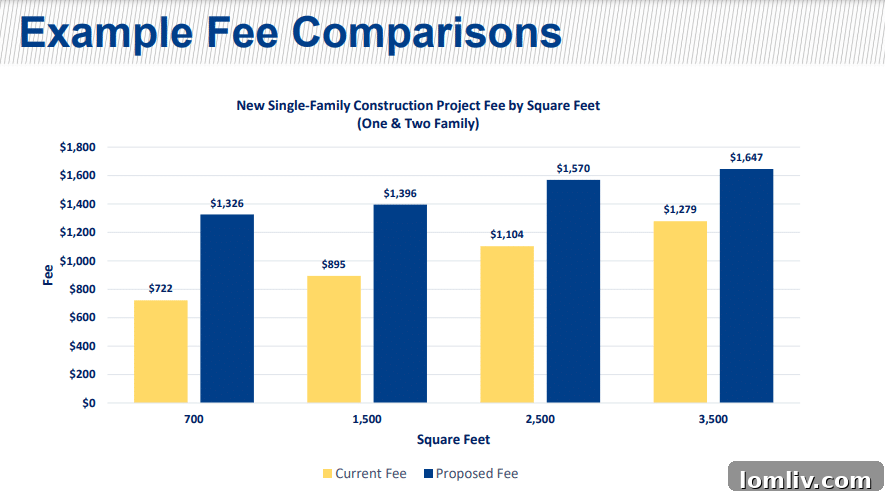
City Manager T.C. Broadnax provided further context, explaining that the significant increase in operational costs over the past nine years is the primary driver behind the need for higher fees. He simplified the financial reality: “It’s really, from a study’s practicality standpoint, a simple math game of how much does all your staff cost? And then what are the fees you get to charge for and how many hours, who’s doing it and what is their cost per hour, multiplied by how many of those come through the door that I can estimate on any given year, to then build up to what that new fee needs to be to recover the cost for the body of individuals doing that work.” This explanation underscores that fee adjustments are not arbitrary but are rooted in a detailed calculation of service delivery costs.
In response to the council’s directive and industry feedback, city staff will now meticulously review the proposed numbers and evaluate various scenarios for phasing in the fees. This includes analyzing the financial implications of different phasing schedules, the timing of implementation, and what builders and developers can realistically expect to pay. Broadnax concluded, “When we come back we’ll be able to answer for you the cost and impacts, the phasing in, the timing of it, and what folks can expect to pay — full cost — consistent with the study, different from maybe even staff’s own sensitivities around certain fees. At the end of the day, we’ve got to recover our costs and we can’t continue to not have ongoing revenues to support ongoing costs.” This statement firmly establishes the city’s commitment to achieving full cost recovery for its Development Services Department, ensuring its long-term viability and its ability to provide essential services that underpin Dallas’s continued growth and prosperity.
The forthcoming decision on March 27 will be a pivotal moment for Dallas, shaping not only the financial future of its Development Services Department but also influencing the trajectory of construction, housing affordability, and economic development across the city for years to come. It represents a critical effort to modernize municipal operations and ensure that the cost of development services is aligned with the actual expense of providing them, while simultaneously striving to maintain a competitive and attractive environment for builders and residents alike.