
It’s a quintessential New York City nightmare: you step out for a quick moment – perhaps to toss the trash, collect a package, or even just check the mail – and hear that dreaded click as your apartment door swings shut behind you. Suddenly, you’re on the wrong side of the threshold, without keys, phone, or any apparent way back in. Being locked out of an apartment NYC-style is more than an inconvenience; it’s a common urban trial, a moment that can send even the most seasoned New Yorker into a spiral of panic. Whether you reside in a charming pre-war brownstone, a bustling mid-rise, or a gleaming luxury high-rise, lockouts are an indiscriminate reality, often striking at the most inopportune times.
The initial wave of panic is swift and overwhelming. Should you frantically buzz every neighbor? Consider the perilous fire escape? Or immediately call your superintendent? In the rush to resolve the situation, many fall prey to hasty and ultimately costly mistakes. However, regaining access to your home doesn’t have to spiral into a full-blown disaster. With a strategic approach and a clear understanding of what to do (and, crucially, what not to do), you can navigate this stressful predicament with efficiency and minimal fuss. This comprehensive guide will equip you with the knowledge to handle an NYC apartment lockout like a true pro, transforming a potential day-wrecker into a mere temporary setback.
Stay Calm and Thoroughly Assess Your Situation

The very first and most critical step, deceptively simple as it may seem, is to remain calm. The moment you realize you’re locked out, your body’s adrenaline response kicks in, often clouding rational thought. Panicking will not expedite your entry or help you think clearly about the best course of action. Instead, take a few deep breaths. Ground yourself. Then, with a clearer mind, systematically assess your immediate surroundings and all available options. Are you truly completely locked out, or is there a viable, safe, and immediate avenue for assistance?
Start by checking your own person. Did you simply misplace your keys in your coat pocket, bag, or perhaps even in a car parked nearby? A quick, calm pat-down can sometimes reveal the misplaced item, saving you a great deal of trouble. Next, consider your building’s infrastructure and your social network. If your building boasts a doorman or concierge, this should be your first point of contact. Many such establishments maintain spare keys for emergencies, or their staff might have access to a master key system. Similarly, if your superintendent is typically on-site or resides within close proximity, they could be an invaluable resource for rapid assistance. For residents of walk-ups or older buildings lacking dedicated staff, expand your mental rolodex. Do you have a trusted neighbor, a friend who lives nearby, or a family member with whom you’ve previously entrusted a spare key? Sometimes, the most straightforward and cost-free solution is closer than you imagine.
Seriously, Do Not Attempt to Break In – It’s Never Worth It
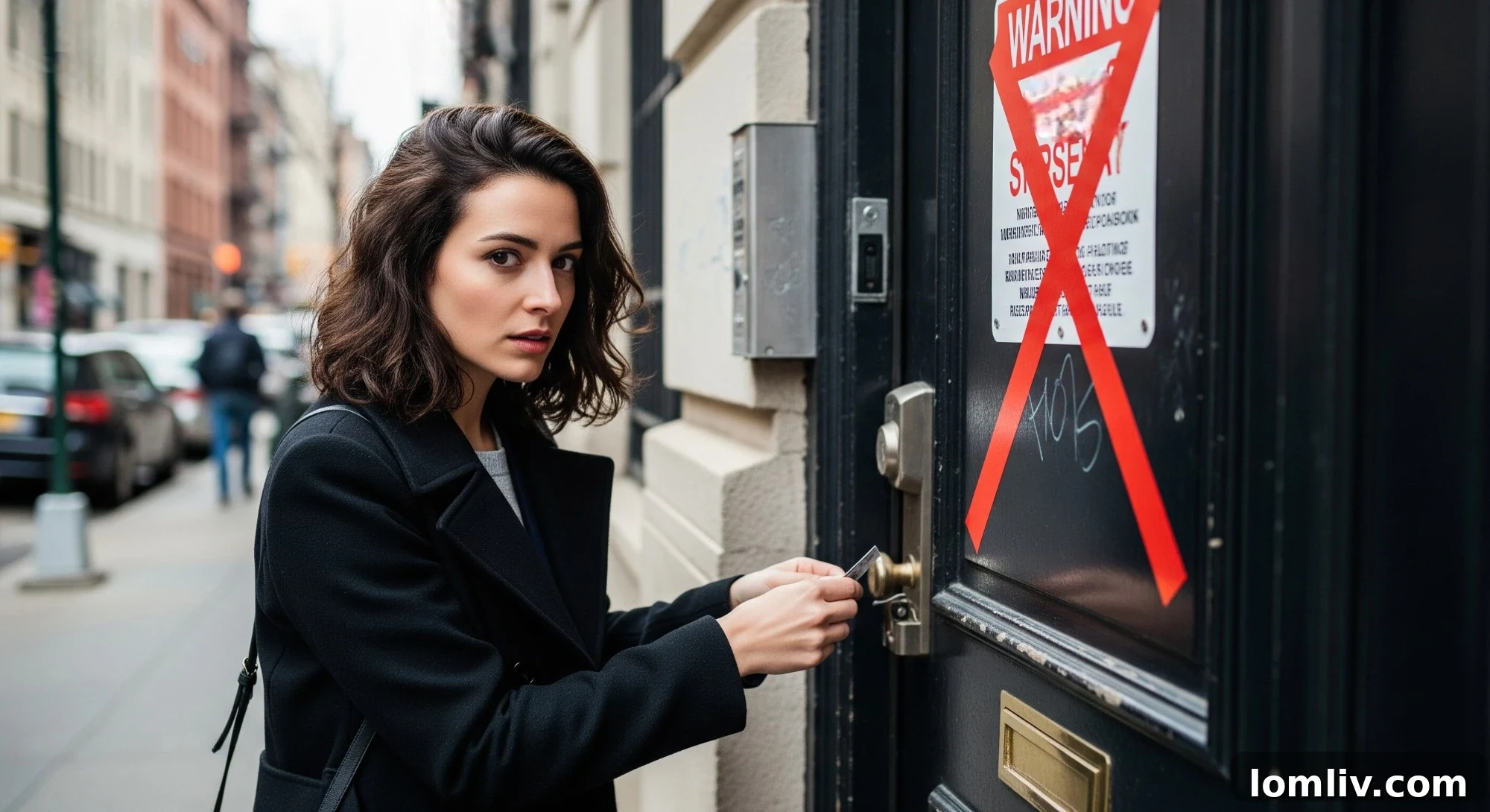
The allure of channeling your inner secret agent and attempting a DIY break-in can be incredibly strong when faced with a locked door. Resist this temptation at all costs. Trying to pick the lock with a hairpin, jimmy the latch with a credit card, or force the door open with brute strength are tactics best left to Hollywood movies. In the harsh reality of NYC apartment living, these attempts almost invariably lead to significant and expensive damage. You risk bending or warping your door, splintering the frame, scratching the lock mechanism beyond repair, or even shattering glass. The resulting repair costs for your door, frame, or lock can easily skyrocket, far exceeding what you would have paid a qualified professional.
Beyond property damage, there are far more severe consequences. Attempting to climb a fire escape, scale exterior walls, shimmy through an open window, or tamper with exterior door hardware poses immense physical danger. A fall could result in serious injury or worse. Furthermore, in a dense urban environment like New York, your attempts could easily be misinterpreted by a neighbor or passerby as a nefarious intrusion, leading to police involvement and a host of legal complications you absolutely do not want to navigate. For residents in co-ops and condominiums, any form of forced entry, regardless of intent, can constitute a serious violation of your lease or building bylaws, potentially incurring hefty fines, penalties, or even jeopardizing your tenancy. When you’re locked out of an apartment NYC, safety and legality should always take precedence over desperation.
Check for Access to a Pre-Arranged Spare Key
A hallmark of a prepared New Yorker is having a contingency plan for common urban mishaps, and a spare key strategy is paramount. Many savvy residents preempt lockouts by entrusting a backup key to a reliable friend, family member, or trusted neighbor. If you’ve had the foresight to implement such a system, now is the opportune moment to reach out to your designated key holder. Even if it’s late in the evening or early morning, do not hesitate; most people would much prefer to be disturbed briefly to help you than to know you’re stranded outside your home.
If you share your apartment with roommates, attempt to contact them immediately via phone or messaging, assuming you still have access to your device. They might be in the vicinity, on their way home, or simply awake and able to provide quick assistance. Furthermore, explore your building’s administrative policies. In buildings with a front desk, inquire if they hold spare keys for tenants. Some landlords or management companies also keep a master key or a tenant’s spare key on file for emergencies. Be aware that many buildings require prior written authorization to release a key to anyone other than the tenant, and they may have specific operating hours for such services. If you find yourself locked out of your apartment in NYC and haven’t previously set up a spare key system, consider this an invaluable learning experience and make it a priority for the future.
Call a Licensed NYC Locksmith – Exercise Caution and Due Diligence
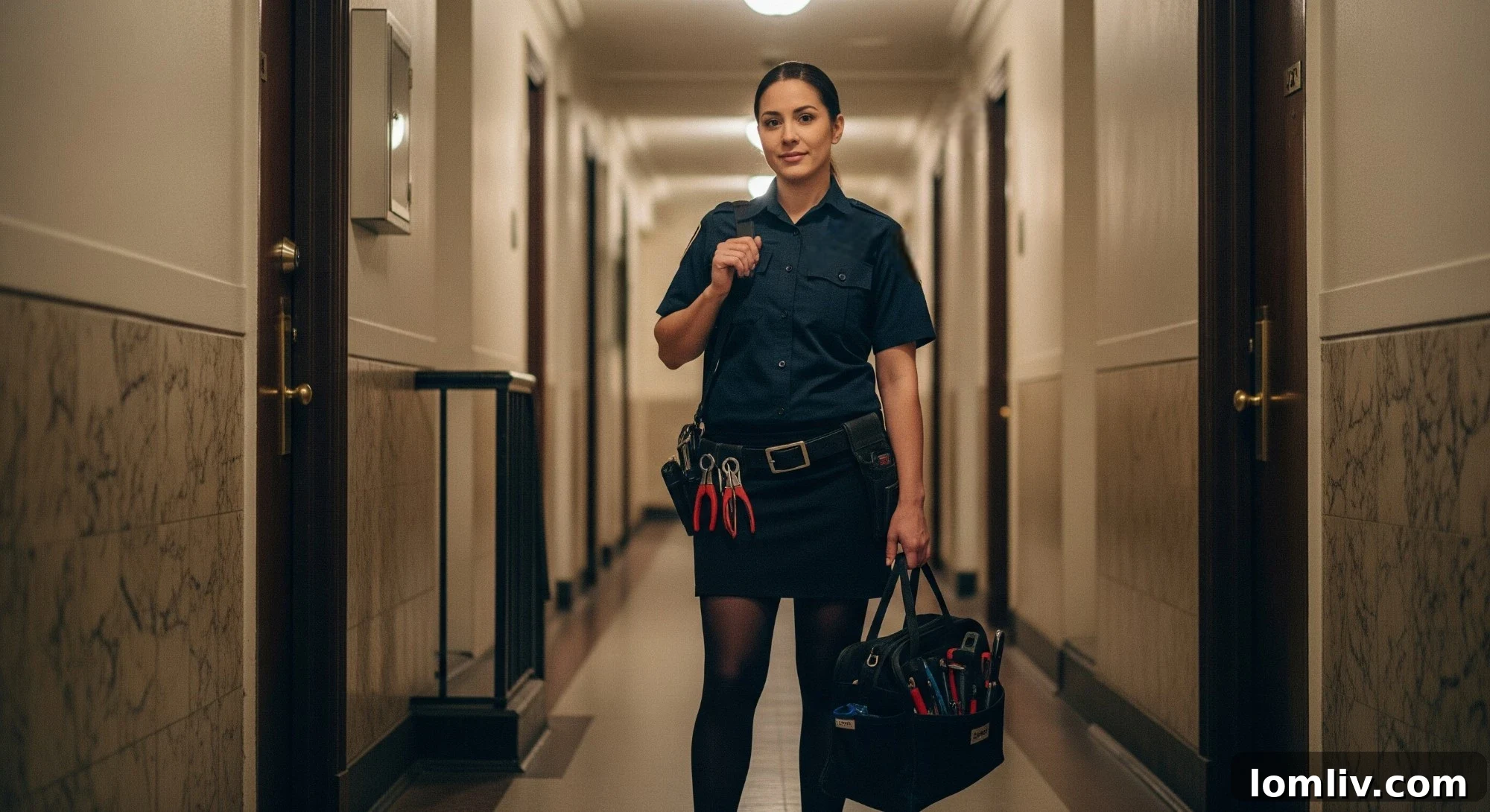
Once you’ve exhausted all immediate and personal avenues for gaining entry, it’s time to seek professional help. Your next step is to call a locksmith. However, this is where you must proceed with extreme caution. New York City, unfortunately, is a hotbed for unscrupulous, fly-by-night locksmith operators who exploit desperate situations. These fraudulent services often overcharge, perform shoddy work, or even cause unnecessary damage in their haste to extract money from unsuspecting customers. Simply Googling “locksmith near me” and calling the first result that appears is a risky gamble you cannot afford to take.
When selecting an NYC locksmith, prioritize professionals who are licensed by New York State and possess verifiable credentials. Look for companies with a legitimate physical address in the city, not just a P.O. box or a vague service area. Crucially, scrutinize their online reviews on platforms like Google, Yelp, and the Better Business Bureau. A reputable locksmith will have a track record of honest, transparent pricing and positive customer experiences. Be highly suspicious of companies advertising incredibly low “service call” fees, such as “$19” or “$29.” This is a notorious bait-and-switch tactic; they’ll arrive, quickly assess your lock as “high security” or “special,” and then demand hundreds of dollars more, often pressuring you into immediate payment. A legitimate locksmith will ask you detailed questions about your lock type over the phone, provide a realistic estimated price range upfront (typically between $100 and $250 for a standard lockout service in NYC, varying by time of day, lock complexity, and whether destructive entry is required), and arrive in a clearly marked vehicle with proper identification. Confirm these details before they even dispatch a technician.
Be Prepared to Verify Ownership or Residency Before Entry
When your chosen locksmith arrives, do not be surprised – and indeed, be reassured – when they request proof that you are authorized to enter the apartment. This might feel like an inconvenient hurdle when all you want is to get inside, but it is a critical indicator that you have hired a responsible and ethical professional. Licensed locksmiths are legally and professionally obligated to verify that the person requesting access is genuinely entitled to enter the property they are attempting to unlock. This practice prevents unauthorized access, theft, and ensures the security of the residents and the building.
Be ready to provide some form of identification. A driver’s license or state ID with your apartment address is ideal. If you don’t have your ID on you (which is often the case when locked out), other forms of proof can often suffice. These might include a copy of your lease agreement (a digital version on your phone might be accepted), a utility bill addressed to you at that apartment, mail with your name and address, or even photographs on your phone taken from inside the apartment, showing personal belongings, pets, or unique decor that clearly identifies it as your home. In some scenarios, the locksmith may require you to sign a service agreement or a waiver before proceeding. Cooperate fully with these requests; they are standard operating procedures and further confirm that you are dealing with a legitimate and professional service provider. Conversely, if a locksmith seems overly eager to bypass verification protocols or makes no effort to confirm your residency, consider it a significant red flag. This could indicate an unlicensed operator who disregards security protocols, potentially jeopardizing your safety and the quality of the service.
Avoid Drilling Unless Absolutely Necessary as a Last Resort

While some locks, particularly high-security models like Medeco, Mul-T-Lock, or advanced smart locks with complex electronic components, can be incredibly challenging to bypass non-destructively, drilling should always be considered a measure of last resort. Drilling essentially destroys the existing lock cylinder, necessitating a complete replacement, which significantly inflates the overall cost of your lockout service. A truly skilled and experienced NYC locksmith will possess an extensive array of specialized tools and techniques to attempt non-destructive entry.
These methods include various lock-picking sets, impressioning techniques, bypass tools designed for specific lock mechanisms, and decoding devices that can effectively manipulate the internal components of a lock without causing damage. Only after exhausting these non-destructive options should drilling be considered. If you have a standard residential lock and the locksmith immediately recommends drilling, take a moment to pause and ask for a detailed explanation. Inquire why drilling is necessary and whether any alternative, less invasive methods have been considered or attempted. A competent locksmith can typically open the vast majority of residential doors without resorting to destructive techniques. If you’ve invested in a high-security deadbolt or a custom smart lock system, ensure that the technician is genuinely familiar with that specific model. Some locksmiths specialize in modern electronic and high-security systems and possess the expertise to troubleshoot and open them without causing damage, preserving your valuable hardware and security investment.
Final Thoughts: Lockouts Are Inevitable, But They Don’t Have to Derail Your Day
Being locked out of an apartment in NYC can certainly feel like the world is crashing down in that moment of despair. However, it’s a remarkably common urban challenge faced by thousands of residents across the five boroughs every single year. The good news is that reliable, professional solutions are readily available around the clock. The ultimate key to navigating this stressful situation successfully lies in maintaining your composure, resisting impulsive and potentially damaging decisions, and knowing precisely who to contact for legitimate assistance. By adopting a smart, strategic, and informed approach, you have the power to transform what initially feels like a catastrophe into nothing more than a minor, albeit memorable, inconvenience.
Once you’ve safely regained entry and the immediate crisis has passed, use this experience as a valuable opportunity for introspection and improvement. Take time to assess your daily routines and habits. Could you attach your keys to something else you always carry, like your wallet or phone? Is it time to consider upgrading your current lock system to a more secure or convenient option, perhaps a smart lock with remote access capabilities and a robust battery backup? Most importantly, use this as an impetus to plan ahead. Establish a “key buddy” system with a trusted friend or neighbor. Research reputable NYC locksmith services *before* an emergency strikes, saving their contact information. In a city that moves at the frenetic pace of New York, being prepared isn’t just a recommendation; it’s an essential survival skill. And when the inevitable lockout happens again, you’ll be more than ready to handle it with the calm confidence and resourcefulness of a truly seasoned New Yorker, turning an apartment lockout in New York into just another story to tell.