
Kessler Park, a highly sought-after neighborhood nestled in North Oak Cliff, Dallas, is renowned for its captivating blend of diverse historical architecture, dramatic hilly topography, and lush, mature landscapes. It was precisely these unique characteristics that drew Kevin Rachel and his wife to make Kessler Park their home in 2020, seeking a community with genuine character and a sense of enduring charm. Their decision to settle in this vibrant area reflected a desire for a living environment that offered more than just a house, but a true sense of belonging within a picturesque setting.
Approximately a year after the Rachels successfully located their ideal residence on Canyon Creek, situated comfortably within the protected Kessler Park Conservation District, a new construction project commenced nearby on Nob Hill Road. This development, while seemingly routine, would soon ignite a significant debate within the community, raising questions about preservation, interpretation of bylaws, and the future aesthetic of this beloved Dallas neighborhood. The unfolding events on Nob Hill Road quickly became a focal point for residents concerned about maintaining Kessler Park’s distinctive appeal and the integrity of its conservation guidelines.
Local lore within Kessler Park often recounts a fascinating tale concerning the property at 1658 Nob Hill Road. Decades ago, as the story goes, the previous homeowners underwent a divorce, leading to the division of their expansive lot. Subsequently, a unique guest home, designed in the whimsical style of a treehouse, was constructed atop a prominent hill on the now-divided parcel. This charming and unconventional structure became a local landmark, embodying the creative spirit and unique character often found within Kessler Park’s architectural tapestry. It stood as a testament to the neighborhood’s appreciation for individuality and its integration with the natural landscape.
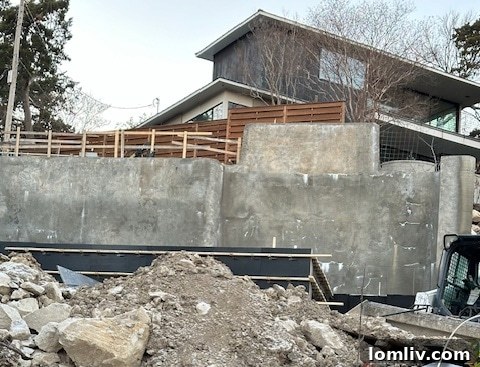
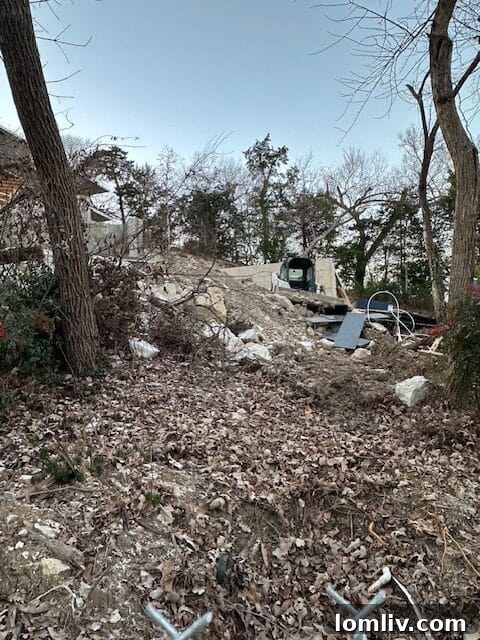
Today, however, the storied treehouse at 1658 Nob Hill Road has been reduced to a mere pile of rubble, signaling the end of an era and the beginning of a new chapter for the site. This demolition has sparked considerable concern among neighboring residents, particularly regarding the ambitious plans submitted by the new owners. These plans appear to call for the construction of what many perceive as a four-story home, a scale that seemingly contradicts the established conservation district bylaws. Kevin Rachel, articulating the community’s apprehension, points out that these crucial bylaws explicitly mandate that no structures within the district should exceed two stories in height. This perceived discrepancy has fueled a local controversy, pitting development ambitions against community preservation efforts and raising critical questions about the interpretation and enforcement of the conservation district’s guidelines.
Amber Gracia, a managing partner at the reputable architecture firm and builder RGD+B, addressed the community’s concerns, emphasizing her team’s extensive experience within the Kessler Park Conservation District. She highlighted that RGD+B has successfully completed two previous projects within the district, underscoring their familiarity with and commitment to adhering to its specific guidelines and regulations. This background, Gracia asserted, positioned her firm to navigate the complexities of designing within such a historically and architecturally sensitive area.
In a statement to daltxrealestate.com, Gracia clarified the vision for the new residence. She explained, “The home at 1658 Nob Hill is a private residence uniquely designed for a family with deep connections to and a profound affinity for North Oak Cliff. It is situated on a site that was previously derelict and presented significant challenges, practically deemed unbuildable due to its steep topography.” She acknowledged the perspective of “a select group of neighbors,” stating, “We understand the point of view shared by a select group of neighbors and respect their right to express their opinion.” However, Gracia firmly reiterated the project’s compliance: “The most important thing to know here is that the design meticulously adheres to Kessler Park Conservation District guidelines and is being constructed in strict accordance with the plans thoroughly approved by the City of Dallas.” Furthermore, she added a crucial detail, revealing, “Notably, the property owners and our team have received numerous messages of support from other neighbors adjacent to the property who genuinely believe the project will positively contribute to the intricate fabric and evolving aesthetic of Kessler Park.” This statement suggests a nuanced community reaction, indicating that while some neighbors voiced opposition, others welcomed the carefully considered development.
Strengthening the Kessler Park Conservation District Ordinance
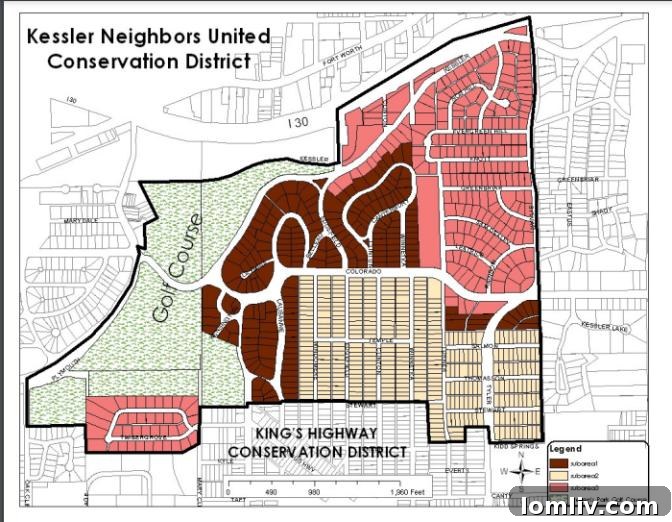
The Kessler Park Conservation District serves as a vital protective overlay for one of Dallas’s most cherished neighborhoods. Its geographical boundaries are clearly defined: Interstate Highway 30 forms its northern border, Stewart Street delineates the south, Sylvan Avenue marks the east, and Plymouth Road establishes the western perimeter. Within these bounds lies an area where architectural integrity, historical context, and natural beauty are actively preserved, guiding development to ensure it complements the existing character rather than detracting from it. The district’s importance lies in its role in safeguarding the unique charm and heritage that residents value so deeply.
The intricate 83-page ordinance governing the Kessler Park Conservation District, adopted in 2005, presents a complex framework for development. A critical aspect of the ongoing debate is the underlying assumption that this ordinance was likely modeled after another conservation district within Dallas, one where challenging topographical features like steep slopes and significant hilly terrain were not primary considerations. This foundational design choice, as it turns out, has created a significant grey area in the interpretation and application of the bylaws, particularly when encountering the dramatic landscape features that define much of Kessler Park, often leading to unforeseen complications in construction projects on elevated lots.
District 1 Councilman Chad West has candidly acknowledged that the situation at 1658 Nob Hill Road brought to the forefront a critical flaw within the existing Kessler Park Conservation District bylaws: how they are interpreted and applied when a property is situated on a steep hill. He emphasized that neither he nor any of his appointed representatives voted to approve the reconstruction, signaling a clear divergence from the developer’s interpretation. This specific case served as a poignant illustration of the ambiguities present in the ordinance, particularly concerning elevation and structural height in areas characterized by significant topographical variations. The councilman’s stance highlights the institutional challenges in balancing preservation goals with practical development on challenging sites.
Councilman West elaborated on the topographical challenges unique to the site, stating, “In this specific case, the house sits prominently atop one of the highest hills in Kessler Park, characterized by an exceptionally steep drop-off. There’s a reason this particular section of Kessler Park is colloquially known as Kessler Canyon.” He continued to explain the core issue with the existing legislation: “The current ordinance, unfortunately, does not adequately compensate or account for these significant topographical variations because the neighborhood it was originally modeled after simply doesn’t possess these kinds of dramatic hills.” West further emphasized the rarity of such a scenario within the district, noting, “There are very few other places within the neighborhood where this specific interpretational loophole, arising from the unique terrain, could actually manifest.” This commentary underscores the singular nature of the Nob Hill controversy and its implications for future development within the conservation district’s varied landscape.
The approved plans for the controversial Nob Hill property include a basement structure that remarkably spans two or even three distinct levels. Councilman West clarified the rationale behind this unusual design, explaining that the home “is being intricately carved directly into a giant hill.” This architectural approach is presented as a practical necessity given the extreme gradient of the site. The developer’s argument hinges on this interpretation, redefining what constitutes a “story” within the context of the conservation district’s height limitations. This innovative, albeit contentious, design choice attempts to reconcile the desire for a substantial residence with the topographical constraints and the regulatory framework of the conservation district.
Consequently, according to the new property owners and the builder, the structure at 1658 Nob Hill Road is not to be classified as a four-story home, despite its apparent vertical mass when viewed from certain angles. Instead, their interpretation, which proved to be officially sanctioned, defines it as a two-story home cleverly augmented by a multi-level basement. This distinction is crucial, as it allows the project to ostensibly comply with the conservation district’s two-story height restriction. The depth and multi-tiered nature of the basement levels, though adding substantial vertical bulk, are legally considered subterranean elements, thus falling outside the typical definition of above-ground stories in this specific regulatory context. This creative reinterpretation of “story” versus “basement” highlights the complexities and potential loopholes in current zoning ordinances, especially in areas with unique geological features.
The path to approval for the Nob Hill project involved a pivotal interpretation of the conservation ordinance by a consultant hired by the developer. This consultant presented an argument that significantly differed from the initial assessment by city staff. Ultimately, the consultant successfully persuaded city officials that the proposed build was permissible under existing city code, effectively overriding the initial concerns. Following this development, Councilman West, recognizing the contentious nature of the interpretation and the community’s apprehension, requested a formal legal opinion from the City Attorney’s Office. To the dismay of many residents and the Councilman himself, the City Attorney’s Office subsequently sided with the developer’s consultant, affirming their interpretation and clearing the way for the project to proceed as planned. This legal endorsement solidified the developer’s position and underscored the need for clearer, more robust guidelines within the conservation district.
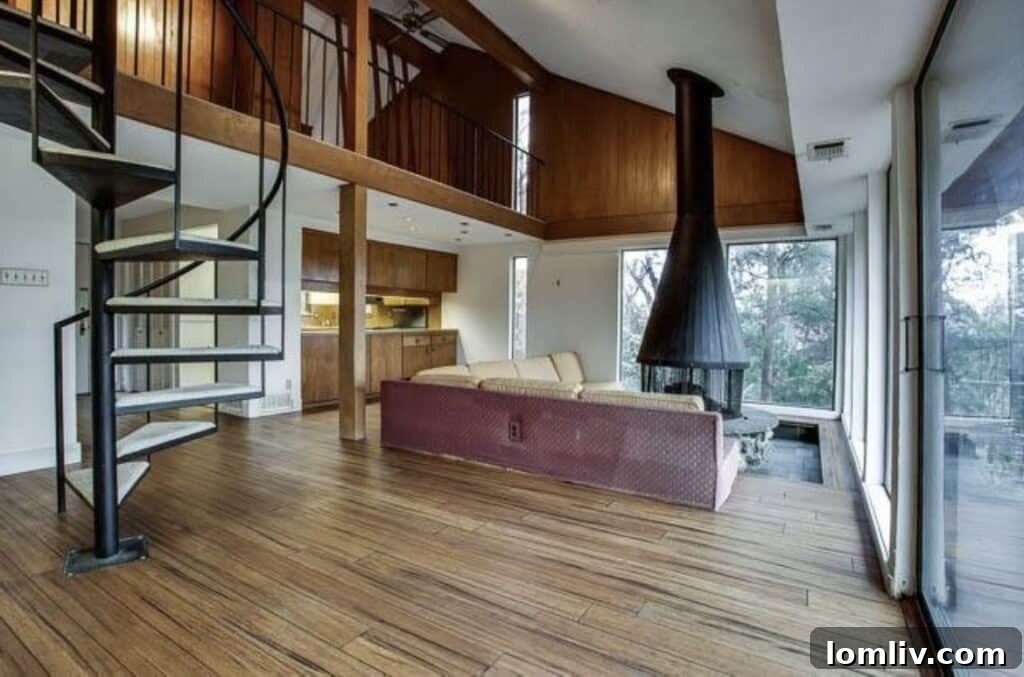
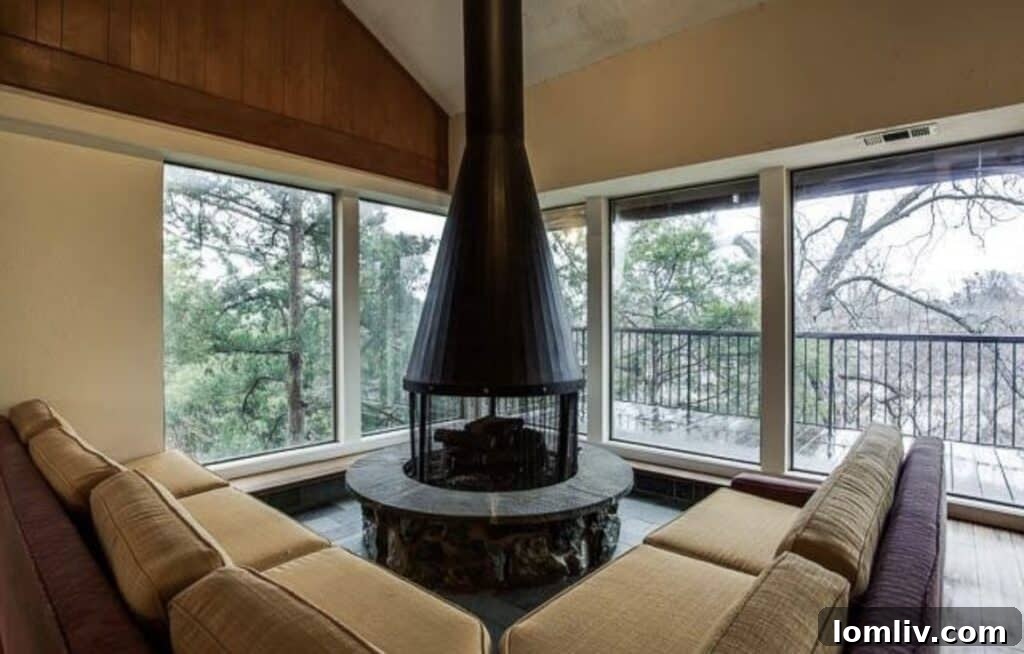
Despite the official determination that the construction at 1658 Nob Hill Road is compliant with the Kessler Park Conservation District’s regulations, Councilman West maintains that the district’s bylaws are in urgent need of strengthening. This call for reform is not merely a reactive measure but a proactive step to prevent similar interpretational disputes in the future. Recognizing the inherent ambiguities exposed by this project, West confirmed that a formal process to revise and enhance the ordinance has already been initiated. This effort aims to close the identified loopholes and ensure that the spirit of preservation is upheld more rigorously, providing clearer guidelines for development in Kessler Park’s unique topographical landscape.
Councilman West expressed profound empathy for the residents most directly affected by the new construction. “I am sympathetic to the neighbors who live near the new home in Kessler Canyon and will now have a new home, however well it may be designed and envisioned, looming over them,” West stated. He further articulated the core deficiency in the existing legislation: “The conservation district bylaws, as I understand them, were originally drafted without adequate contemplation of how significant topographical elevations, such as those found on Nob Hill, would inherently impact building heights and the design of basements.” Highlighting the urgent need for clarity, West concluded, “This significant grey area in the ordinance urgently needs to be tightened up and clarified. This is a crucial request I have formally made to both the Kessler Neighbors United organization and to city staff, emphasizing the importance of a comprehensive review and amendment process.” His statements underscore a commitment to refining the regulatory framework to better serve the community’s preservation goals and prevent future disputes rooted in ambiguous language.
‘Oak Cliff And Kessler Park Are up For Sale to The Developers’
Kevin Rachel, a vocal advocate for the neighbors, conveyed his deep frustration to daltxrealestate.com, asserting that the new owners had exploited a procedural workaround to advance their construction plans. He highlighted their strategy of submitting designs for a two-story house featuring two distinct basement levels, rather than explicitly labeling it as a four-story structure. This semantic distinction, according to Rachel, was a deliberate move to circumvent the explicit two-story height restriction within the conservation district. The community’s strong opposition to this project was evident through a petition, which garnered signatures from over 50 percent of the approximately 600 households within the conservation district, clearly indicating widespread disapproval of the development’s perceived overreach and non-compliance with the spirit of the bylaws.
Rachel further explained the procedural hurdles faced by the concerned neighbors, detailing how the development consultant informed them that a rezoning would not be required for the project. This critical piece of information effectively eliminated a conventional avenue for public opposition, as rezoning requests typically trigger mandatory public hearings and offer residents a formal platform to voice their objections and influence outcomes. Consequently, without the necessity of rezoning, the community found itself largely without a formal public mechanism to challenge the construction, which, to their dismay, is now well underway and progressing rapidly. This procedural bypass has left many residents feeling marginalized and powerless in the face of significant neighborhood alteration.
Adding to the frustration, Rachel recounted a specific promise that was not kept. “They also said it’s not going to be a teardown,” he emphasized, recalling assurances given during early discussions. “Well, guess what happened? It’s a complete teardown. Nothing left.” This broken promise further eroded trust between the developers and the community, fueling the perception that the project’s proponents were not entirely transparent about the scope and impact of their plans. The total demolition of the existing structure, contrary to initial representations, became another point of contention, reinforcing the neighbors’ belief that their concerns were being disregarded and that the integrity of the conservation district was being compromised.
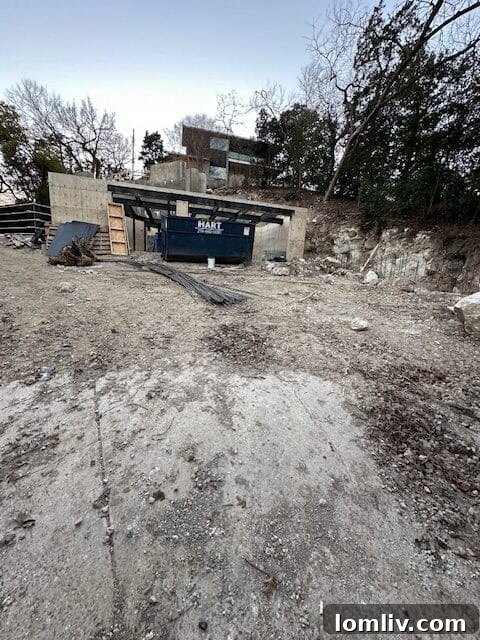
In an effort to gather official perspectives and clarity regarding the controversial Nob Hill project, our publication reached out directly to key city officials. We specifically contacted Development Services Director Andrew Espinoza and Assistant Director Vernon Young, seeking their insights and official statements on the matters raised by the Kessler Park community. Despite our outreach and attempts to secure a response, we unfortunately did not receive any communication or official comments from either director regarding the ongoing development and the neighborhood’s concerns. This lack of response further compounds the frustration for residents like Kevin Rachel, who feel their voices are not being adequately heard or addressed by city administration responsible for overseeing such development projects.
From Kevin Rachel’s perspective, the confluence of regulatory interpretations, perceived loopholes, and what he views as a lack of transparency paints a concerning picture for the broader community. He starkly concluded that, based on current trends and the outcomes observed in cases like the Nob Hill development, it appears that iconic neighborhoods like Oak Cliff and Kessler Park are increasingly becoming “up for sale to the developers.” This statement reflects a deep-seated fear among long-time residents that the unique character, historical integrity, and natural beauty of their beloved communities are being systematically eroded by development pressures, with financial interests potentially taking precedence over preservation and community wishes. It underscores a feeling of helplessness and a perceived shift in control over the neighborhood’s future.
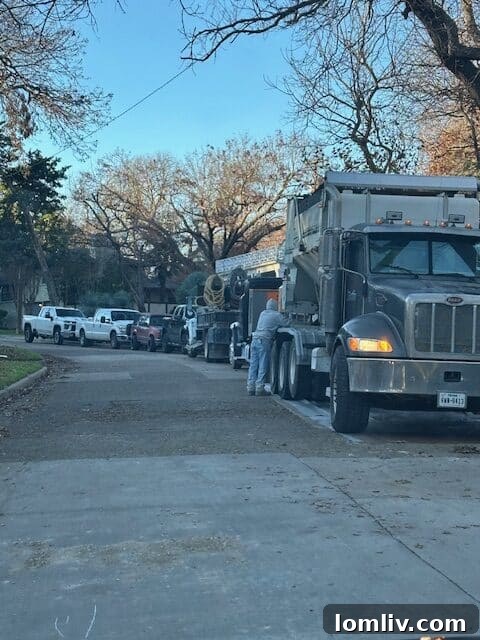
Beyond the central issue of height and ordinance interpretation, Rachel voiced a litany of other significant complaints regarding the Nob Hill project, highlighting the pervasive disruption it has brought to the tranquil Kessler Canyon area. These concerns include the persistent obstruction of local roadways by large construction trucks, creating traffic hazards and inconvenience for residents. Furthermore, Rachel detailed instances of construction activities occurring at all hours of the night, severely impacting the peace and quiet of the neighborhood and disrupting residents’ sleep. Perhaps most distressing to many, he pointed to the extensive removal of numerous mature trees from the property, a decision that has significantly altered the site’s natural aesthetic and environmental contribution. These accumulated grievances underscore the profound impact the development has had on the daily lives and cherished environment of the surrounding community.
Rachel lamented the transformation of the property, stating, “This lot was once an urban forest, a vital green space that supported local wildlife. There were owls living in those trees, contributing to the biodiversity of our urban environment.” He further elaborated on the devastating loss of natural habitat: “They ripped out 16 trees, a significant blow to the ecological balance and the visual beauty of the area.” Rachel passionately connected this loss to the very essence of what makes the community special: “The things we deeply love about Oak Cliff — its distinctive hills, its cherished nature, and its beautiful trees — they just destroyed all of it to build this ultramodern house.” He criticized the architectural incongruity, adding, “This contemporary design stands in stark contrast to the surrounding homes, which are predominantly 1950s Midcentury Modern ranch-style residences.” Rachel concluded with a pointed observation about the perceived motivations behind the project: “This house would fit perfectly in East Kessler, but they would have had to pay twice as much for the lot over there,” suggesting that the choice of location was driven by cost rather than compatibility with the existing neighborhood aesthetic and conservation principles, further fueling community resentment.