Election Day marks a crucial moment for civic engagement, offering citizens the opportunity to shape their communities and the future of public services. If you haven’t yet exercised your right to vote during early voting, remember that polling places are open until 7 p.m., providing ample time to cast your ballot. Beyond statewide amendments to the state constitution, many local ballots feature critical initiatives, most notably school bond elections. This year, both the Highland Park Independent School District (HPISD) and the Dallas Independent School District (DISD) are holding significant bond elections, underscoring the vital role of voter participation in educational funding.
The decisions made today at the polls have far-reaching implications, particularly for public education. School bonds are not merely financial instruments; they represent a community’s investment in its children, its infrastructure, and its future. Understanding the scope and impact of these bond packages is essential for every voter. From upgrading aging facilities to expanding critical educational programs, these bonds address the evolving needs of school districts, directly influencing the learning environment for thousands of students.
Understanding School Bond Elections: A Community’s Investment in Education
School bond elections are a fundamental mechanism through which public school districts secure funding for major capital projects that cannot typically be covered by their annual operating budgets. These projects often include the construction of new schools, the renovation and modernization of existing facilities, technology upgrades, safety enhancements, and the purchase of essential equipment. When voters approve a school bond, they authorize the district to borrow money, usually through the sale of bonds, which are then repaid over a period of many years using property tax revenues.
The need for bond elections arises from several factors. Many school buildings are decades old, requiring extensive repairs, modern infrastructure, and adaptations to meet current educational standards and safety codes. Population growth in some areas necessitates the construction of new schools or the expansion of existing ones to prevent overcrowding. Furthermore, the rapid advancement of technology demands continuous investment to ensure students have access to the tools necessary for 21st-century learning. Without bond funding, school districts would struggle to maintain adequate facilities, provide up-to-date technology, or ensure a safe and conducive learning environment for all students.
The Dallas ISD Bond Package: Catalyzing Transformation and Opportunity
The Dallas Independent School District (DISD) bond package represents a monumental effort to address the diverse needs of its vast and varied student population. This comprehensive proposal aims to modernize schools across the district, ensuring that every student has access to high-quality learning environments. The bond focuses on several key areas: renovating and rebuilding older campuses, enhancing safety and security features, upgrading technology infrastructure, and expanding specialized programs vital for student success. This investment is crucial for a district as large and dynamic as DISD, which serves a wide range of communities, each with unique challenges and opportunities.
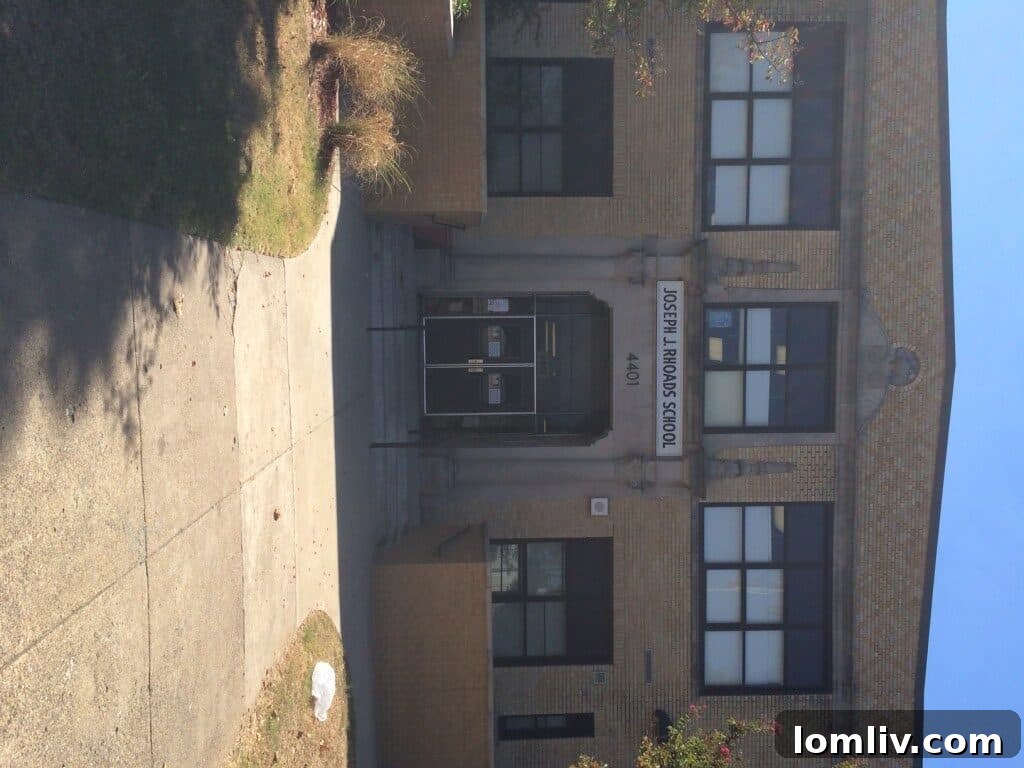
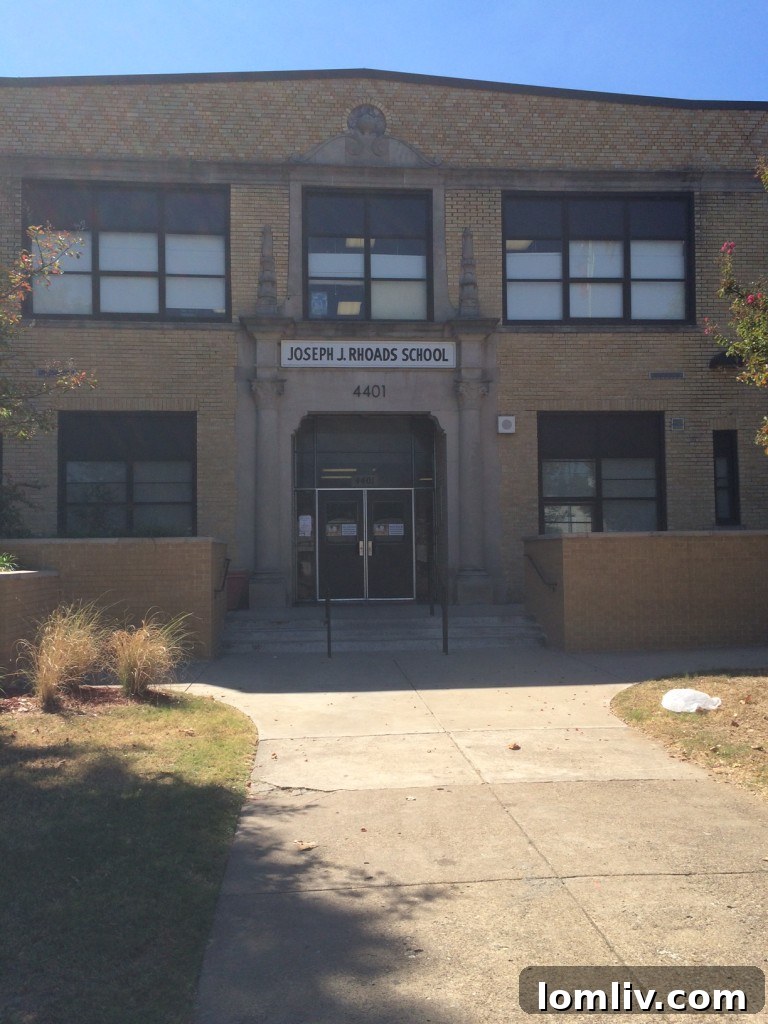
One compelling example of the bond’s potential impact is the planned transformation of the JJ Rhoads Learning Center, located in the Fair Park area. Currently, JJ Rhoads provides invaluable educational services, yet its facilities are in dire need of an overhaul. The proposed bond package includes funding for a brand new school building for JJ Rhoads. This isn’t just about new bricks and mortar; it’s about creating an environment that supports expanded educational programming and fosters student growth.
A Closer Look at JJ Rhoads Learning Center: Investing in Early Childhood Education
The revitalization of JJ Rhoads Learning Center stands as a testament to the profound impact of well-planned school bonds. For years, educators and community members have witnessed the challenges posed by an aging facility that struggles to meet the demands of modern education. The new school building envisioned through the DISD bond package will be more than just an architectural upgrade; it will serve as a cornerstone for educational advancement in the community, particularly through the expansion of its Pre-Kindergarten (Pre-K) program.
The importance of early childhood education cannot be overstated. Research consistently demonstrates that a strong foundation in Pre-K significantly improves a child’s academic trajectory. Children who participate in high-quality Pre-K programs are more likely to achieve crucial developmental milestones, particularly in literacy. The goal of having children read at grade level by third grade is a critical benchmark, one that dramatically influences a student’s long-term success. A child’s ability to read proficiently by third grade is a strong predictor of their likelihood of graduating high school and pursuing higher education or successful careers. By expanding the Pre-K program at JJ Rhoads, the bond package directly addresses this fundamental need, offering more children the chance for an early start.
Why does JJ Rhoads Learning Center need a new school? The current facility, like many older schools, faces issues ranging from outdated infrastructure and inefficient layouts to a lack of space for essential programs. These challenges can hinder effective teaching and learning, making it difficult to implement innovative curricula or provide specialized support. A new, purpose-built school will offer modern classrooms, collaborative learning spaces, improved technology integration, and facilities designed specifically to accommodate the needs of young learners and expand programs like Pre-K. This investment will not only enhance the immediate learning environment but also create a ripple effect, strengthening the entire Lincoln High School feeder pattern by ensuring students enter elementary school better prepared and continue on a path toward academic excellence.
The Highland Park ISD Bond Package: Maintaining Excellence and Addressing Growth
In parallel with DISD, the Highland Park Independent School District (HPISD) is also presenting a bond package to its voters. While the specific projects may differ due to the unique characteristics and needs of the district, the underlying principles are similar: to maintain and enhance the quality of education through strategic investments in facilities and infrastructure. HPISD’s bond initiatives typically focus on addressing growth, modernizing existing campuses, and ensuring that its schools continue to provide a premier educational experience. These bonds are essential for districts like HPISD to uphold their reputation for excellence and to accommodate increasing student enrollment while maintaining state-of-the-art facilities.
The Broader Impact: Why Every Vote on a School Bond Matters
Voting on a school bond extends far beyond the immediate impact on classrooms; it’s a decision that influences the fabric of the entire community. Strong public schools are often the cornerstone of thriving neighborhoods. They attract families, boost property values, and contribute significantly to local economic development. When school facilities are modern, safe, and well-equipped, they create a more attractive environment for residents and businesses alike, fostering a sense of community pride and stability.
Moreover, school bonds play a crucial role in promoting equity and opportunity within a district. By addressing disparities in facility quality across different campuses, especially in large districts like DISD, bond packages can help ensure that all students, regardless of their zip code, have access to an equitable learning environment. This commitment to equitable facilities is fundamental to closing achievement gaps and providing every child with the tools they need to succeed.
Beyond physical infrastructure, bonds often fund critical safety upgrades, such as enhanced security systems, improved fire suppression, and safer traffic flow around campuses. They also ensure that schools are equipped with the latest educational technology, preparing students for an increasingly digital world. These investments are not luxuries but necessities for providing a comprehensive, safe, and future-ready education.
Navigating the Ballot: More Than Just School Bonds
While school bonds are a significant component of many local elections, Election Day ballots also include other important propositions. State constitutional amendments, for instance, often appear on ballots, requiring citizens to vote on changes to the foundational laws of the state. These amendments can cover a wide range of topics, from property tax exemptions and infrastructure funding to public safety and judicial matters. It is equally important to research and understand these amendments, as they too have a direct bearing on the daily lives of citizens across the state.
Engaging with these ballot initiatives requires informed decision-making. Various media outlets, community organizations, and official election resources provide detailed information and different perspectives on each proposition. Voters are encouraged to thoroughly research each item on their ballot, weigh the arguments for and against, and consider the long-term implications of their choices. Civic participation, whether through early voting or on Election Day, is a fundamental responsibility that empowers individuals to shape their governance.
Your Vote: A Commitment to the Future
As the polls remain open until 7 p.m., the opportunity to make your voice heard is still available. Whether you are voting on the state constitutional amendments or the vital school bond packages for DISD and HPISD, your participation is invaluable. Every ballot cast contributes to the collective direction of our communities and the future of our children’s education. The investment in school facilities, educational programs, and modern learning environments through bond packages like those proposed by DISD and HPISD is an investment in the next generation. It ensures that public schools can continue to be centers of excellence, opportunity, and community growth.
Take the time to find your polling place and cast your ballot. Your active involvement in these decisions truly makes a difference, shaping the educational landscape and the overall well-being of our community for years to come. Let’s ensure that every eligible voice contributes to these critical choices that impact us all.