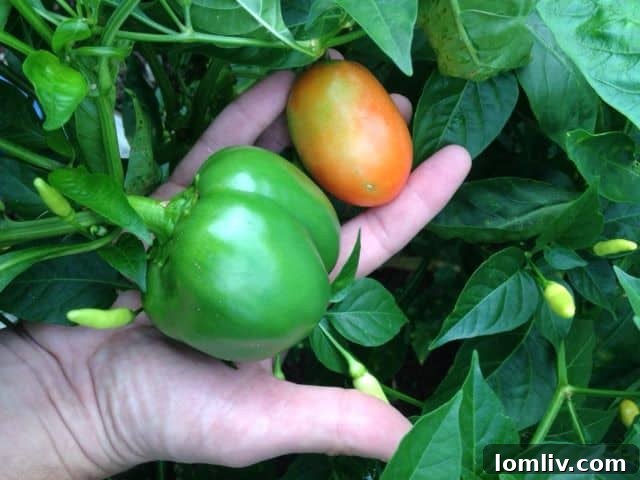
The murmurs turned into a rallying cry: “With supermarket prices soaring and shelves looking bare, perhaps it’s time to take matters into my own hands and grow my own food!” This sentiment, once a jest or a distant aspiration, rapidly transformed into a tangible reality for millions. The global pandemic served as the initial catalyst, forcing many to reconsider their relationship with food sources as safety protocols mandated staying close to home and limiting excursions for daily necessities. This initial shift was soon amplified by the subsequent challenges of persistent inflation and widespread supply-chain disruptions, compelling a significant portion of the population to embrace the self-sufficient path of homegrown food.
But did this sudden imperative truly lead to a lasting transformation? Did the average city dweller or suburbanite genuinely evolve into a more skilled and committed home gardener? Was the ambition sparked by necessity robust enough to foster enduring green thumbs across the nation?
A revealing study commissioned by Seattle-based Trees.com delved into these very questions. Their comprehensive research indicated that the surge in pandemic-induced gardening was far from a fleeting trend; it represented a fundamental shift in lifestyle and priorities. The website, a popular hub for horticulture enthusiasts, surveyed 2,000 Americans to uncover their evolving home gardening habits and unearthed some compelling statistics:
- A remarkable 50 percent of Americans engaged in growing their own produce over the past year, highlighting a widespread return to cultivating food.
- Approximately 36 percent of these newfound gardeners reported the satisfying habit of eating their homegrown produce every single day, integrating it deeply into their daily diets.
- Significantly, 33 percent of respondents stated that they save $100 or more each month by cultivating food at home, underscoring the substantial economic benefits of this practice.
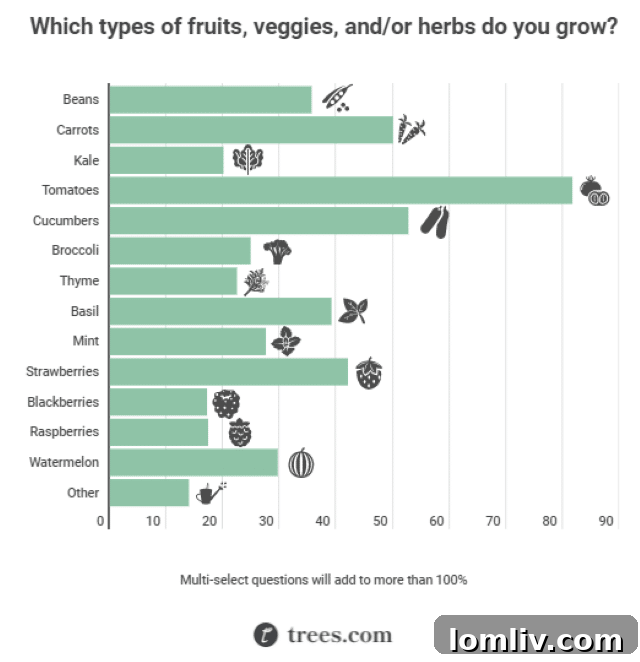
Digging deeper into the types of food being cultivated, the survey unequivocally crowned tomatoes as the reigning champion of homegrown produce, with an impressive 81.72 percent of gardeners tending to these versatile fruits. This widespread popularity is hardly surprising, given tomatoes’ adaptability to various climates and their central role in countless culinary traditions. Following at a respectable but distant second were crisp cucumbers, favored by 52.75 percent of home growers. Close behind, securing the third spot, were nutrient-rich carrots, planted by 50.05 percent of those surveyed. These top three choices suggest a preference for relatively easy-to-grow, high-yield vegetables that offer significant nutritional value and culinary flexibility.
The personal accounts of gardeners often reflect these statistics, demonstrating the tangible impact of home cultivation. Ashley Christian, a dedicated gardener, shared her family’s experience with Trees.com: “My family of seven now produces approximately 60 percent of the vegetables we consume annually. We strategically focus on growing produce that we genuinely enjoy eating, which ensures we maximize the utility and joy derived from every harvest. While the winter months naturally yield a slightly thinner crop, during the abundant summer and fall seasons, our diet consists almost exclusively of fresh vegetables picked directly from our garden.” This story powerfully illustrates the potential for substantial self-sufficiency, even for larger families.
Why Cultivate Your Own Garden? Unearthing the Myriad Benefits
The motivations behind embracing home gardening are diverse, yet consistently rooted in a desire for a better quality of life. When asked “Why grow your own food?”, the top response unequivocally pointed to the significant physical health benefits. Gardeners appreciate the direct access to fresh, organic produce, free from pesticides and preservatives often found in store-bought options. This direct connection to healthy food translates into improved nutrition and overall well-being. Furthermore, the physical activity involved in gardening – from digging and planting to watering and harvesting – provides excellent low-impact exercise, contributing to a healthier lifestyle.
Beyond health, combating the relentless tide of rising food costs due to inflation and unpredictable supply chain shortages emerged as a critical driver. The ability to offset a portion of the grocery bill by cultivating one’s own food offers a sense of economic resilience and control in an increasingly volatile market. The Trees.com study’s finding that a third of gardeners save over $100 monthly is a compelling testament to this financial advantage, making gardening a smart investment for many households.
Other compelling reasons cited for embarking on a gardening journey included the desire to learn a new, rewarding skill. In an age dominated by digital pursuits, the hands-on experience of nurturing life from seed to harvest offers a unique sense of accomplishment and practical knowledge. This pursuit of a new skill often intertwines with a broader ambition to become more self-reliant, reducing dependence on external systems for basic needs. For many, gardening also represents a cherished tradition, a link to ancestors who lived closer to the land. Melanie Musson of Belgrade, Montana, beautifully articulated this sentiment to Trees.com: “My grandma had a huge garden. It was a magnificent rectangle bursting with rows and rows of strawberries, asparagus, melons, rhubarb, tomatoes, onions, potatoes, and so much more. There’s a profound connection to family history and heritage when you cultivate your own patch of earth.”
The Mental and Environmental Harvest
The benefits of home gardening extend far beyond the tangible harvest. Many gardeners report significant improvements in their mental well-being. The act of tending to plants can be incredibly therapeutic, offering a calming escape from daily stressors. It fosters mindfulness, patience, and a deep connection with nature, which has been scientifically linked to reduced anxiety and improved mood. Watching a seed sprout, grow, and bear fruit provides a unique sense of accomplishment and joy that few other hobbies can replicate.
From an environmental perspective, home gardening is a powerful act of sustainability. It significantly reduces the carbon footprint associated with food production and distribution, as produce doesn’t need to be transported thousands of miles to reach your plate. It promotes biodiversity, enriches soil health, and encourages responsible water usage, especially when techniques like rainwater harvesting or drip irrigation are employed. Choosing to grow organic produce at home also means you are contributing to a healthier ecosystem, free from harmful pesticides and chemical fertilizers.
Cultivating Community and Local Expertise in North Texas
The enduring appeal and practical advantages of home gardening offer a wealth of considerations for prospective and experienced cultivators, particularly those in specific regions. For residents of North Texas, these insights provide valuable food for thought as they prepare for local home and garden shows. Understanding regional climates, soil conditions, and optimal planting seasons is crucial for success. North Texas, with its unique weather patterns, often requires specific strategies for year-round vegetable gardening. Connecting with local experts and fellow gardeners can provide invaluable guidance, sharing tips on drought-resistant plants, pest management adapted to the area, and even the best varieties of popular crops like tomatoes that thrive in the local heat.
The North Texas gardening community is vibrant and growing, fostering a strong sense of shared passion and mutual support. Local gardening clubs, workshops, and annual shows are excellent venues for exchanging knowledge, sourcing regional seeds, and discovering innovative gardening solutions tailored to the area. For instance, knowing which vegetables tolerate the intense summer heat or which require protective measures during occasional winter freezes can make all the difference between a bountiful harvest and a disappointing yield. This regional focus ensures that the broader trends in home gardening translate into practical, actionable advice for local enthusiasts.
Overcoming Common Gardening Hurdles
While the rewards of home gardening are substantial, it’s also important to acknowledge common challenges and how they can be overcome. Space constraints, particularly for urban and suburban dwellers, are frequently cited. However, innovative solutions such as vertical gardening, container gardening on patios and balconies, and raised beds can transform even small areas into productive food sources. Time commitment is another concern; however, planning and choosing low-maintenance crops can make gardening accessible even for those with busy schedules. Additionally, a wealth of resources, from online guides to local extension services, can help new gardeners overcome knowledge gaps, making the learning curve less daunting.
Ultimately, the journey from contemplating a garden to enjoying its bounty is one of learning, patience, and immense satisfaction. The home garden, whether a sprawling backyard plot or a humble collection of pots on a windowsill, represents more than just a source of food; it’s a sanctuary, a classroom, and a testament to resilience and self-reliance.
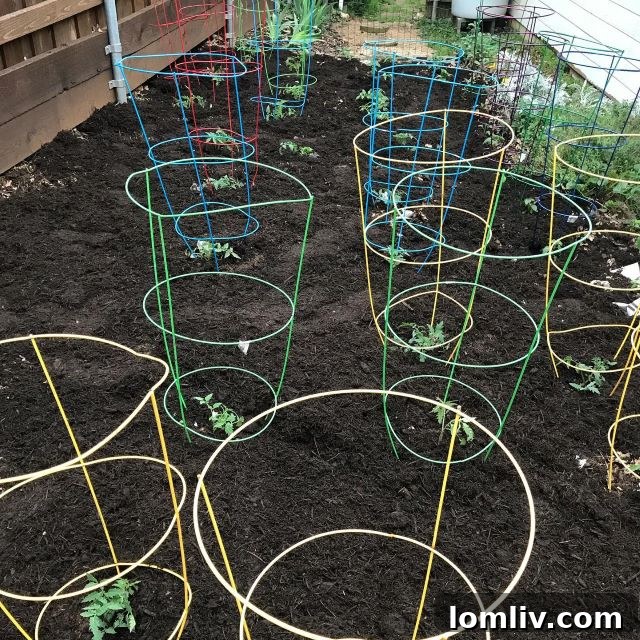
Essential Gardening Resources for North Texas
Report Review: The insightful Trees.com online survey was conducted between March 8-10, capturing a snapshot of gardening trends. Of the 2,000 participants, 25 percent identified themselves as residing in the countryside, 38 percent in the suburbs, and 37 percent in urban environments. This comprehensive report offers a wealth of information, proving to be a true rabbit hole of fascinating data for any gardening enthusiast. 🐇
- Texas Garden School’s Expert Guide: Growing Vegetables Year-Round in North Texas
- Texas AgriLife Extension’s Detailed Introduction to Vegetable Gardening in North Texas
- Comprehensive Advice: How to Vegetable Garden Year-Round in North Texas
- Insights and Tips from the North Texas Vegetable Gardeners Blog