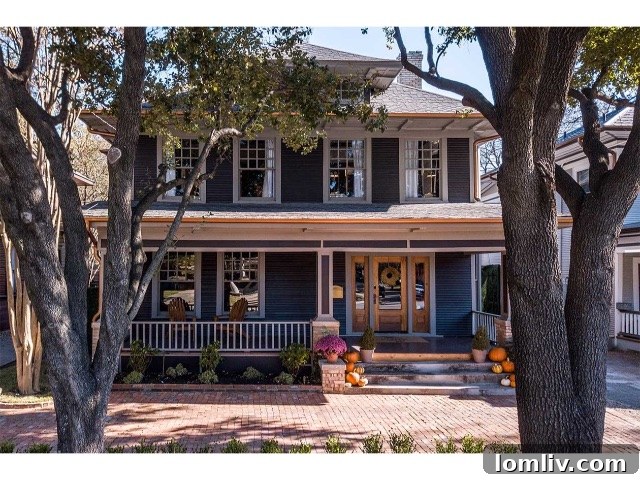
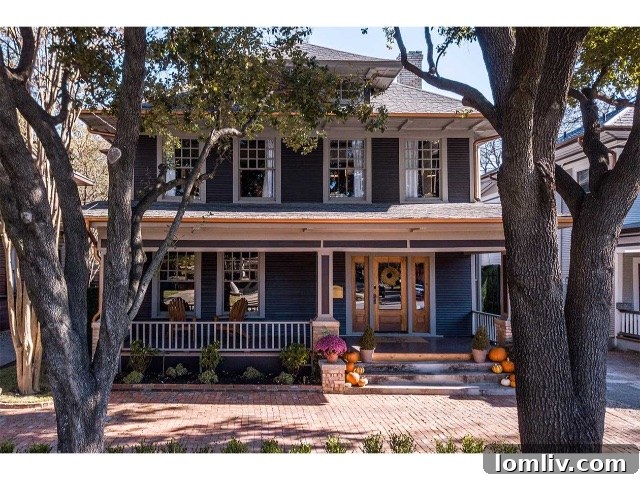
In the vibrant heart of Dallas, where modern skyscrapers meet tree-lined historic streets, tales of architectural rebirth resonate deeply. Our ongoing series celebrating the 2020 Preservation Achievement Awards, proudly presented by Preservation Dallas, shines a spotlight today on a remarkable triumph: The Gaston. This isn’t merely a structure; it’s a testament to resilience, a beacon of visionary design, and a house that has truly come full circle, re-emerging from years of neglect to reclaim its original grandeur while embracing a dynamic new purpose. Its narrative is a powerful reminder of why historic preservation is not just about saving old buildings, but about enriching communities and preserving the soul of a city.
The distinguished two-story residence located at 4802 Gaston Avenue began its storied existence in 1906, an elegant single-family home built during a period of significant growth and prosperity in Dallas. The early 20th century saw the city expanding rapidly, with neighborhoods like Peak’s Suburban Addition becoming desirable addresses for prominent families. These homes were crafted with enduring quality and architectural detail, embodying the aspirations of their original owners. By 1925, the home welcomed a new chapter when William Lewis Sterrett and his young bride embarked on their married life within its walls. Lew, a man destined for public service, started his career at the county clerk’s office, steadily rising through the ranks to become a respected judge whose influence left an indelible mark on Dallas County. Indeed, his legacy endures not just in historical records but in the very fabric of the city, with the correctional facility, the Lew Sterrett Justice Center, bearing his honorable name. The connection between a distinguished judge, whose name now signifies justice, and the humble beginnings of his married life in this charming home, adds another layer of intrigue to The Gaston’s rich tapestry. This discovery is precisely one of the many enchanting aspects of exploring these historic properties – you never know whose footsteps you might be tracing until you begin to peel back the layers of time.
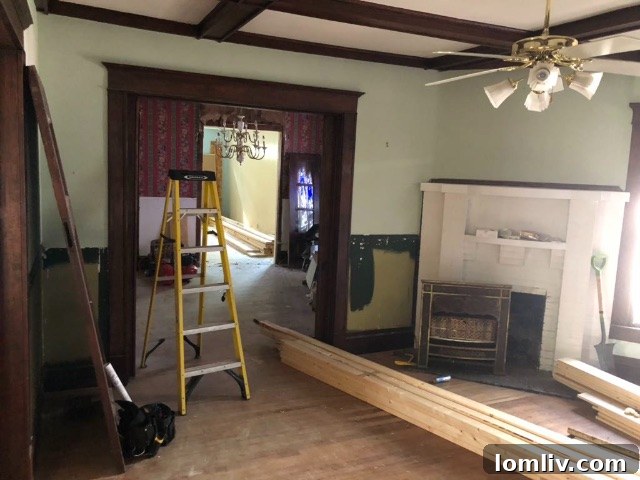
The early decades of the 20th century brought significant societal shifts, and The Gaston, like many grand homes of its era, adapted to changing economic realities. From the roaring twenties well into the post-war boom of the 1950s, it was a common practice for homeowners to take in boarders to help offset expenses, a concept that remarkably echoes our modern Airbnb phenomenon today. This adaptation allowed families to navigate challenging financial periods, and it also created vibrant, communal living spaces within urban environments. At one point in the early 1950s, The Gaston underwent a dramatic transformation, its elegant single-family layout cleverly divided into a remarkable twelve individual rooms available for rent. Known affectionately as Robertson’s, it was widely recognized as a bustling and popular rooming and boarding house, offering a refuge and a community for many. Imagine the myriad stories contained within those walls, as individuals from diverse backgrounds shared common spaces, forging friendships, pursuing careers, and living their daily lives under one roof. The Dallas Morning News, a chronicle of the city’s pulse, frequently featured advertisements for rooms at Robertson’s, painting a vivid picture of its appeal. One particular ad stands out, a charming testament to the establishment’s dedication to comfort and camaraderie:
Yes. The last word in boardinghouses has been said, “Beat the high cost of living.” Fine meals served generously—family style. Choice vegetables. Meats, such as steak, fried chicken, roast beef, roast turkey For breakfast— bacon and eggs, ham and eggs, toast, hotcakes, etc. “inches packed. Maid service: twin beds. Innerspring mattresses. Near all conveniences. Excellent bus service. Parking space. Friendly atmosphere. Working men. Very good neighborhood, very congenial management. Life here and safe the difference.
It’s easy to envision the enduring popularity of Robertson’s with such an enticing menu and promise of a welcoming environment. With generous, family-style meals featuring steak and fried chicken, maid service, and a friendly atmosphere, it’s safe to say vacancies were likely a rare occurrence. This era highlights the home’s incredible adaptability and its deep roots within the community, providing shelter and sustenance to countless individuals through several pivotal decades of Dallas history.
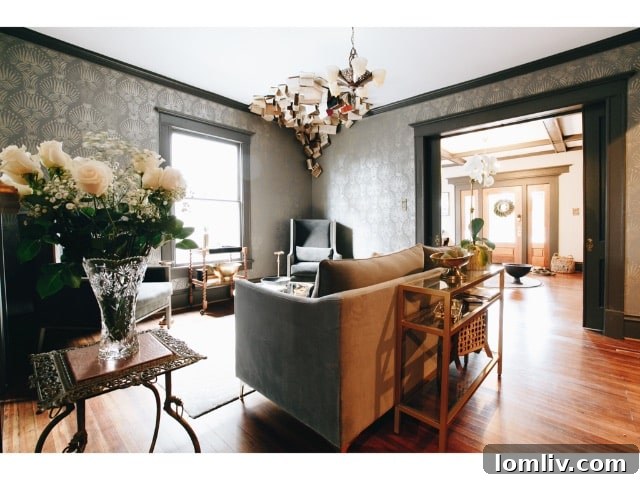
A Visionary Revival: The Gibson Family’s Dedication to Dallas Heritage
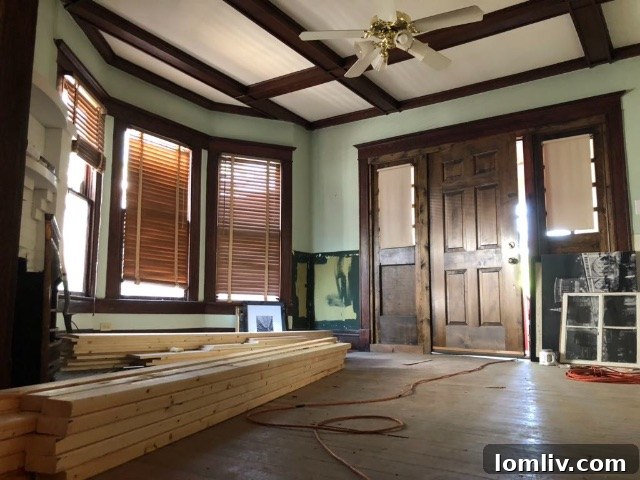
Decades passed, and the once-grand boarding house faced the inevitable wear and tear of time, falling into a state of disrepair. Yet, fate had another extraordinary chapter in store for 4802 Gaston Avenue. This is where the story fast forwards to Mike Gibson, a man whose upbringing in an older home in Cleveland instilled in him a deep appreciation for architectural heritage and character. Upon his relocation to Dallas, Mike was naturally drawn to the charming, historic ambiance of the Peak’s Suburban Addition neighborhood. He not only purchased a house here but also successfully launched his burgeoning company, New View Roofing, quickly establishing himself as a key figure in the local business community. It wasn’t long before his sister, Liz, captivated by the opportunities and the allure of Dallas, moved to join him, lending her formidable talents to help manage the growing enterprise. Their brother, Patrick, soon followed, completing the family’s move to the burgeoning city. As they settled into their new lives and immersed themselves in the friendly neighborhood, an unexpected and novel idea presented itself through a perceptive neighbor.
“She was a Realtor, and she knew the owners of the house next to us,” Liz recalled, describing the serendipitous beginning of The Gaston’s modern-day revival. “She knew they wanted to sell and approached us with the idea of creating a bed and breakfast. We had never considered it, but when she pitched it to us, we thought it would be a great way to lure our mom to Dallas to manage it.” This clever and heartwarming strategy perfectly underscored the deep family bonds and their entrepreneurial spirit. The idea blossomed from a simple suggestion into a full-fledged passion project, igniting a vision for transforming the neglected historic structure into a vibrant hospitality destination. It was an ambitious undertaking, but for the Gibson family, challenges often serve as catalysts for innovation and collaboration.
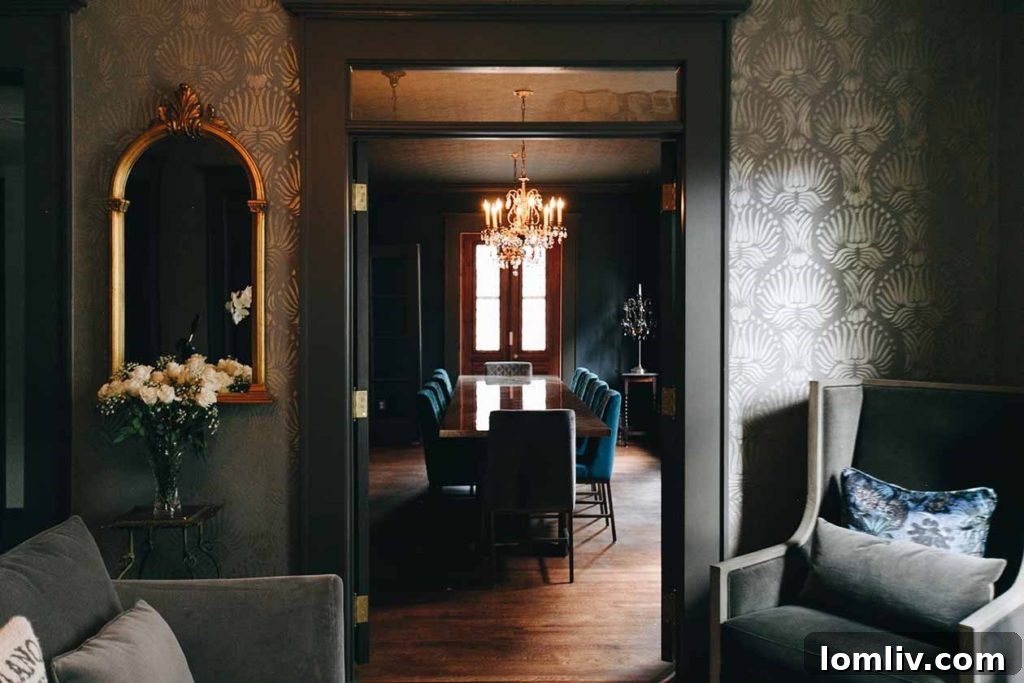
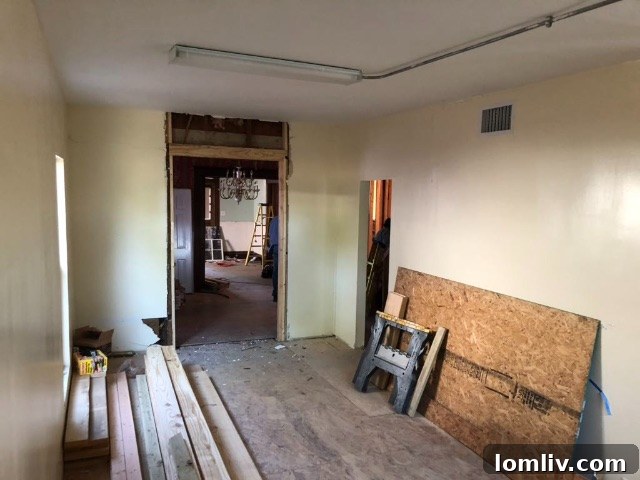
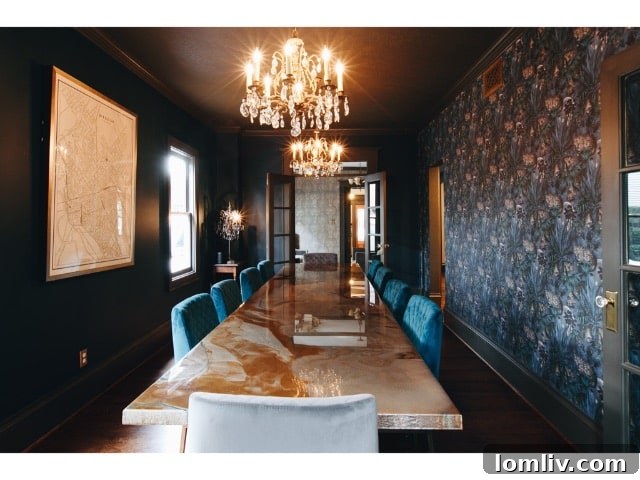
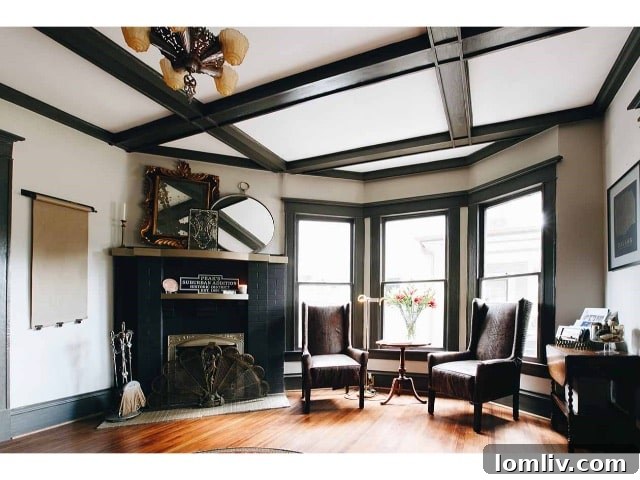
To say this family works exceptionally well together is a profound understatement; they are a true force of nature, dynamos driven by shared vision and unwavering dedication. What began as a bold concept quickly materialized into a meticulous, year-and-a-half-long labor of love. Every detail of the once-neglected historic home was painstakingly brought back to life, resulting in The Gaston, a unique and exquisite bed and breakfast and premier event space in Dallas. And yes, true to their plan, their mother joyfully relocated to Dallas to oversee its operations, adding another layer of personal touch to this family-driven endeavor. The transformation was nothing short of miraculous, breathing new life into every room, every hallway, and every carefully restored architectural element.
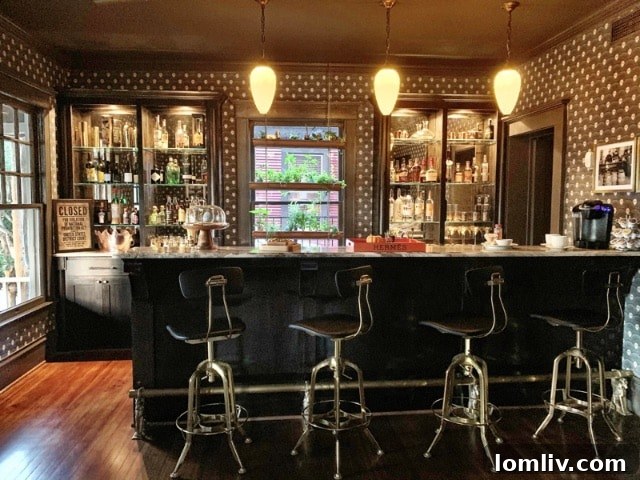
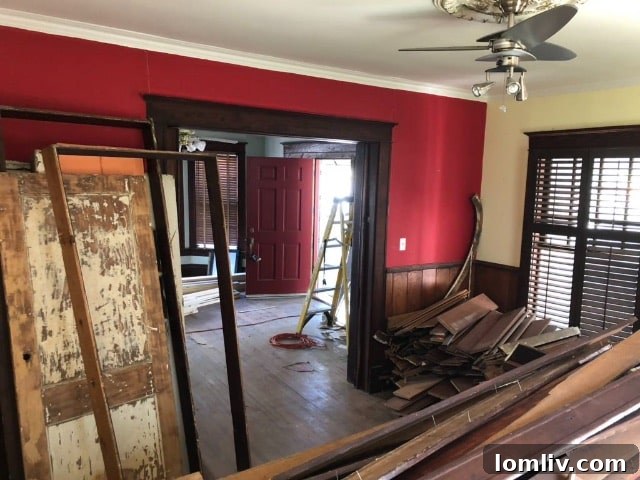
Liz Gibson emerged as the principal design visionary behind The Gaston’s stunning rebirth. Her talent is not just genuine; it’s extraordinary, allowing her to manifest the intricate details of her imagination into tangible, breathtaking realities. Liz embarked on an extensive journey of research and sourcing, meticulously seeking out historically appropriate lighting fixtures that would honor the home’s original grandeur. She engaged with the finest craftsmen, whose skilled hands could bring her exacting vision to life, and tirelessly scoured salvage yards across the region. Her objective was clear: to ensure The Gaston would not only be period-perfect, mirroring its 1906 origins, but also undeniably picture-perfect, radiating a sophisticated allure. “I wanted to do an edgy hospitality concept without running away from the historical elements,” Liz explained, articulating her nuanced design philosophy. This delicate balance meant integrating modern comforts and stylish touches while preserving and celebrating the building’s inherent history and character. The result is a space where the past and present seamlessly intertwine, offering guests an experience that is both luxurious and deeply rooted in Dallas heritage.
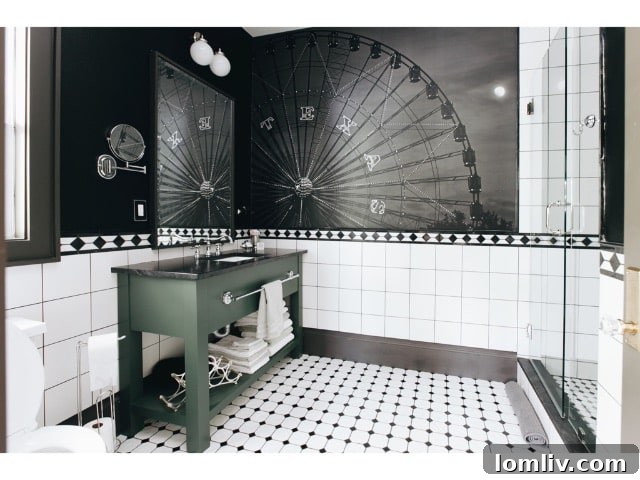
Throughout her ambitious mission, Liz found an invaluable partner in Hannah Hargrove, the dynamic owner of Orr-Reed Wrecking. Orr-Reed is not merely a salvage company; it is the definitive go-to resource for historical preservationists, architects, and interior designers throughout the region. Forget any preconceived notions about typical salvage yards; this is a treasure trove where the elusive, authentic pieces of vintage hardware, grand antique doors, exquisite lumber, classic clawfoot tubs, and irreplaceable salvaged hardwood flooring are meticulously preserved and offered a second life. For The Gaston, Orr-Reed’s expertise was indispensable. They undertook the intricate task of milling new wood to flawlessly match the existing grain of the original floors, a testament to their unparalleled craftsmanship. The integration was so seamless that even Hannah herself, with her seasoned eye for historical details, cannot discern where the old gracefully meets the new. This partnership exemplifies how a deep understanding of historical materials, combined with visionary design, can create an outcome that honors the past while ensuring a vibrant future.
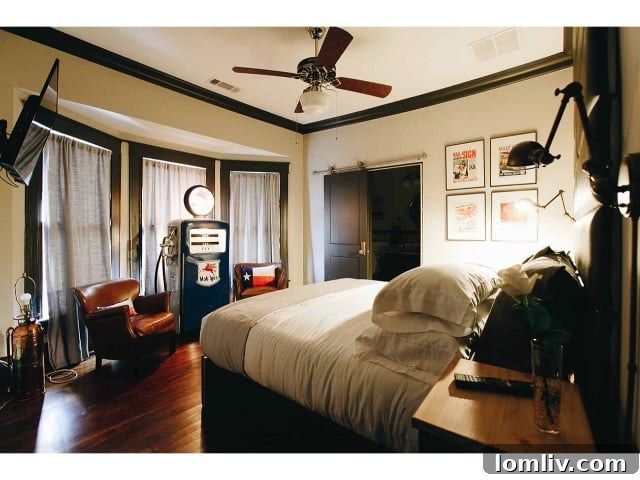
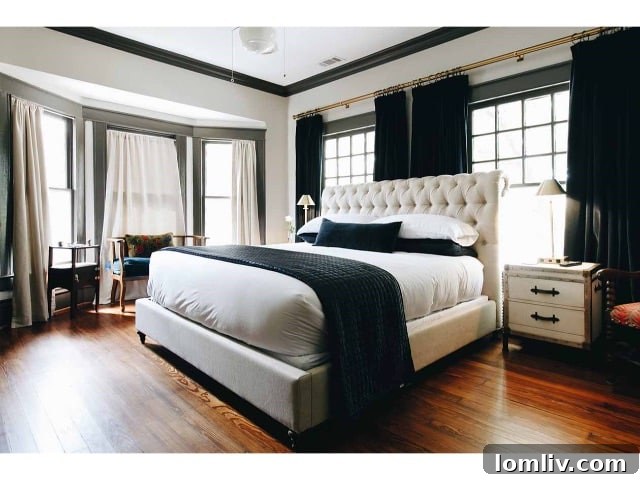
Hannah Hargrove, a veteran of the architectural salvage business, openly expresses her admiration for Liz’s unique abilities. “I’ve worked in this business my entire life,” Hannah shared, “Liz is the only person I’ve met that can out-think me. She is a true visionary and knows how to meld the old and the new in a unique way, and never gives up.” This sentiment perfectly encapsulates Liz’s relentless pursuit of perfection and authenticity. A prime example of her dedication was her quest for a specific brass foot rail, reminiscent of one she admired in a Chicago bar. When a suitable vintage piece proved impossible to find, Liz, undeterred, had one custom manufactured, ensuring it looked as if it had been a cherished fixture for decades. Her discerning eye also led her to commission Jennifer Connors for the creation of an unusual and captivating book art installation, adding another layer of unique artistry to The Gaston’s interiors. Beyond the public spaces, each of The Gaston’s five unique bedrooms is a curated experience, individually designed with distinct layouts and decor themes rooted in Dallas and Texas history. For instance, the captivating “Vaca” room pays homage to the state’s storied oil and gas industry, while others draw inspiration from local legends or significant historical periods, transforming each stay into a journey through time and culture.
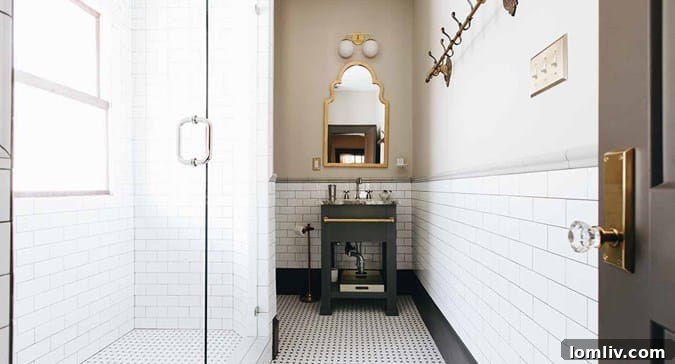
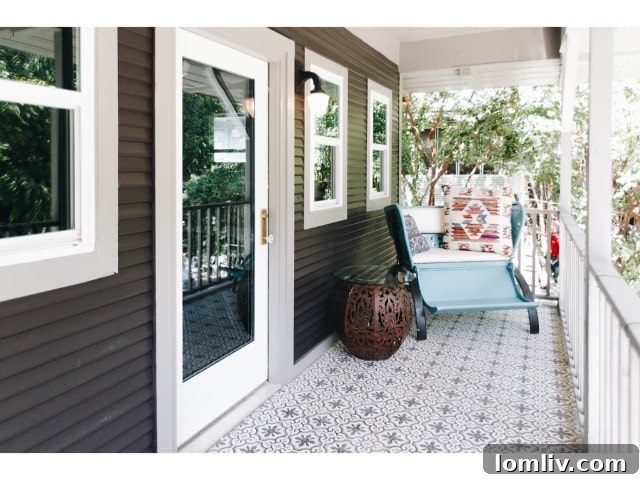
The successful revitalization of The Gaston was not an isolated project but rather the spark that ignited a deep-seated passion for historic preservation within the Gibson family. They have truly been bitten by the historic preservation bug, transforming their initial endeavor into a sustained commitment to Dallas’s architectural legacy. Their exceptional work on The Gaston earned them a well-deserved Preservation Achievement Award, a testament to their dedication and meticulous craftsmanship. Their efforts didn’t stop there; they subsequently received an award for their restoration of the Nance House, located right next door, further cementing their reputation as leading figures in the preservation community. Currently, the Gibsons are immersed in another significant project: the restoration of the historic Bianchi House on Reiger Avenue, continuing their mission to revive and protect Dallas’s treasured older homes. Their work highlights a critical aspect of urban development: understanding that a city’s true character is often found not in its newest constructions, but in the layers of its past, lovingly preserved and adapted for the future.
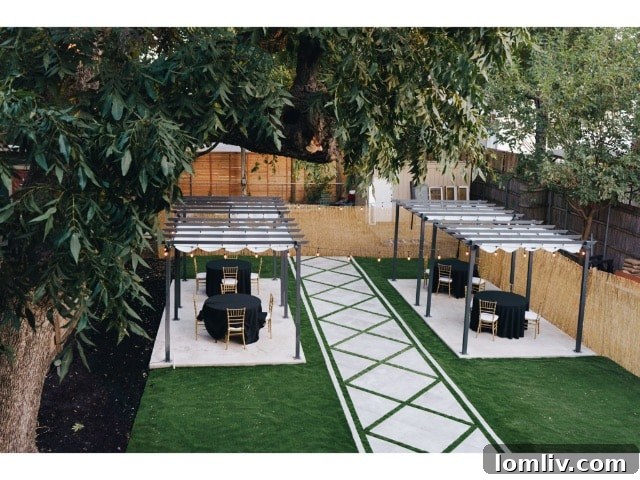
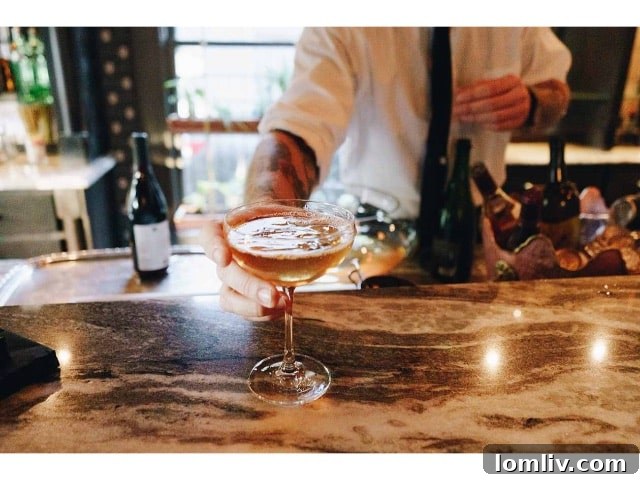
The collective teamwork, unwavering dedication, and visionary spirit of the Gibson family are truly extraordinary, setting a benchmark for what can be achieved in historic preservation. The magnificent result of their project at The Gaston embodies everything we hope for when a historic structure is given a second chance. This once-neglected, beautiful old home now enjoys a vibrant, renewed life, embracing a new purpose as a luxury bed and breakfast and a captivating event space. More than just a successful business, The Gaston stands as a shining example of why preservation matters, demonstrating how these cherished old homes can inspire new generations, connect us to our collective past, and contribute immeasurably to the unique character and enduring charm of Dallas. It’s a powerful narrative of revival, a testament to the fact that with vision and perseverance, the stories embedded within our historic buildings can continue to unfold for centuries to come. Cheers to The Gaston and to the many inspiring endeavors yet to come from the remarkable Gibson family!