21 Turtle Creek Boulevard: A Model for Modernizing Dallas’s Historic High-Rises
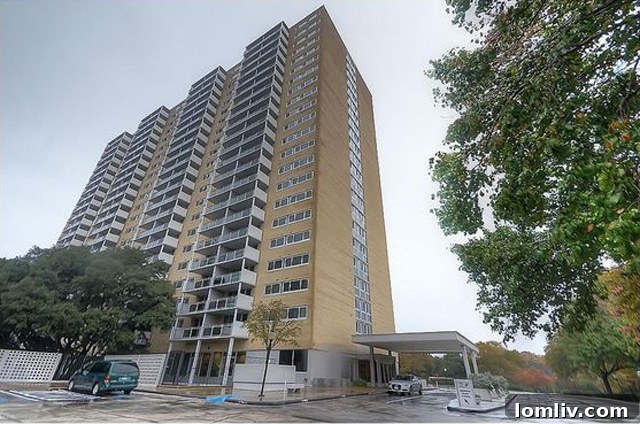
Dallas’s architectural landscape is rich with history, and among its most cherished structures are the iconic high-rises that shaped the city’s skyline. One such edifice, 3883 Turtle Creek Boulevard, affectionately known as “21,” stands as a testament to this legacy. Built in 1963, it holds a distinguished place as one of Dallas’s original multi-family towers. However, like many buildings of its vintage, “21” faced the challenges of aging infrastructure and outdated systems. My recent meeting with members of its HOA board and Worth Ross, the owner of their management company, unveiled a remarkable story of visionary leadership and transformative renovation that has not only preserved but profoundly enhanced this venerable landmark.
In recent years, “21” has undergone an extensive and dramatic exterior and interior metamorphosis. What was once a building showing signs of its age, often due to past neglect and short-sighted planning, has been meticulously rejuvenated. The list of upgrades is comprehensive: modernized boilers, highly efficient heaters, state-of-the-art A/C chillers, and much more. Beyond critical mechanical systems, the building’s façade has been spectacularly revitalized with sleek new glass balcony railings and energy-efficient windows. This extensive project, while a significant undertaking, has firmly re-established “21” on the map as a premier residence, proving that strategic investment can turn an aging asset into a modern masterpiece.
The Blueprint for Revival: Strategic Planning and Professional Management
Before its renaissance, “21” mirrored the plight of many older high-rises: a lack of sufficient reserve funds hindering essential maintenance and future-proofing. The initial imperative was clear: address critical immediate issues. Following this, the HOA board embarked on an ambitious journey of heavy-duty, long-term planning, a crucial step for any aging multi-family dwelling aiming for sustained excellence. This strategic shift was spearheaded by the engagement of Worth Ross as the new management company.
Upon Worth Ross taking the helm, the HOA board initiated a comprehensive reserve study. This wasn’t merely a band-aid solution; it was a deep dive into understanding the building’s long-term needs, forecasting future capital expenditures, and meticulously structuring HOA dues to ensure the financial viability of these plans. The board recognized a fundamental truth: while dedicated, they lacked the specialized expertise and time required for such an intricate project. This self-awareness led to the smart decision of selectively hiring external professionals. By bringing in unbiased, experienced consultants, the reserve study was completed more swiftly, with greater accuracy, and without the potential conflicts of interest that can arise when residents attempt such complex analyses themselves.
Today, “21” operates with a highly sophisticated, long-range reserve study that meticulously earmarks all future maintenance projects and strategic goals along a clear timeline. This proactive “autopilot” system is, in my opinion, an indispensable tool for all multi-family dwellings. It transitions an HOA from reactive crisis management to a stable, predictable, and financially sound operational model, ensuring the building’s longevity and continued appeal for decades to come. This forward-thinking approach not only safeguards residents’ investments but also instills confidence in the building’s future trajectory, a rare commodity in the world of aging urban properties.
Investing in the Future: The Power of Energy Efficiency Upgrades
Spending Smart: The Window Replacement Project
Like many structures from its era, “21” was originally outfitted with single-pane windows, a design that offered minimal insulation and energy efficiency, akin to trying to warm a home with a colander for a wall. This inherent inefficiency meant substantial heat loss in winter and heat gain in summer, leading to skyrocketing utility bills and inconsistent indoor temperatures. Recognizing this critical flaw, the HOA embarked on one of the most significant and invasive projects: a complete re-glazing of the building’s exterior. Over an intensive period of approximately six months, all original glazing was meticulously replaced with state-of-the-art, energy-efficient multi-pane windows. To my knowledge, “21” stands as one of the very few, if not the only, Dallas buildings of its generation to have undertaken such a comprehensive and ambitious exterior re-glazing, setting a powerful precedent for its sister-buildings and the wider industry.
The results of this monumental undertaking were not just positive; they were nothing short of staggering, exceeding even the most optimistic expectations. Because all utilities at “21” are centralized and integrated into the HOA dues – a common setup in older buildings originally conceived as apartments before the advent of condos – the building could precisely track its energy consumption. The data revealed an astonishing outcome: utility-related gas and electrical usage plummeted by a remarkable 40 percent. While utility costs also saw a significant drop, they were naturally subject to market fluctuations. However, with electricity prices demonstrating greater stability than gas, the financial impact became clearer: the new window installation project alone is saving the building approximately $122,000 annually, representing a substantial 24 percent reduction in electricity costs. According to Jimmy Fortuna, the Treasurer for “21,” the total glazing project incurred a cost of roughly $2.7 million.
It is true that the financial payback period for such an investment is long, estimated at around 22 years. However, when viewed through a long-term strategic lens, considering these advanced windows are projected to last for at least another 50 years, this is unequivocally money well spent. It’s an investment in the building’s future, enhancing comfort, reducing operational costs, and increasing property value for generations.
A Holistic Approach to Energy Savings and Modernization
The commitment to energy efficiency at “21” extends far beyond just windows. Board president Josie Johnson highlighted additional initiatives that will yield further savings, estimating another 20 percent reduction in electricity costs in the coming years. These gains are multifaceted, stemming from a strategically renegotiated electricity contract, the widespread adoption of energy-efficient LED lighting in all public areas and hallways, and the timely replacement of an aging A/C cooling tower with a more efficient model. Each of these upgrades contributes to a greener, more cost-effective operational footprint.
The depth of their planning is truly encompassing, illustrating a meticulous attention to detail that few HOAs achieve. For instance, they even scrutinized the ventilation fans in the parking garage, traditionally designed to vent vehicle exhaust. Recognizing that modern vehicles produce significantly cleaner emissions and in lesser volumes compared to 50 years ago (thanks to the elimination of leaded gasoline and advancements in engine technology), they were able to replace the oversized, power-hungry original fans with more energy-efficient, less-powerful models. This seemingly minor adjustment exemplifies the value of expert consultation and a truly comprehensive planning approach – it’s a detail most would overlook, yet it contributes meaningfully to overall efficiency and cost savings. Such foresight underscores the immense value of professional expertise in optimizing every aspect of building operations.
Financing the Future: A Prudent Financial Strategy
Navigating Special Assessments and Dues Increases
To fund the extensive renovations, including the critical window replacement and other essential upgrades, “21” secured a $2.9 million loan. This financial commitment translated into a special assessment for each unit, amounting to approximately $7,687. Residents were provided with a manageable repayment plan: they could pay this assessment over three years, at a comfortable rate of roughly $213 per month. This structured approach ensured that the financial burden was distributed fairly and made accessible to unit owners.
Following the successful completion of the special assessment in 2014, the ownership, having witnessed the tangible benefits of the initial investments, voted decisively to continue funding the ambitious plans outlined in the comprehensive reserve study. This forward-looking decision resulted in a 19 percent increase in HOA dues. While any dues increase can be a point of contention, this particular adjustment was a strategic investment in the building’s long-term health, channeling a robust $750,000 annually into their reserve fund. This substantial contribution establishes a very healthy financial foundation, ensuring that “21” has the necessary capital to proactively address future maintenance and capital improvement projects, thereby avoiding future crisis-driven expenditures and protecting property values.
Some might draw parallels between “21”‘s dues increase and other high-rise scenarios, such as the one I discussed in December concerning Park Towers. However, the context is fundamentally different. “21” wasn’t merely rectifying years of structural neglect; it was executing a deliberate, long-term plan to rejuvenate an aging building with cutting-edge, energy-saving technologies and modern amenities. The financial demands, while significant, were not nearly as onerous, and critically, the benefits were immediately tangible and universally appreciated by every owner, every single day. The investment directly translated into enhanced living comfort, reduced personal utility costs, and a visible upgrade to their home and community asset.
Benefits Beyond Savings: Elevating the Living Experience
The success story of “21” extends far beyond impressive energy savings and a fortified reserve fund. The comprehensive renovations have ignited a renewed sense of pride among residents and significantly enhanced the overall living experience. The modern aesthetic, improved comfort, and quiet assurance of a well-managed building contribute to a higher quality of life. The reduction in noise pollution due to new windows, the consistent temperatures indoors, and the bright, welcoming public spaces illuminated by LED lighting all play a role in creating a more desirable living environment. These upgrades also make “21” a more attractive prospect for potential buyers, undoubtedly contributing to increased property values and a stronger, more vibrant community.
It’s gratifying to note that despite the significant financial investment, there has been virtually no dissent or griping among residents regarding the monies spent. This widespread acceptance is a clear indicator of the perceived value and the tangible improvements experienced by all. The savings, while substantial, are only one facet of the benefits gained. In a forthcoming article, I will delve deeper into the sometimes unexpected perks and positive ripple effects that have accompanied this transformative work, further solidifying “21” as a benchmark for successful high-rise modernization.
Engage with Dallas Real Estate & HOA Stories
Do you have a compelling HOA story to share? Perhaps a piece of fascinating high-rise history from Dallas? Realtors, we invite you to feature a listing – whether it’s a property poised for a transformative renovation or one that already shines with success. We are always eager to hear about the dynamic world of Dallas real estate. Please reach out to share your insights, stories, or potential features.
Connect with Jon: [email protected]