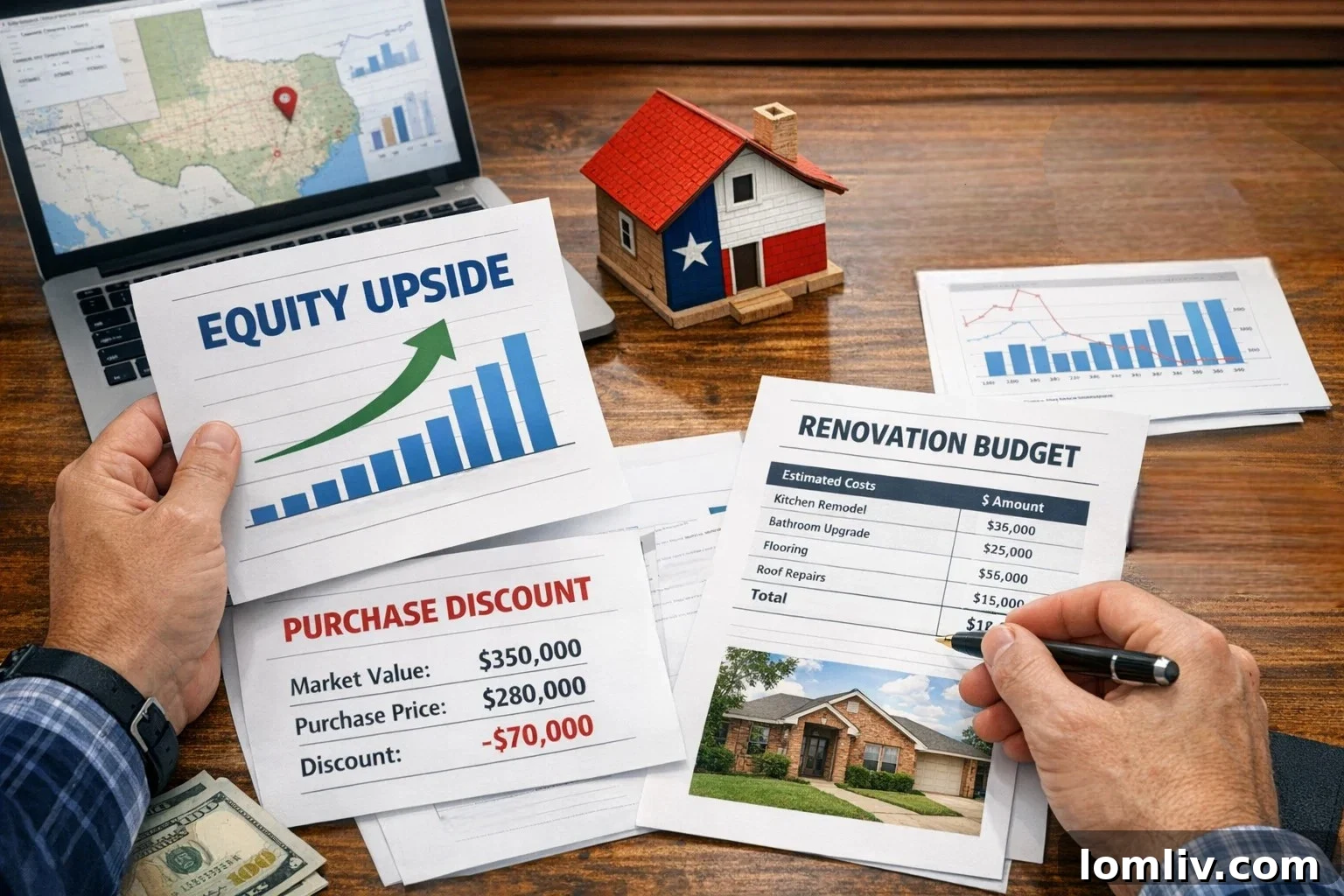
For many aspiring homeowners and seasoned real estate investors alike, the concept of buying a foreclosure property conjures compelling images: an incredible deal, a rapid renovation, instant equity, and perhaps a lucrative flip story to share. The allure of acquiring a home significantly below market value is undeniably strong. However, this powerful fantasy, while enticing, often leads buyers down a path fraught with unforeseen challenges and financial distress.
Navigating the world of foreclosed homes requires a pragmatic approach, firmly rooted in facts rather than fleeting emotions. It’s crucial to move beyond the headline-grabbing price tags and delve into the intricate realities of these properties. Many savvy buyers utilize comprehensive platforms like ForeclosureHub to gain genuine insights into what’s truly available on the market, understand the specific stage of a property’s foreclosure process, and ascertain whether a perceived “deal” holds up to scrutiny. This diligent research phase is far more critical than most buyers initially realize.
While purchasing a foreclosure can indeed be a remarkably smart investment strategy, it also carries the potential to devolve into a protracted, costly, and emotionally draining ordeal. The delicate balance between a successful acquisition and a financial nightmare often hinges on meticulous attention to seemingly mundane details. Thorough title work, accurate repair estimates, careful analysis of local comparable sales (comps), and ensuring sufficient cash reserves to absorb unexpected issues are paramount. These often-overlooked elements are the bedrock of a sound foreclosure investment.
Understanding the Appeal: Why Buyers Seek Out Foreclosures
The primary reason foreclosure properties often attract such intense buyer interest stems from the unique circumstances of their sale. When a property enters the foreclosure process, it’s typically because the lender’s primary objective is to remove it from their balance sheets as quickly and efficiently as possible. Unlike a traditional seller, a bank or financial institution has no emotional attachment to the property. There’s no owner meticulously repainting the kitchen or baking cookies before showings, no sentimental pricing based on cherished family memories, and no complex family dynamics influencing the sale price. This detached, business-like approach can create significant opportunities for an astute buyer who is prepared to act decisively and intelligently.
In the most favorable scenarios, a buyer can acquire a property well below its market value. With strategic renovations and necessary repairs, this can lead to substantial equity being built into the home from day one. This initial equity provides a valuable buffer, whether the buyer intends to move in and enjoy immediate appreciation, or rent it out. The ability to achieve positive cash flow from rental properties is particularly challenging in today’s real estate landscape, where many standard listings struggle to generate enough rent to cover mortgage payments, taxes, insurance, and maintenance. A wisely purchased foreclosure, however, can offer that crucial breathing room, making it a viable and attractive option for income-generating investments.
Furthermore, there’s a less obvious but equally powerful advantage: distressed properties naturally deter casual buyers. Many individuals are simply unwilling to contend with the potential for repairs, the inherent uncertainty, or the perceived stigma associated with the term “foreclosure.” Some even assume that every foreclosure deal is somehow “cursed” or too complex to manage. This widespread hesitation and aversion to risk can significantly reduce competition, especially for properties that require more extensive work or have a less polished appearance. For a well-informed and prepared buyer, this reduced competition can translate into a better chance of securing the property at a more favorable price.
However, it is vital to dispel any illusions: foreclosures are not a source of “free money.” They never have been, and they never will be. Success in this niche demands diligence, capital, and a clear understanding of the risks involved.
Tangible Benefits: The Real Advantages of Buying a Foreclosure
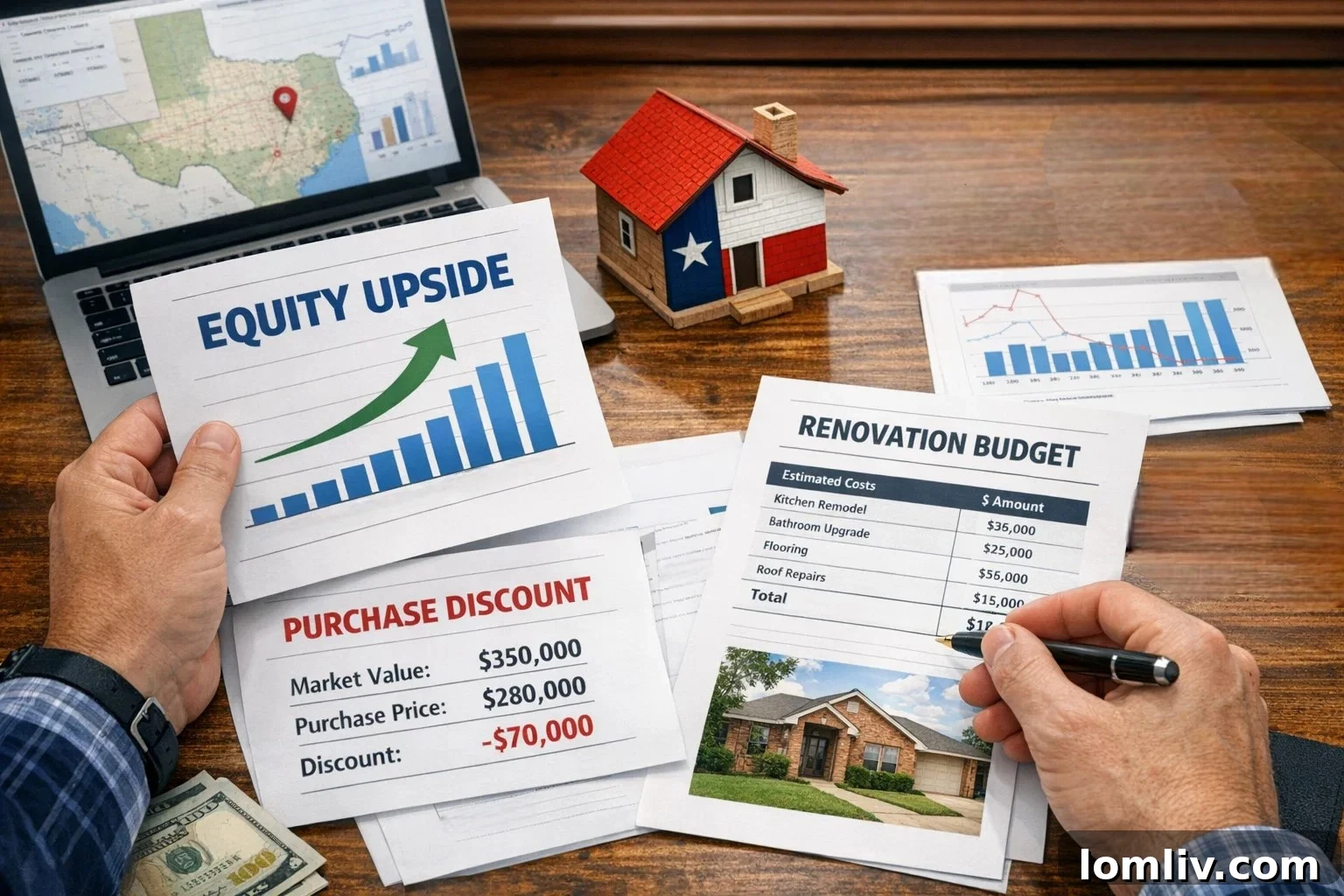
One of the most compelling advantages of a successful foreclosure purchase is establishing a significantly lower “basis.” In real estate investment terms, your basis represents your total all-in cost for a property, encompassing not just the purchase price but also closing costs, immediate repair expenses, and any other capital improvements. If a foreclosure allows you to acquire a property at a lower overall basis compared to a traditionally listed, comparable home, your strategic options and potential for profit expand dramatically.
A lower basis offers numerous strategic benefits, including:
- Greater Allowance for Renovation Costs: More financial headroom means you can invest adequately in necessary repairs and upgrades, transforming a distressed asset into a desirable property without overextending your budget.
- Stronger Rental Cash Flow: A lower initial investment translates directly into a higher potential capitalization rate (cap rate) and better cash-on-cash returns, making the property more attractive for long-term rental income.
- Safer Refinancing Opportunities: With built-in equity from a lower basis and value-add renovations, securing favorable refinancing terms becomes easier, allowing you to pull out capital or reduce monthly payments.
- Reduced Exposure in a Soft Market: A lower purchase price provides a stronger safety net against potential market downturns. You have more buffer before the property’s value dips below your investment.
This represents the ideal scenario, and while it’s entirely achievable, it’s never an automatic outcome. It requires careful planning and execution.
Lenders Are Transactional, Not Sentimental
Dealing with banks and institutional lenders can, at times, be a frustrating experience. They can be slow, bureaucratic, and surprisingly rigid in their processes. However, one undeniable advantage is their complete lack of sentimentality. A bank will not reject your offer because they believe your family isn’t “the right fit” for the home, or because they feel attached to the garden. If your offer’s numbers, terms, and timing align with their operational objectives, the deal is likely to proceed. This often makes the foreclosure acquisition process more mechanical and predictable, a characteristic many experienced buyers actually prefer over the emotional complexities of traditional sales.
The Power of Value Creation, Not Just Wishful Thinking
What might appear as a complete disaster to a first-time buyer—such as a foreclosure with garish paint, severely dated flooring, or a completely overgrown, neglected landscape—can be viewed by an experienced investor as a significant opportunity. This distinction is crucial: “cosmetic distress” is where substantial money can be made through relatively straightforward, high-impact improvements. Conversely, “structural distress”—issues like a failing foundation, a compromised roof, or major plumbing and electrical overhauls—is where budgets quickly evaporate. Discerning between these two types of distress is far more important than the initial listing discount; it’s the key to identifying properties with true value-add potential.
The Hidden Minefield: Where the Risks Start Sneaking In
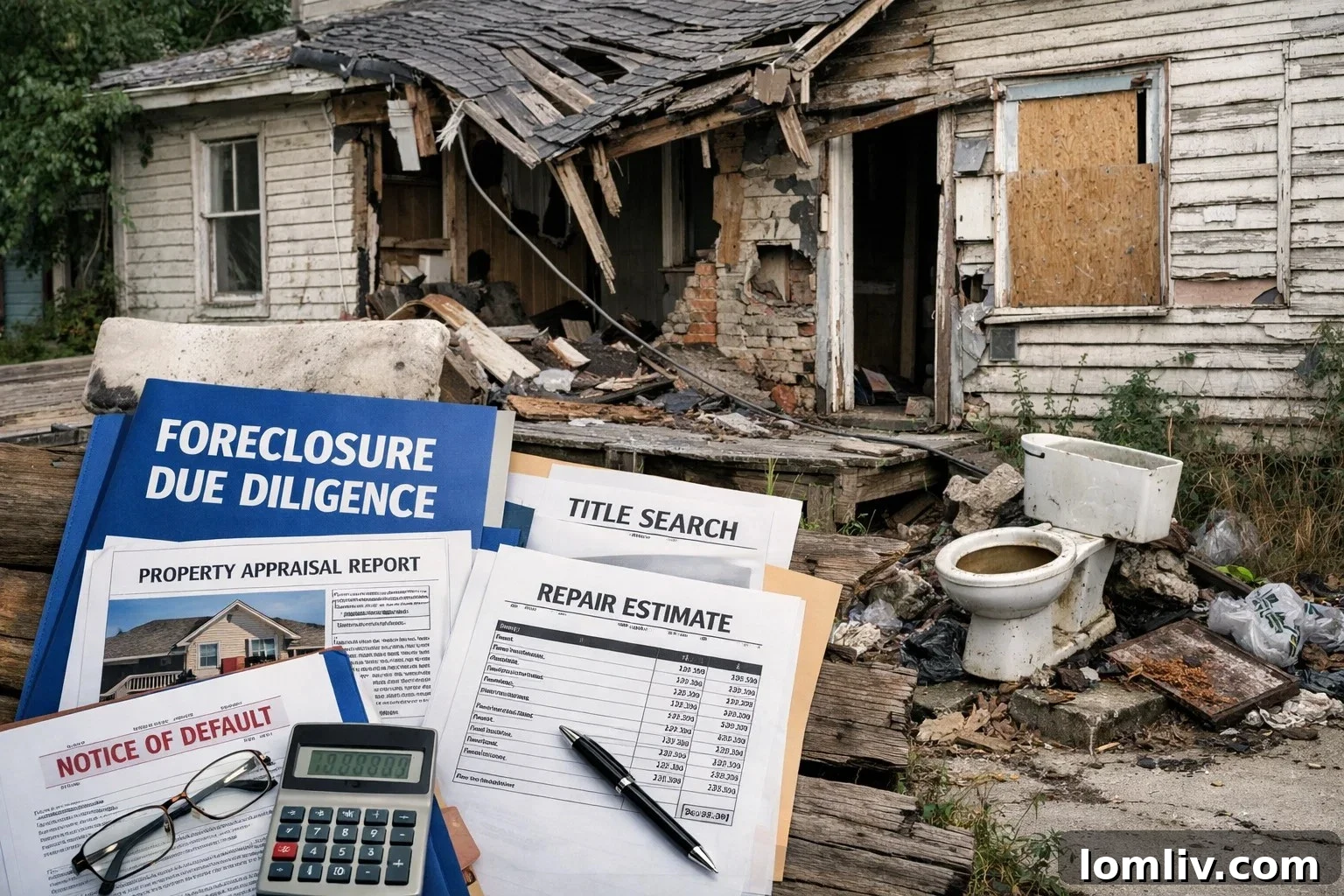
This is often the point where many promising foreclosure deals go awry. Buyers, captivated by the prospect of a steep discount, often neglect to ask the critical questions that determine the true viability of an investment. They overlook inquiring about the property’s actual condition, identifying all potential claims or liens against it, confirming the possibility of a thorough inspection, or verifying if the property is still occupied. Furthermore, they may fail to accurately estimate the real cost required to make the home financeable, rentable, or simply livable. These are the fundamental inquiries that delineate a shrewd purchase from a catastrophic financial headache.
‘As-Is’ Truly Means ‘As-Is’
Foreclosure properties are almost universally sold “as-is.” While many casual buyers might interpret this as merely needing a fresh coat of paint or some new carpeting, the reality can be far more severe. “As-is” can imply anything from minor cosmetic issues to a property where the plumbing and electrical systems have been stripped out, where the basement has been perpetually flooded for months, or where significant structural damage exists. It invariably means the seller—typically a bank—will not undertake any repairs, offer any credits, or even possess much knowledge about the property’s history or current state. This isn’t necessarily a reason to abandon every deal, but it is an urgent call to heightened diligence and caution.
Hidden Damage Is Prevalent and Often Concealed
Vacant homes are particularly susceptible to rapid and severe deterioration. What begins as a minor roof leak can quickly escalate into extensive interior water damage, leading to mold, rot, and compromised structural integrity. A broken window can invite moisture, pests, and even vandals. Properties that have sat for extended periods without utilities can develop critical, latent issues with their HVAC systems, plumbing, and major appliances that only manifest long after the purchase. Listing photos, if available, often present a sanitized or outdated view, rarely revealing the full extent of neglect. Many foreclosure buyers make an expensive mistake by attempting to estimate repair costs based solely on limited visual information from a phone screen or brief drive-by. A professional, comprehensive inspection is non-negotiable.
Title Problems Can Haunt Beyond the Previous Owner
A “cheap” house burdened with a convoluted or “clouded” title is not cheap; it’s a significant liability. Depending on the state and the specific foreclosure process, a buyer could inherit a host of unresolved financial obligations. These might include unpaid property taxes, outstanding Homeowners Association (HOA) balances, junior liens, judgments from creditors, or even old contractor claims. While some of these encumbrances are extinguished during the foreclosure process, others may survive. Understanding precisely which liens are cleared and which transfer with the property is absolutely critical *before* closing, not after. Skipping a thorough title search and opting out of title insurance in an attempt to save money is a classic penny-wise, pound-foolish error that can lead to devastating financial consequences.
Occupancy Issues Can Become a Major Project
While many foreclosure properties are vacant—a desirable situation for buyers—a significant number are not. The former owner might still be living there, or perhaps a tenant with a valid lease, or even an unmentioned relative or squatter. Taking legal possession of such properties is rarely a straightforward process. The legal eviction process, which must be followed meticulously, can be lengthy, complex, and expensive, especially if the occupants contest it. Every day the property remains occupied post-purchase translates directly into lost time and money, delaying renovations and income generation. Any plan that hinges on immediate access and renovation commencement the morning after closing is built on an overly optimistic assumption.
Understanding the Foreclosure Lifecycle: Different Deals, Different Rules
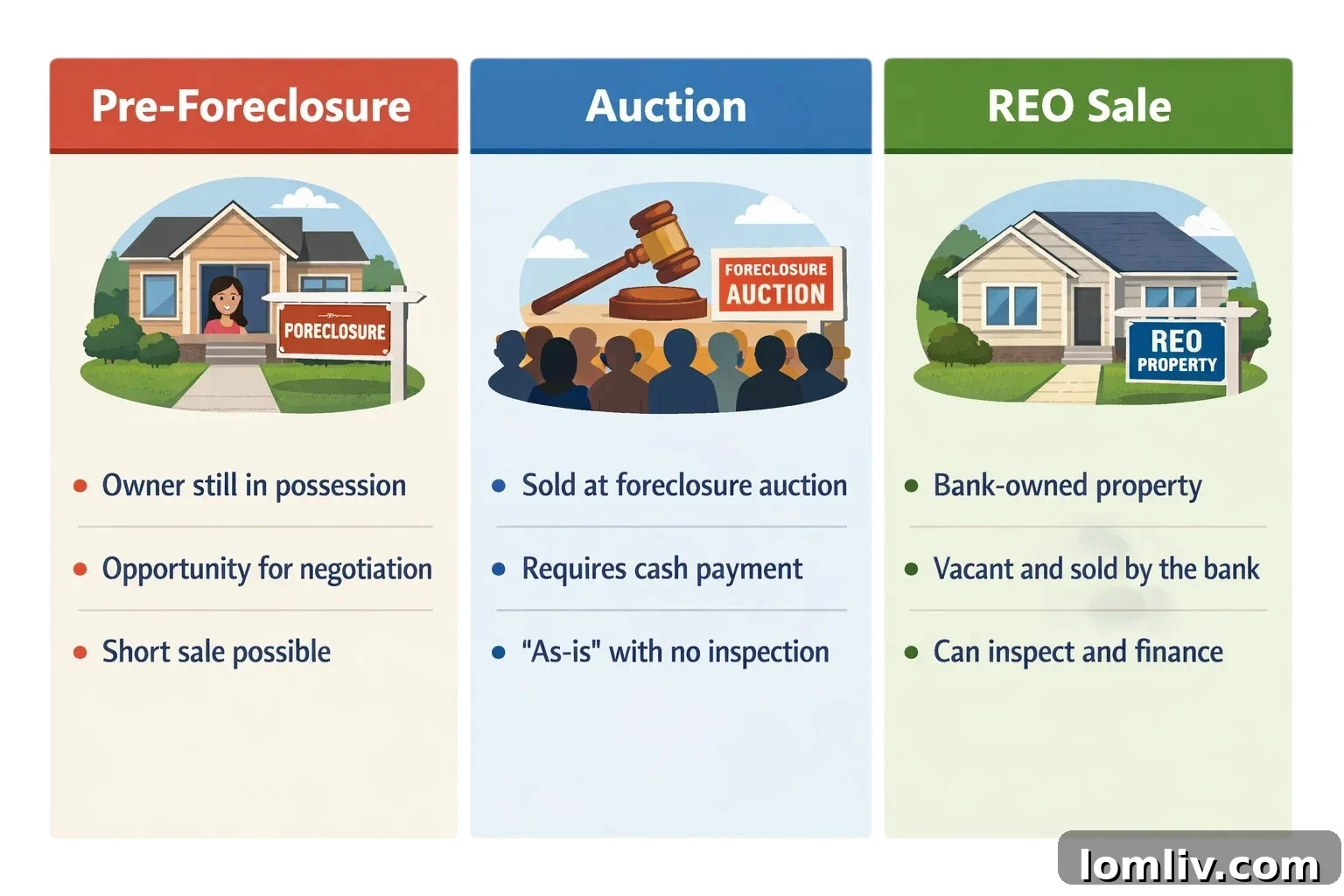
The online narratives surrounding foreclosures often gloss over a crucial detail: not all foreclosure deals operate under the same rules or present the same level of risk and opportunity. The stage of the foreclosure process profoundly impacts how you can buy, what you can expect, and the due diligence required.
Pre-foreclosure
This stage occurs before the property is officially put up for auction, meaning the owner is behind on payments but still retains legal control. Pre-foreclosures often present the most “normal” negotiation environment, offering better access for inspections and more traditional negotiation. Buyers deal directly with the homeowner, who often has a strong incentive to sell to avoid a foreclosure on their credit record. However, these deals can be emotionally complicated, as you are negotiating with a distressed seller under immense pressure, and deals can fall through if the owner finds alternative solutions or simply becomes unresponsive.
Auction Property
This is the stage that captures the imagination and often leads to buyer exhilaration—or financial ruin. At a public auction, properties are typically sold to the highest bidder, often requiring an all-cash payment or a substantial, non-refundable deposit within a very short timeframe. Buyers usually have extremely limited, if any, access to inspect the interior of the property. Furthermore, title issues can be significantly less clear, as buyers are often responsible for researching any outstanding liens themselves prior to bidding. While the discounts can be substantial, the risks are equally pronounced, making this option suitable primarily for highly experienced investors with significant liquid capital and a high tolerance for risk.
REO (Real Estate Owned) or Bank-Owned Property
If a property fails to sell at auction, it reverts to the lender and becomes an REO property. This is typically the most accessible and least risky type of foreclosure for the average buyer, as the process resembles a more traditional real estate sale. Buyers usually have the opportunity to physically inspect the property, and banks are often more willing to consider repairs or provide more transparent information. However, buyers must meticulously read every line of the bank’s addendum to the purchase contract. These addendums are specifically drafted to protect the seller (the bank) and often contain clauses that limit the bank’s liability, supersede standard contract terms, and require swift action from the buyer.
Critical Red Flags That Demand Caution and Diligence
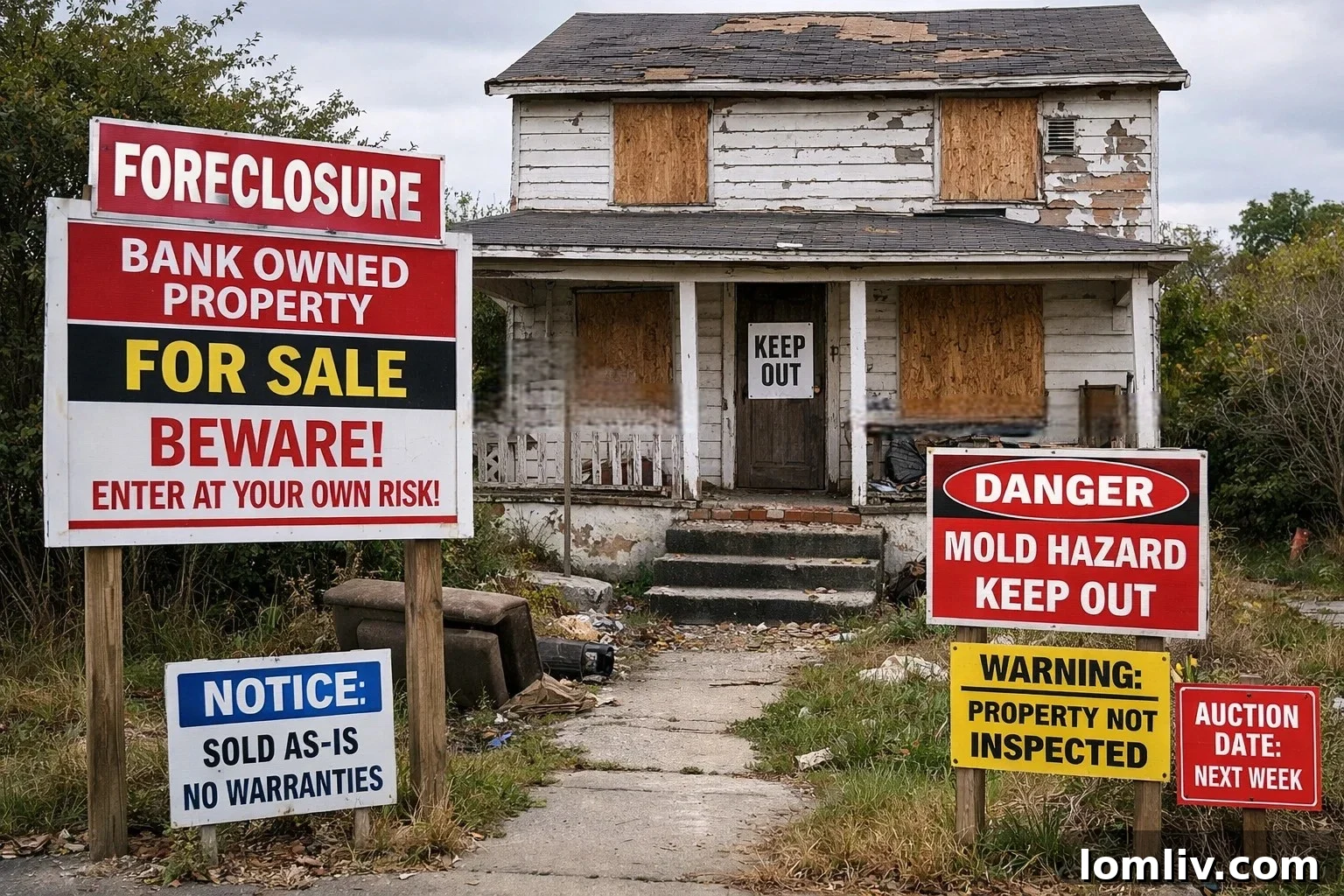
While the goal is to identify lucrative opportunities, it’s equally important to recognize when a potential deal presents unacceptable risks. You don’t need to walk away from every property with a minor issue, but you absolutely must slow down and exercise extreme caution when multiple warning signs emerge. Ignoring these red flags can turn a promising investment into a catastrophic loss.
Be particularly vigilant if you encounter any of the following indicators:
- No or Very Limited Interior Access: This is a major red flag, preventing you from accurately assessing the property’s true condition. Without interior access, you are buying sight unseen, a practice only recommended for the most seasoned and risk-tolerant investors.
- An Unusually Low Price Accompanied by Vague Listing Details: A price that seems too good to be true often is. If the listing lacks specific property information, detailed photos, or clear descriptions, it suggests the seller may be attempting to conceal significant issues.
- Evidence of Long-Term Vacancy: Homes left vacant for extended periods are highly susceptible to accelerated deterioration, including water damage, mold growth, pest infestations, vandalism, and the failure of major systems.
- Unpaid HOA Fees or Property Tax Delinquency: These outstanding financial obligations will likely transfer to the new owner, adding unexpected costs to your investment. A thorough title search is crucial to uncover these.
- Visible Major Damage: Clear signs of significant water damage (e.g., stained ceilings, warped floors), foundation movement (e.g., large cracks in walls, uneven floors), or missing essential systems (e.g., stripped HVAC units, missing plumbing fixtures) indicate costly repairs and potential underlying structural issues.
- A Seller Urgently Pushing for a Fast Sale While Providing Minimal Documentation: This behavior suggests the seller is trying to rush the transaction to bypass your due diligence process. Always be wary of pressure tactics and insist on comprehensive documentation.
One isolated red flag might not be a deal-breaker, but the presence of several warning signs simultaneously is almost always a strong indication of impending trouble and warrants a deep reconsideration of the investment.
A Smarter, More Disciplined Approach to Buying a Foreclosure
Successful foreclosure buying is not about finding shortcuts; it’s about meticulous preparation, thorough due diligence, and a disciplined execution strategy. Before committing to any foreclosure property, follow these essential steps to mitigate risks and maximize potential returns:
- Determine the Foreclosure Stage Early: Understand whether you are dealing with a pre-foreclosure, an auction property, or an REO. Each stage has distinct rules, risks, and opportunities that will dictate your strategy and timeline.
- Run Realistic Comparable Sales (Comps), Not Wishful Ones: Base your offer and projected value on recent sold data for truly comparable properties in the immediate geographical area. Avoid relying on asking prices or properties that don’t match in size, condition, or features.
- Obtain Professional Repair Estimates: Don’t guess or rely on superficial assessments. Get detailed repair bids from licensed contractors who actually “swing a hammer.” Aim for multiple quotes to establish a realistic and comprehensive repair budget.
- Order Title Work Promptly: Whenever possible, initiate a thorough title search early in the process. Ask direct and pointed questions about any existing liens, unpaid property taxes, and outstanding HOA balances. This is your shield against inheriting previous owners’ debts.
- Budget for Delays: Assume that the process will take longer than anticipated. Account for potential delays related to eviction proceedings, unexpected repair discoveries, financing hurdles, or bureaucratic slowdowns from the lender. Time is money in real estate.
- Establish a Significant Cash Cushion: Your initial repair estimate is rarely the final number. Unexpected issues invariably arise. Maintain a substantial reserve of cash to cover unforeseen expenses, ensuring that you can complete renovations and hold the property if necessary.
This advice may not be glamorous, but it forms the practical foundation that prevents a promising investment from becoming a profound regret. It ensures that your entry into the foreclosure market is grounded in reality, not fantasy.
So, Is Buying a Foreclosure Truly Worth It?
In many instances, absolutely. For disciplined, well-prepared buyers, foreclosures can provide a significant competitive edge in the real estate market. They offer the potential for a better entry price, substantial upside appreciation, reduced competition compared to traditional sales, and ultimately, stronger long-term returns. This holds true provided the property is located in a desirable area, and the financial figures—including purchase price, repair costs, and holding expenses—are meticulously calculated and make sound economic sense. However, the operative word here is “disciplined.”
If your decision-making is driven by emotion, if you assume the house is “probably fine” without concrete evidence, or if you rely on everything proceeding without a hitch, you are fundamentally approaching foreclosure buying incorrectly. The foreclosure market disproportionately rewards patience, robust cash reserves, in-depth local market knowledge, and an unwavering commitment to scrutinizing every detail. Conversely, it exacts a severe toll on those who seek shortcuts, operate on assumptions, or neglect the critical steps of due diligence. Foreclosures are not for the faint of heart, but for the diligent and well-informed, they can be a pathway to significant wealth creation.