Fair Park’s Future: Preserving History Amidst Development Debates in Dallas
Fair Park, a designated National Historic Landmark in Dallas, stands as a testament to architectural grandeur and cultural heritage. Home to the largest collection of Art Deco buildings in the world, its preservation is a paramount concern for many residents and city leaders. The ongoing discussion about its future, particularly concerning management and renovation plans, has ignited passionate debate across the city.
The sentiment regarding the importance of preserving Fair Park’s historical structures is widely shared, echoing the views expressed by community advocates like Suzanne Felber. With its unique architecture and deep roots in Dallas history, Fair Park is not merely a collection of buildings; it is a living museum, a cultural hub, and a vital community asset for Dallas and beyond.
The Humann Proposal: A Vision Under Scrutiny
At the heart of the current debate is a proposed public-private partnership put forth by the Fair Park Texas Foundation, spearheaded by Walt Humann. As reported by WFAA’s Brett Shipp, this proposal outlines a significant investment of $240 million dedicated to renovating and maintaining Fair Park’s historic buildings. A notable point of contention is that a substantial portion of this funding would be allocated to structures primarily utilized during the State Fair of Texas, raising questions about maximizing year-round utility versus cost.
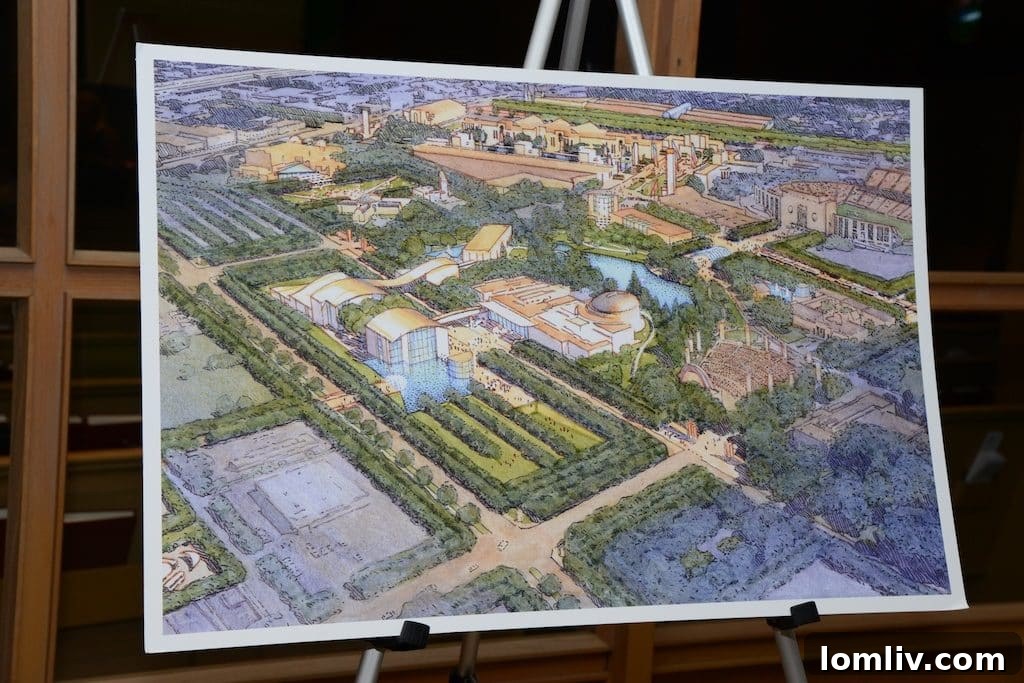
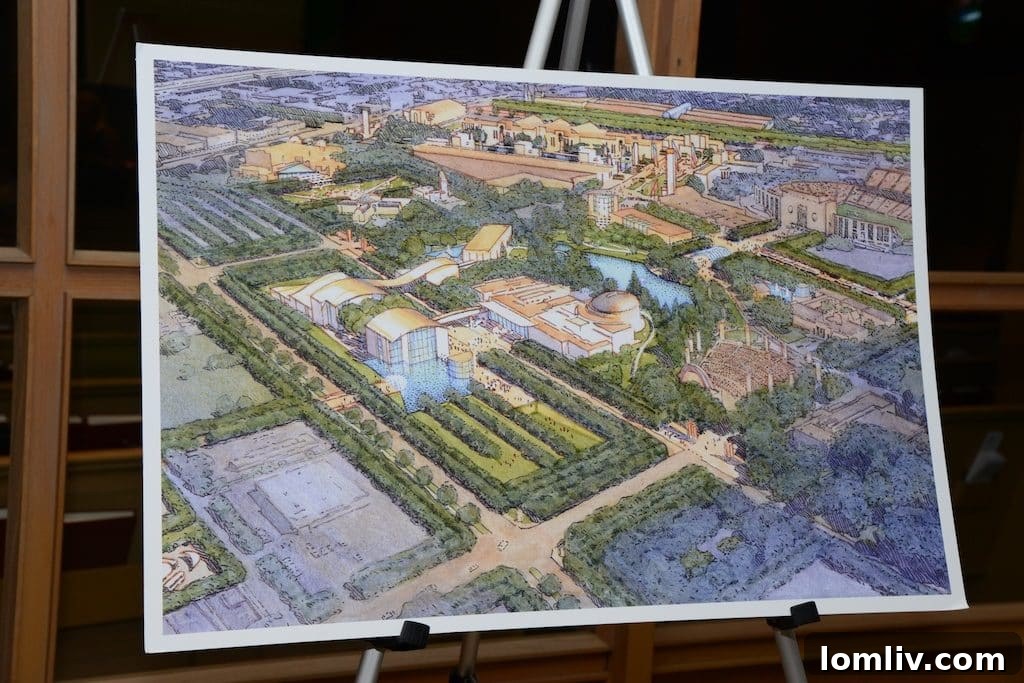
Proponents of the Humann plan envision a revitalized Fair Park, featuring more green spaces, enhanced year-round usability, and stronger, positive connections with the surrounding neighborhoods. The aim is to transform the park into a more accessible and vibrant hub for all of Dallas, moving beyond its traditional role as a venue for specific annual events. This ambitious vision seeks to unlock the full potential of the 277-acre Dallas treasure, fostering a dynamic environment for recreation, education, and cultural engagement throughout the year.
The Critical Lens: Don Williams’ Pragmatic Approach
While acknowledging the imperative for preservation, critics, most notably Don Williams, offer a pragmatic perspective rooted in sound real estate principles. Williams, a prominent voice in Dallas urban development, agrees that the historic buildings are invaluable but emphasizes a fundamental rule of real estate: “never fix up an empty building.” This isn’t a call to abandon Fair Park’s structures, but rather a cautionary note against premature and potentially wasteful expenditure.
Williams’ argument translates to a strategic approach: retrofit and renovation can be incredibly costly. Before embarking on extensive demolition and refurbishment, it is imperative to first identify a definitive, sustainable use for each building and secure tenants or programming. This demand-driven approach ensures that investments are purposeful and yield long-term value, rather than merely creating beautifully restored but underutilized spaces that continue to drain public resources for maintenance without generating sufficient public benefit or revenue.
Furthermore, Williams highlights the significant financial commitment of $240 million in a city facing pressing needs for basic services. He refers to these critical areas as the “three P’s”: police, potholes, and protection. Diverting such a substantial sum to building renovations, especially without clear utilization strategies, raises concerns about opportunity costs. Many taxpayers feel that city resources should first address fundamental infrastructure and public safety before large-scale, potentially speculative, cultural property overhauls. The sentiment is clear: while “build it and they will come” might sound appealing, it should not be at the expense of core city services or without a robust plan for taxpayer money. The judicious use of public resources, identifying practical uses, securing commitments, and then proceeding with repair and maintenance, is advocated as the more responsible path forward. This approach ensures that Fair Park’s revitalization is not only aesthetically pleasing but also fiscally prudent and serves the immediate needs of Dallas residents.
Navigating the Public Forum: City Council Weighs In
The proposed Fair Park management agreement has prompted significant engagement from Dallas City Council members, reflecting the community’s keen interest and the high stakes involved in shaping the future of this iconic landmark.
Councilwoman Jennifer Gates: A Call for Transparency and Engagement
Councilwoman Jennifer Gates of District 13 actively engaged her constituents, sending out a memo urging them to participate in the public discourse. She underscored the importance of transparency and direct citizen input on the proposed management agreement by encouraging attendance at a special City Council meeting. Gates’ message emphasized that residents’ questions and concerns about the Fair Park Texas Foundation proposal were critical and needed to be heard directly by the council, ensuring that all voices contribute to this vital decision-making process.
District 13 residents have reached out to our office with questions about the Fair Park proposed management agreement. There will be a public hearing on Monday, August 29th, on the Fair Park Texas Foundation proposed management agreement at City Hall at 1:00 PM. I encourage all interested to attend this meeting or watch it online at dallascityhall.com.
To see the Agenda for this public hearing click here: Special Called City Council Meeting
To see the briefing that will be presented to council click here: Briefing
For any questions please contact the District 13 office at 214-670-3816 or [email protected].
Such public hearings are crucial mechanisms for democratic governance, ensuring that major municipal decisions are informed by diverse community perspectives and that elected officials remain accountable to their constituents. This active invitation to participate highlights the democratic process at play in managing Dallas’s valuable public assets.
Councilman Philip Kingston: Unpacking the Opposition
Councilman Philip Kingston’s response to constituents, particularly those using a standardized form letter provided by the “Friends of Fair Park,” reveals a deeper layer of complexity and skepticism surrounding the Humann plan. Kingston articulated his strong opposition, citing several critical flaws within the proposal and questioning the nature of advocacy for it.
I’ve been receiving a smattering of e-mails from some of you purporting to support the Humann privatization plan for Fair Park. In responding to those emails, it has become clear that at least some of you are confused about what you signed your name to. The emails were generated from a form published by the Friends of Fair Park. Let’s clarify the Humann plan, and then let’s talk about “Friends” of Fair Park.
Here’s the web form (strongly recommend you not use it):
http://www.fairpark.org/updates/20160826.html
And here’s the email text it generates:
“Dear Council Member Philip Kingston,
I support the Fair Park Texas Foundation and urge you to vote in favor of this public, private partnership. We cannot waste the potential of this 277-acre Dallas treasure. I want to see more green space, year-round use and positive connections to the surrounding neighborhood. We need Foundation management and adequate funding. It is a time for Dallas to come together in support of action for Fair Park after years of disrepair.”
Here’s what I’ve been sending back:
“Thanks for writing, but I will be opposing the proposal unless there are substantial improvements. Like any other contract with the city, we need an RFP to see if we can get a more credible proposal. This proposal is too expensive, has too little oversight, and has very few obligations of the foundation. In fact, the things you list as reasons to support the foundation aren’t required by the proposal.”
Kingston highlighted that the form letter, while expressing noble goals like more green space and year-round use, fails to accurately represent the actual contractual obligations of the Humann plan. He argues that the stated benefits are not sufficiently guaranteed within the proposed agreement, leading to a disconnect between public perception and the reality of the contract. This discrepancy raises concerns about transparency and accountability within the partnership.
I’m not sure if I think that the web form is deceptive, but the email it generates definitely doesn’t describe the contractual obligations the Humann plan proposes. See Ellen Williams’s excellent analysis here:
http://www.dallasnews.com/…/20160825-will-fair-park-leaders…
Kingston further emphasized the need for a Request for Proposal (RFP) process, a standard practice for city contracts. An RFP would allow the city to solicit and compare multiple proposals, ensuring a competitive process that ideally yields the most credible, cost-effective, and accountable plan for Fair Park. Without it, the city might be committing to an agreement that lacks proper scrutiny and alternative comparisons, potentially leaving taxpayer interests vulnerable.
His criticisms extended to the “Friends of Fair Park” organization itself. Kingston questioned their motivations for strongly advocating the Humann plan, given their historical track record concerning the park. He pointed out that the mayor’s 2014 task force, which was the genesis of the Humann plan, had envisioned a new non-profit manager that would have made organizations like “Friends of Fair Park” superfluous due to their past “wasteful and failed efforts” over decades. This historical context, reinforced by opinion pieces in the Dallas News, suggests that their current vocal support might not be for “any legitimate reason,” implying potential self-interest or a lack of objective evaluation of the proposal’s merits for the broader public.
And below read a little about just one of the many, many times that the “Friends” of Fair Park have failed the park.
In the recommendations of the mayor’s FP task force from 2014 that are the genesis of the Humann plan, there was a virtual certainty that the FoFP would cease to exist. The proposed non-profit from that effort led by Linda Evans was to have beaten the bushes for philanthropic support for the private management of the park. It would have been impossible for a competing organization like the FoFP to have continued to develop any donations in that environment, and its very existence would have been rendered superfluous. In fact, the task force members took pains to contrast their expectations for the efficacy and transparency of the new non-profit manager with the wasteful and failed efforts of decades of FoFP.
So why is FoFP the loudest voice in favor of the Humann plan? Not for any legitimate reason, I’d wager.
http://www.dallasnews.com/…/20110504-editorial-friends-of-f…
The stark difference in perspective between the proponents of the Humann plan and critics like Councilman Kingston highlights the complexities involved in urban development projects, especially when balancing historical preservation with future aspirations and financial prudence. This layered debate underscores the need for thorough examination and broad public engagement before any definitive agreements are formalized.
The Path Forward: Balancing Heritage and Future Needs
As Dallas contemplates the future of Fair Park, the debate encapsulates crucial questions about urban planning, fiscal responsibility, and community values. The park’s undeniable historical and architectural significance demands careful consideration, but so too does the need for a financially sound and socially equitable management plan. The discussions among city leaders, community organizations, and individual citizens underscore the importance of civic engagement in shaping Dallas’s iconic landmarks. The ultimate decision will not only determine the fate of Fair Park’s cherished Art Deco structures but also set a precedent for how Dallas manages its public assets and addresses the needs of its diverse populace, ensuring a sustainable and thriving future for one of its most valuable treasures.
Summary of Proposed Changes by Joanna England on Scribd
Management Agreement Proposed Changes – Management Agreement Proposed Changes by Joanna England on Scribd